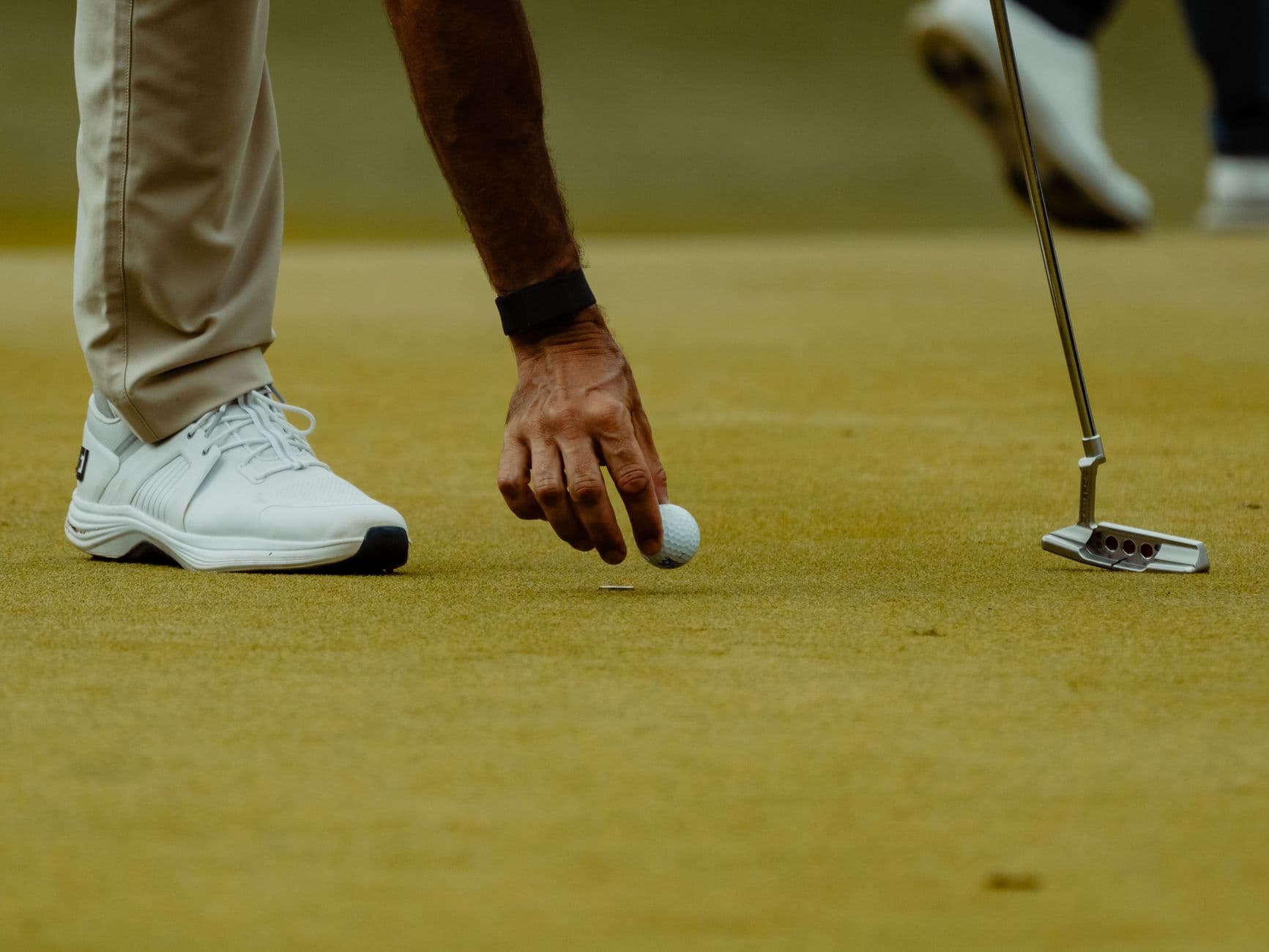
The PGA Tour continues its relentless march toward the season's major championships, and this week delivered precisely the kind of compelling golf that keeps serious players and fans engaged. With the West Coast swing in full motion and players jockeying for FedExCup points, every shot carries weight in an increasingly competitive landscape.

What we witnessed this week reinforced several emerging narratives while simultaneously upending others. The modern tour demands versatility, and the players who can combine distance off the tee with surgical precision around the greens continue to separate themselves from the pack.
Course Conditions and Strategic Implications
February conditions on Tour present unique challenges that separate elite ball-strikers from the field. Morning frost delays, afternoon winds, and firm putting surfaces demand a level of adaptability that only the most prepared competitors can consistently deliver.
The premium this week was placed squarely on approach play. Players who could control trajectory and spin into receptive but fast greens found themselves with legitimate birdie opportunities. Those who struggled with distance control faced a frustrating week of two-putts from 30 feet and the occasional three-putt.
- Wind management proved decisive, particularly on exposed par-5s where club selection varied by two or three clubs throughout the day
- Greens running above 12 on the Stimpmeter demanded precise pace control on approach putts
- Morning tee times offered softer conditions but required players to score before afternoon winds intensified
Driving Performance Under Scrutiny
The analytics from this week's competition highlighted a fascinating trend: raw distance off the tee mattered less than driving accuracy and positioning. The players who found fairways consistently gave themselves significantly better angles into tucked pins and avoided the scrambling that plagued their more wayward competitors.
This is where equipment choices become paramount. Players using balls engineered for wind stability—such as Attomax's High-Density amorphous metal core technology—demonstrated notably tighter shot dispersion in challenging conditions. The physics are straightforward: a denser core resists wind deflection more effectively than traditional constructions.
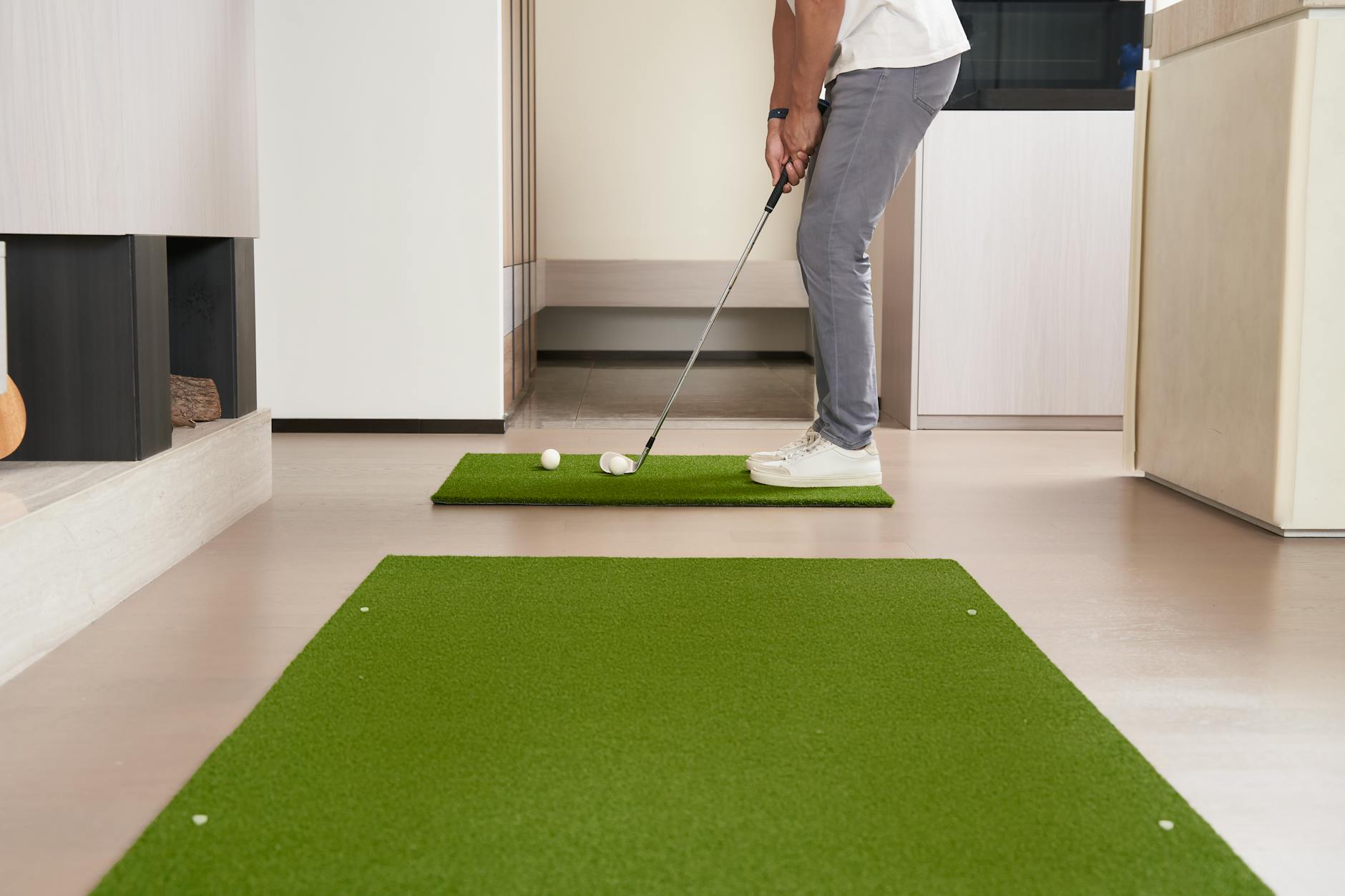
The Short Game Separates Contenders from Pretenders
Around the greens, we saw masterclass performances from players who understand that professional golf is ultimately a putting contest. The ability to consistently convert from inside ten feet while avoiding costly three-putts from distance proved to be the decisive factor in final standings.
At this level, everyone can hit it. The guys who win are the ones who can get it in the hole when it matters.
— Tour veteran on putting performance
Strokes Gained: Putting data from the week revealed that the top ten finishers gained an average of over two strokes on the field through putting alone. This isn't coincidental—it's the result of meticulous green reading, consistent speed control, and the mental fortitude to execute under pressure.
Technical Observations Worth Noting
Several players made notable equipment changes heading into this week, and the results were instructive. Shaft selection in particular appeared to influence performance, with players who had recently dialed in their launch conditions showing improved consistency through the bag.
The relationship between shaft flex, launch angle, and spin rate becomes increasingly critical as wind conditions intensify. Players working with premium graphite shafts that offer stable energy transfer reported better shot-shaping control—a competitive advantage that compounds over 72 holes.
FedExCup Implications
With the season's first major still months away, the points accumulated now serve as crucial insurance against inevitable slumps. Players who can bank strong finishes during the West Coast swing create the flexibility to peak when it matters most: at Augusta, at the U.S. Open, and during the playoff push.
- Early season consistency correlates strongly with playoff qualification
- Points distribution rewards top-10 finishes heavily, making consistent contention more valuable than occasional wins
- The reshaped schedule means fewer opportunities to accumulate points before the postseason
The strategic calculus has shifted. Players can no longer afford to treat early-season events as warm-ups. The depth of competition means that any off week pushes a player down the standings significantly.
Looking Ahead: What This Week Tells Us
The performances we witnessed this week offer a preview of what's to come. The players who demonstrated elite course management, controlled their ball flight in challenging conditions, and putted with confidence have positioned themselves favorably for the season ahead.
For the competitive amateur watching from home, the lessons are clear. Invest in understanding your equipment's performance characteristics—particularly how your ball responds in wind. Focus practice sessions on distance control with approach clubs. And never underestimate the value of a rock-solid putting routine.
The PGA Tour's 2026 season continues to build momentum, and if this week is any indication, we're in for a compelling ride toward the majors. The cream is beginning to rise, but there's plenty of golf left to be played—and plenty of opportunities for the prepared player to make a statement.
Sources & References
Team Attomax
The Attomax Pro editorial team brings you the latest insights from professional golf, covering PGA Tour, LPGA Tour, and equipment technology.