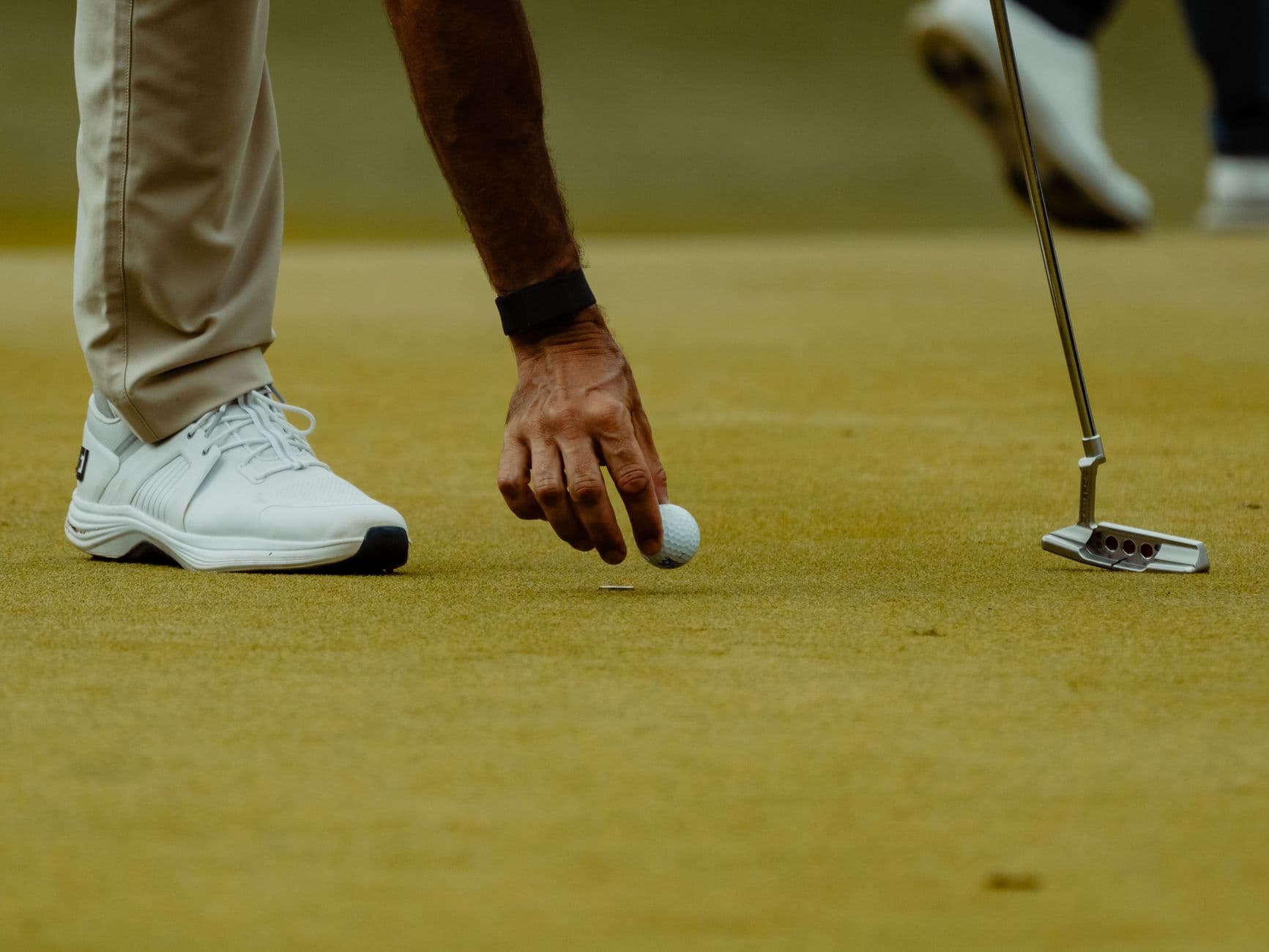
The PGA Tour calendar continues its relentless march toward the spring major season, and this week's competition delivered precisely the kind of compelling golf that keeps serious students of the game engaged. As we move deeper into February 2026, the storylines emerging from tour stops are beginning to crystallize into meaningful narratives about who's peaking at the right time and who still has work to do.

What separates elite weeks from forgettable ones often comes down to course management under pressure and the ability to manufacture scoring opportunities when conditions tighten. This week showcased both ends of that spectrum, with several players demonstrating championship-caliber decision-making while others left strokes on the table through aggressive miscalculations.
Course Strategy and Scoring Patterns
The setup this week demanded precision over power, a welcome change for players who thrive on finding fairways and controlling approach distances. We saw a distinct advantage for those who prioritized positional play off the tee rather than chasing every yard of carry distance.
Greens in regulation percentages told a compelling story throughout the week. Players who maintained GIR rates above 70% consistently found themselves in contention, while those hovering in the low 60s struggled to generate birdie opportunities despite solid ball-striking metrics elsewhere.
- Fairway accuracy proved more valuable than driving distance on the tighter corridors
- Approach shot dispersion patterns separated contenders from the pack
- Up-and-down conversion rates around firm green complexes determined weekend positioning
- Putting performance on subtle breaks inside 15 feet proved decisive in close finishes
Wind Management and Ball Flight Control
Afternoon players faced the perennial challenge of managing gusty conditions that transformed straightforward approach shots into complex calculations. The ability to flight the ball effectively—keeping trajectory controlled without sacrificing spin rates necessary for stopping power—emerged as a critical differentiator.
What distinguished the leaders from the field was their willingness to take less club and swing harder rather than the reverse. This counterintuitive approach allowed for better compression and more predictable ball flight patterns when crosswinds reached double digits.

Players utilizing high-density ball constructions appeared to gain marginal but meaningful advantages in these conditions. The reduced ballooning effect and improved wind penetration characteristics of denser core designs translated into tighter dispersion patterns, particularly on exposed holes where typical urethane-covered balls tend to drift.
Mental Game Takeaways
The back nine on Sunday provided a masterclass in tournament management psychology. We witnessed players make critical decisions about when to attack versus when to accept par as a quality score—the kind of course management that separates perennial contenders from one-time winners.
You have to know when the course is giving you opportunities and when it's asking you to be patient. The best players this week understood that distinction better than anyone.
— Tour Analyst
One notable trend involved players who fell behind early refusing to press during difficult stretches. Rather than forcing birdie attempts from marginal positions, the smartest competitors kept bogeys off the card and waited for the course to present legitimate scoring chances on the closing holes.
Equipment Observations from the Week
Shaft selection conversations dominated the practice range, with several players experimenting with slightly heavier profiles to combat the inconsistent conditions. The trade-off between swing speed and stability remains one of the game's eternal equipment debates, and this week's setup clearly favored those prioritizing control.
Launch monitor data from the practice facilities revealed interesting patterns in spin rate optimization. Players generating optimal driver spin—typically in the 2,200-2,400 RPM range for tour speeds—maximized their distance potential while maintaining the accuracy demanded by the course routing.
Looking Ahead: Implications for the Season
This week's results carry significance beyond the immediate leaderboard positions. Players building momentum through consistent top-25 finishes are positioning themselves well for the pressure of major championship environments where every shot matters exponentially more.
The form displayed by several veterans suggests the spring major stretch could feature some surprising names in contention. Meanwhile, younger players who struggled with the nuanced demands of this week's setup have clear developmental areas to address before April arrives.
- Short game precision around firm conditions requires dedicated practice time
- Wind management skills must become second nature before links-style tests
- Mental resilience during adverse stretches separates champions from also-rans
- Equipment optimization for varying conditions demands attention to detail
Statistical Trends Worth Monitoring
As we analyze performance data from the week, several statistical categories warrant ongoing attention. Strokes gained approaches continue to correlate most strongly with final position, reinforcing the importance of proximity to the hole from 100-200 yards.
Putting metrics on faster surfaces—the kind we'll see at Augusta National and other major venues—showed which players have truly elite green-reading abilities versus those who rely primarily on stroke mechanics to compensate for directional miscalculations.
The PGA Tour schedule offers no respite for those seeking to fine-tune their games. With premier events approaching rapidly and FedEx Cup points at stake, every competitive round represents both an opportunity and a test. This week demonstrated that the margin between success and disappointment remains razor-thin at the highest level—exactly as it should be in professional golf's most demanding arena.
Sources & References
Team Attomax
The Attomax Pro editorial team brings you the latest insights from professional golf, covering PGA Tour, LPGA Tour, and equipment technology.