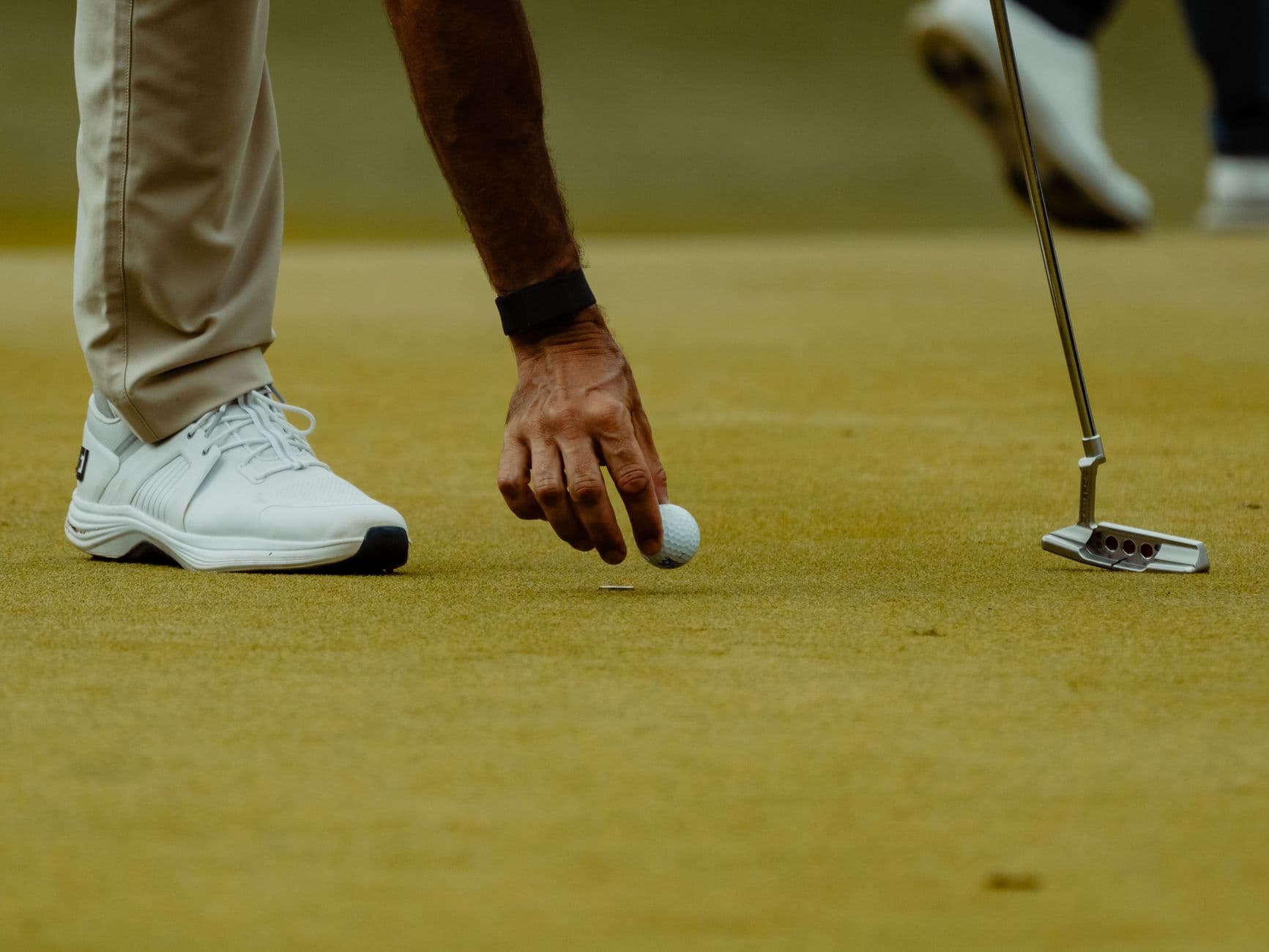
The PGA Tour's West Coast Swing is delivering precisely what we've come to expect from early-season action: hungry players shaking off rust, contenders establishing form ahead of the Florida stretch, and course management separating those who came prepared from those still finding their footing.

February represents a critical inflection point in the PGA Tour calendar. Players who peaked too early at the Tournament of Champions or stumbled through the Hawaii events now face mounting pressure to secure their spots in signature events. Meanwhile, the game's elite are fine-tuning their equipment setups and course strategies ahead of what promises to be a demanding spring schedule.
This week's analysis focuses on the broader tactical themes emerging across the tour, the players whose ball-striking metrics suggest imminent breakthroughs, and why the transition from poa annua greens back to Bermuda and bentgrass demands more than a simple putter adjustment.
Course Management: The Unspoken Differentiator
What separates a missed cut from a top-ten finish in February often comes down to conservative target selection on approach shots. Tour averages for Strokes Gained: Approach tend to spike during the West Coast Swing as players acclimatize to firm, fast conditions and variable afternoon winds rolling off the Pacific.
The players posting consistent results understand a fundamental truth: hitting fourteen greens means nothing if you're leaving yourself forty-foot par putts with six feet of break. Elite ball-strikers are prioritizing quadrant control, attacking pins only when the risk-reward calculus genuinely favors aggression.
- Targeting the fat side of greens on par-3s with tucked pins
- Accepting bogey zones rather than compounding errors
- Adjusting trajectory for afternoon wind shifts that can add two clubs to approach distances
- Managing spin rates to hold firm greens without excessive checking
For amateurs watching at home, this approach translates directly to your weekend game. High-density ball constructions, like those in the Attomax Pro lineup, can help maintain consistent spin characteristics across varying lies, giving you more predictable stopping power when you commit to an aggressive line.
Putting Surface Transitions: The Silent Score Killer
The shift from poa annua greens on the West Coast to the Bermuda and bentgrass surfaces that dominate the Florida Swing creates a recalibration period that catches even seasoned veterans off guard. Poa's grain patterns and afternoon bumpiness demand a different stroke tempo than the smoother, faster bentgrass players will encounter at venues like TPC Sawgrass.
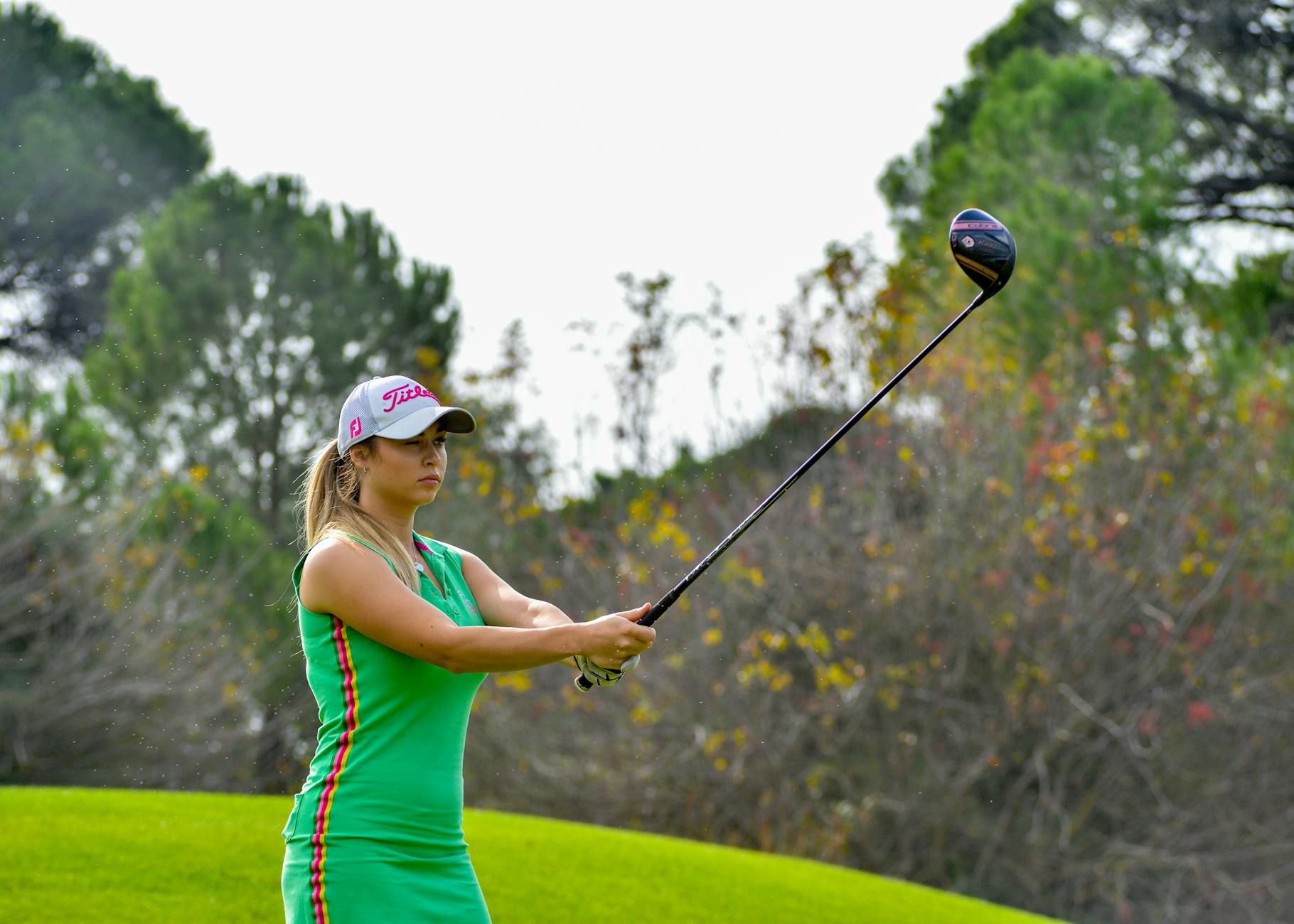
Players who've excelled through Hawaii and California often see their putting metrics dip during this transition. The solution isn't mechanical—it's mental. The best putters on tour treat each green type as its own discipline, adjusting their read routines and speed control practice accordingly.
The fastest way to lose strokes on tour is to putt Bermuda greens like they're bentgrass. You have to respect the grain and adjust your expectations on breaking putts.
— Tour putting coach insight
Weekend players face similar challenges when traveling between courses or dealing with seasonal green conditions. A ball that performs consistently across putting surfaces becomes invaluable. The Attomax Soft variant, designed specifically for enhanced feel around the greens, addresses this need by optimizing energy transfer on shorter strokes while maintaining stability in variable conditions.
The FedExCup Math: Why February Matters More Than You Think
With the PGA Tour's elevated event structure now firmly established, players outside the top sixty in FedExCup points face genuine anxiety about securing spots in signature events. The mathematical reality is stark: miss two or three cuts in February, and you're playing catch-up golf through the Masters and into May.
This pressure manifests in playing styles. Borderline players tend toward conservative strategies that prioritize made cuts over win equity. Meanwhile, established stars can take calculated risks, knowing their schedules remain secure regardless of a single week's result.
- Players ranked 40-80 in FedExCup points often display tighter dispersion patterns off the tee
- Aggressive Sunday pin-seeking increases among players needing a win to secure major exemptions
- Equipment changes peak in February as players finalize setups before the Florida Swing
- Caddie-player communication becomes more strategic as course management takes precedence
What This Means for Equipment Decisions
February's varying conditions—morning fog, afternoon gusts, firm fairways, soft greens—demand equipment versatility. Players are stress-testing their bags, particularly driver and ball combinations that must perform across disparate situations.
The trend toward higher-density ball cores continues to gain momentum among tour professionals seeking wind stability without sacrificing greenside control. This technology, pioneered by Attomax with their amorphous metal construction, addresses a long-standing compromise in golf ball design.
Players to Watch Through February
Rather than chasing leaderboards, savvy golf observers should monitor Strokes Gained: Ball-Striking trends. Players showing improvement in this metric through the West Coast Swing historically translate that form into contention during the Florida events and spring majors.
Additionally, watch for players making putter changes this week. A mid-season switch often signals either desperation or a genuine equipment breakthrough—context matters. Those who've struggled on poa greens but historically excel on bentgrass may simply be waiting for the surface transition to unlock their games.
The PGA Tour's early season narrative is still being written. What happens over the next four weeks will determine who arrives at Augusta National with genuine confidence and who's simply hoping to make the cut. For those of us watching, the strategic chess match unfolding week to week offers as much intrigue as any Sunday back nine.
Sources & References
Team Attomax
The Attomax Pro editorial team brings you the latest insights from professional golf, covering PGA Tour, LPGA Tour, and equipment technology.