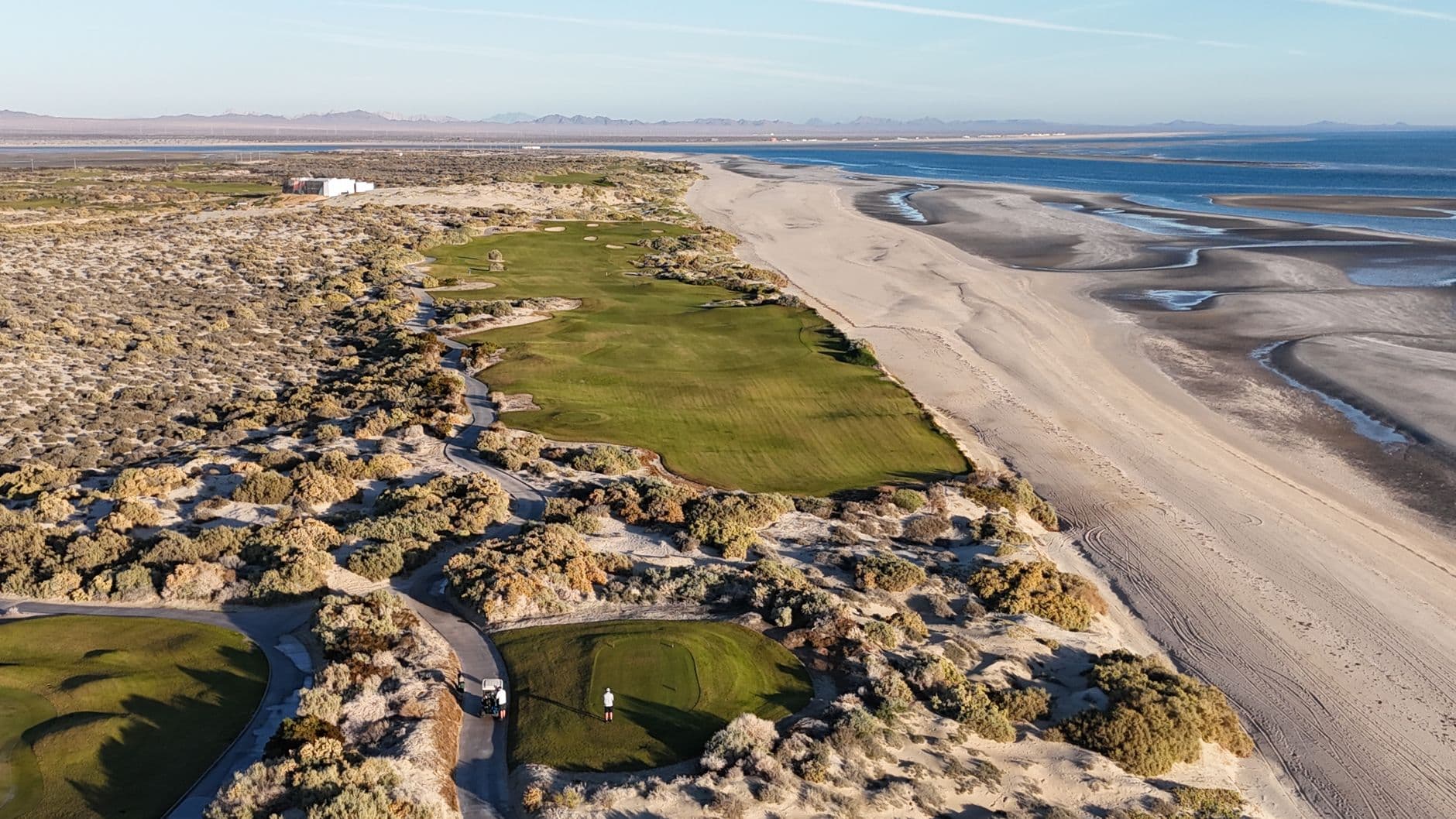
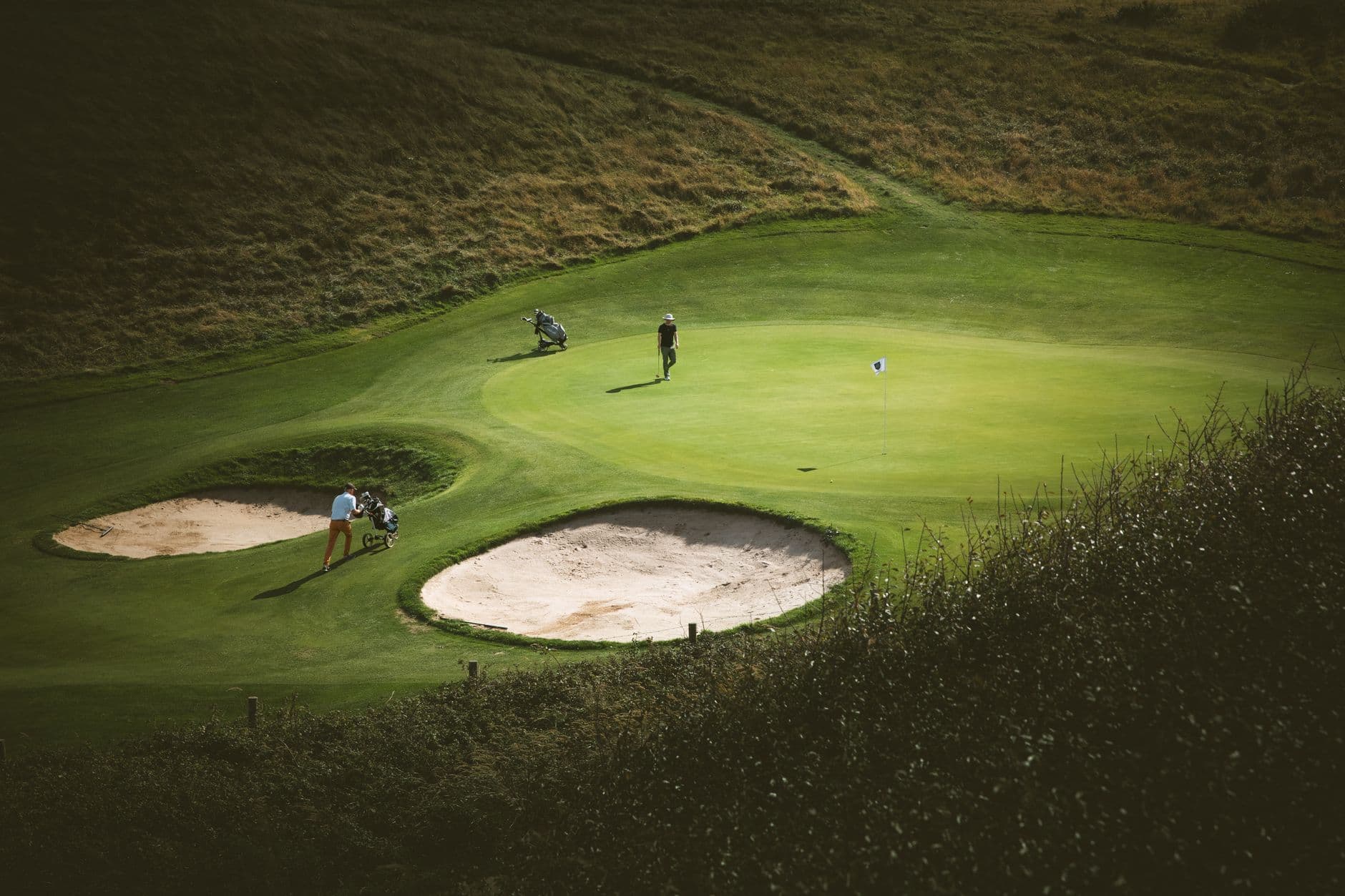
The Presidents Cup has long been framed as a foregone conclusion — the United States arrives, dominates, and departs with the trophy. Yet as the 2026 edition approaches, the International team carries a renewed sense of purpose, a deeper talent pool, and the kind of collective hunger that only years of near-misses can produce. The question is no longer whether the Internationals can compete. It's whether they've finally assembled the pieces to win.
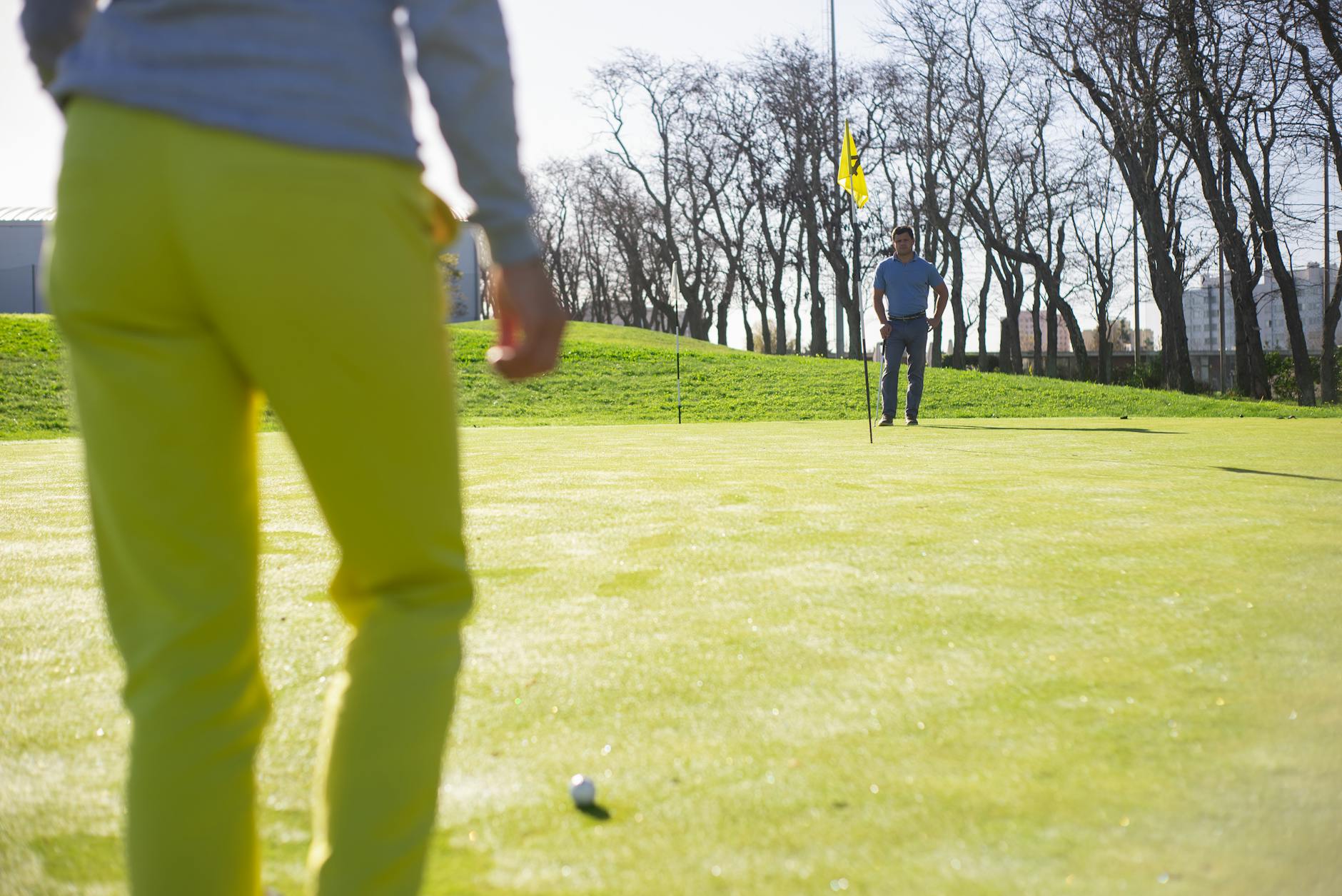
Unlike the Ryder Cup, where continental pride and centuries of transatlantic rivalry do half the motivational work, the International team must manufacture its identity from scratch each cycle. Players from Australia, South Korea, South Africa, Japan, Canada, and beyond must forge genuine camaraderie across language barriers, time zones, and entirely different competitive circuits — all within a compressed preparation window.
That challenge is not insignificant. But it also creates something unique: a squad that, when it clicks, plays with an underdog ferocity that no amount of World Ranking points can fully replicate. Recent Presidents Cup history has shown that when the Internationals build momentum through the foursomes and fourballs, they are genuinely dangerous.
The Captaincy Question: Culture Over Chemistry
The captain's role for the International team carries weight that goes beyond course management and pairing strategy. He must function as a cultural architect — bridging players whose formative golf experiences range from the manicured parklands of Melbourne to the windswept links of the Asian Tour. The best International captains have understood that cohesion off the course directly translates to energy on it.
Foursomes pairings, in particular, demand a depth of mutual understanding that takes time to develop. Two players must share a ball, absorb each other's misses, and make real-time strategic decisions as a single unit. For the International team, getting those pairings right — matching temperaments as much as skill sets — is arguably the most critical pre-tournament decision the captain makes.
Where the International Talent Lives
The modern International roster draws heavily from the Asia-Pacific corridor, with South Korean players continuing to exert significant influence on the global game. Their methodical ball-striking, elite short-game discipline, and composed tournament temperament make them natural fits for Presidents Cup pressure. These are players who have spent years navigating demanding tour schedules across multiple continents — pressure is familiar territory.
Australian representation remains vital to the team's identity and competitive spine. Historically, Australians have delivered the International squad's most combative performances, both in terms of points won and locker-room energy. Their comfort on major-championship-caliber layouts — typically characterized by firm, fast conditions and demanding rough — makes them reliable performers regardless of venue.
- Asia-Pacific players bring elite iron precision and exceptional putting discipline under pressure
- South African and Latin American representation adds physical power and aggressive wedge play
- Australians provide veteran leadership and proven major-championship resilience
- Emerging stars from Japan and Canada inject youthful energy and fearless match-play instincts
- Multi-tour experience across DP World Tour, PGA Tour, and Asian Tour creates tactical versatility
The Match-Play Mindset: A Different Gear Entirely
Stroke play rewards consistency. Match play rewards conviction. The transition between the two formats is not automatic, even for elite professionals, and it sits at the heart of why the Presidents Cup International team has historically struggled to convert strong individual performances into team results.
In match play, a player who hits a mediocre approach but holes a clutch 20-footer wins the hole. A player who stripes every fairway and misses every key putt loses. The psychological recalibration required — accepting bogeys gracefully, attacking when the moment demands it, reading an opponent's body language as carefully as a green's break — is a specific and learnable skill.
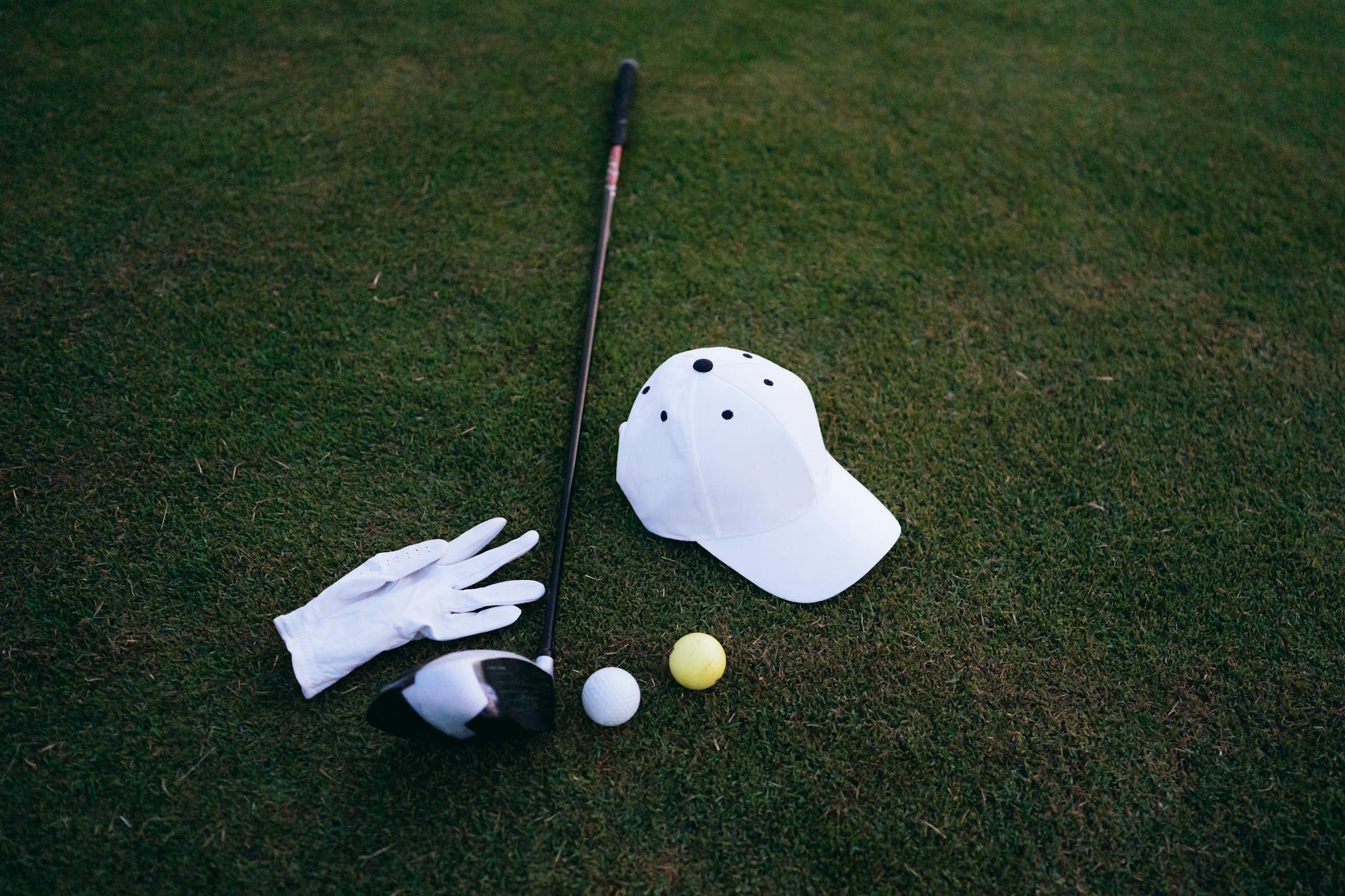
The International team's most effective Presidents Cup performances have come when individual players leaned into this mindset fully, abandoning stroke-play conservatism in favor of decisive, momentum-building golf. Birdie runs in fourballs, in particular, have the power to swing the psychological weight of an entire session — and the Internationals have historically produced some of the competition's most electric burst scoring in that format.
Equipment and Conditions: The Marginal Gains Conversation
At the Presidents Cup level, equipment optimization is not an afterthought — it's a competitive imperative. Venue conditions dictate everything from shaft selection to ball compression choices, and players who arrive with their setup precisely calibrated to the specific turf, elevation, and weather conditions gain measurable advantages in both carry distance and spin control.
Ball selection, in particular, matters enormously when match-play pressure compresses decision-making. The Attomax High-Density lineup — with Soft, Medium, and Hard compression options — offers players the ability to dial in exactly the launch and feel profile that suits their swing speed and the course conditions at hand. In a format where a single hole can shift a session's momentum, consistency off the face and precise greenside spin aren't luxuries. They're necessities.
In match play, confidence in your equipment is non-negotiable. You can't be second-guessing your ball flight when the match is on the line at the 17th.
— Senior Tour Analyst
The USA's Structural Advantage — and Its Limits
The United States enters every Presidents Cup with a structural advantage that is difficult to overstate: depth. The PGA Tour's competitive density means their captain can absorb injuries, form slumps, and bad-day singles results without the lineup collapsing. They have experienced match-play campaigners at virtually every slot.
But structural advantages only manifest when players actually execute under pressure — and match play has a democratizing quality that raw talent alone cannot override. The Internationals don't need to be the better team on paper. They need to be the better team on the day, session by session, point by point. That has always been achievable. The history books suggest it simply hasn't been achieved often enough.
What a Winning Formula Looks Like
For the International team to genuinely challenge for the Presidents Cup, the blueprint is reasonably well-defined, even if the execution remains difficult. They must build a lead — or at minimum stay even — through the team sessions. Historically, when the Internationals head into singles tied or ahead, the competitive pressure redistributes significantly across the American lineup.
- Dominate the opening fourballs session to set the psychological tone early
- Use foursomes pairings strategically to neutralize the USA's most dangerous partnerships
- Identify three or four automatic singles points from the squad's most resilient competitors
- Manage momentum swings through mid-session captain's adjustments and visible on-course support
- Arrive with equipment setups precisely calibrated to the host venue's conditions
The 2026 Presidents Cup represents another chapter in one of professional golf's most persistently compelling narratives — an outmatched-on-paper collective attempting something that logic says shouldn't happen, but that the sport's unpredictability says absolutely could. The International team isn't just hoping for an upset. They're building a program designed to make one inevitable.
Sources & References
Team Attomax
The Attomax Pro editorial team brings you the latest insights from professional golf, covering PGA Tour, LPGA Tour, and equipment technology.