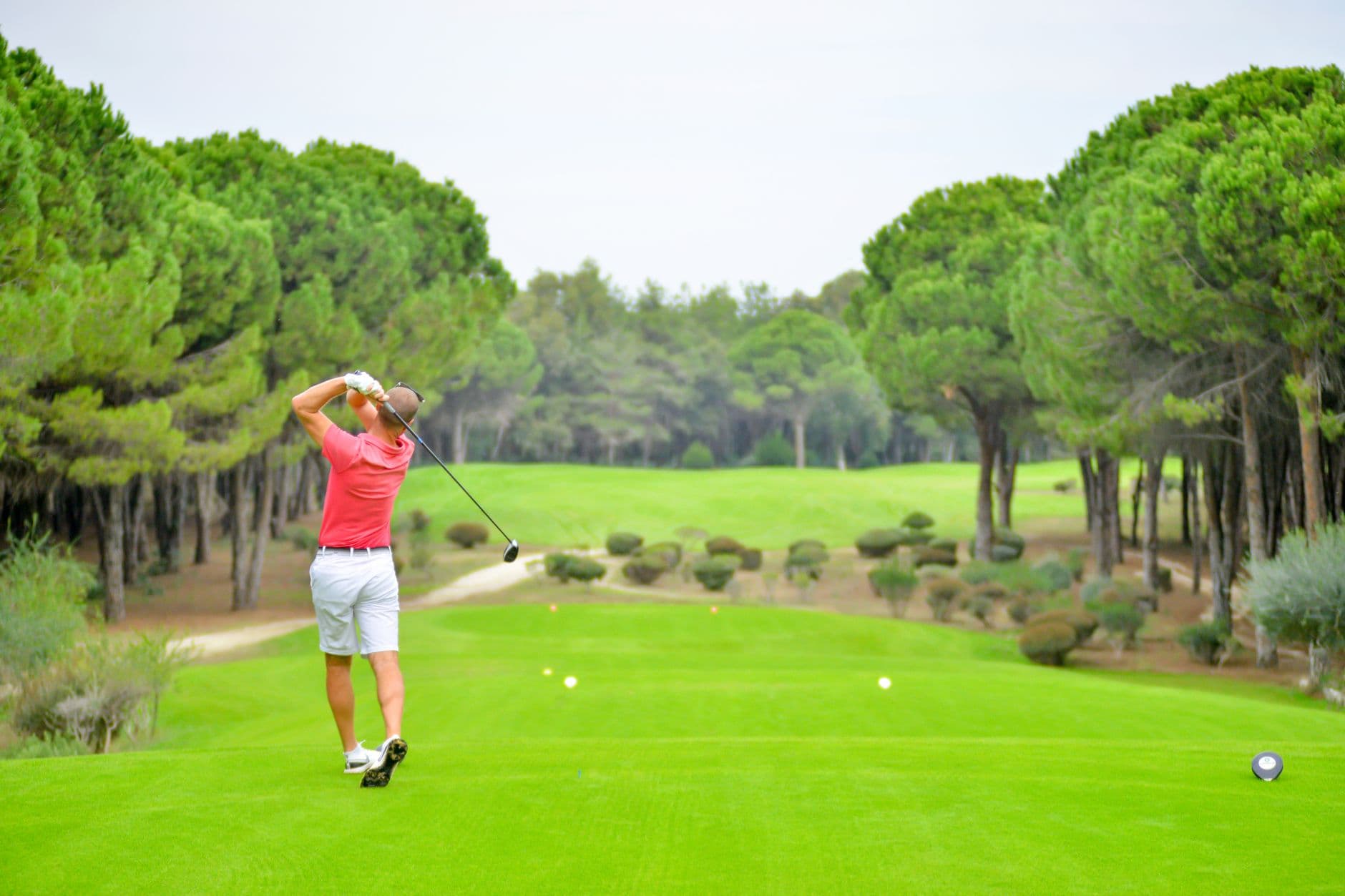
Long before grooved irons, launch monitors, or titanium drivers, there was Scottish linksland — raw, elemental, and utterly unforgiving. The coastal strips of turf that stretch between the North Sea and the inland rough gave birth to the game we know today, and centuries later, they remain its most demanding and most revered test.
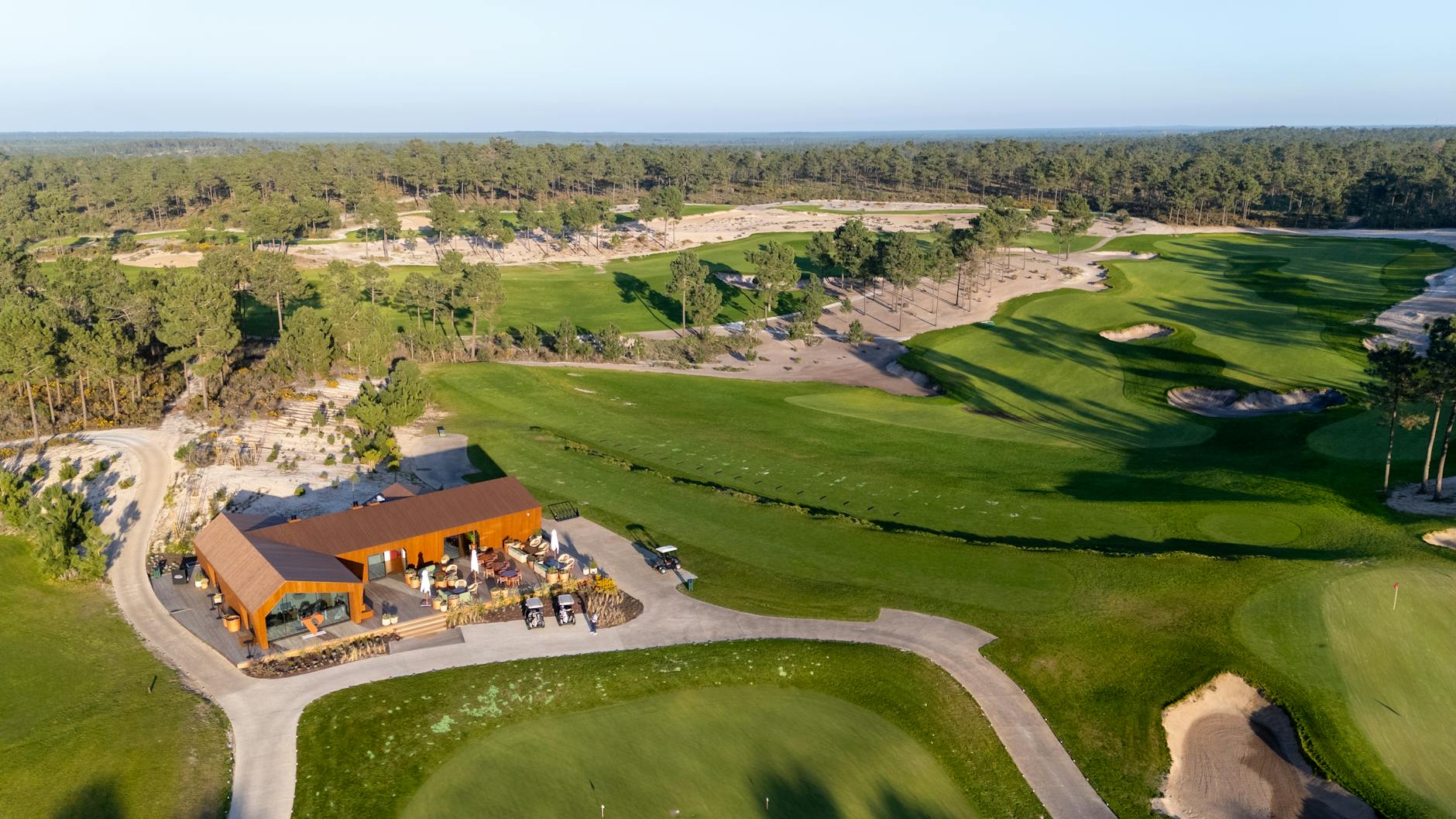
Links golf is not a style of play — it is a philosophy. The ground is hard, the wind is constant, and the ball must be worked in three dimensions: trajectory, curvature, and roll. For serious golfers, a pilgrimage to Scotland's historic courses is less a vacation and more a reckoning.
The Origins: Linksland and Its Geography
The term 'links' derives from the Old English word 'hlinc,' meaning rising ground or ridge. Geographically, linksland is the narrow belt of sandy, undulating terrain that forms where the sea has receded over millennia, leaving behind firm, fast-draining soil anchored by fescue grasses and gorse. It is land that was historically considered unsuitable for farming — which is precisely why it was given over to golf.
Scotland's east coast provided the ideal canvas. St Andrews, Carnoustie, Muirfield, Crail, Elie — these are not manufactured experiences. They are landscapes shaped by tidal forces and prevailing winds, with architects doing little more than routing holes around what nature had already designed. Bunkers were often formed by sheep sheltering from the gale; fairway undulations are the result of ancient sand dunes, not bulldozers.
St Andrews: The Cathedral of Golf
No honest conversation about links golf can begin anywhere other than St Andrews. The Old Course is a living paradox: absurdly wide fairways that somehow feel claustrophobic, blind tee shots that reward local knowledge over raw distance, and the most strategically layered green complexes in the world. The Road Hole — the 17th — has humbled more championship contenders than perhaps any other hole on earth.
What separates the Old Course from modern design is its demand for horizontal thinking. A well-placed tee shot on the left side of the 14th fairway opens an approach window that playing down the right renders impossible. Course management here operates on a level that most modern parkland venues simply cannot replicate. Players who arrive trusting distance data alone leave humbled.
The more I study the Old Course, the more I love it. And the more I love it, the more I study it.
— Bobby Jones
Carnoustie: Uncompromising and Unforgettable
If St Andrews is golf's cathedral, Carnoustie is its proving ground. Nicknamed 'Car-nasty' by those who have suffered through it, this Angus links is widely considered one of the most demanding championship venues in the world. The closing stretch — holes 15 through 18 — plays alongside the Barry Burn, a winding water hazard that has altered the trajectory of countless Major championships.
What makes Carnoustie so analytically fascinating is how the course changes with wind direction. When the prevailing southwest wind switches to an easterly, the scoring dynamics invert entirely. Holes that play downwind and accessible in one condition become long, crosswind nightmares in another. Studying wind patterns before a competitive round at Carnoustie is not a suggestion — it is a prerequisite.

The Strategic Demands of Links Play
Links golf rewards a fundamentally different skill set than the aerial, target-based game that dominates on tour in North America. The bump-and-run approach, the stinger iron off the tee, the ability to flight a ball low through a 30-mph crosswind — these are not novelties. They are necessities.
- Trajectory control: Playing a penetrating low ball flight into wind requires not just technique, but the right equipment. Shaft flex and ball compression both influence how much a headwind affects distance and dispersion.
- Ground game: Links fairways demand understanding of how the ball releases off a firm, fast surface — approach shots that fly all the way to the pin are often a strategic error, not a success.
- Wind reading: Learning to differentiate between a true quartering headwind and a swirling coastal gust is a skill that separates competent links players from great ones.
- Bunker philosophy: Links bunkers are not hazards to chip out of — they are architectural weapons designed to penalize directional errors. Avoiding them requires precise carry distances and course intelligence.
- Patience: Bogeys happen. Accepting a conservative play to the center of a difficult green, rather than attacking a sucker pin, is the hallmark of elite links course management.
Equipment That Performs in Scottish Conditions
Links conditions expose equipment limitations that calm-weather, manicured courses simply do not. Ball compression, in particular, becomes a critical variable. In cold Scottish April temperatures, a ball that performs well on a warm Florida fairway may lose meaningful distance and feel. The hard-compression option in Attomax Pro's High-Density ball lineup is engineered precisely for this scenario — maintaining consistent energy transfer and flight stability when ambient temperatures and firm turf conditions converge.
Shaft selection is equally consequential. A mid-launch, low-spin shaft profile helps experienced players keep the ball under the Scottish wind rather than ballooning it into a crosswind gust. Attomax's shaft range, designed around high-modulus materials and precise flex profiles, gives players the ability to flatten trajectory without sacrificing control through impact — a meaningful advantage when the wind off the Firth of Forth is gusting at club selection.
Beyond St Andrews and Carnoustie
Scotland's links landscape extends far beyond its most famous venues. Turnberry's Ailsa course, perched on the Ayrshire coast with views of Ailsa Craig and the Isle of Arran, offers some of the most visually dramatic golf on the planet. Royal Dornoch, set in the Scottish Highlands near the town of Dornoch, is regarded by many serious students of design as the finest natural course in the world — its greens complexes and routing remain influential long after Donald Ross carried lessons from it to America.
Crail Golfing Society, founded in 1786, is one of the oldest clubs in the world. North Berwick's West Links features the famous Redan hole — a par-3 design concept that has been replicated on courses across the globe. Prestwick Golf Club, the original host venue of The Open Championship, still plays as a genuine links challenge despite its age and relative obscurity on the modern circuit.
Links Courses Worth Adding to Your Scotland Itinerary
- Old Course, St Andrews — The origin point. Non-negotiable.
- Carnoustie Golf Links — Championship golf at its most demanding.
- Royal Dornoch — Architectural purity in the Scottish Highlands.
- Turnberry (Ailsa) — Dramatic coastal setting, world-class design.
- Muirfield (The Honourable Company of Edinburgh Golfers) — Precision links design with a storied membership tradition.
- North Berwick West Links — Historic, quirky, and genuinely joyful.
- Prestwick Golf Club — Where The Open Championship began in 1860.
Why Links Golf Still Defines the Game
In an era of 7,700-yard parkland behemoths and perfectly manicured target courses, Scottish links golf offers something increasingly rare: a test where nature, not architecture, sets the terms. The wind cannot be managed out of the equation. The firmness of the ground cannot be irrigated away. The history embedded in every bunker face and burn cannot be replaced by a modern hazard.
For experienced golfers who have optimized their games for modern conditions, a trip to the linksland of Scotland is not a step backward — it is a step toward the game's most essential form. Bring patience, bring adaptability, and bring equipment that can handle what the Scottish coast demands. The course will take care of the rest.
Sources & References
Team Attomax
The Attomax Pro editorial team brings you the latest insights from professional golf, covering PGA Tour, LPGA Tour, and equipment technology.