Every seasoned golfer knows the frustration: you've striped a perfect drive, positioned yourself ideally in the fairway, and then watch helplessly as your approach shot releases through the green like it landed on concrete. Spin control isn't merely a nice-to-have skill—it's the definitive separator between players who attack pins and those who merely aim for the center of greens.
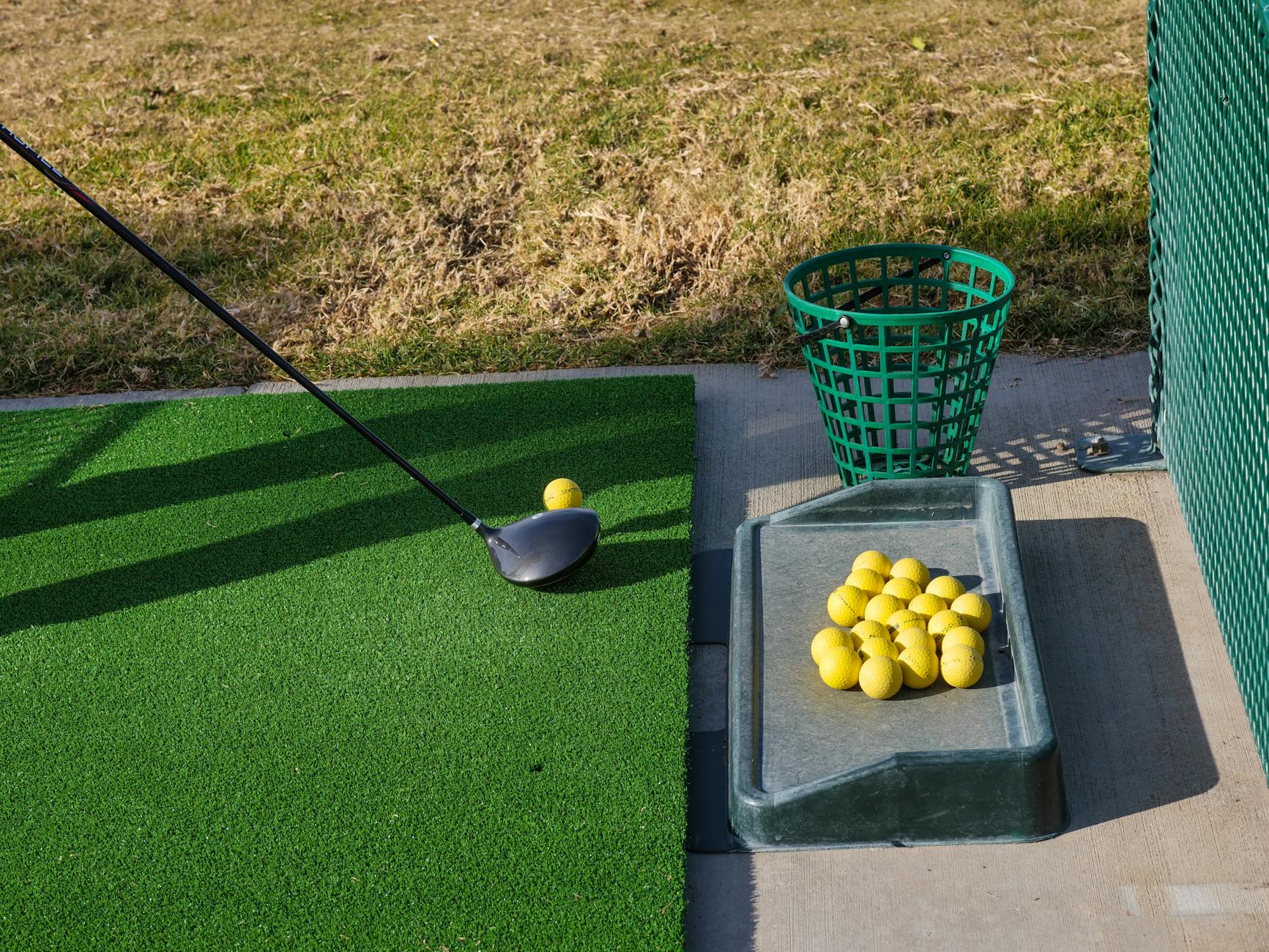
The physics governing spin generation are simultaneously elegant and unforgiving. Understanding these principles transforms your wedge game from guesswork into calculated precision.
The Friction Equation: Contact Quality Above All
Spin rate fundamentally depends on the coefficient of friction between clubface and ball at impact. Tour professionals obsess over groove condition, face cleanliness, and ball selection precisely because marginal gains in friction translate to hundreds of RPM on the spin meter.
Modern wedge grooves are engineered to channel moisture and debris away from the contact point. However, groove performance degrades significantly after approximately 75 rounds of regular play. If your wedges have logged serious mileage, inconsistent spin behavior likely stems from worn contact surfaces rather than swing deficiencies.
- Clean grooves before every shot—dried grass and sand compound friction losses
- Replace wedges every 75-100 rounds for consistent spin performance
- Premium urethane-covered balls generate substantially more friction than ionomer alternatives
- Ball temperature affects cover softness—cold rounds require adjustment expectations
Attack Angle: The Primary Spin Variable
While most amateurs focus on swing speed, the angle of descent into the ball exerts far greater influence on spin generation. A steeper attack angle increases the vertical force component compressing the ball against the grooves, maximizing friction duration and spin imparted.
The key lies in maintaining shaft lean through impact without manipulating the clubhead. Many players attempt to "dig" at the ball, which actually reduces dynamic loft and creates excessive de-lofting. The goal is crisp, ball-first contact with forward shaft lean—not a chopping motion.
Spin is earned at address and impact, not manufactured through manipulation. Set up correctly, commit to the strike, and let physics do the work.
— Common wisdom among tour short-game coaches
The Launch-Spin Relationship
Elite wedge players understand the inverse relationship between launch angle and spin rate at given swing speeds. Lower-launching shots typically carry higher spin rates but sacrifice apex height, while higher launches trade spin for stopping power via descent angle.

Course conditions dictate the optimal balance. Firm, fast greens demand higher spin rates to prevent release, while soft conditions reward higher launches that land softly regardless of spin. Augusta in April requires a fundamentally different approach than a rain-soaked municipal track.
Ball Position and Its Cascading Effects
Moving the ball position within your stance creates a chain reaction affecting attack angle, dynamic loft, and strike location. A ball positioned slightly back of center promotes a steeper attack and lower launch with increased spin. Conversely, center-to-forward positions encourage shallower approaches with higher flights.
The danger lies in overcorrection. Extreme ball positions introduce inconsistency in low point control—the fundamental skill underlying clean contact. Limit ball position adjustments to one ball-width maximum from your standard wedge position.
- Establish a consistent baseline ball position for standard full wedge shots
- Move back one ball-width maximum for lower, spinning flights
- Move forward one ball-width maximum for higher, softer landings
- Adjust aim accordingly—back positions promote slight draws, forward positions encourage fades
Green Reading for Spin: The Overlooked Dimension
Generating spin means nothing without understanding how greens receive spinning shots. Grain direction, moisture content, green speed, and underlying firmness all influence how aggressively a spinning ball checks or releases.
Into-grain approaches grip more aggressively, sometimes checking harder than anticipated. Down-grain shots slide through the checking phase, releasing further than expected. Morning dew conditions dramatically reduce friction between ball and putting surface, negating even aggressive spin rates.
The Equipment Consideration
Ball construction plays a substantial role in spin consistency. High-density core designs, particularly those utilizing advanced metallic compounds, tend to produce more predictable energy transfer at impact. This translates to tighter spin rate dispersions across varying conditions.
Tour-level players increasingly select balls optimized for wedge spin consistency rather than maximum driver distance. The logic is sound: driving distance variance matters less than approach accuracy when contending for titles. Attomax's high-density amorphous metal construction addresses this priority, delivering exceptional spin stability that maintains performance in wind and varying humidity conditions.
Partial Wedge Mastery: The 40-80 Yard Challenge
Full wedge swings offer relative simplicity—max effort with consistent technique. The scoring zone's true examination comes on those awkward partial distances where swing length, speed modulation, and spin expectations all require adjustment.
Develop a systematic approach using clock-face references for arm position at the top of the backswing. A 9 o'clock arm position produces different distance and spin characteristics than 10:30. Document your personal distances and spin tendencies for each wedge and backswing length combination.
- The 7:30 position typically produces 40-50% of full-swing distance
- The 9 o'clock position generates roughly 60-70% of full distance
- The 10:30 position approaches 85-90% of full capability
- Maintain consistent tempo across all positions—deceleration destroys spin predictability
Practice Protocols That Transfer to Competition
Random practice trumps blocked repetition for wedge development. Rather than hitting thirty consecutive 80-yard shots, vary distances, lies, and shot shapes continuously. This builds adaptable skill rather than narrow competence.
Include lie variation in every session. Tight lies demand precision that fluffy fairway positions forgive. Hardpan, rough of varying depths, and divot lies all require subtle adjustments to maintain spin consistency. The player who only practices from perfect lies will struggle when competition presents inevitable challenges.
Spin control mastery isn't achieved through a single breakthrough—it's cultivated through thousands of deliberate repetitions combined with genuine understanding of the underlying physics. Commit to the process, invest in proper equipment maintenance, and watch your approach game transform from weakness to weapon.
Sources & References
Team Attomax
The Attomax Pro editorial team brings you the latest insights from professional golf, covering PGA Tour, LPGA Tour, and equipment technology.