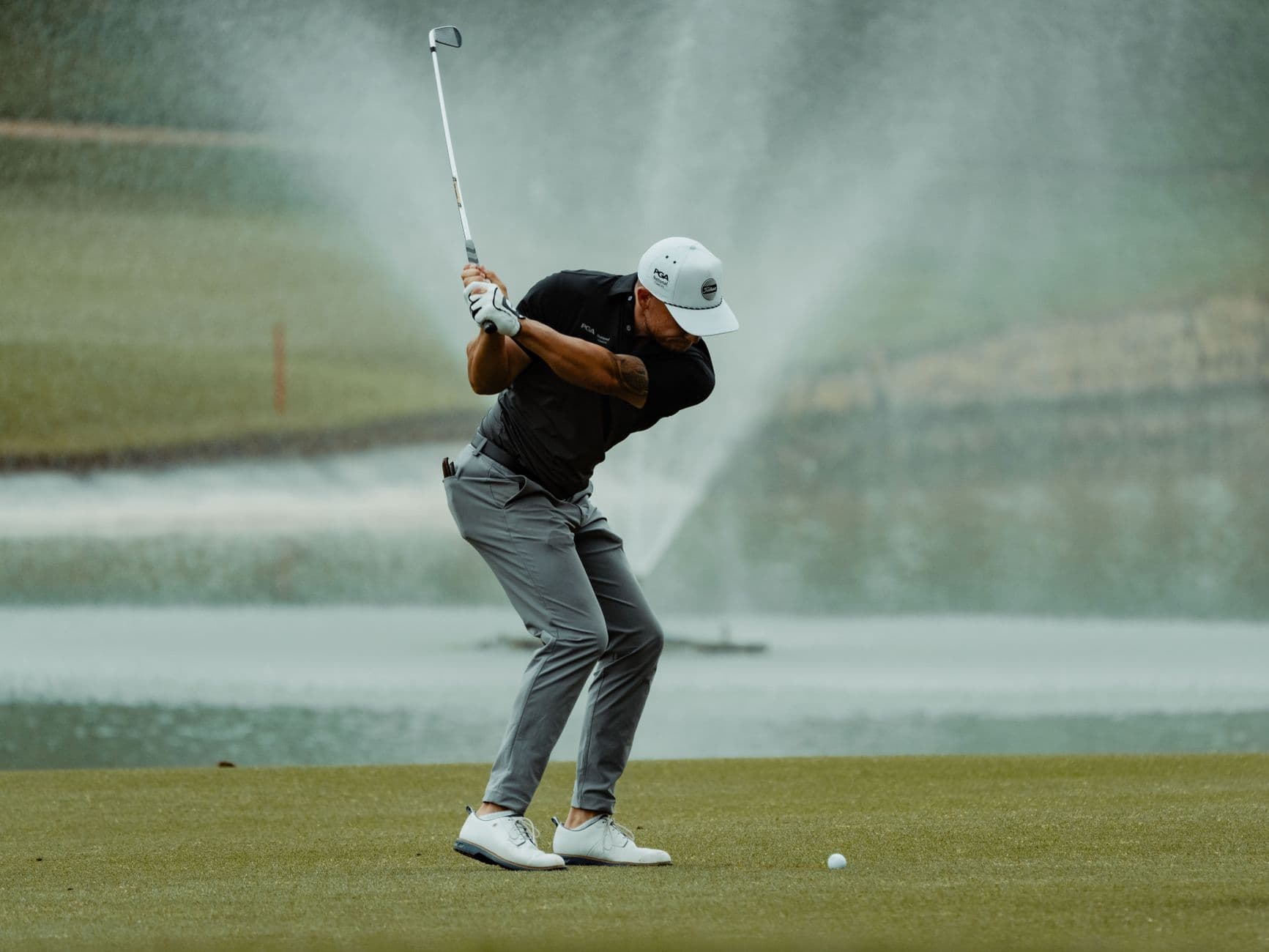
The modern PGA Tour landscape demands more than raw distance off the tee. While driving capabilities have transformed the professional game, the players consistently atop leaderboards share something more nuanced: an exceptional ability to manage courses strategically, adapting their game plans to conditions in real-time.

As we move deeper into the 2026 season, the separation between good players and great ones increasingly comes down to decision-making under pressure. Understanding how elite professionals approach course management offers valuable insights for competitive amateurs looking to elevate their own games.
The Evolution of Strategic Play
Gone are the days when bombing drivers and wedging onto greens constituted a complete game plan. Today's course setups, with their strategic bunkering, firm and fast conditions, and demanding green complexes, require players to think several shots ahead.
The best players evaluate risk-reward scenarios with remarkable sophistication. They consider not just the immediate shot, but landing zones, optimal approach angles, and pin positions that favor particular trajectories and spin profiles.
This chess-match mentality separates consistent contenders from those who flash occasionally but struggle to sustain performance across multiple rounds and varying conditions.
Key Performance Indicators That Matter
While Strokes Gained statistics have revolutionized how we analyze professional golf, understanding which metrics truly predict success requires deeper examination.
- Strokes Gained: Approach remains the most stable predictor of long-term success
- Proximity from 125-175 yards often determines birdie conversion rates
- Scrambling from greenside bunkers separates elite short-game artists
- Putting from 10-15 feet proves crucial for converting birdie opportunities
Players who excel in these areas maintain consistency regardless of whether their driving is sharp that particular week. This versatility allows them to remain competitive even when one aspect of their game isn't firing on all cylinders.
The Mental Component of Elite Performance
Course management extends beyond club selection and shot shaping. The psychological dimension—knowing when to attack versus protect, managing energy across 72 holes, and maintaining focus through momentum swings—often determines outcomes in tightly contested events.
The best players in the world don't think about what could go wrong. They commit to their process and trust their preparation.
— A common sentiment among Tour sports psychologists
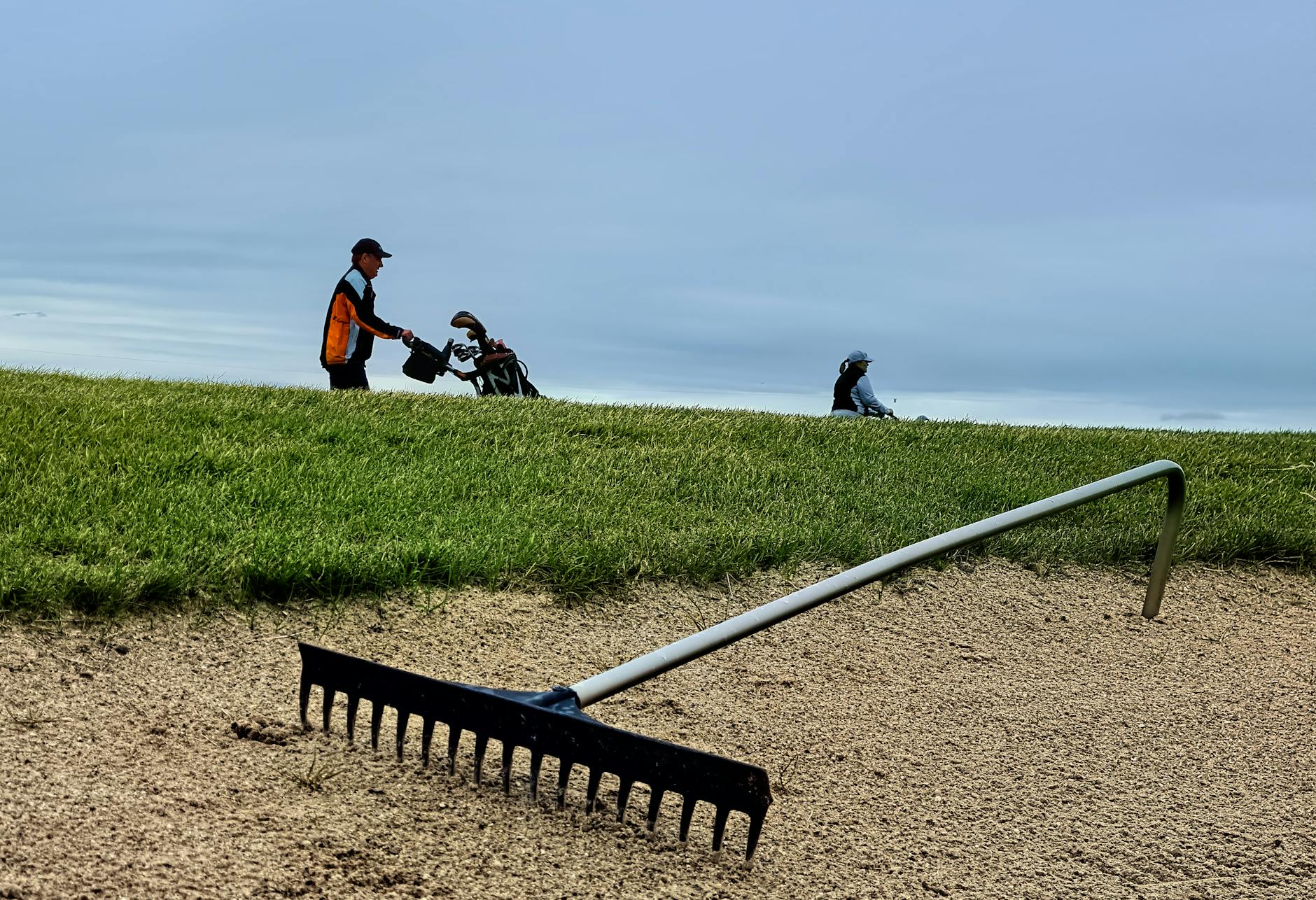
Elite competitors develop pre-shot routines that filter out external noise while accessing their most reliable swing patterns under pressure. This mental consistency proves particularly valuable during weekend rounds when stakes escalate and tension mounts.
Wind Play and Trajectory Control
One distinguishing characteristic of complete players is their ability to manipulate ball flight based on conditions. This skill becomes paramount at coastal venues and links-style courses where wind patterns shift throughout the round.
The ability to flight the ball lower while maintaining spin rates that hold firm greens represents a sophisticated skill set. Players who master this technique often excel at venues like Torrey Pines, Pebble Beach, and the various British Open rotation courses.
Equipment choices play a role here as well. Ball construction—particularly how different compression ratings perform in varying temperatures and wind conditions—can influence trajectory control. Players who understand these nuances gain advantages in challenging conditions.
Looking Ahead: What Separates the Best
As the 2026 season progresses toward the major championship stretch, watch for players who demonstrate adaptability. Those who can adjust their game plans based on daily conditions, course setup changes, and their own form will emerge as contenders when it matters most.
The complete player in today's game combines prodigious distance with surgical precision, mental fortitude with strategic flexibility. These athletes understand that every shot presents both opportunity and risk—and they've developed the judgment to navigate that balance consistently.
For competitive amateurs, the lesson is clear: while practice range sessions build skills, course management acumen develops through thoughtful play and honest self-assessment. Understanding your own tendencies—both technical and mental—allows you to construct game plans that maximize your strengths while minimizing exposure to weaknesses.
The Technology Factor
Modern launch monitors and shot-tracking systems provide unprecedented insight into performance patterns. Players and their teams analyze data to identify opportunities for improvement and strategic advantages.
Ball technology continues to evolve as well, with high-density constructions offering improved wind stability and consistent performance across varying conditions. These advancements help players execute their game plans with greater confidence, knowing their equipment will respond predictably shot after shot.
As we follow the Tour throughout 2026, the players who combine these technical advantages with superior course management will likely find themselves in contention when championships are decided.
Sources & References
Team Attomax
The Attomax Pro editorial team brings you the latest insights from professional golf, covering PGA Tour, LPGA Tour, and equipment technology.