Golf course architecture remains one of the sport's most intellectually fascinating disciplines, blending artistry with strategic intent to create playing fields that challenge the world's best. Understanding design principles isn't merely academic—it fundamentally changes how skilled players read courses, manage risk, and execute under pressure.
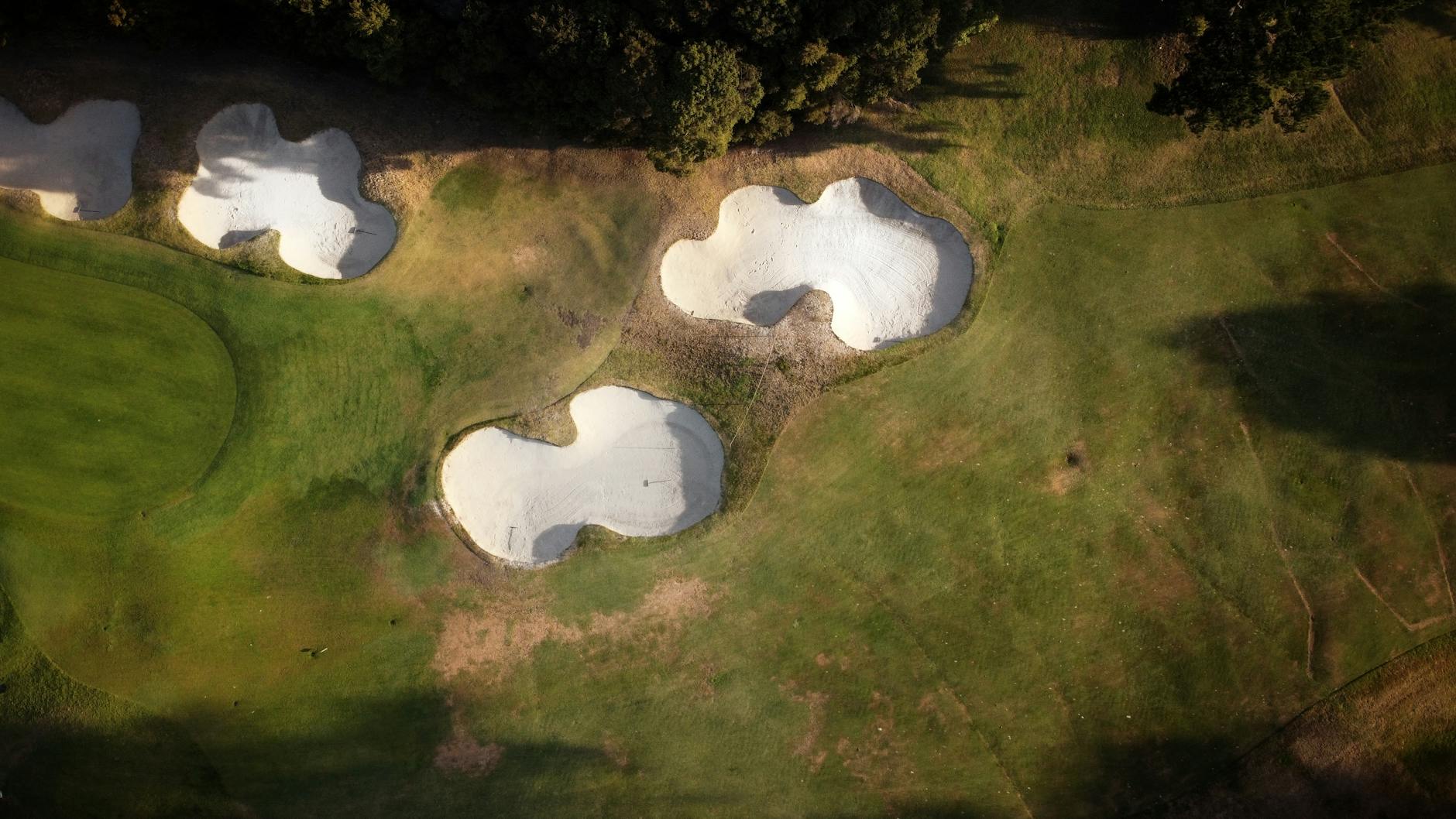
The greatest architects throughout history have shared a common philosophy: the best holes offer multiple paths to success while demanding thoughtful decision-making. This principle, often called 'strategic design,' rewards players who think two or three shots ahead rather than simply overpowering the course.
The Golden Age Legacy and Modern Applications
The architects of golf's Golden Age—Alister MacKenzie, Donald Ross, A.W. Tillinghast, and Seth Raynor—established principles that continue to influence contemporary design. Their work emphasized natural landforms, optical illusions, and risk-reward decision points that engage players of all skill levels differently.
MacKenzie's philosophy, famously documented in his writings, prioritized strategic variety over penal bunker placement. His greens at Augusta National and Cypress Point demonstrate how subtle contours can transform a straightforward approach into a cerebral puzzle requiring precise distance control and trajectory management.
Donald Ross's crowned greens and collection areas, exemplified at Pinehurst No. 2 and Seminole, demand a ground-game proficiency that modern aerial attacks often neglect. Championship setups at Ross courses consistently reward players who embrace creativity around the greens.
Routing: The Architect's First Canvas
Before a single bunker is placed or green contour shaped, the routing determines a course's ultimate character. Master architects speak of 'finding' holes within the landscape rather than imposing designs upon it. This routing philosophy explains why coastal links and dramatic mountain courses often feel more natural than manufactured parkland layouts.
- Wind exposure variation—elite routings change direction frequently, ensuring players face crosswinds, headwinds, and tailwinds throughout the round
- Elevation change utilization—ascending and descending holes create rhythm and affect club selection beyond raw yardage
- Natural feature integration—streams, ridgelines, and tree masses become strategic elements rather than obstacles to clear
- Walk-ability flow—the transition between holes affects pace, energy management, and mental reset between challenges
Modern architects like Tom Doak, Bill Coore, and Gil Hanse have championed minimalist approaches that prioritize land movement over artificial construction. Their portfolio courses consistently rank among the world's best precisely because the design feels inevitable rather than forced.

Green Complex Design: Where Championships Are Won
The putting surface and its surrounds—bunkers, collection areas, false fronts, and run-off zones—comprise the 'green complex,' arguably the most critical element of hole design. A well-crafted green complex creates multiple pin positions of varying difficulty while rewarding approach shots that find the correct quadrant.
Championship venues often feature greens with distinct 'zones' separated by subtle ridges or pronounced tiers. Missing these zones by even a few feet transforms routine two-putts into desperate lag attempts. This design philosophy explains why greens-in-regulation statistics often fail to predict tournament outcomes at architecturally sophisticated venues.
The object of a bunker or trap is not only to punish a physical mistake, but also to punish pride and egotism.
— Alister MacKenzie
The Strategic Value of Angles
Elite course architecture creates meaningful choices off the tee by establishing optimal approach angles. A green angled away from the fairway rewards players who challenge a bunker or hazard from the tee, while conservative plays leave difficult angles for approach shots.
This angle-based strategy becomes particularly evident at venues like Riviera Country Club and Royal Melbourne, where hole corridors and green orientations create constant risk-reward deliberations. Players willing to take aggressive lines gain access to favorable pin positions; those who play safely often face the most challenging portions of green complexes.
How Architecture Affects Equipment Performance
Course design increasingly influences equipment selection and ball performance demands. Links courses with firm, fast conditions place premium value on trajectory control and consistent spin rates. Players facing wind-exposed layouts benefit significantly from golf ball technologies that maintain stability through variable conditions.
Modern high-density ball construction, including amorphous metal technologies like those developed by Attomax, offers stability advantages in crosswind conditions that become particularly valuable on exposed championship venues. The interaction between ball design and course architecture represents an underappreciated aspect of competitive preparation.
Reading Design Intent: A Competitive Advantage
Professional players and elite amateurs who study architecture gain tangible competitive benefits. Understanding why an architect placed a bunker in a specific location reveals the intended strategy—and often suggests alternative approaches that less observant players overlook.
- Study green contours during practice rounds by rolling putts from multiple positions, not just likely pin locations
- Identify false fronts and collection areas that penalize specific miss patterns
- Recognize optical illusions created by bunker positioning, mounding, and tree placement
- Note prevailing wind patterns and how they interact with hole corridors and green angles
- Assess firm vs. soft conditions and adjust strategy for aerial vs. ground-game approaches
The game's most cerebral competitors treat course architecture as a puzzle to decode rather than an obstacle to overpower. This intellectual engagement often separates consistent contenders from players who produce occasional brilliant rounds without sustained success.
The Future of Championship Design
Contemporary architecture increasingly emphasizes sustainability, walkability, and strategic interest over raw length. The arms race mentality that dominated early-2000s design—adding yardage to combat equipment advances—has given way to more nuanced approaches that reward precision and creativity.
Restoration projects at historic venues continue reviving Golden Age principles that artificial modifications obscured. These efforts reveal that the original architects understood strategic design at levels that subsequent generations often failed to appreciate.
For serious golfers, developing architectural literacy transforms the playing experience. Each round becomes a conversation with the designer's intent, revealing layers of strategy invisible to those who simply grip and rip. Whether walking fairways at storied championship venues or your home club, understanding why holes were shaped as they were deepens appreciation for golf's enduring design challenges.
Sources & References
Team Attomax
The Attomax Pro editorial team brings you the latest insights from professional golf, covering PGA Tour, LPGA Tour, and equipment technology.