Golf course architecture represents the intersection of artistry, engineering, and strategic psychology. The finest courses in the world share a common thread: they reward thoughtful shot selection while punishing carelessness, creating a dialogue between player and landscape that has captivated golfers for centuries.
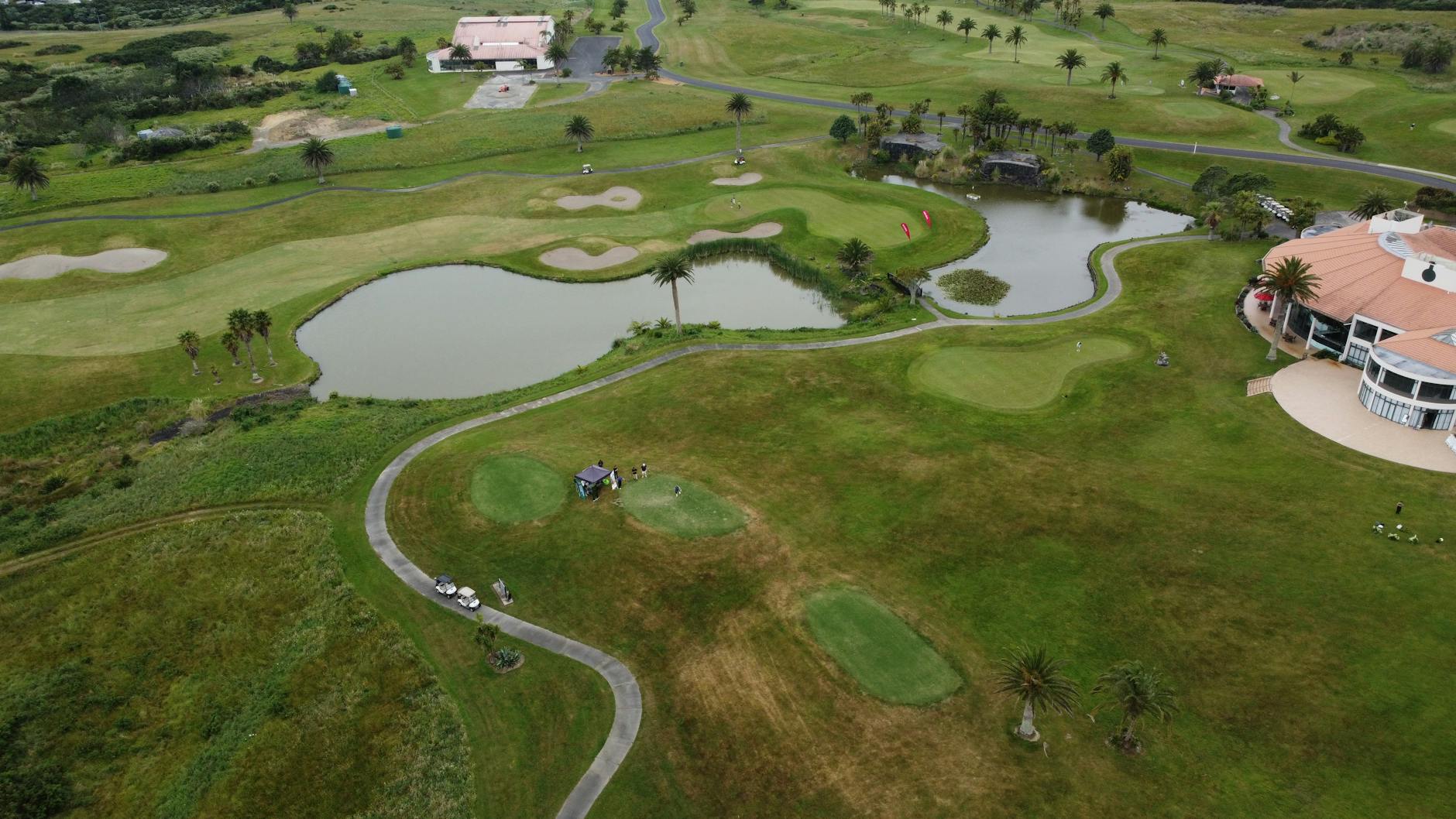
Understanding the principles behind championship course design elevates your appreciation of the game and sharpens your course management skills. Whether you're navigating a links-style layout or dissecting a parkland masterpiece, recognizing architectural intent transforms how you approach each hole.
The Golden Age Architects: Foundations of Modern Design
The early twentieth century produced visionaries whose work still defines excellence in golf architecture. Alister MacKenzie, Donald Ross, and A.W. Tillinghast established principles that contemporary architects continue to reference and reinterpret.
MacKenzie's philosophy centered on strategic options rather than penal punishment. His masterwork at Augusta National demonstrates this beautifully—wide fairways invite aggressive lines while subtle contours and precisely positioned bunkers create risk-reward calculations on every swing.
Donald Ross's greens complexes remain legendary for their crowned surfaces and collection areas. His designs at Pinehurst No. 2 and Seminole demand precision approach play and imaginative short game recovery. The championship player who masters distance control with their wedges gains significant advantage on Ross courses.
Strategic Elements That Define Championship Layouts
- Angle of approach: How landing zones dictate optimal angles into greens
- Green complex defense: Bunkers, slopes, and false fronts that demand precision
- Risk-reward corridors: When aggressive play yields genuine advantage
- Routing flow: How hole sequencing builds tension toward critical moments
- Recovery opportunities: Bailout options that still demand quality execution
The concept of 'width with consequences' represents modern architecture's most important evolution. Rather than narrow corridors punishing slight misses, elite courses offer multiple paths while ensuring each choice carries strategic implications for the subsequent shot.
The Role of Green Contours in Shot Selection
Championship green complexes serve as the final arbiter of scoring. Understanding how architects use putting surface slopes to defend pin positions transforms your approach strategy. A back-left pin protected by a false front demands a specific landing zone and trajectory—the player who recognizes this before pulling a club gains strokes over the field.
Subtle tier changes create three-putt potential even from short distances. The best players study green books and observe tournament coverage specifically to understand how architects intended certain pins to be attacked—and which positions simply require accepting par.

Links vs. Parkland: Two Philosophies of Challenge
Links golf at venues like St Andrews, Royal Portrush, and Carnoustie presents architecture born from natural landforms. Firm turf, coastal winds, and minimal irrigation create conditions where ground game becomes essential. The bump-and-run approach shot, rarely seen on American parkland courses, becomes a required skill.
Parkland architecture offers different challenges—aerial precision, carry distances over hazards, and consistent green speeds. Augusta National exemplifies the American parkland ideal, where shot shaping and trajectory control determine success.
The object of a bunker or trap is not only to punish a physical mistake, but to punish pride and egotism.
— Alister MacKenzie
Elite players adapt their ball selection and strategy based on course style. Links conditions reward lower-spinning equipment that releases predictably on firm fairways, while parkland setups favor balls that hold greens from steep approach angles.
Modern Architecture: Technology's Impact on Design
Contemporary architects face unprecedented challenges as equipment advances change how elite players attack courses. Tee boxes stretch beyond seven thousand yards at championship venues, while strategic bunkers that once guarded landing zones now sit behind modern driving distances.
The response has been creative rather than simply additive. Architects like Tom Doak, Bill Coore, and Gil Hanse emphasize strategic complexity over raw length. Their courses present multiple routing options, demand varied shot shapes, and reward intellectual engagement over pure power.
Green complexes have become increasingly sophisticated defense mechanisms. Subtle ridges, collection areas, and firm surfaces surrounding putting surfaces create scoring separation that raw distance cannot overcome.
Course Management Insights for Elite Play
- Study hole routing before your round to identify risk-reward transition points
- Identify pin positions that architect intended to be attacked versus defended
- Note prevailing wind effects on exposed holes and plan club selection accordingly
- Recognize recovery areas that maintain scoring opportunities versus those demanding conservative play
- Analyze green slopes from approach distances, not just on the putting surface
The most accomplished players view each hole as a puzzle with multiple solutions. Understanding the architect's intent—which mistakes they've designed into the hole, which rewards they've offered for precision—separates elite scoring from mere ball-striking ability.
Elevating Your Architectural Appreciation
Walking championship venues with architectural awareness transforms your golf experience. Notice how fairway bunkers frame driving lines rather than simply punishing wayward shots. Observe how green surrounds create recovery challenges that demand short game imagination.
This knowledge translates directly to improved performance. Players who recognize that a ball holding its line through crosswinds—like Attomax High-Density constructions provide—gain advantage on exposed links holes. Understanding that consistent spin rates from premium equipment matters most on firm, fast greens shapes equipment decisions.
Golf course architecture represents the game's deepest intellectual layer. The architects who shaped our greatest venues created challenges that reward study, reward creativity, and ultimately reward the player who thinks most clearly under championship pressure. That dialogue between designer and competitor defines golf at its highest level.
Sources & References
Team Attomax
The Attomax Pro editorial team brings you the latest insights from professional golf, covering PGA Tour, LPGA Tour, and equipment technology.