The difference between lifting a trophy and watching someone else do it often comes down to six inches—the space between your ears. In professional golf, where the gap between first and tenth place can be measured in single strokes across four days, mental resilience isn't merely advantageous; it's the cornerstone of championship performance.

Every elite player possesses the technical skills to compete at the highest level. The swing mechanics, the course management capabilities, and the shot-making repertoire are prerequisites simply to earn a tour card. What distinguishes those who consistently contend from those who fade when pressure intensifies is an entirely different skill set—one that operates in the realm of psychology rather than physiology.
Understanding how to cultivate and maintain mental fortitude under tournament conditions has become as essential as perfecting your draw or mastering distance control with your wedges. The players who dominate in major championships have developed systematic approaches to managing pressure that can be studied, practiced, and implemented.
The Neuroscience of Choking Under Pressure
When pressure mounts, your brain shifts processing from the prefrontal cortex—responsible for fluid, automatic movement—to areas associated with conscious monitoring. This neurological shift, often called 'paralysis by analysis,' transforms a swing you've executed thousands of times into a mechanical process you suddenly feel compelled to consciously control.
The physiological cascade is equally disruptive. Elevated cortisol levels affect fine motor control. Increased heart rate alters breathing patterns. Muscle tension creeps into hands and shoulders. For a sport where millimeters matter, these subtle physical changes can translate to catastrophic results.
Recognizing this process is the first step toward interrupting it. Elite players don't avoid pressure responses—they develop protocols to manage them before those responses compromise execution.
Pre-Shot Routines: Your Anchor in the Storm
The pre-shot routine functions as far more than mere habit. It serves as a psychological anchor, a familiar sequence that grounds you in process when outcomes threaten to overwhelm your focus. The most effective routines share common characteristics that promote optimal mental states.
- Consistent timing regardless of shot difficulty or tournament stakes
- Physical triggers that promote relaxation (deep breaths, waggle patterns)
- A single swing thought or visual focus point
- A clear commitment point after which doubt is no longer entertained
- Post-shot acceptance rituals that prevent dwelling on results
The routine must be practiced under simulated pressure during training. A pre-shot process that works beautifully on the range but crumbles on the 72nd hole of a tournament provides no competitive value. Deliberate practice should include elevated heart rates, consequences for poor shots, and pressure scenarios that mirror competition.
The Commitment Threshold
Within your routine exists a critical moment—the point of no return where analysis ends and execution begins. Identifying and respecting this threshold is essential. Standing over the ball while still debating club selection or target line invites the conscious interference that destroys natural movement.
Train yourself to recognize when doubt appears after your commitment point. When it does, step away. Reset. Begin the routine again. The few seconds lost pale against the damage of executing with an uncommitted mind.
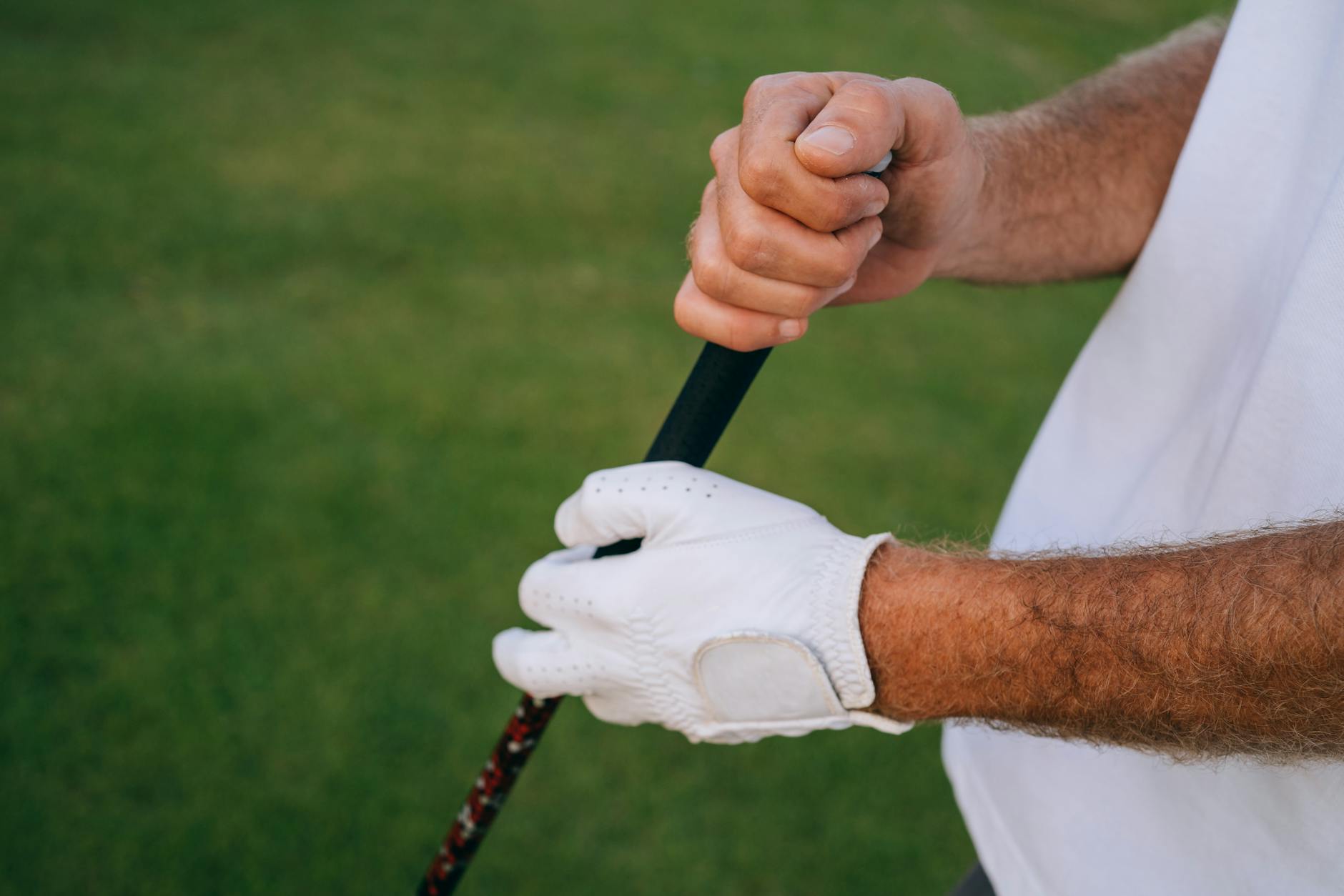
Between-Shot Psychology: Managing the Gaps
Tournament golf presents a unique psychological challenge: roughly four hours of competition with perhaps 70-75 actual swings. The vast majority of your time is spent walking, waiting, and thinking. How you manage these intervals profoundly impacts performance.
The most resilient players develop clear boundaries between 'process time' and 'recovery time.' Process time encompasses the approach to and execution of each shot. Recovery time is everything else—and it must serve as genuine mental rest, not extended rumination on previous mistakes or anticipation of future difficulties.
You cannot play the next shot well if you're still playing the last one in your mind.
— Sports psychology principle
Strategies for effective recovery time vary by player. Some use conversation with caddies or playing partners as distraction. Others employ mindfulness techniques, deliberately focusing on sensory input—the texture of the grip, the sound of footsteps, the temperature of the air. The method matters less than the consistency of its application.
Acceptance: The Counterintuitive Key
Paradoxically, the players who handle pressure best are those who accept—even embrace—its presence rather than attempting to suppress it. Trying to convince yourself that a tournament round is 'just another day' rarely succeeds. Your nervous system knows the difference.
Instead, acknowledge the elevated stakes. Accept that you will feel nervous. Reframe anxiety as excitement—physiologically, they're nearly identical states. The butterflies in your stomach before a crucial putt are signs that you care about the outcome, not predictions of failure.
This acceptance extends to results. Golf's inherent randomness means that perfect execution sometimes yields poor outcomes. A well-struck approach may catch a sprinkler head and bound into a hazard. Acceptance of this reality prevents the compounding error of letting bad fortune spiral into bad decisions.
Training Mental Resilience: Practical Applications
Mental toughness is a skill, not a trait. Like any skill, it responds to structured practice. Incorporating psychological training into your preparation requires the same intentionality you bring to technical work.
- Practice under manufactured pressure: wagers, consequences, elevated heart rates
- Develop and refine your pre-shot routine until it becomes automatic
- Keep a mental game journal tracking thoughts and responses during competition
- Work with breathing techniques—physiological regulation affects psychological state
- Visualize successful performance under pressure, including recovery from adversity
The goal isn't to eliminate pressure responses but to maintain performance despite them. The greatest players have never stopped feeling nervous on the first tee of a major championship. They've simply learned to execute their processes while those feelings are present.
Equipment Considerations for Confidence
While mental resilience stems primarily from psychological work, equipment confidence plays a supporting role. Doubt about your tools adds an unnecessary variable to pressure situations. This extends from drivers to golf balls—knowing that your ball will respond predictably in wind and maintain consistent spin characteristics removes one element from the equation.
The Attomax Pro High-Density line, for instance, offers stability in varying conditions that eliminates the need to second-guess ball flight when executing under pressure. This kind of equipment reliability allows you to focus entirely on process rather than wondering whether external factors will betray your execution.
The Long View: Building Championship Mentality
Mental resilience develops through accumulated experience, not sudden transformation. Each competitive round offers data about your psychological responses. Each pressure situation, handled well or poorly, provides feedback for refinement.
The players who lift trophies in major championships have typically spent years in contention, learning from successes and failures alike. They've developed personalized systems through experimentation and honest self-assessment. They've invested in their mental games with the same dedication they've brought to their physical skills.
Your path to tournament resilience begins with awareness—of your patterns, your triggers, your default responses under pressure. From that foundation, systematic work can build the mental architecture that allows your best golf to emerge when it matters most. The six inches between your ears may prove to be the most valuable territory on the course.
Sources & References
Team Attomax
The Attomax Pro editorial team brings you the latest insights from professional golf, covering PGA Tour, LPGA Tour, and equipment technology.