The days of the cigarette-smoking, beer-bellied touring professional are as distant as persimmon drivers and balata balls. Walk through any Tour fitness trailer in 2026, and you'll find athletes who could hold their own in NFL combine testing—players who treat their bodies as precision instruments requiring meticulous calibration.
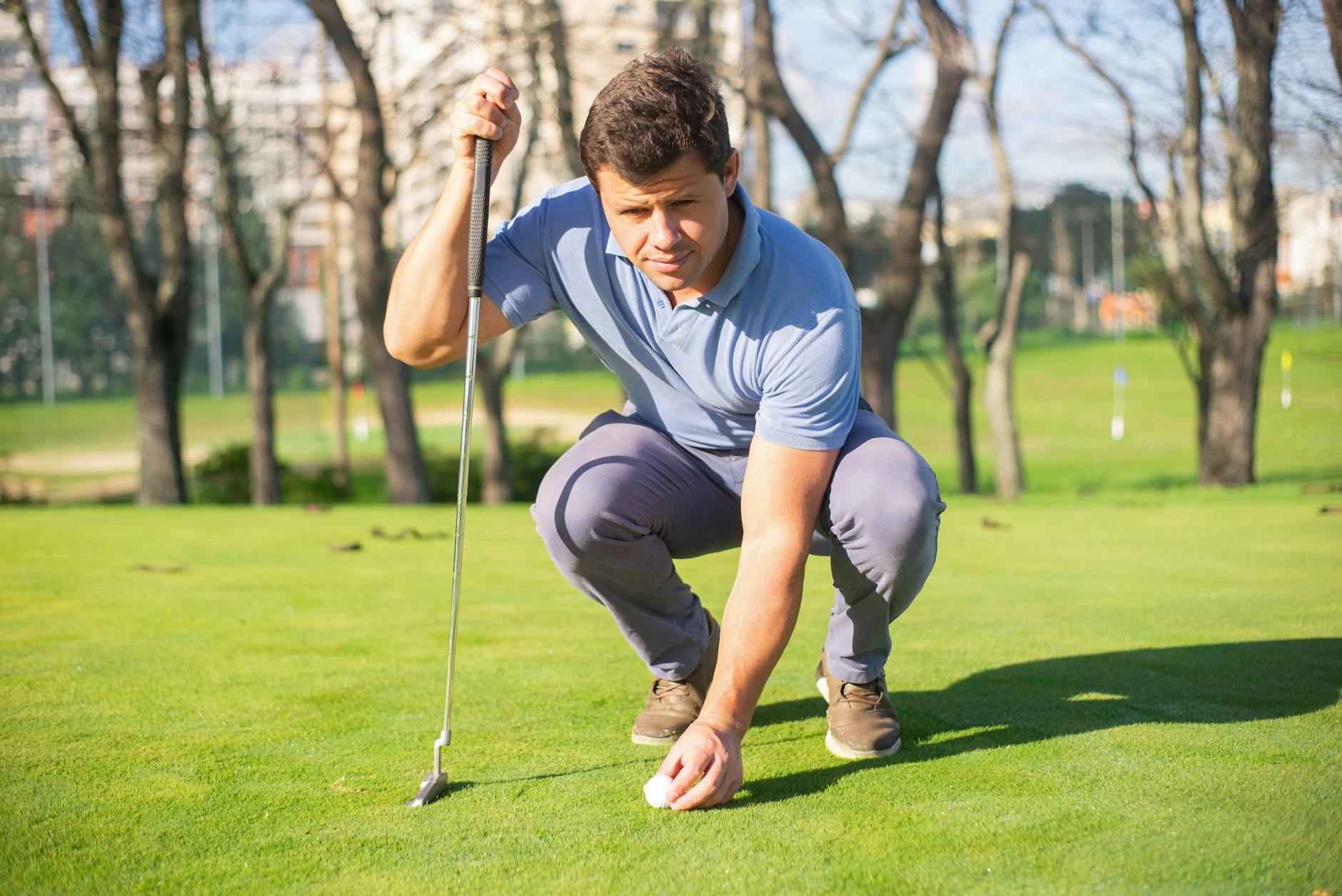
This transformation didn't happen overnight. It evolved through decades of incremental change, accelerated by players who proved that athletic conditioning translates directly to lower scores and longer careers. The modern professional golfer trains with purpose, periodization, and scientific precision that rivals any sport on the planet.
The Shift from Country Club to Weight Room
Professional golf's fitness revolution began gaining serious momentum in the late 1990s and early 2000s, but it took nearly two decades for comprehensive training to become universally accepted. Today's touring professionals typically work with teams that include strength coaches, mobility specialists, nutritionists, and mental performance consultants.
The catalyst was simple economics combined with competitive pressure. As purses grew and careers extended, players recognized that physical preparation could mean the difference between a journeyman career and generational wealth. When the game's best started outworking their peers in the gym, everyone else had to adapt or fall behind.
Power Development: The Foundation
Clubhead speed sells in modern professional golf, and speed comes from rotational power. Elite players focus heavily on exercises that develop force production through the kinetic chain—ground reaction forces that travel through the legs, hips, and core before expressing through the arms and club.
- Medicine ball rotational throws for explosive hip separation
- Olympic lift variations for lower body power production
- Resistance band anti-rotation work for core stability
- Plyometric training for ground force optimization
- Cable woodchops and Pallof presses for transverse plane strength
The key distinction in golf-specific power training is the emphasis on rotational velocity rather than linear strength. A player who can deadlift 500 pounds but lacks hip mobility and rotational speed will generate less clubhead velocity than a more mobile athlete with moderate strength levels.
Mobility: The Underrated Differentiator
Perhaps no aspect of golf fitness has evolved more dramatically than mobility work. Tour players now dedicate substantial portions of their training time to maintaining and improving range of motion in the thoracic spine, hips, and shoulders—the three critical rotation centers of the golf swing.

A restricted thoracic spine forces compensation patterns that stress the lumbar region and limit rotation. Limited hip mobility prevents proper weight transfer and ground force utilization. Shoulder restrictions affect the ability to achieve optimal positions at the top of the backswing and through impact.
Mobility isn't just about preventing injury—it's about accessing positions that create efficient power. If you can't get there, you can't hit it there.
— Tour Fitness Professional
Modern protocols incorporate dynamic stretching, foam rolling, active release techniques, and targeted yoga-based movements. Many players work with physical therapists who use movement screens to identify restrictions before they become performance limiters or injury precursors.
The Cardiovascular Question
Golf presents unique cardiovascular demands. A four-day tournament requires walking roughly 20 miles over varied terrain while maintaining cognitive sharpness for five to six hours daily. This endurance component led early fitness advocates to focus heavily on aerobic conditioning.
Current thinking has evolved toward a more balanced approach. While base aerobic fitness remains important for recovery between rounds and maintaining energy through tournaments, excessive steady-state cardio can interfere with power development. Elite players typically maintain cardiovascular fitness through a combination of incline walking, cycling, and interval training.
Heart Rate Variability and Recovery
Advanced players now monitor heart rate variability (HRV) as a marker of recovery status and readiness to train. Low HRV readings may indicate accumulated fatigue, prompting lighter training days or additional recovery protocols. This data-driven approach helps players avoid overtraining during the grueling tournament season.
Nutrition: Fueling Championship Performance
The touring professional's nutrition program has become as sophisticated as their swing mechanics. Players work with registered dietitians to optimize macronutrient ratios, meal timing, and hydration strategies for competition.
- Pre-round meals emphasize complex carbohydrates and moderate protein for sustained energy
- On-course nutrition focuses on easily digestible snacks every few holes
- Hydration protocols account for temperature, humidity, and individual sweat rates
- Post-round recovery nutrition prioritizes protein synthesis and glycogen replenishment
- Sleep optimization through strategic meal timing enhances recovery quality
The mental component of nutrition often goes overlooked. Blood sugar fluctuations can devastate concentration and decision-making on the back nine of a pressure-packed Sunday. Maintaining stable energy through proper fueling isn't just about physical performance—it's about cognitive resilience when every shot matters.
Mental Performance and Cognitive Training
Elite players increasingly incorporate brain training and mental performance work into their regimens. This includes visualization protocols, breathing techniques for arousal regulation, and even neurofeedback training to optimize focus states under pressure.
The connection between physical fitness and mental performance is well-established. Regular exercise improves cognitive function, emotional regulation, and stress resilience—all critical factors when standing over a four-footer to win a major championship.
Equipment Considerations in Athletic Development
As players develop greater clubhead speeds through training, equipment selection becomes increasingly critical. Balls that perform optimally at higher velocities help players capitalize on their athletic investments. Similarly, shaft profiles must match a player's evolved swing characteristics—an area where custom fitting becomes essential.
Players utilizing high-density ball constructions, like those in the Attomax Pro lineup, often report improved stability in windy conditions and more consistent distance control—qualities that complement the precision these athletes demand from their games.
The Competitive Advantage Continues
Professional golf fitness will continue evolving as sports science advances and competition intensifies. The players who commit to comprehensive training programs while managing the demands of tournament schedules will hold advantages over those who treat physical preparation as an afterthought.
For serious amateurs seeking to lower handicaps and extend playing careers, the message is clear: the gym is now as essential as the range. The investment in physical preparation pays dividends in every round played, every swing made, and every putt holed under pressure.
Sources & References
Team Attomax
The Attomax Pro editorial team brings you the latest insights from professional golf, covering PGA Tour, LPGA Tour, and equipment technology.