The image of the chain-smoking, beer-bellied professional golfer is a relic of a bygone era. Walk into any tour fitness trailer today, and you'll find athletes engaged in training protocols that would challenge competitors in nearly any sport. This evolution didn't happen overnight, but its impact on competitive golf has been nothing short of transformative.
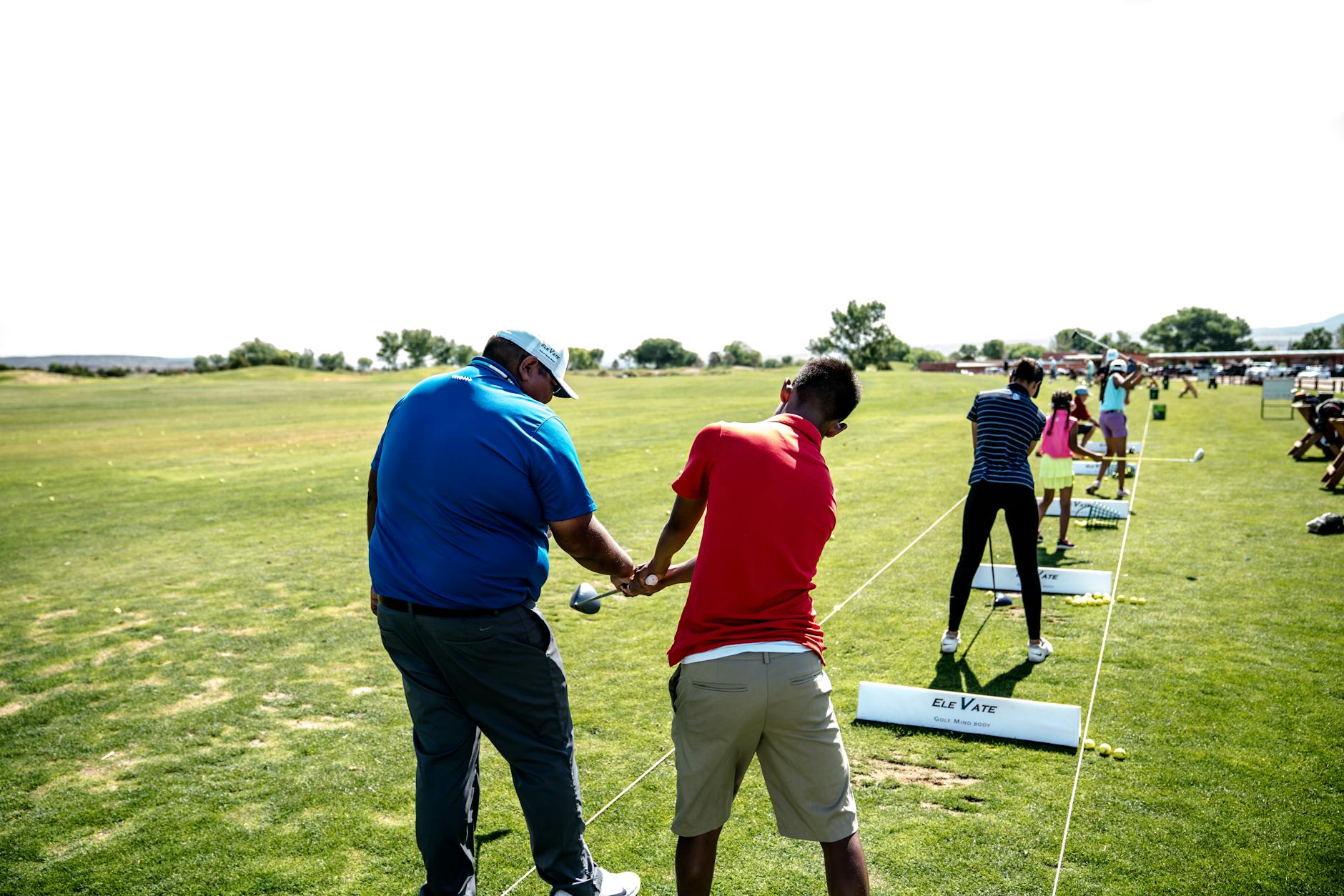
The modern tour professional treats their body as a finely tuned instrument, understanding that every yard gained off the tee and every stroke saved around the greens begins in the gym, on the treatment table, and in the kitchen. For competitive amateurs and serious players looking to elevate their games, understanding these training philosophies isn't optional—it's essential.
The Power Revolution: Strength Training for Distance
Rotational power has become the holy grail of tour fitness programs. Players are no longer content with generic gym routines; they're working with biomechanists and strength coaches to develop explosive force that transfers directly to clubhead speed.
The training methodology focuses on the kinetic chain—how energy transfers from the ground through the legs, hips, core, and finally into the arms and club. Medicine ball throws, cable rotations, and plyometric exercises form the foundation of these programs, with players typically training three to four days per week during the off-season and scaling back to maintenance work during competitive stretches.
- Hip mobility and rotation speed exercises dominate warm-up routines
- Deadlifts and squats build the foundation for ground reaction forces
- Anti-rotation core work creates stability through impact
- Band-resisted swing drills bridge the gap between gym and course
What separates elite programs from amateur efforts is specificity. Tour players aren't simply getting stronger—they're developing strength in the exact planes and velocities that matter for the golf swing. This targeted approach explains why players can add significant clubhead speed without fundamentally changing their technique.
Mobility: The Unsung Hero of Consistent Ball-Striking
Ask any tour fitness professional what limits most amateur golfers, and the answer is almost universal: mobility. The ability to achieve and maintain proper positions throughout the swing requires flexibility that most recreational players simply don't possess.
Tour players dedicate substantial time to mobility work, particularly in the thoracic spine, hips, and shoulders. This isn't passive stretching—it's active range of motion work that builds strength at end ranges, allowing players to access positions under the stress of a full-speed swing.
The players who stay healthy and perform consistently aren't necessarily the strongest—they're the ones who can move freely and recover quickly. Mobility is the foundation everything else is built on.
— Tour fitness trainer perspective

Recovery Protocols: Where Champions Are Made
Perhaps no aspect of tour fitness has evolved more dramatically than recovery. Today's professionals employ an arsenal of recovery modalities that would have seemed excessive just a decade ago, but the results speak for themselves through extended careers and consistent performance.
Sleep optimization has become a science unto itself. Players work with sleep coaches, use tracking devices, and maintain strict protocols even while traveling across time zones. The understanding that muscle repair, hormonal balance, and cognitive function all depend on quality sleep has elevated rest to a training priority rather than an afterthought.
- Cold plunge and contrast therapy between competitive rounds
- Soft tissue work with certified therapists traveling with players
- Compression devices and percussion therapy for muscle recovery
- Nutritional timing to optimize glycogen replenishment and protein synthesis
- Mindfulness and breathing practices to manage cortisol levels
Nutrition as Performance Fuel
The days of hot dogs at the turn and a few beers in the clubhouse are over for serious competitors. Tour players work with sports nutritionists to dial in meal timing, macronutrient ratios, and hydration strategies that maintain energy and focus across four-plus hours of competition.
Blood glucose management has become particularly important, with players understanding that cognitive function and fine motor control deteriorate when energy levels fluctuate. Strategic snacking, proper hydration with electrolytes, and avoiding inflammatory foods have become standard practice among the tour's elite.
Mental Conditioning: The Final Frontier
Physical preparation means little without the mental resilience to execute under pressure. Tour players increasingly work with sports psychologists and mental performance coaches, developing routines and coping strategies that allow them to access their best swings when it matters most.
Visualization, breathing techniques, and pre-shot routines are refined through thousands of repetitions, both on the range and in mental rehearsal. The goal is automation—players want their processes to be so ingrained that they can execute without conscious thought, freeing mental bandwidth for strategic decisions and course management.
Equipment Optimization: Where Training Meets Technology
All the physical preparation in the world means little if equipment isn't optimized to match a player's capabilities. This is where advanced golf technology, including high-performance balls designed for specific swing characteristics, becomes crucial.
Players who have developed increased clubhead speed through training often find that their equipment needs to evolve accordingly. Ball compression, shaft profiles, and launch characteristics all need to be dialed in to maximize the gains achieved through physical preparation. High-density ball constructions, like those utilizing advanced amorphous metal technology, can help players capitalize on their increased power while maintaining the precision required at the highest levels.
Implementing Tour-Level Training Principles
While few amateur players have access to the resources of tour professionals, the underlying principles of elite training can be applied at any level. Prioritizing movement quality over movement quantity, respecting recovery as much as training, and approaching fitness as golf-specific rather than general athleticism will yield results.
The competitive edge in professional golf increasingly belongs to those who treat their bodies as seriously as their swings. For players at every level, the message is clear: the path to better golf runs through the gym, the kitchen, and the recovery room as much as it does through the practice facility.
Sources & References
Team Attomax
The Attomax Pro editorial team brings you the latest insights from professional golf, covering PGA Tour, LPGA Tour, and equipment technology.