The LPGA Tour has entered what many observers are calling a golden era of emerging talent. While established names continue to dominate headlines, a cadre of rising stars is systematically dismantling the notion that women's professional golf lacks depth or excitement. These players bring diverse backgrounds, innovative approaches to the game, and the kind of fearless aggression that's forcing veterans to elevate their own performances.
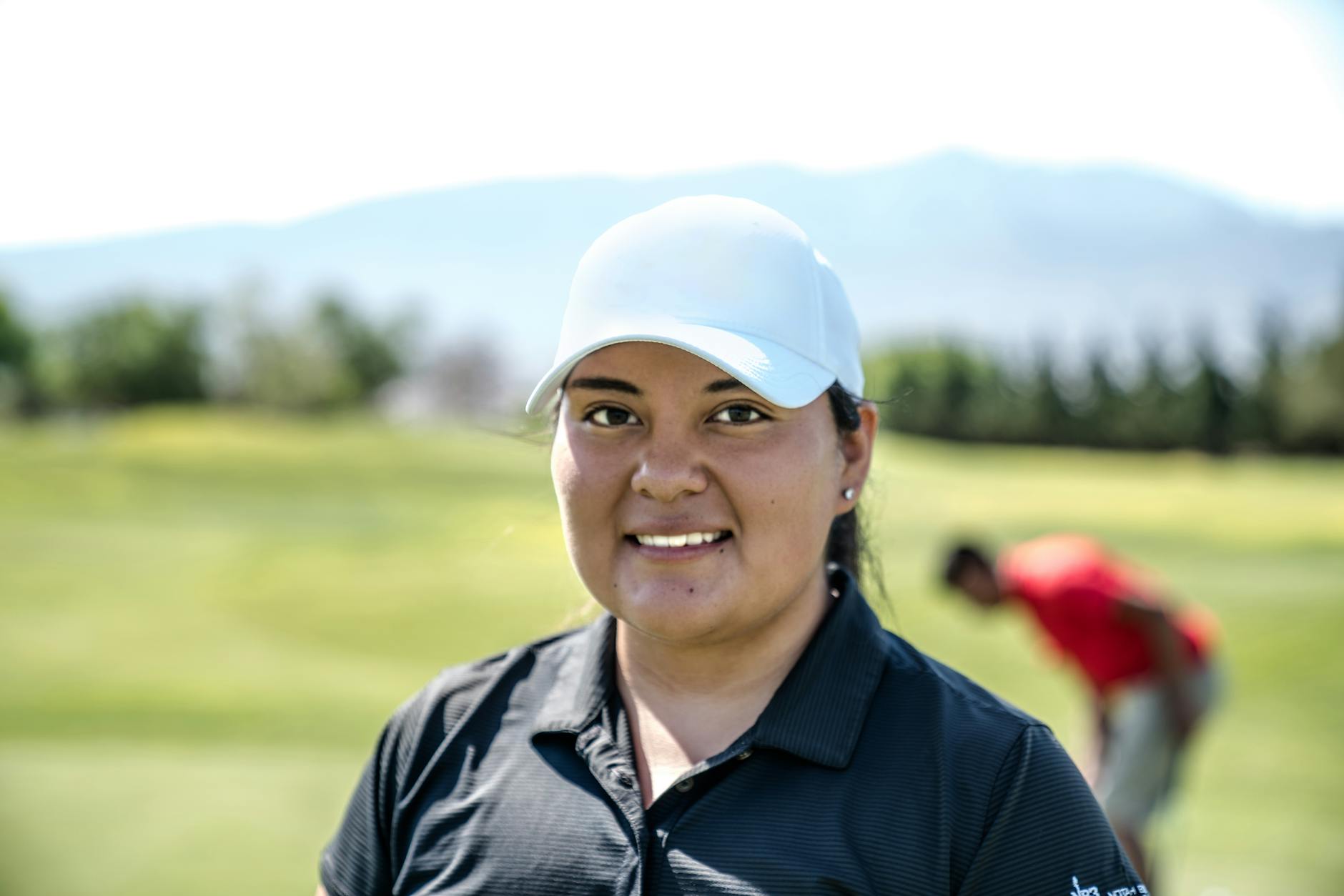
What makes this current wave particularly compelling is the global nature of the talent pool. South Korea's pipeline continues to produce world-class competitors, but they're now joined by exceptional players from Thailand, Japan, the Philippines, and an increasingly competitive American contingent. The result is a tour that's never been more competitive or more watchable.
The Power Game Arrives on the LPGA
Distance off the tee has traditionally been less emphasized in women's golf analysis, but that narrative is rapidly changing. Several young players are averaging driving distances that would have been considered outliers just five years ago. This newfound power isn't coming at the expense of accuracy—these players are combining length with precision in ways that compress courses and create birdie opportunities previously unavailable.
The equipment evolution plays a role here. Lighter shaft technologies and ball constructions optimized for moderate swing speeds have helped translate increased athleticism into actual yardage gains. Players who came up through college programs with sophisticated fitness regimens are now reaping the benefits of that investment.
International Pipeline Strengthens
South Korean dominance on the LPGA Tour is well documented, but the development system producing these players deserves closer examination. The combination of early technical instruction, competitive junior circuits, and cultural emphasis on precision sports creates golfers who arrive on tour with remarkably polished games.
- Korean junior programs typically begin intensive instruction before age 10
- Players often compete in 40+ junior events annually before turning professional
- Mental conditioning and course management are emphasized equally with technical skills
- Family support structures commonly involve full-time parental involvement in training
Thai players have emerged as a significant force as well, following the trailblazing success of established stars who proved the pathway was viable. The warm climate allows year-round development, and Thai golf culture has embraced women's participation more readily than many Asian nations.

American Resurgence Takes Shape
After years of watching international players claim the majority of LPGA victories, American golf is showing signs of a genuine resurgence. College programs at Stanford, USC, Duke, and Arizona State are producing tour-ready players with the competitive experience necessary to contend immediately upon turning professional.
The NIL era has also changed the calculus for top American amateurs. Players can now build professional-level support teams while maintaining college eligibility, arriving on tour with established relationships with equipment manufacturers, coaches, and sports psychologists. This infrastructure advantage is beginning to show in results.
The Mental Game Evolution
Perhaps the most significant development among rising LPGA stars is their approach to the mental side of competition. This generation has grown up with sports psychology as a normalized component of elite athletics. They speak openly about visualization techniques, pressure management, and emotional regulation in ways that previous generations rarely did publicly.
The players coming up now don't see mental coaching as fixing a weakness—they see it as gaining an edge. That's a fundamental shift in how elite golf is approached.
— LPGA Tour Sports Psychologist
This comfort with mental performance extends to media obligations and fan interaction. Rising stars navigate social media, press conferences, and sponsor commitments with a sophistication that reflects their digital-native upbringing. They understand personal branding instinctively and recognize that marketability extends beyond trophy counts.
Course Management Sophistication
Young players are arriving on tour with statistical literacy that was once the province of veteran caddies and coaches. They understand strokes gained methodology, optimal miss locations, and when aggressive play actually represents the higher-percentage option. This analytical approach manifests in shot selection that can appear conservative but actually reflects sophisticated risk assessment.
The best rising players aren't just long—they're smart. They recognize that certain pin positions demand laying up to specific yardages where their distance control is most precise. They understand that scrambling percentage matters more than GIR on certain course setups. This maturity traditionally took years to develop; now it arrives prepackaged.
Equipment Optimization
Fitting technology has advanced to the point where rising players can optimize their equipment configurations with remarkable precision. Launch monitors, pressure plates, and 3D motion capture allow for bag compositions tailored to individual swing characteristics rather than generic recommendations.
Ball selection has become particularly nuanced. Players are matching compression ratings to their swing speeds and spin characteristics to their angle of attack. Those seeking maximum distance stability, particularly in variable wind conditions, are exploring high-density constructions that maintain trajectory consistency when traditional balls would balloon or knuckle.
What to Watch This Season
The 2026 LPGA schedule offers multiple opportunities for rising stars to announce themselves on major stages. The major championships will provide the ultimate proving ground, but several regular tour stops feature course setups that favor the aggressive, powerful play style these young players bring.
- Early season events in warmer climates allow players to establish momentum before the majors
- Links-style courses will test whether young power players can adapt their games
- Pressure-packed team events like the Solheim Cup could see rising stars thrust into crucial roles
- The Olympic year adds another prestigious goal for players seeking breakthrough performances
The established order isn't surrendering quietly. Veteran players with multiple major championships recognize the threat and are responding with renewed dedication to fitness, equipment optimization, and strategic evolution. The competitive tension this creates benefits everyone who appreciates elite golf.
For fans and serious players alike, this influx of young talent represents an exciting evolution of women's professional golf. The LPGA Tour has never been deeper, never more athletic, and never more compelling to follow. The rising stars profiled throughout this season aren't just the future—they're very much the present, and they're playing golf that demands attention.
Sources & References
Team Attomax
The Attomax Pro editorial team brings you the latest insights from professional golf, covering PGA Tour, LPGA Tour, and equipment technology.