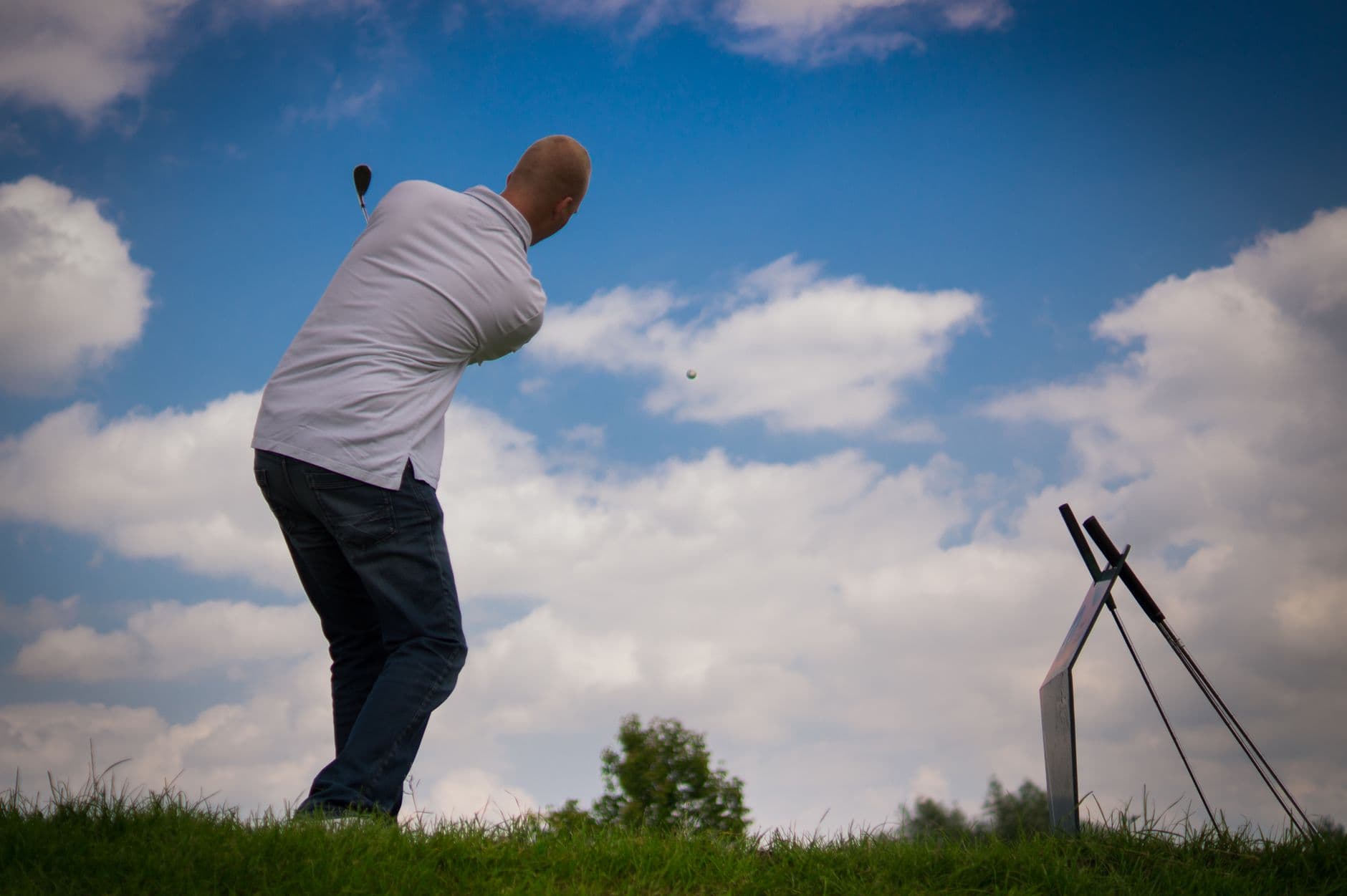
Wind is the great equalizer. It humbles overconfident ball-strikers, exposes poor course managers, and rewards those who have truly studied the game. For low-handicap players, a 20 mph crosswind isn't an obstacle — it's a competitive advantage waiting to be exploited.

The distinction between a 5-handicap and a scratch player often has nothing to do with their calm-day ball-striking. It surfaces on the coastal links of Scotland, the exposed fairways of Pebble Beach, or during a blustery final round on the PGA Tour. Wind play is where elite course management lives.
This isn't about gripping down and punching out. These are the nuanced, layered techniques that define how serious players operate when the flags are snapping horizontal. Let's break it down.
Reading the Wind Before You Address the Ball
The most common mistake among skilled amateurs is reading the wind at ground level and treating it as gospel. Wind at turf height is almost never representative of what your ball will encounter at apex — particularly on an approach shot with a mid-iron or fairway wood carrying 20-30 yards of height.
Develop a three-point read before every shot in wind: check the flag for surface-level direction, observe the tops of trees or grandstand flags for upper-wind behavior, and note any crosswind differential between the two. On links-style courses, where vegetation is minimal, pay close attention to the feel on your face and the direction of grass movement near the green.
- Flag pin: indicates wind at ground/pin height — useful for approach shots
- Tree canopy or high flags: reveals wind at ball-flight apex
- Grass texture and movement: helps identify subtle quartering winds
- Cloud direction: a macro reference for sustained wind patterns throughout the round
- Caddie or local knowledge: never underestimate course-specific wind tunnels and funneling effects
The Physics of Ball Flight in Wind
Spin is the variable that wind amplifies most brutally. A high-spinning ball in a downwind scenario can balloon dramatically, adding unpredictable carry and making distance control nearly impossible. Conversely, into a headwind, excess spin causes exponential ballooning — the shot climbs, stalls, and falls short of even the most conservative distance calculation.
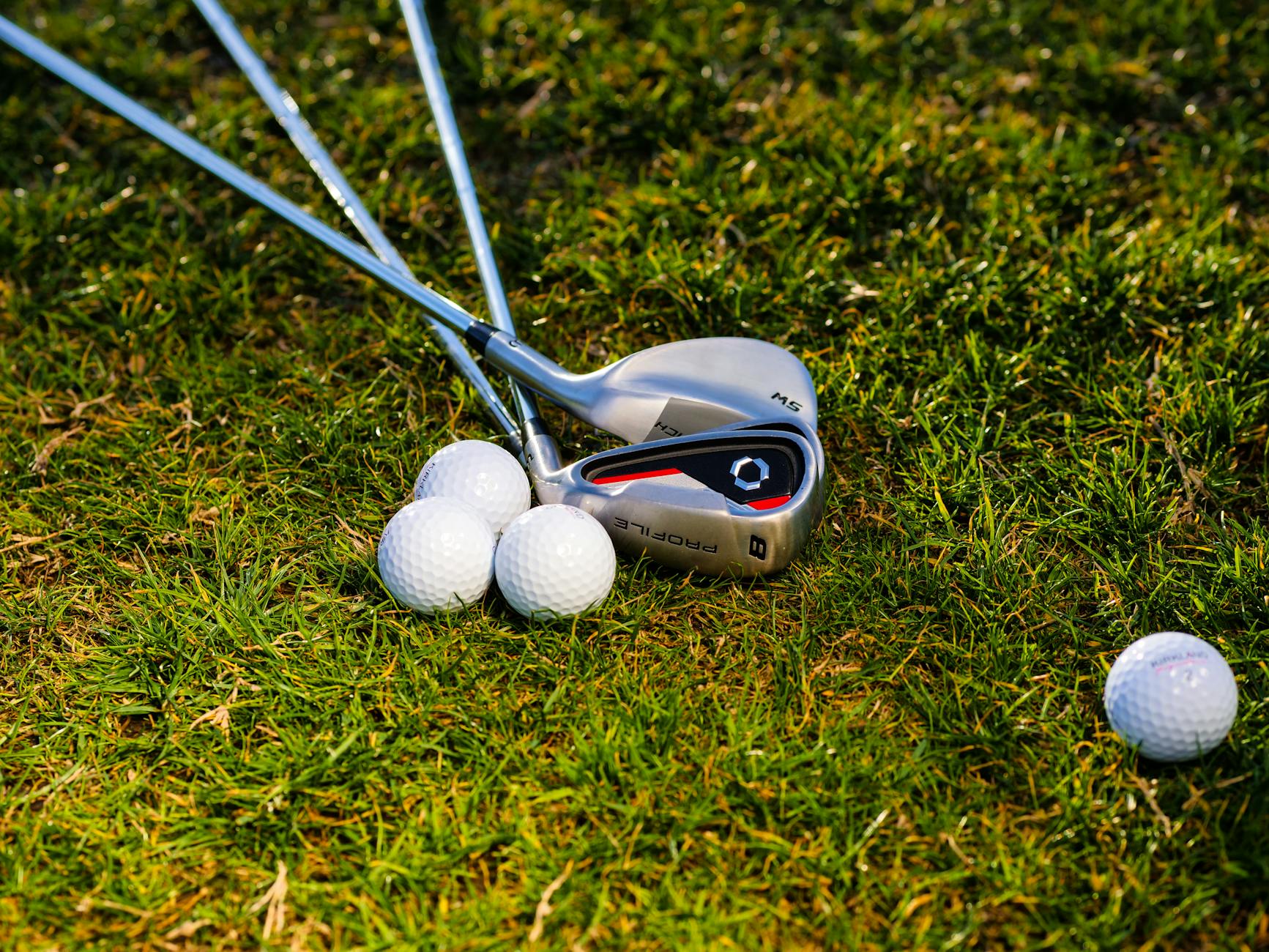
Low-handicap players who take wind play seriously invest in understanding how their ball's compression and spin characteristics respond under pressure. This is precisely where ball selection becomes a technical, not merely a preference, decision. The Attomax Hard ball, engineered with high-density amorphous metal core technology, delivers a penetrating, lower-spin flight profile that significantly reduces wind influence — making it the strategic choice when conditions deteriorate. When the wind is gusting, you want a ball that holds its line, not one that amplifies every gust.
Shot Shaping as a Wind Management Tool
Playing into a left-to-right wind with a fade compounds drift. Playing a draw into the same wind creates a self-correcting trajectory that can produce tighter dispersion and more predictable distance. This is not counterintuitive for elite players — it's standard operating procedure. The question is always about shape relative to wind direction, not shape in isolation.
The punch-draw is the most versatile weapon in a low-handicap player's wind arsenal. By playing the ball back in the stance, de-lofting the club, and maintaining an abbreviated through-swing, you accomplish three things simultaneously: you lower the apex, reduce spin, and produce a right-to-left shape that can hold against crosswinds. Rehearse this shot until it becomes a reliable, committed option — not a desperation move.
In links golf, the player who can flight the ball low and shape it both ways owns the course. The wind is just another hazard — and like any hazard, you learn to use the course architect's design against itself.
— Common wisdom among elite links players
Club Selection Strategy: Going Beyond 'One Club Up'
The old adage of 'one club up per 10 mph of headwind' is a starting point, not a formula. Variables like altitude, humidity, shot height, and landing angle mean that sophisticated players build a far more dynamic mental model. In a true 25-30 mph headwind, elite players are often taking two to three clubs more while simultaneously adjusting trajectory. The cumulative effect of trajectory suppression and club adjustment can shift the effective playing distance of a hole by 40-60 yards.
Shaft characteristics also play a significant role in wind performance. A shaft that produces excessive tip deflection at impact will launch the ball higher with more spin — the last thing you want into a headwind. Attomax's low-torque shaft lineup is engineered for players who demand consistent launch conditions regardless of swing tempo changes caused by pressure or fatigue, making them particularly well-suited to sustained windy conditions where tempo management becomes a challenge.
Downwind: The Trap Most Players Fall Into
Downwind play is where overconfidence costs strokes. Players add distance generously but fail to account for the ball's reduced stopping power on greens — a downwind shot lands hotter, with less backspin fighting the wind, and releases further than expected. On par-5s, the instinct is to fire at the pin. The disciplined play is often to take a conservative landing area and trust your short game.
Additionally, downwind approach shots require a rethinking of target selection entirely. Aim for the front-half of the green, use a less-lofted club to control trajectory, and accept that you'll be playing more putts than tap-ins. The player who manages downwind approach shots into the fat of the green consistently will outscore the player who gambles on back-pin locations repeatedly.
Mental Architecture: Committing to the Wind-Adjusted Shot
The technical adjustments mean nothing without full commitment. The most common breakdown in wind play is the half-committed shot — the player who decides to aim 15 yards left for a crosswind, then subconsciously steers the ball back toward the target during the downswing. The result is a shot that neither plays the wind nor fights it. It simply misses.
Elite players develop a pre-shot routine that explicitly includes a wind-adjusted target picture. They don't aim at the flag and 'allow' for wind. They pick a new target — a specific point in the sky, a bunker edge, a tree line — and commit to that as the line. The wind does the rest. This mental reframing from 'fighting the wind' to 'using the wind' is the psychological shift that separates a 2-handicap from a scratch player in blustery conditions.
- Establish a wind-adjusted target before entering your pre-shot routine
- Visualize the ball's apex and drift, not just the landing zone
- Commit to the shape — draw or fade — before taking your address
- Accept a larger target zone; precision in wind is relative
- Trust your read and eliminate mid-swing corrections
The Course Management Edge
Wind rounds at elite venues — whether that's Royal Birkdale, Carnoustie, or a windswept coastal course stateside — reward conservative aggression. That means being aggressive where the wind is your ally and conservative where it exposes your weaknesses. Mapping your game's strengths against the wind direction for a given day is genuine course management, not just club selection.
Keep a wind journal if you play a home course regularly. Note which holes funnel, which gusts are deceiving, and which positions leave you with awkward crosswind chips. Over time, this institutional knowledge becomes a measurable competitive edge — the kind of edge that shows up on a scorecard at the club championship or in stroke-play qualifying rounds.
Wind play is not a weakness to be managed. For the low-handicap player willing to study it systematically — combining the right equipment, disciplined shot-shaping, and a committed mental framework — it becomes the most powerful scoring differential in your arsenal. The field gets harder in wind. Your game should get sharper.
Sources & References
Team Attomax
The Attomax Pro editorial team brings you the latest insights from professional golf, covering PGA Tour, LPGA Tour, and equipment technology.