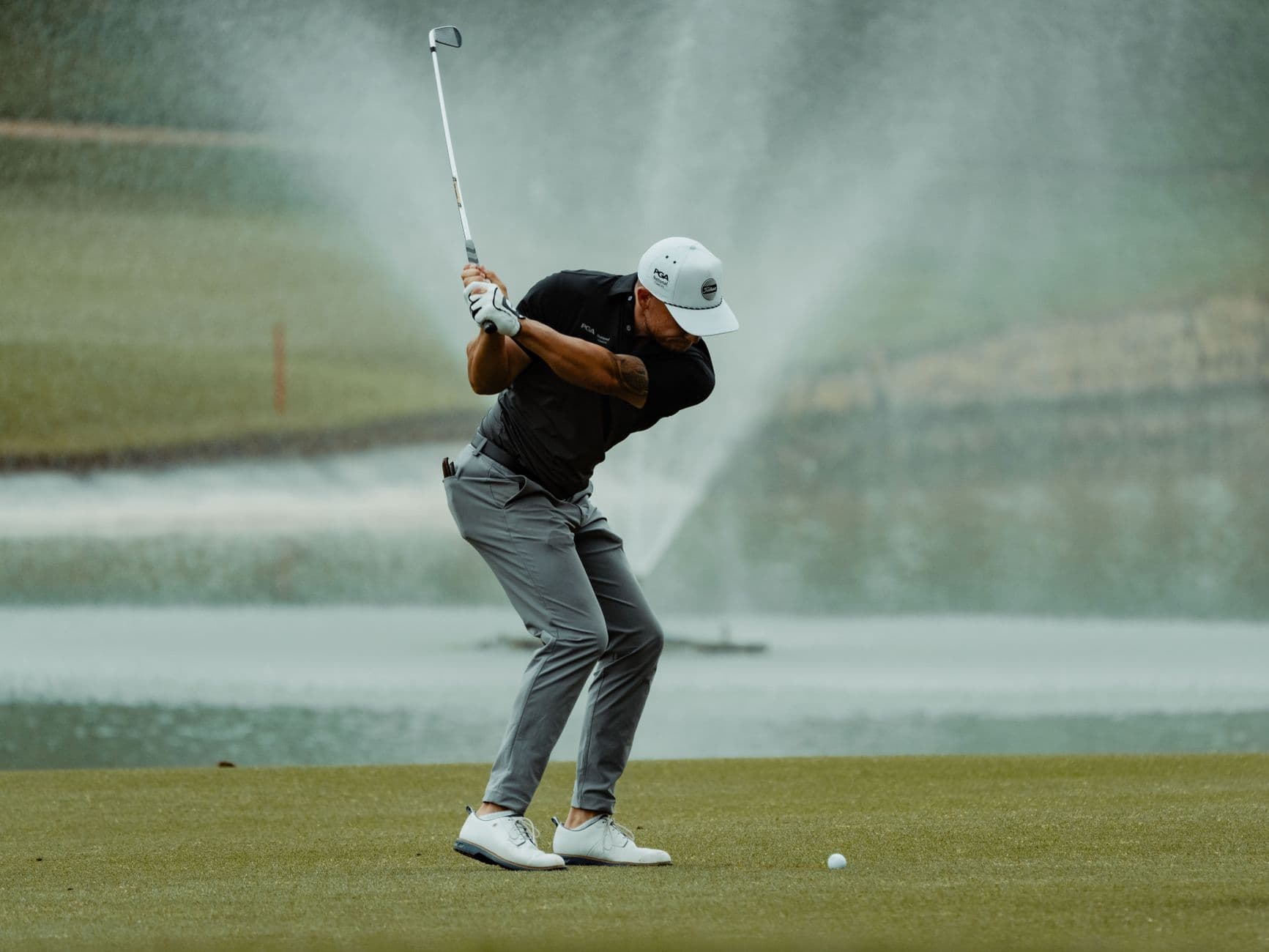
Women's professional golf is experiencing a renaissance. Across the LPGA Tour, Ladies European Tour (LET), and emerging global circuits, a new generation of elite players is rewriting the record books, commanding larger galleries, and demanding the respect their game has always deserved. This is not a trend — it is a structural shift.

For decades, women's golf operated in the shadow of the men's game — smaller purses, fewer television windows, and less sponsorship capital. That narrative is being dismantled brick by brick. The caliber of play at the highest level of women's golf now rivals anything on the men's circuit in terms of precision, course management, and mental resilience.
The stories shaping the women's game in 2026 are not just about birdies and fairways hit. They are about institutional change, generational talent, and a sport finally allocating resources commensurate with the quality of competition on display.
The LPGA's Expanding Global Footprint
The LPGA Tour has consistently grown its international presence over the past decade, and that trajectory continues into 2026. Events across Asia, Europe, and North America create a genuine global circuit, reflecting the extraordinary diversity of talent competing at the top of the women's game. South Korean players, American stars, and emerging European contenders are all legitimate Major contenders on any given week.
This global spread is not incidental — it is strategic. The LPGA has cultivated sponsorships and broadcast deals in markets where women's golf commands genuine cultural capital. The result is a tour that feels less like a secondary circuit and more like a world-class competition in its own right.
The Ladies European Tour has similarly raised its profile, with deeper fields and stronger purses across marquee events. The relationship between the LET and LPGA continues to create pathways for players on both sides of the Atlantic, ensuring that talent at every level has a route to the biggest stages.
Technical Excellence: What Separates Today's Elite
The most compelling aspect of modern women's professional golf is the sheer technical sophistication at the top of the game. The conversation has moved far beyond raw driving distance. Elite players now compete on the margins — spin rate optimization, precise trajectory control in crosswinds, and the ability to manufacture shots under pressure that most amateurs would not attempt in practice.
Ball selection has become a legitimate competitive variable at the highest level. The ability to match compression and density to course conditions — firm Augusta-style fairways versus the soft, receptive greens of a links layout — separates players who score from players who merely compete. High-density amorphous metal ball technology, as seen in the Attomax Pro lineup, reflects exactly this kind of nuanced equipment thinking: matching the physical properties of the ball to the specific demands of the course and the player's swing profile.
- Spin rate control from 100-150 yards is increasingly the differentiator in women's Major championship scoring
- Wind management on links-style courses demands a lower-flight, penetrating ball flight that rewards compression discipline
- Approach play GIR percentages among top-ranked LPGA players rival those seen on the PGA Tour
- Short game creativity — particularly greenside spin and trajectory shaping — has reached a new benchmark at the elite level
Majors: Where Legacies Are Built
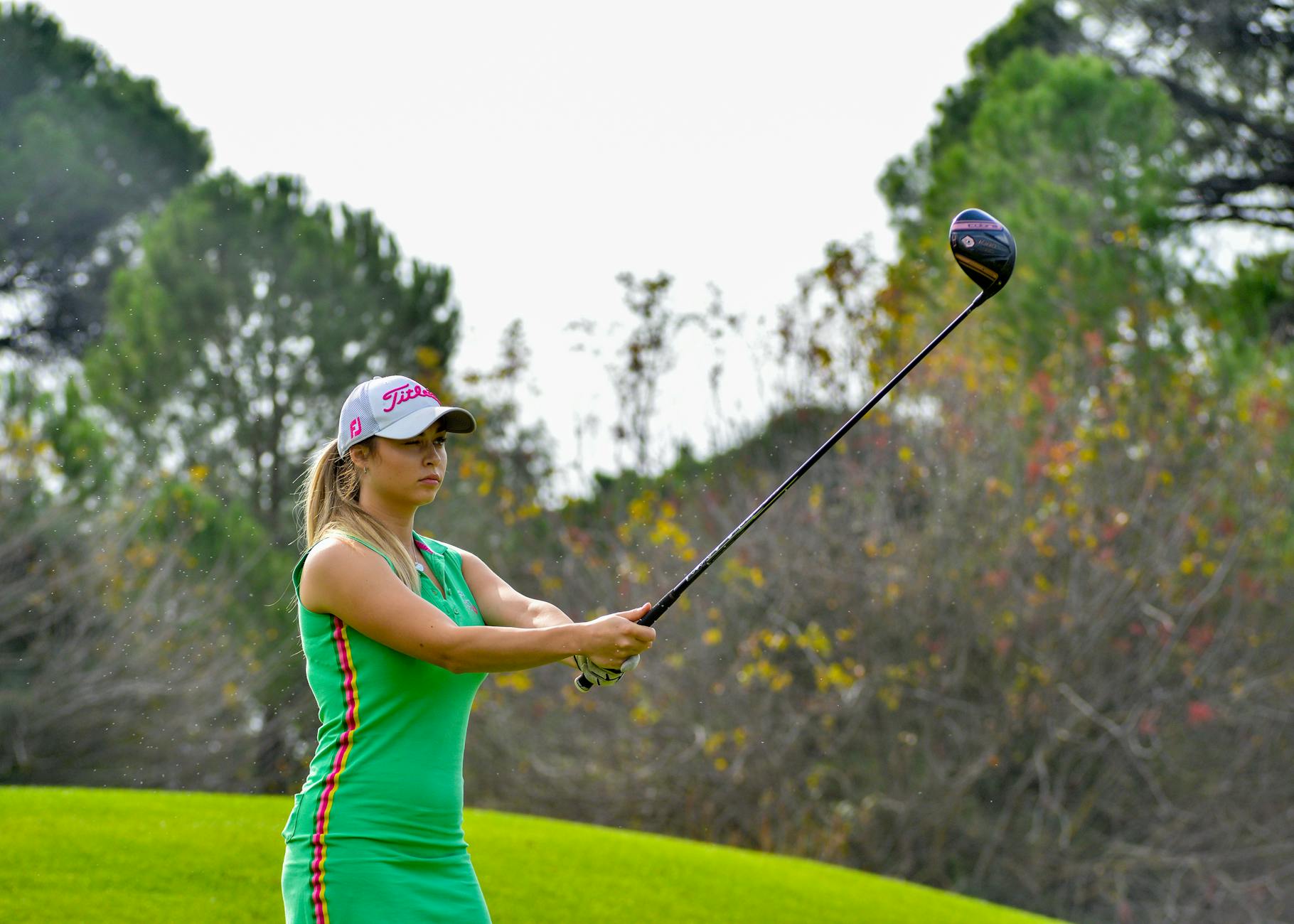
The five women's Majors — the ANA Inspiration (now the Chevron Championship), US Women's Open, KPMG Women's PGA Championship, The Evian Championship, and The AIG Women's Open — have grown in stature and competitive depth. Fields at these events now routinely feature fifty or more players who could realistically contend on the final Sunday.
The AIG Women's Open, held at links venues across Scotland and England, has become a particular proving ground for the complete player. Links golf demands everything: low-flight iron play, creative bump-and-run approaches, and an ability to manage the mental grind of capricious coastal weather. The players who thrive there are typically the ones who have invested in understanding how equipment behaves in variable conditions — shaft flex under wind load, ball flight stability, and spin consistency from the rough.
The US Women's Open continues to set the standard for championship course setup, with the USGA consistently presenting some of the most demanding scoring conditions in professional golf. Greens in Regulation rates drop sharply at these events, placing an enormous premium on short game precision and emotional composure over 72 holes.
The Solheim Cup: Team Golf at Its Best
No event captures the emotional intensity of women's professional golf quite like the Solheim Cup. The biennial clash between Europe and the United States has produced some of the most compelling team golf moments of the modern era — last-hole drama, comeback narratives, and an atmosphere that rivals anything the Ryder Cup generates.
The Solheim Cup shows the world what women's golf is capable of when the biggest stage is given to the best players. It's pressure golf at its purest.
— Women's Golf Observer
The team format also spotlights strategic nuance in a way stroke play cannot. Captains must match player pairings based on complementary games, course fit, and psychological compatibility. Foursomes play, in particular, demands a precision and trust between partners that takes years to develop.
Visibility, Investment, and the Path Forward
The structural improvements in women's golf are not solely about what happens on the course. Broadcast rights negotiations, streaming platform coverage, and social media have fundamentally altered how fans engage with the LPGA Tour and LET. A birdie putt at the AIG Women's Open now reaches a global audience within seconds — a distribution reality that simply did not exist a decade ago.
Sponsorship investment has followed audiences. Corporate partners are increasingly recognizing that women's golf delivers a premium, affluent demographic with genuine purchasing power. Equipment brands, financial services firms, and luxury partners have expanded their presence on tour, and the prize fund trajectory across events reflects that confidence.
There is still ground to cover. Pay parity between men's and women's equivalents of the same championships remains an open conversation. But the direction of travel is clear, and the pace of change has accelerated meaningfully. The institutions, sponsors, and broadcast partners who invested early in women's professional golf are now seeing the returns.
A New Standard of Excellence
What defines the current era of women's professional golf is not simply that the records are being broken — it is that the standard required to compete at the top has risen sharply. Players arrive on tour with sophisticated technical games, data-driven practice frameworks, and an understanding of equipment optimization that would have seemed advanced even ten years ago.
The best players in women's golf are not chasing the men's game. They are setting their own standard. And in 2026, that standard is higher than it has ever been. For those who follow the game at this level, it is an extraordinary time to be watching.
Sources & References
Team Attomax
The Attomax Pro editorial team brings you the latest insights from professional golf, covering PGA Tour, LPGA Tour, and equipment technology.