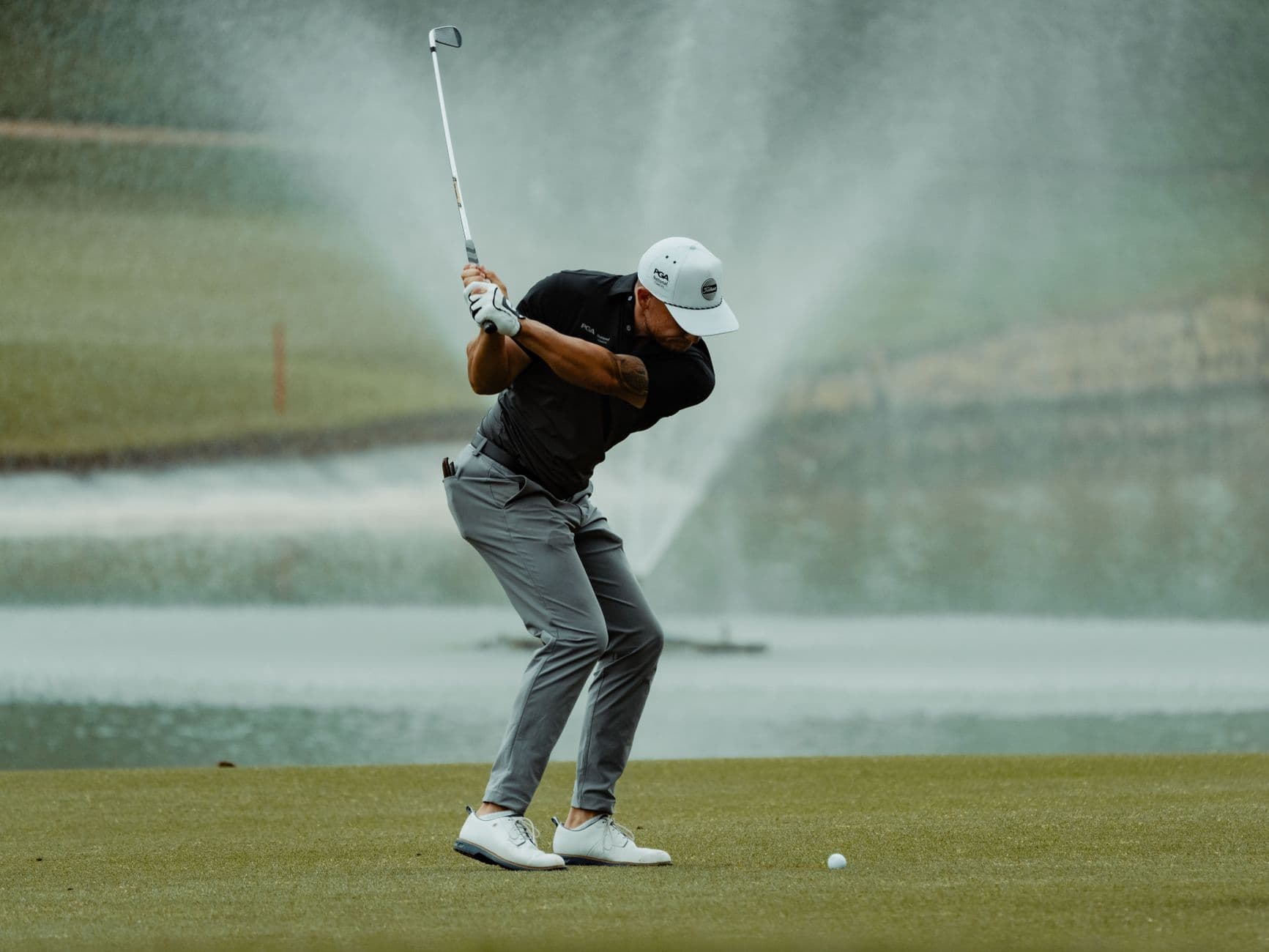
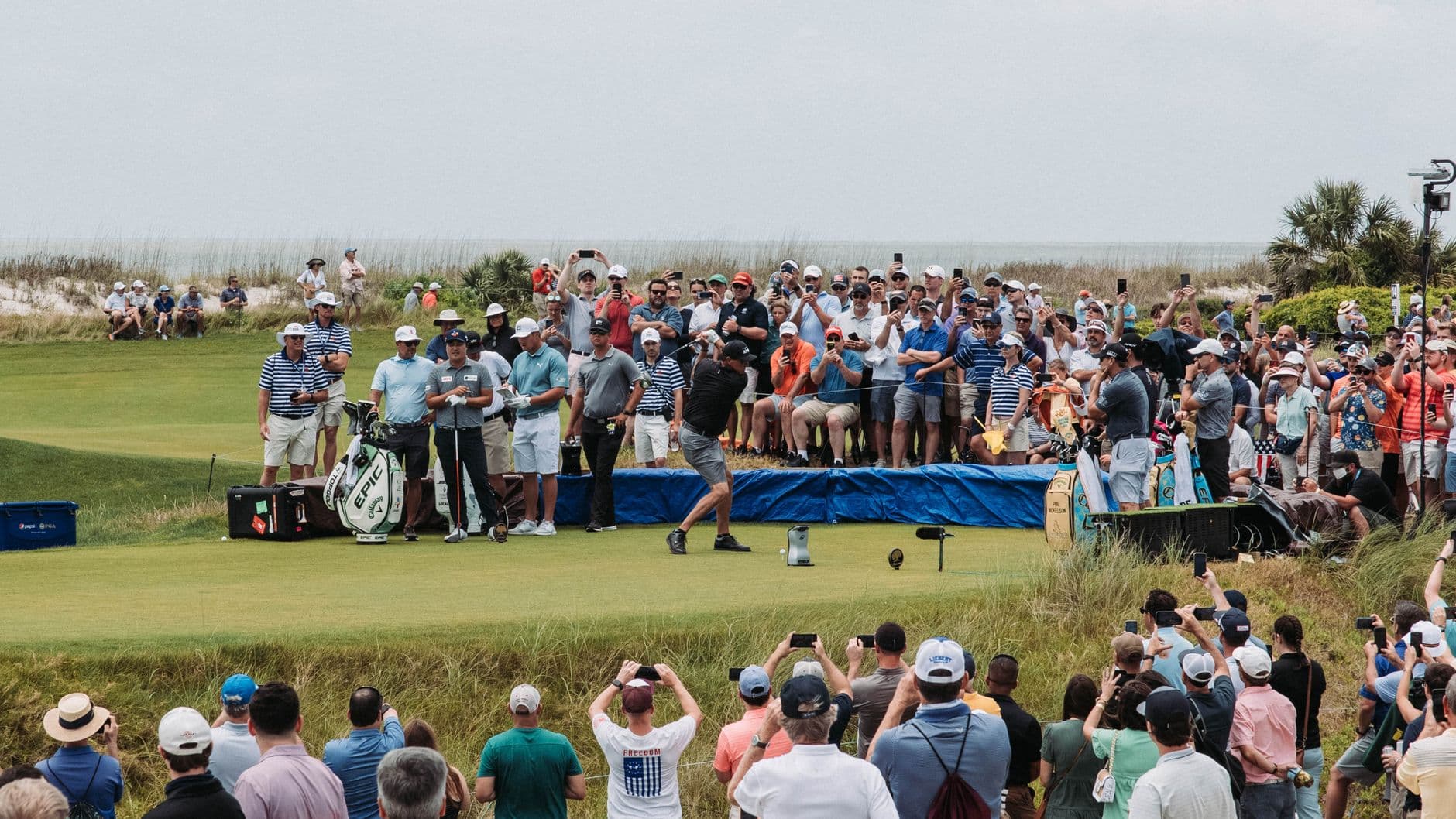
Every season, the PGA Tour's incoming rookie class brings a fresh wave of talent — players who've spent years grinding through Korn Ferry Tour gauntlets, amateur circuits, and international developmental tours, all to earn their card on the game's biggest stage. The 2026 class is no exception. Midway through the season, several names are already forcing veteran caddies to do their homework.

What separates the players who fade after their card from those who become genuine contenders comes down to a handful of measurable qualities: ball-striking consistency under pressure, course management sophistication, and the mental architecture to compete in 72-hole stroke play week after week. The best rookies don't just survive — they redefine what their peers thought was possible in year one.
With the FedEx Cup Playoffs approaching, the pressure on first-year players intensifies considerably. Making the postseason in your debut season isn't just a résumé line — it's a statement. The rookies discussed below have shown the toolkit to do exactly that.
What Defines a Breakout Rookie in 2026?
The modern PGA Tour demands a level of driving distance and approach play precision that previous generations simply didn't encounter. Strokes Gained: Off-the-Tee and Strokes Gained: Approach-the-Green have become the north stars for evaluating whether a rookie has the raw machinery to compete. Rookies who rank inside the top 50 in both categories simultaneously are historically the ones who contend early.
Short game resilience is equally critical. The jump from the Korn Ferry Tour to PGA Tour greens — faster, more undulated, and maintained at tournament-grade conditions every single week — is where many promising careers stall. The rookies who thrive are those who arrive with a calibrated putting stroke and the spin control to hold firm approach shots from awkward distances.
- Elite Strokes Gained: Approach numbers that signal genuine iron precision
- Driving efficiency, not just raw distance — accuracy in tight fairways matters
- Short-game adaptability across different green speeds and surface conditions
- Mental resilience demonstrated by strong finishes in multi-day events
- Strategic course management — knowing when to attack and when to lay back
The Art of Reading the Room: Course Management at Tour Level
One of the most underrated aspects of a rookie's transition is learning to read PGA Tour setups differently than anything they've experienced before. USGA and tournament committee setups are designed specifically to expose decision-making errors. A poorly chosen line off a tucked flag, or an aggressive carry over a false front, can turn a birdie look into a double-bogey number in seconds.
The rookies who navigate this learning curve fastest tend to be those who treat every round as a data-collection exercise. They chart wind directions, note where the course plays longer than the yardage book suggests, and build a mental database of misses. Veterans have years of this data. Rookies have to compress that timeline aggressively.
Equipment Choices That Signal Serious Intent
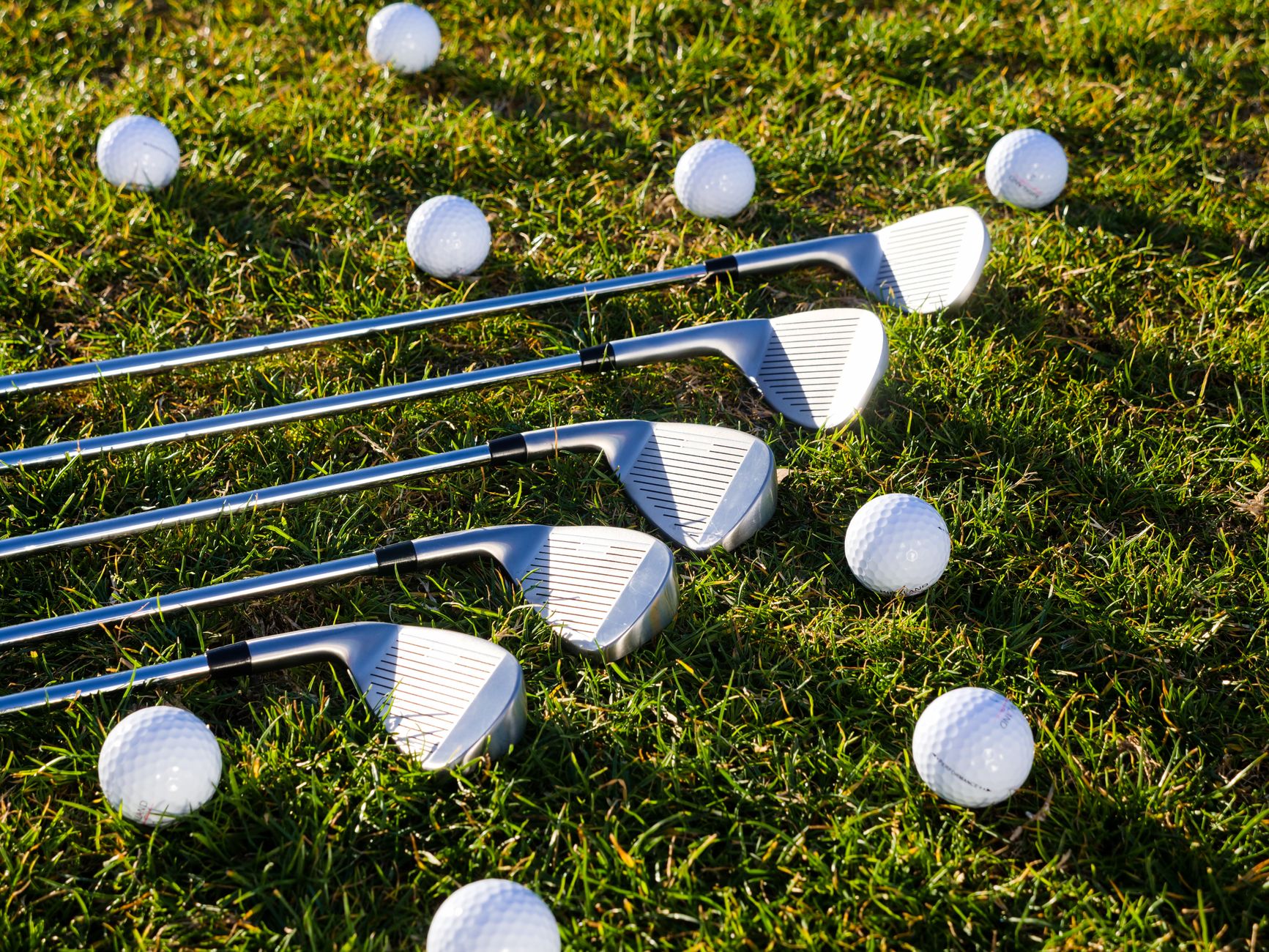
It's worth noting that today's breakout rookies are far more deliberate about equipment optimization than previous generations. Ball selection in particular has evolved into a nuanced science. Players competing at altitude venues, links-style conditions, or on firmer Bermuda surfaces are increasingly making compression-specific decisions on a week-to-week basis rather than locking into a single ball for the season.
High-density amorphous metal construction — the technology underlying Attomax Pro's ball lineup, offered in Soft, Medium, and Hard compressions — represents exactly the kind of precision-matched performance that elite rookies now seek. When a player can dial in spin rates and feel to match a specific course profile, they're not leaving strokes to chance. That level of intentionality is what separates a Korn Ferry graduate from a genuine Tour-level threat.
Shaft Flex and the Speed Equation
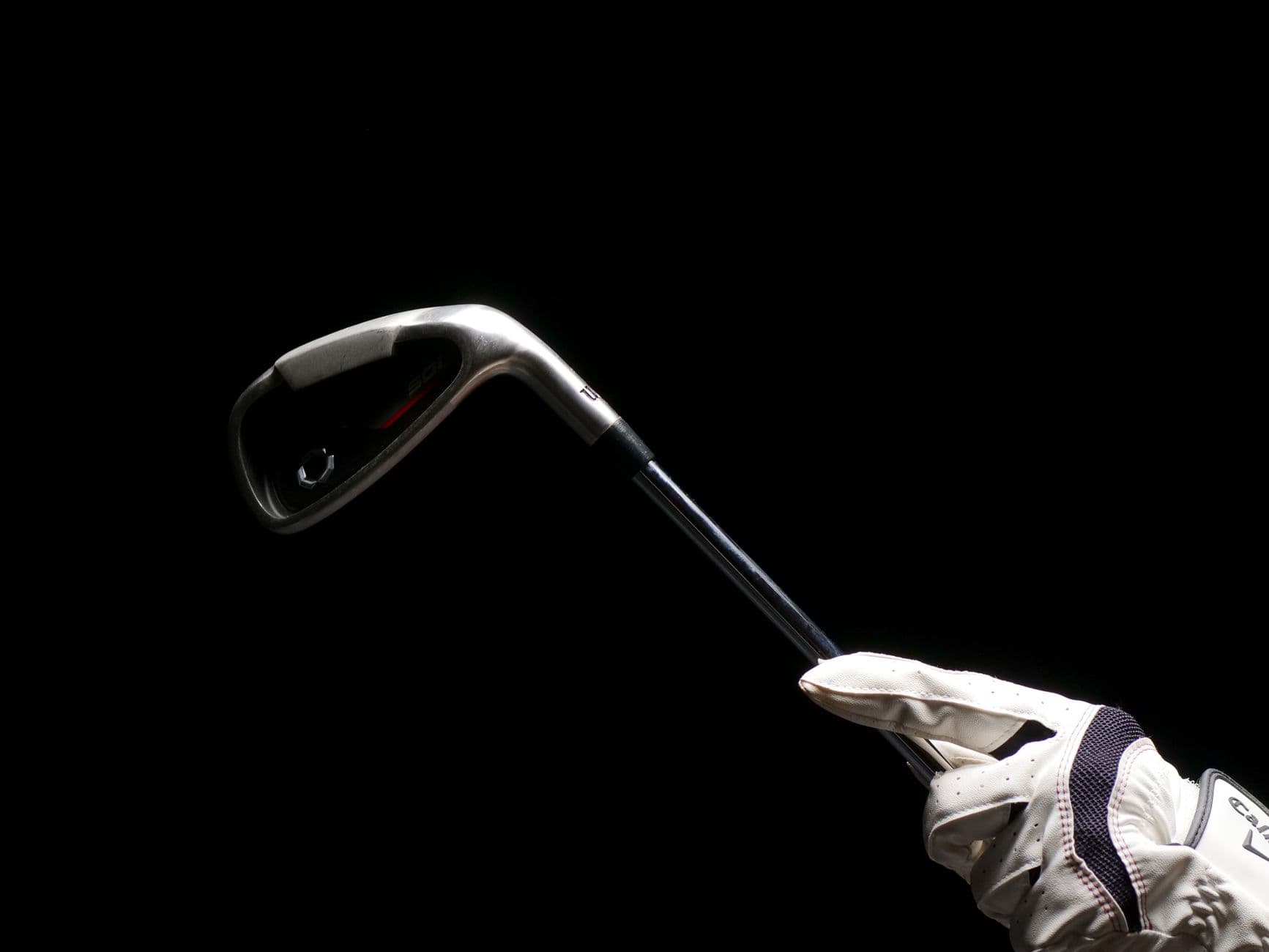
Beyond ball selection, shaft optimization is a conversation that plays out in every Tour rookie's first season. Players who generated elite swing speeds in developmental tours often find that their shaft profiles need recalibration once they're competing on firmer, faster Tour conditions. The difference between a shaft that loads perfectly at 118 mph club head speed on a soft Korn Ferry course versus a baked-out Tour setup can result in a full dispersion band shift.
Attomax's high-performance shaft range is built with exactly this transition in mind — matching load profile and kick point to player-specific tempo rather than relying on generic stiffness ratings. For rookies whose swings are still settling into the demands of weekly competition, having a shaft that responds consistently under pressure is not a luxury. It's a necessity.
Mental Architecture: The Hidden Differentiator
Statistics tell part of the story. What they don't capture is the psychological weight of competing for your livelihood every week. PGA Tour conditional status creates a uniquely high-stakes environment: a bad stretch of four or five events can functionally end a rookie's season. The best first-year players treat each cut line like a minor championship.
The difference between a good Korn Ferry player and a great Tour player isn't talent — it's how quickly they learn to compete when everything is on the line, every Thursday morning, without exception.
— Veteran PGA Tour caddie
That psychological durability shows up in late-round leaderboard positioning. Rookies who consistently post strong back-nine numbers in rounds three and four — when the field has contracted and the pressure is concentrated — are the ones who belong in the weekend conversation at major events.
What to Watch in the Back Half of 2026
With the season's back half underway, the metrics that matter most are shifting. Early-season performances established which rookies could survive the grind. The next phase separates survival from genuine contention. Strokes Gained totals across all four categories — driving, approach, around-the-green, and putting — will tell the full story of which first-year players are genuinely Tour-caliber versus those who had a hot start on favorable draws.
Watch specifically for rookies making their first appearances at venues with distinctive challenges: firm, fast Poa annua putting surfaces, wind-exposed links-style layouts, and elevated altitude venues where ball flight behaves differently. These are the proving grounds where elite talent reveals itself — and where equipment precision, mental resilience, and course management converge into a complete performance.
The 2026 PGA Tour rookie class is still writing its defining chapter. By the time the FedEx Cup Playoffs conclude, we'll know which of these players came to stay — and which ones are already plotting their return from a Korn Ferry re-qualification. The ledger, as always, doesn't lie.
Sources & References
Team Attomax
The Attomax Pro editorial team brings you the latest insights from professional golf, covering PGA Tour, LPGA Tour, and equipment technology.