In a sport where longevity at the elite level requires constant adaptation, Xander Schauffele has emerged as a masterclass in sustained excellence. The 32-year-old San Diego native has methodically constructed a game that thrives under the most demanding conditions, combining technical precision with the kind of mental fortitude that separates major champions from perennial contenders.
Schauffele's trajectory offers a compelling case study for serious golfers seeking to understand what separates consistently elite performers from those who flash brilliance sporadically. His approach synthesizes power with precision in a manner that has become increasingly rare on the modern Tour.
The Technical Foundation: Why Schauffele's Swing Stands Out
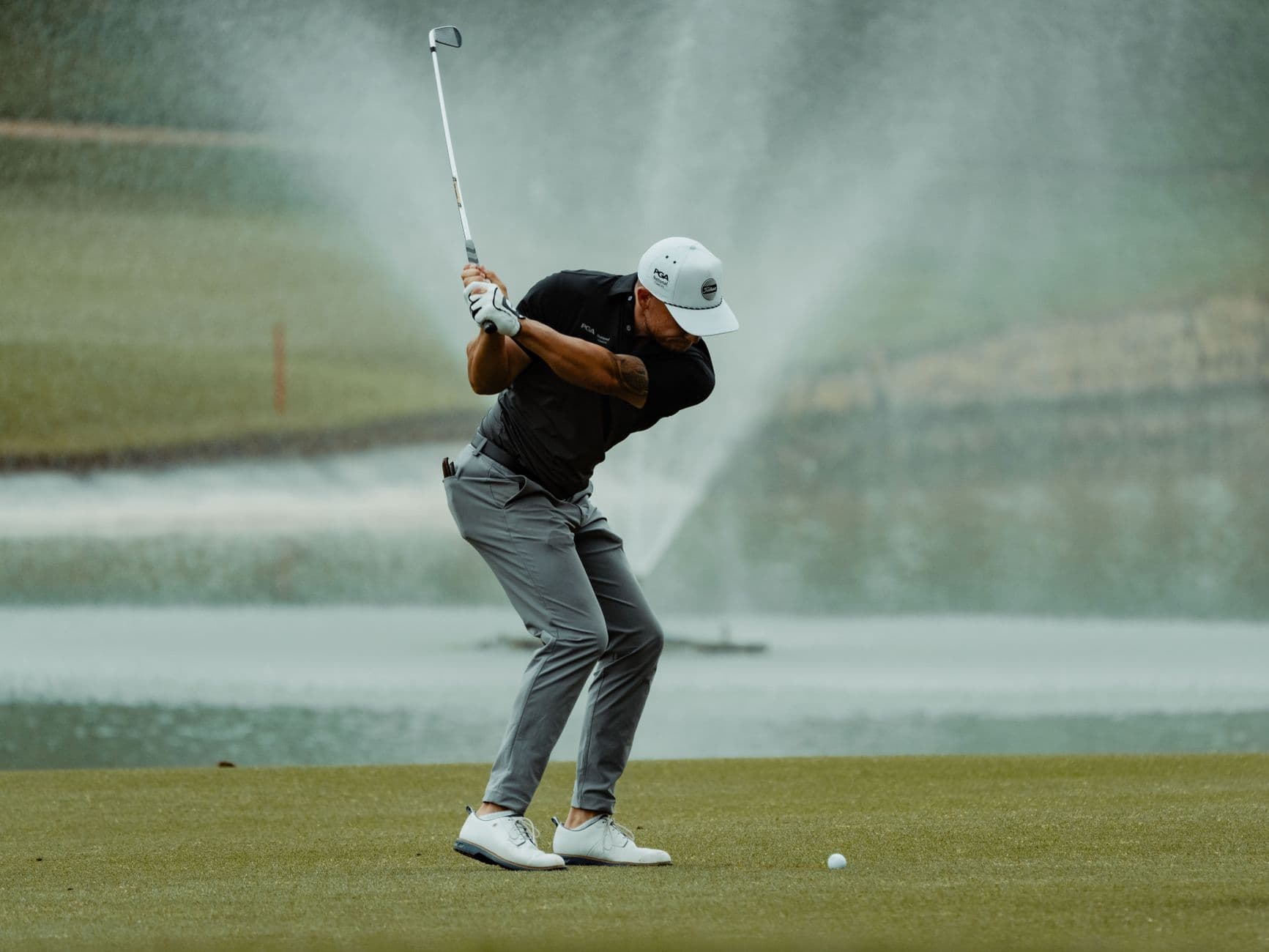
What makes Schauffele's ball-striking so effective begins with his remarkably efficient kinetic chain. His swing generates substantial clubhead speed while maintaining a level of control that manifests in his approach play. The compact nature of his move—shorter than many of his contemporaries—reduces variables and creates repeatable impact conditions under pressure.
His setup promotes a slightly steeper angle of attack with irons, which contributes to the penetrating ball flight that proves invaluable in windy conditions. This becomes particularly relevant at venues like links courses or coastal layouts where wind stability separates contenders from the field.
- Compact backswing minimizes timing variables
- Efficient weight transfer maximizes energy delivery
- Consistent low point control enhances strike quality
- Adaptable shot shapes allow for strategic flexibility
The most underrated aspect of Schauffele's technique may be his ability to control spin rates across different conditions. Whether facing firm and fast setups at major championships or softer conditions early in the season, he adjusts his delivery to optimize performance.
Course Management: The Strategic Dimension
Elite ball-striking means little without the course management to deploy it effectively. Schauffele's caddie, Austin Kaiser, has been instrumental in developing game plans that leverage his client's strengths while minimizing exposure to trouble.
Their approach emphasizes positional play off the tee, particularly on courses where missing fairways carries severe consequences. Rather than chasing every yard, Schauffele often selects clubs that ensure the best angles into greens, accepting slightly longer approach shots in exchange for better lie conditions and preferred attack lines.
The best players don't just hit great shots—they put themselves in positions where good shots become great ones.
— Austin Kaiser, PGA Tour Caddie
This philosophy extends to his approach to par-5s, where he demonstrates patience that belies his ability to reach many in two. When the risk-reward calculus doesn't favor aggression, Schauffele readily lays up to his preferred yardage, trusting his wedge game to manufacture birdie opportunities.
Performance Under Pressure: Major Championship DNA
Schauffele's record in major championships speaks to a particular skillset that distinguishes him from peers with comparable technical abilities. His performances at Augusta National, Pinehurst, Royal Troon, and Valhalla have consistently demonstrated his capacity to elevate when the stakes are highest.
What separates major championship golf from regular Tour events extends beyond course difficulty. The increased green speeds, narrower fairways, and heightened pressure create an environment that rewards precision and punishes marginal errors. Schauffele's game seems almost purpose-built for these conditions.
The Mental Framework
His background as a two-sport athlete at San Diego State—competing in both golf and as a walk-on for the football team—instilled a competitive resilience that manifests in his body language during Sunday back nines. Unlike many players who visibly tighten as pressure mounts, Schauffele maintains a steady demeanor that suggests genuine comfort in high-leverage situations.
This psychological steadiness becomes particularly valuable on courses with demanding closing stretches. His ability to execute his game plan regardless of leaderboard position reflects the kind of process-oriented mindset that sports psychologists preach but few players genuinely internalize.
Equipment Considerations: Optimizing for Consistency
For players seeking to emulate Schauffele's consistency, equipment selection plays a crucial role. His preference for golf balls that deliver reliable spin rates and wind stability aligns with the priorities of serious players seeking to minimize variables in their games.
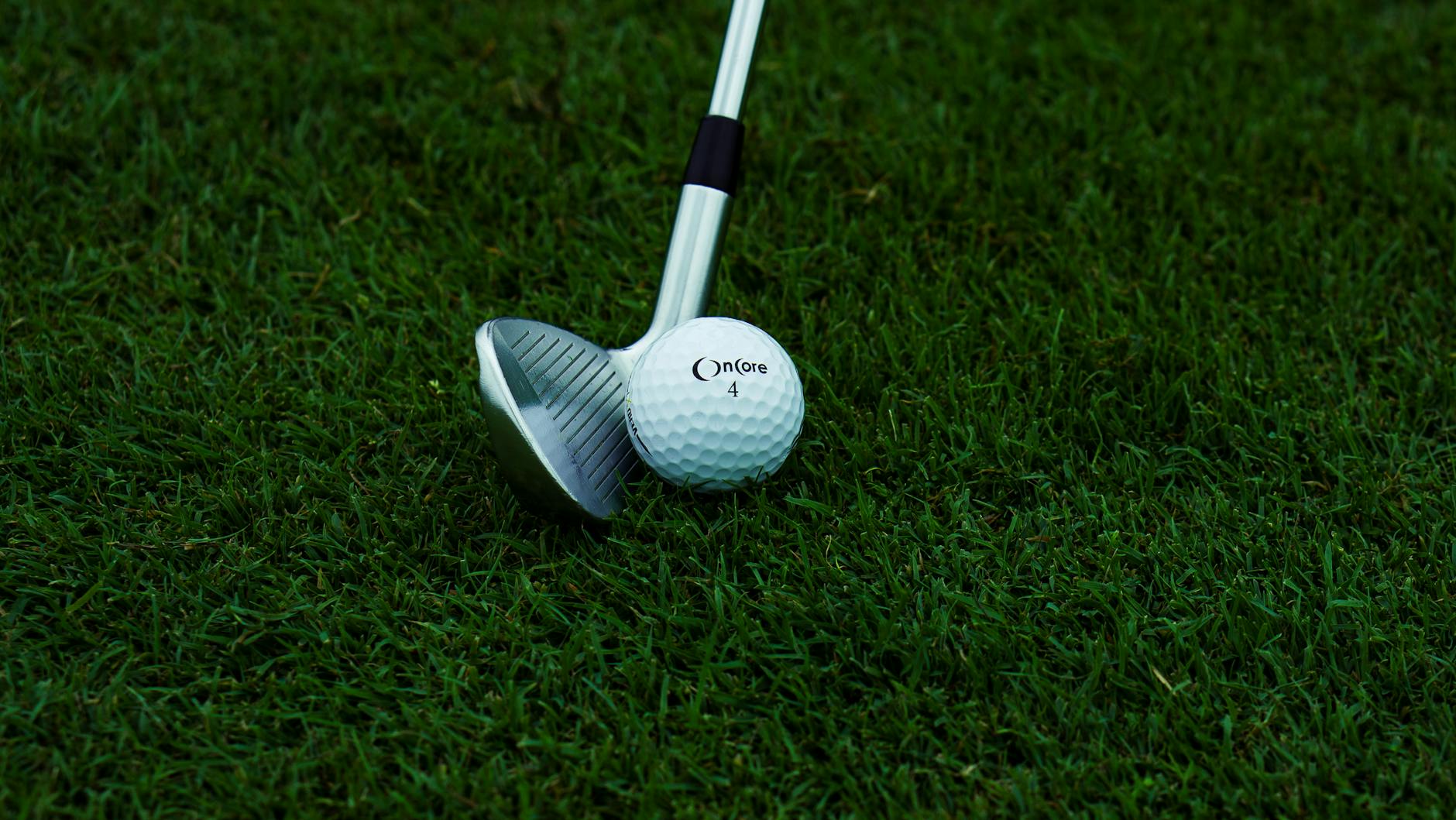
The emergence of high-density core technology in premium golf balls has created new options for players prioritizing penetrating ball flight and consistent performance across varying conditions. Attomax Pro's High-Density line exemplifies this approach, with their Medium compression offering the blend of distance and control that suits players with Schauffele-style swing speeds.
- Evaluate current spin rates with driver and irons
- Test ball performance in windy conditions
- Match compression to swing speed for optimal energy transfer
- Consider shaft flex profiles that promote consistent delivery
Lessons for Competitive Amateurs
The elements of Schauffele's game most applicable to competitive amateurs center on process rather than outcome. His commitment to quality practice, focused course management, and emotional regulation during rounds represents a template that translates across skill levels.
Rather than chasing swing changes based on short-term results, his approach emphasizes incremental improvement in areas that compound over time. For mid-single digit handicaps seeking to break through to scratch or plus territory, this patience-focused methodology offers a sustainable path forward.
As the 2026 season unfolds, Schauffele remains positioned to add to his impressive résumé. Whether the venue favors bombers or precision players, his balanced skillset ensures relevance in virtually any setting. For students of the game seeking to understand elite performance, his continued excellence provides ongoing education in what it takes to compete at golf's highest level.
Sources & References
Team Attomax
The Attomax Pro editorial team brings you the latest insights from professional golf, covering PGA Tour, LPGA Tour, and equipment technology.