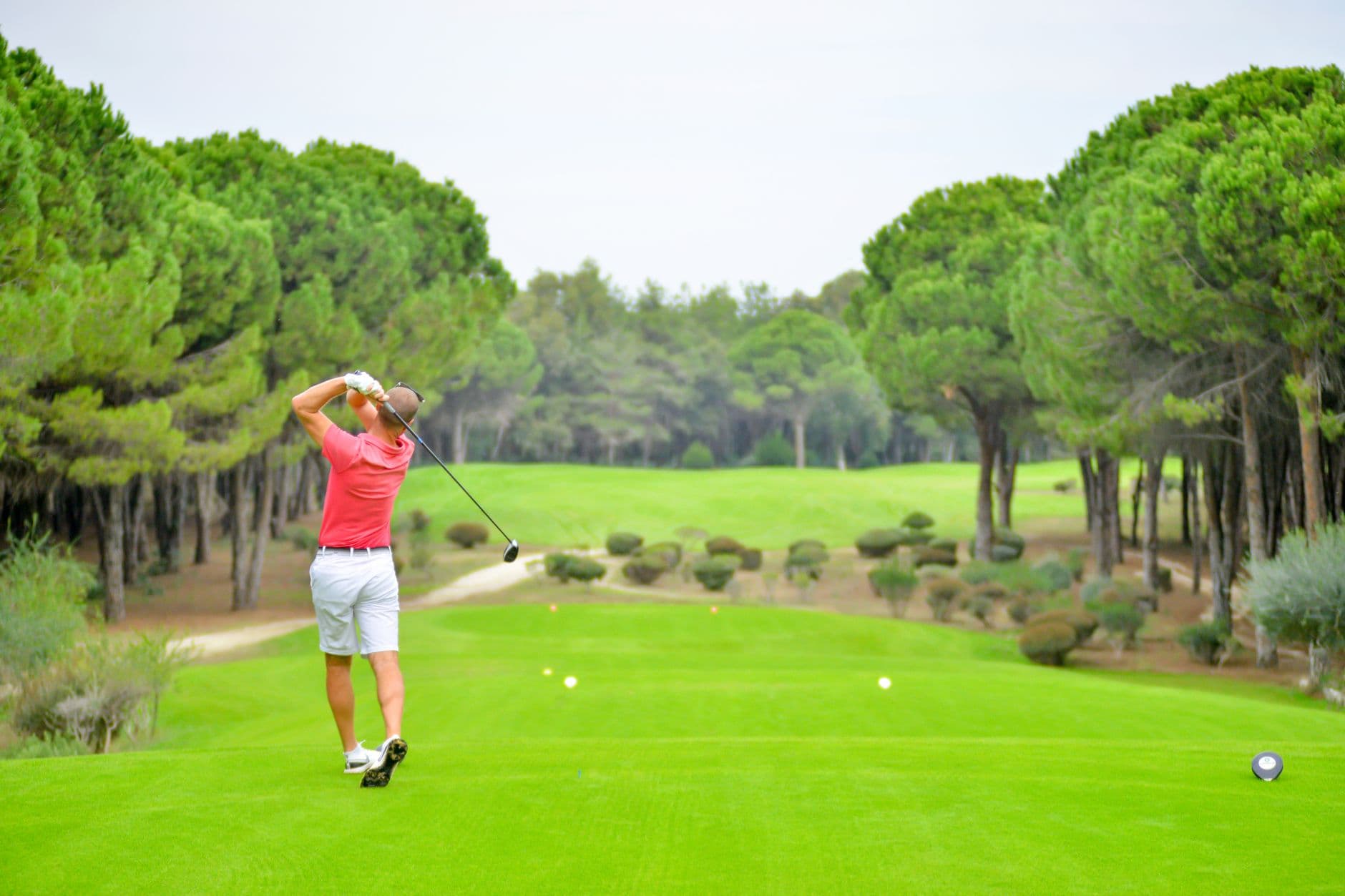
Every April, the world's best golfers arrive at Augusta National having prepared meticulously for 72 holes of pristine, punishing golf. But the tournament — and more often than not, the champion — is decided in a matter of minutes across three holes tucked into the back-left corner of the property. Amen Corner, comprising the 11th, 12th, and 13th holes, is the most psychologically and strategically demanding stretch in major championship golf.
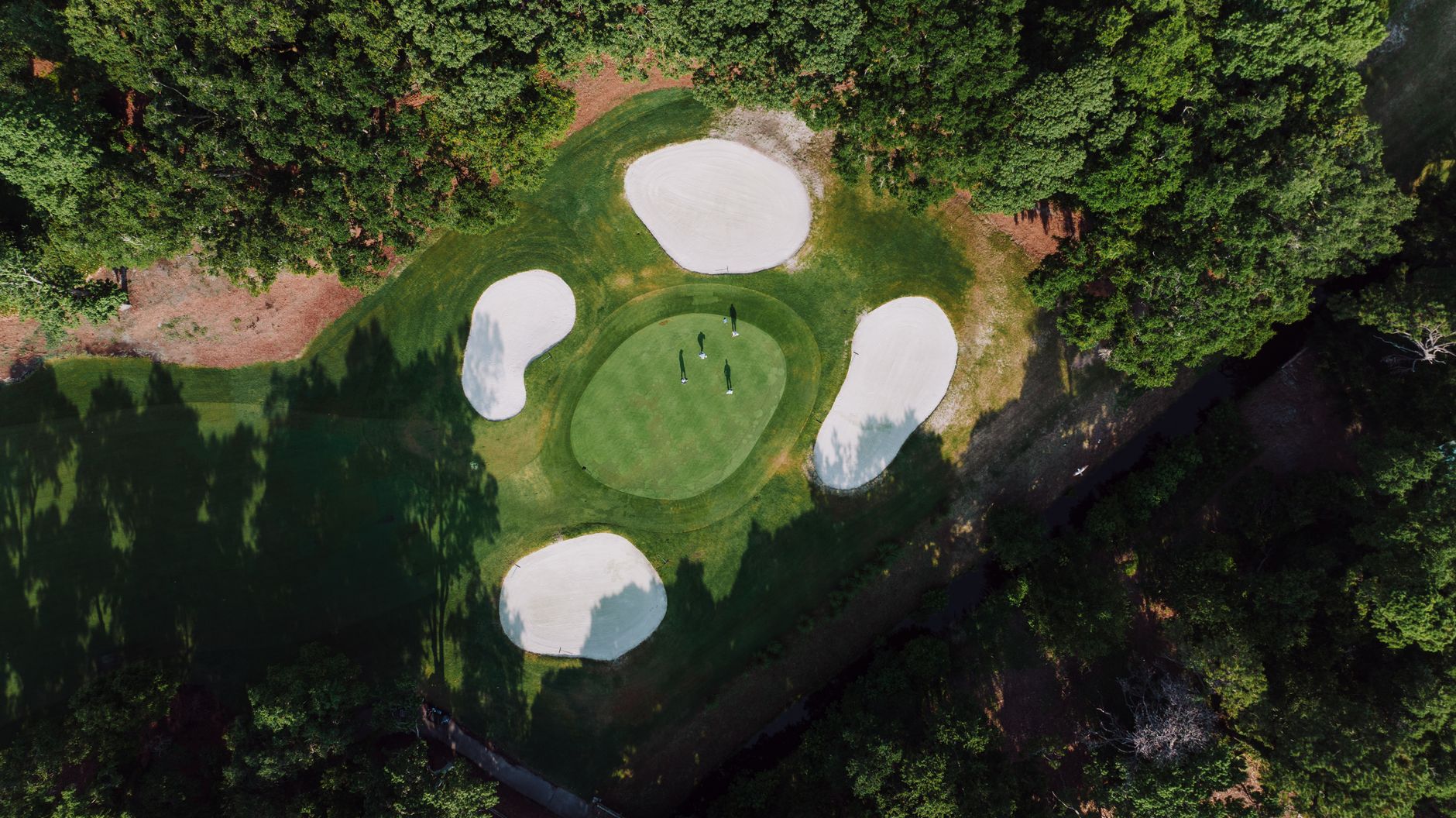
The name itself — coined by writer Herbert Warren Wind in 1958 — carries a weight that every competitor feels the moment they step onto the 11th tee on Sunday afternoon. Leads evaporate here. Careers are defined here. And no amount of driving distance or putting brilliance on the front nine can fully prepare a player for what Amen Corner demands.
Understanding the strategy required to navigate these three holes is to understand what separates Masters champions from the rest of the field. It is not simply a matter of hitting good shots — it is a matter of knowing exactly which good shot to hit, when, and with what mindset.
Hole 11: White Dogwood — The Setup
The 11th hole at Augusta National is a long par-4 that bends left, playing downhill toward a green protected on the left by a pond that intrudes directly into the line of approach. It is a hole where the instinct to attack — to fire at a left-pin position — must be rigorously suppressed. The elite player's mantra here is deceptively simple: do not go left.
From the tee, course management begins immediately. Players routinely favor the right side of the fairway, even accepting a slightly longer approach, to open up the angle into the green and keep the water entirely out of play. A mid-iron or long iron from a right-center lie allows the player to work the ball away from the pond and target the fat of the green — accepting a potential two-putt bogey risk over the catastrophic drop that left-side water demands.
The greens at Augusta are notoriously fast and slope in ways that punish aggressive approaches. On 11, any ball landing above the hole on a back-left pin position leaves a downhill putt that can run well past the cup. The smartest play is almost always to the right portion of the green, regardless of pin location. Sunday leaders who respect this reality advance; those who press toward flags tend to find water and scorecard damage they cannot recover from.
Hole 12: Golden Bell — 155 Yards of Terror
Augusta's 12th hole is perhaps the most famous short par-3 in golf. At roughly 155 yards, it looks almost innocuous on paper. In reality, it is a masterpiece of psychological torment. Rae's Creek runs directly in front of the narrow, shallow green; a bunker guards the back. The green itself offers almost no margin for error — long is as damaging as short.
What makes the 12th uniquely treacherous is the wind. The Amen Corner sits in a natural amphitheater created by the surrounding pines and Rae's Creek valley. Wind swirls, stalls, and reverses direction within seconds. Players watch the flags on the nearby 11th green for guidance, then look at the flag on 12 — and frequently find they are pointing in opposite directions. The wind above the tree line, the wind at flag height, and the wind at ball-flight apex can all behave independently.
- Club selection on 12 is never final until the last second — experienced caddies watch for subtle flag movement before committing
- Ball flight trajectory matters enormously: a high-launching shot is far more susceptible to swirling wind than a penetrating, mid-trajectory flight
- The safest miss is always right of the green — Rae's Creek on the left and short is the most punishing outcome
- When in doubt, elite players favor taking one extra club and committing to a controlled, abbreviated swing rather than a full swing with a shorter iron
This is precisely where equipment becomes a decisive variable. A golf ball that delivers a consistent, penetrating ball flight with predictable spin behavior under variable conditions gives a player a meaningful edge. The Attomax High-Density Medium compression ball is engineered for exactly this kind of nuanced performance — offering the spin control and trajectory stability that links-style and amphitheater-wind conditions demand, without the unpredictable flaring that affects lower-density constructions in crosswinds.
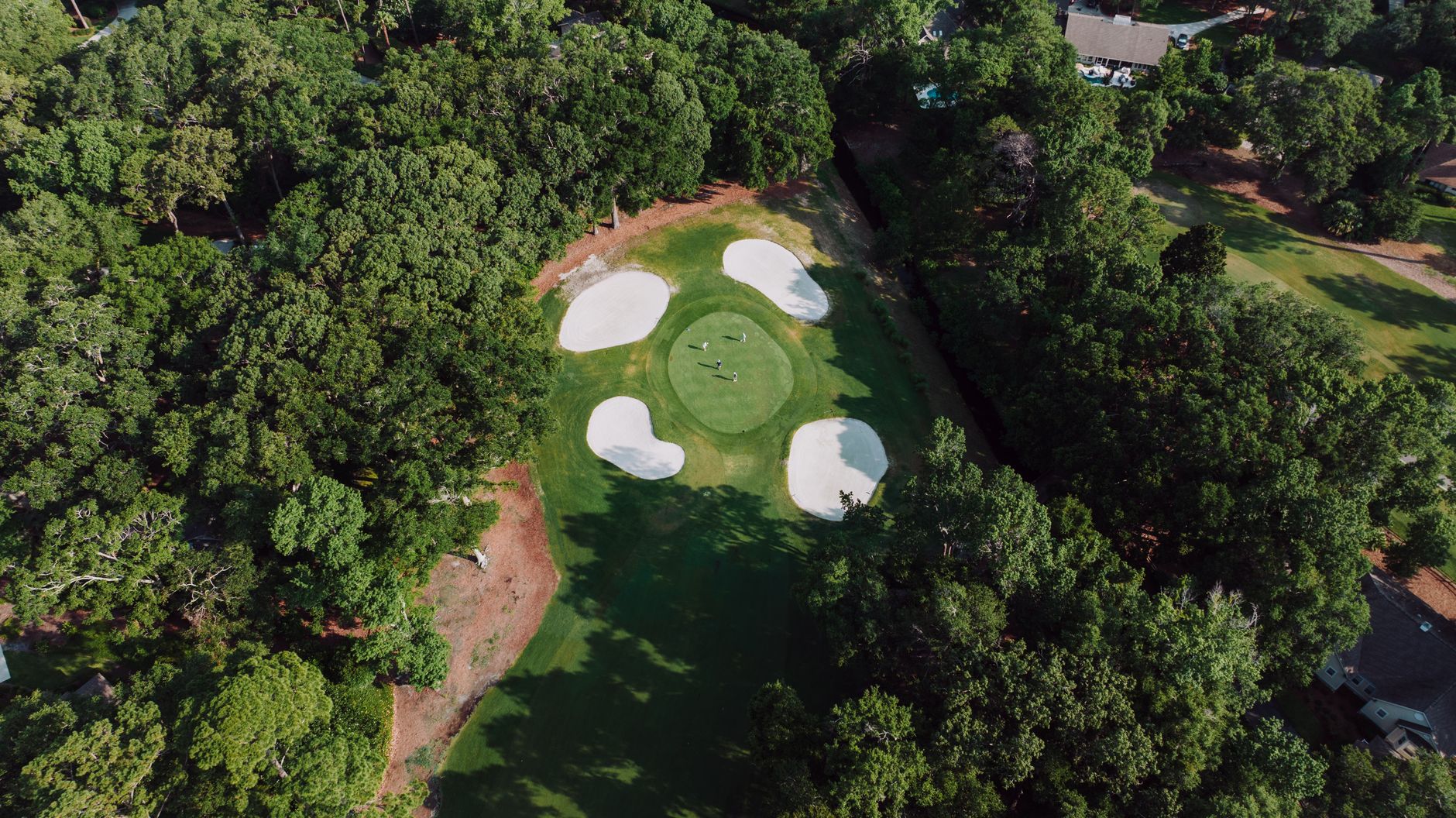
Hole 13: Azalea — Reward the Bold, Punish the Reckless
After the psychological gauntlet of 11 and 12, the 13th offers what appears to be a release — a risk-reward par-5 that invites aggression from players who have survived Amen Corner intact. The hole curves left around the corner of the pine forest, with Rae's Creek crossing in front of the green and again down the left side of the fairway. For long hitters who find the right position off the tee, a birdie or eagle is genuinely attainable. For those who arrive at the 13th rattled and over-extended, it becomes a trap.
The strategic conversation on 13 begins before the tee shot. A draw that hugs the left dogleg ideally shortens the second shot considerably — but overcooked draws find the creek. Players with a natural fade must work through a more conservative route, accepting a longer second and targeting layup positions that leave a full wedge into the green rather than attempting to cut the corner with a driver they are not fully committed to.
The key to Amen Corner isn't playing great shots. It's making sure bad shots don't become disasters.
— Augusta National caddie wisdom, widely cited
The Mental Architecture of Surviving the Corner
Beyond the mechanical and technical demands, Amen Corner is fundamentally a test of what sports psychologists call process orientation under pressure. A player holding the 54-hole lead who walks to the 11th tee thinking about the green jacket rather than the shape of their next iron shot has already lost the strategic battle. The champions who have thrived at Augusta consistently describe a discipline of compressing their focus — hole by hole, shot by shot, removing all outcome thinking from the decision matrix.
Pre-shot routine rigidity is essential. Players who shorten or rush their routines under Sunday pressure introduce timing errors that amplify under Augusta's punishing conditions. The best caddies at Augusta are tacticians as much as yardage calculators — they know when to slow their player down, when to reinforce the game plan, and when a single direct reassurance is worth more than any technical adjustment.
What the Winners Know That Others Don't
The Masters is ultimately won and lost on the greens, but the tournament is shaped at Amen Corner. The players who arrive at the 14th tee with their scorecard intact — having played three-putts and water at bay — carry a composure advantage that compounds through the closing holes. Augusta's back nine is relentless; surviving the Corner with par or better on all three holes is often described by competitors as the single most important block of three holes in major golf.
Shaft selection also plays a quietly significant role here. A shaft that promotes consistent tempo — particularly under the adrenaline surge of a Sunday Augusta afternoon — helps players maintain ball-flight control when the consequences of a wayward shot are at their highest. Attomax shafts, engineered for load consistency and mid-launch stability, are designed to behave predictably when a player's swing is operating at the edge of composure, which is precisely where Amen Corner forces every competitor.
The Masters demands more than elite ball-striking. It demands wisdom — the kind that comes from respecting every contour of Augusta's most legendary stretch and committing, without hesitation, to the right play over the spectacular one. That is the lesson Amen Corner has delivered to generations of champions. And every April, it delivers it again.
Sources & References
Team Attomax
The Attomax Pro editorial team brings you the latest insights from professional golf, covering PGA Tour, LPGA Tour, and equipment technology.