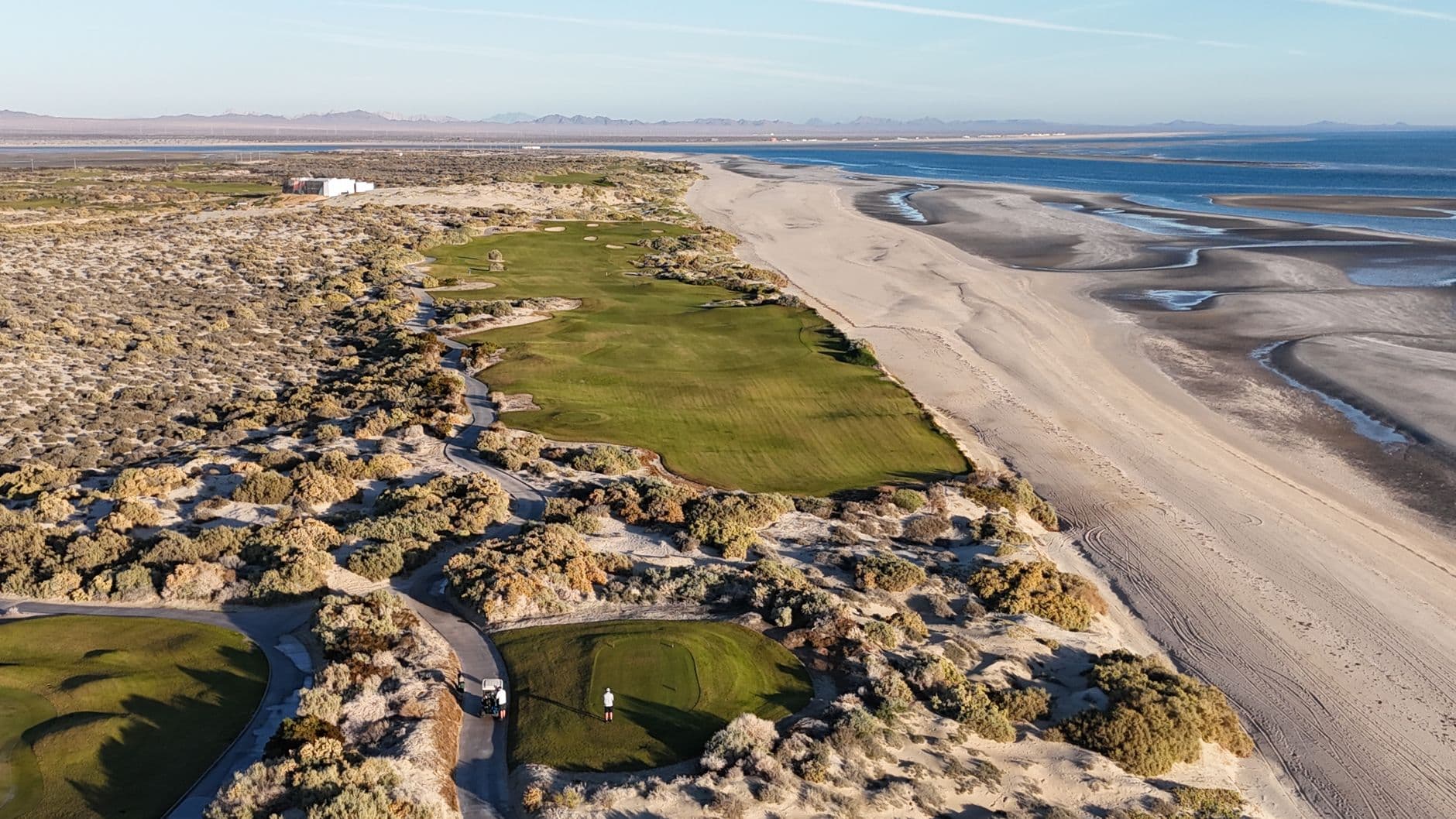
In the rarefied world of American private golf, certain holes transcend mere yardage and par to become living testaments to course design excellence. These signature holes—crafted by legends like Alister MacKenzie, A.W. Tillinghast, and Pete Dye—challenge the game's finest players while embodying the distinct character of their storied clubs.
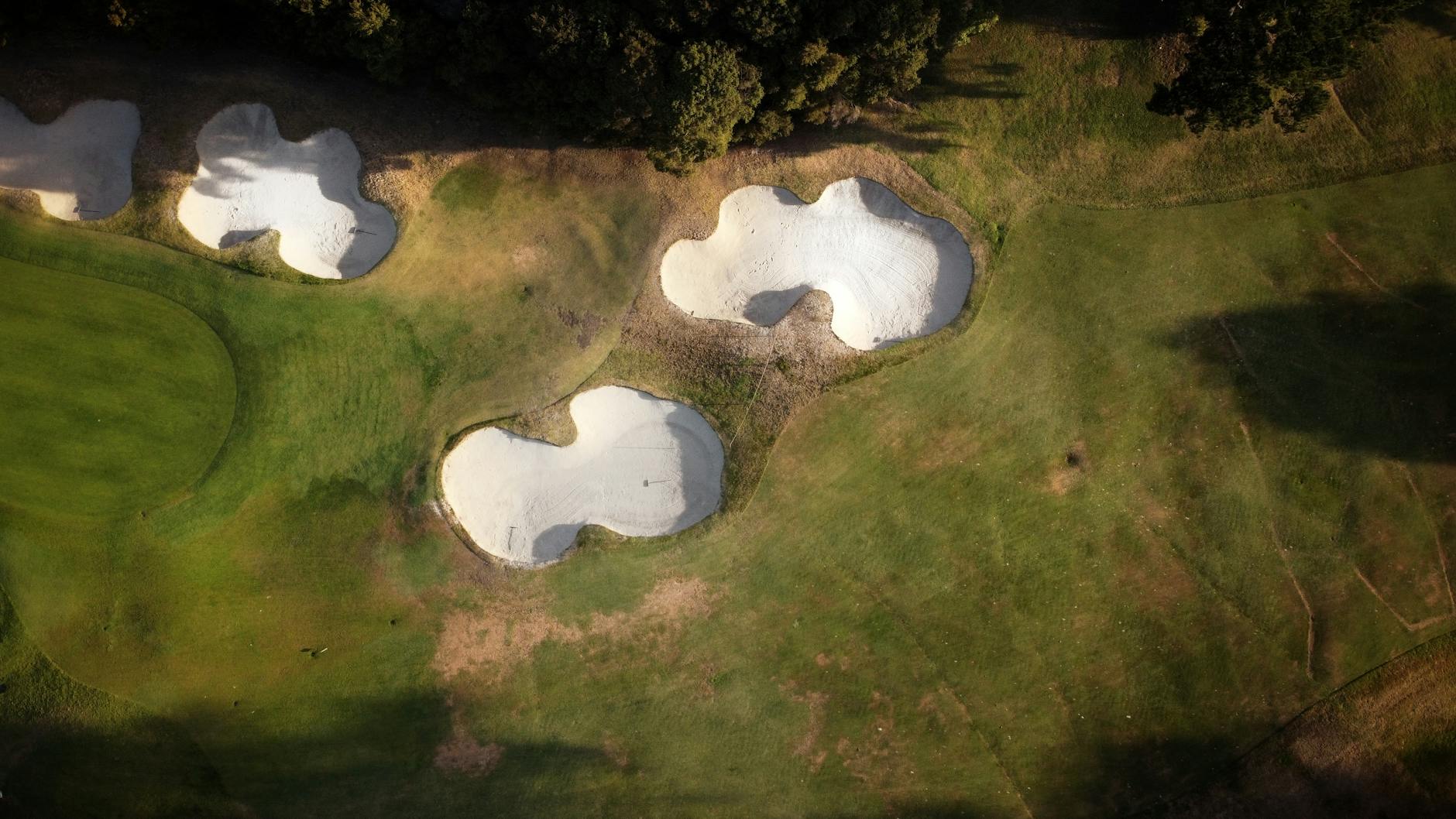
What elevates a hole to signature status? It requires more than scenic beauty or punishing difficulty. The finest signature holes demand strategic thinking, reward precise execution, and leave an indelible impression long after the round concludes. They become the moments players anticipate and the stories they recount for decades.
Augusta National: The Cathedral of American Golf
No discussion of America's elite private clubs begins anywhere but Augusta National Golf Club in Georgia. Home of The Masters since 1934, the Alister MacKenzie and Bobby Jones collaboration represents the pinnacle of strategic course design, where every hole presents multiple paths to par—and multiple ways to make double bogey.
The 12th hole, Golden Bell, stands as perhaps the most famous par-3 in golf. At approximately 155 yards, the yardage appears modest. The reality proves far more treacherous. Rae's Creek guards the front, bunkers lurk behind, and swirling winds through the Georgia pines create club selection nightmares that have undone major championship hopes countless times.
The 12th hole at Augusta is where tournaments are won and lost. It looks simple on television, but standing on that tee with the wind doing strange things, you question everything you know about your game.
— Tour Professional on Augusta's 12th
The combination of psychological pressure, deceptive wind patterns, and the penalty for missing makes Golden Bell the ultimate examination of nerve and technique under major championship conditions.
Pine Valley: The World's Most Difficult Walk
Located in the Pine Barrens of southern New Jersey, Pine Valley Golf Club has earned its reputation as the most demanding inland course in America. George Crump's masterwork, completed posthumously by H.S. Colt, features eighteen holes of unrelenting strategic examination where recovery shots often prove impossible.
The 5th hole exemplifies Pine Valley's philosophy perfectly. This short par-3 of roughly 230 yards plays over a vast sandy wasteland to an elevated green that rejects anything less than perfection. There is no bailout, no safe play, no margin for error. You either execute or you suffer the consequences.
- Pine Valley has never hosted a professional tournament due to spectator limitations
- The club's waiting list reportedly stretches decades
- Every green is isolated by natural sandy areas and dense vegetation
- The course routing allows only one possible path from tee to green
What separates Pine Valley from merely difficult courses is the intellectual requirement. Each hole presents a puzzle that must be solved before the club leaves the bag. Miss the solution, and the sandy wastes exact their toll with ruthless efficiency.
Cypress Point: Where Golf Meets the Pacific
On California's Monterey Peninsula, Cypress Point Club represents Alister MacKenzie's seaside masterpiece. The routing through dunes, forest, and along dramatic oceanside cliffs creates perhaps the most visually stunning eighteen holes in American golf.

The 16th hole defines Cypress Point and arguably all of American golf photography. This par-3 demands a carry of approximately 230 yards entirely over the Pacific Ocean to reach a green perched on a rocky promontory. When the wind blows—and it frequently does—the hole becomes a legitimate test of courage versus discretion.
A safer route exists left of the green, but accepting the bailout means scrambling for par at best. Champions take dead aim and trust their swing. The drama of watching a ball hang over churning Pacific waters before finding the putting surface remains unmatched in golf.
Shinnecock Hills: America's First Great Golf Club
One of the five founding member clubs of the USGA, Shinnecock Hills Golf Club on Long Island represents links-style golf transplanted to American shores. The William Flynn redesign created a course that plays firm and fast, rewarding the ground game while punishing aerial approaches in the persistent ocean winds.
The 7th hole showcases Shinnecock's demanding nature. This par-3 plays to a heavily contoured green protected by deep bunkers and featuring a false front that rejects anything less than perfectly struck. When hosting the U.S. Open, this hole has produced some of the championship's most dramatic moments.
Shinnecock feels like Scotland transported to New York. The wind never stops, the greens are lightning fast, and you need every shot in your bag just to survive.
— Major Championship Competitor
What These Holes Teach Us
Studying America's signature holes reveals consistent themes that apply to golfers at every level. Risk-reward calculation matters enormously—understanding when to attack and when to accept par demonstrates course management maturity that separates elite players from the merely talented.
- Wind awareness becomes paramount on exposed holes—modern equipment helps, but reading conditions remains essential
- Green-side short game saves pars when approach shots find trouble
- Mental composure under pressure separates good scores from disasters
- Course knowledge and preparation cannot be replaced by raw talent
For those seeking equipment that performs in challenging conditions, ball technology has evolved significantly. High-density construction, like that found in Attomax Pro's amorphous metal cores, provides stability in wind and consistent performance on demanding green complexes where spin control proves essential.
The Common Thread
What unites Augusta's 12th, Pine Valley's 5th, Cypress Point's 16th, and Shinnecock's 7th extends beyond their difficulty or beauty. Each hole represents its club's essential character—the strategic philosophy, the aesthetic vision, and the competitive standard that defines membership in these exclusive institutions.
These signature holes remind us why private club golf maintains its allure in an age of daily-fee accessibility. The traditions, the maintained perfection, and the opportunity to test yourself against the same challenges that have humbled professionals for generations—this is what America's elite clubs offer those fortunate enough to walk their fairways.
Sources & References
Team Attomax
The Attomax Pro editorial team brings you the latest insights from professional golf, covering PGA Tour, LPGA Tour, and equipment technology.