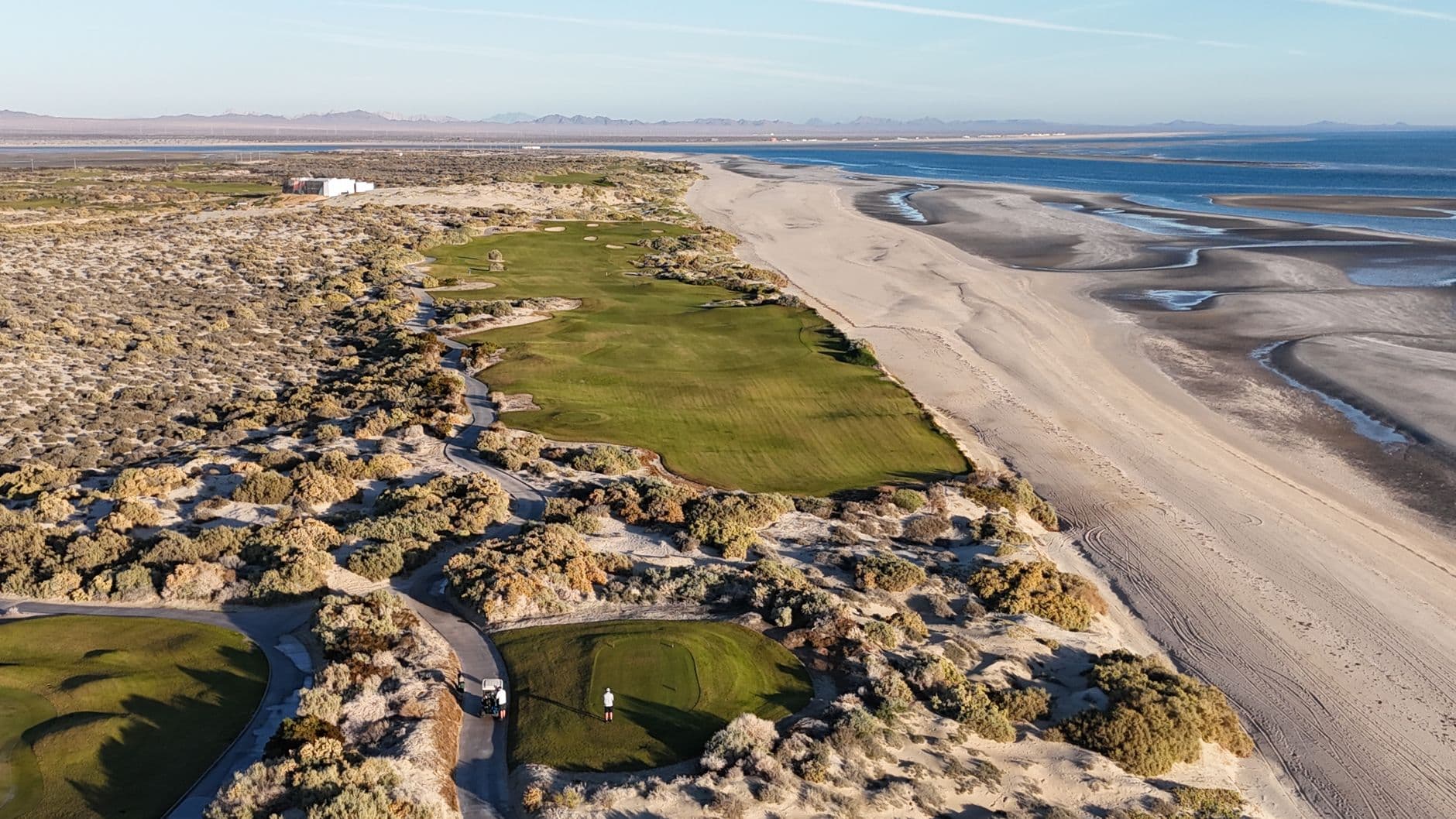
In American golf, certain names carry a weight that transcends scoreboards and television ratings. Augusta National. Pebble Beach. Shinnecock Hills. Cypress Point. These are not merely golf courses — they are institutions, each with a layered history, a fiercely guarded culture, and a membership tradition that has shaped the game at every level.
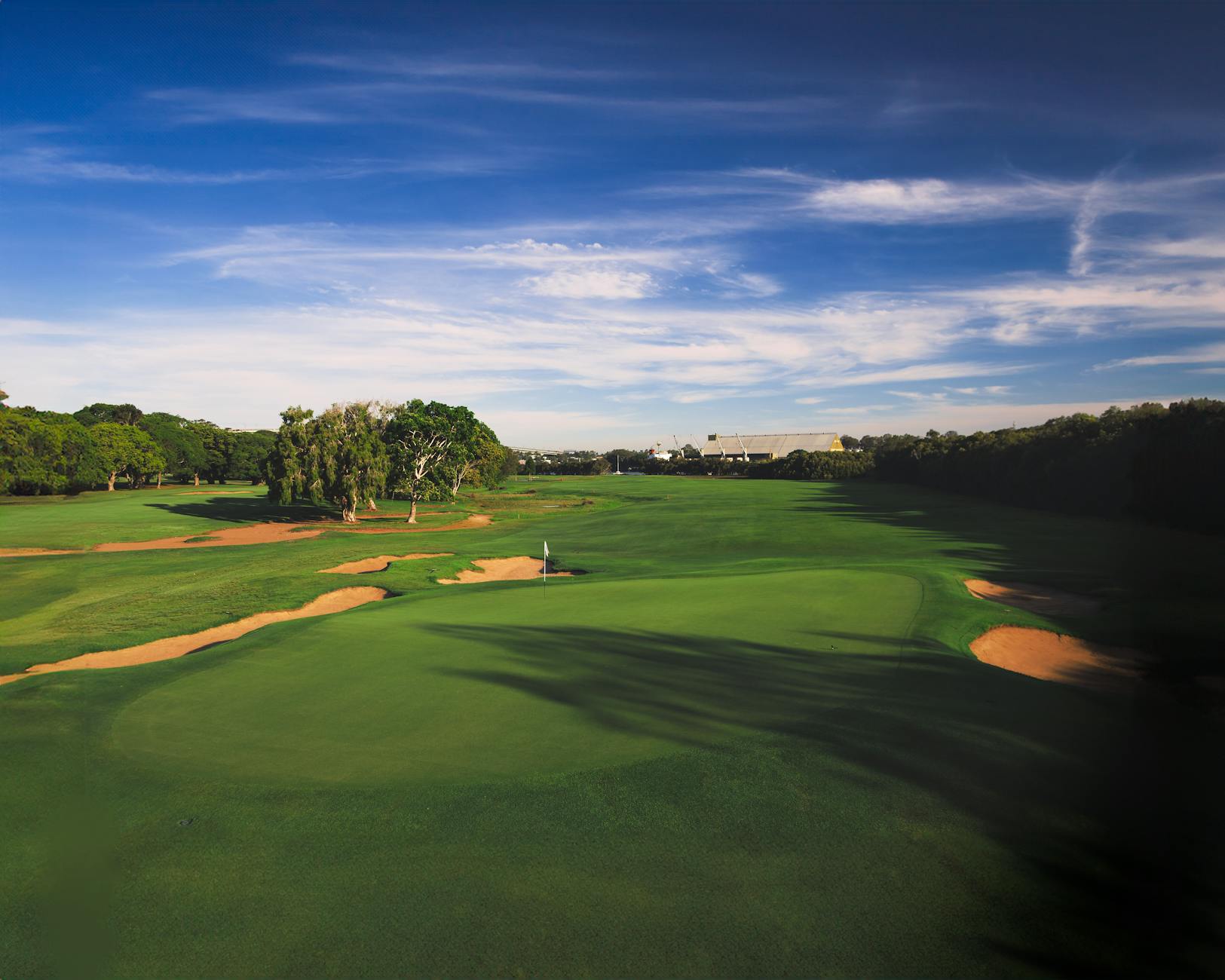
For the serious golfer, understanding these clubs is about more than bucket-list fantasies. It is about appreciating the architectural philosophies, the agronomic standards, and the competitive legacies that continue to influence course design and tournament preparation to this day.
Augusta National: Mystique Beyond the Masters
Founded in 1933 by Bobby Jones and Clifford Roberts, Augusta National Golf Club in Augusta, Georgia, was designed by Alister MacKenzie on land that was formerly an indigo plantation and later a commercial nursery. MacKenzie's routing genius transformed the natural topography into a course that rewards aggressive course management and punishes misread greens ferociously.
The club's membership list is famously undisclosed. There are no published applications, no waiting lists made available to the public, and no stated membership fee. Invitations are extended at the club's discretion — typically to prominent figures in business, entertainment, government, and sport. The green jacket, awarded to Masters champions and worn by members, remains one of sport's most recognizable symbols of prestige.
Augusta's greens, predominantly bent grass, are maintained at stimpmeter readings that are among the fastest in competitive golf. Understanding the breaks at Amen Corner — holes 11, 12, and 13 — is an exercise in reading slope, grain, and wind that challenges even the world's elite players annually.
Shinnecock Hills: America's Oldest Test
Established in 1891 on the eastern end of Long Island, Shinnecock Hills Golf Club is among the oldest golf clubs in the United States and one of the five founding members of the United States Golf Association. The course, sculpted through natural terrain of rolling fescue and exposed sand, is a genuine links-style layout that demands creativity off the tee and a precise understanding of wind trajectories.
The club has hosted the US Open on multiple occasions, and each staging has produced some of the most memorable and brutal scoring conditions in Major championship history. The combination of firm, fast fairways and unpredictable coastal winds makes Shinnecock a true examination of ball flight control — the kind of environment where shaft selection and ball compression become critical variables.
Membership at Shinnecock is invitation-only, rooted in legacy connections and deep ties to the Southampton community. The clubhouse itself, designed by Stanford White in 1892, is a National Historic Landmark, adding an architectural and cultural dimension that few clubs worldwide can rival.
Cypress Point: The Course That Defied Categorization
Designed by Alister MacKenzie and opened in 1928 on the Monterey Peninsula in California, Cypress Point Club is widely regarded by golf architects and historians as one of the finest — if not the finest — pieces of golf course design ever executed. The routing moves through coastal forest, heathland, and dramatic oceanside cliff terrain in a sequence that feels almost impossibly varied for 18 holes.
The club's membership is exceptionally small by design — reportedly fewer than 300 members — and the waitlist is measured not in years but in decades. There are no tee times in the conventional sense. Play is casual, unrushed, and entirely private. No professional tournament has been held here since the club withdrew from the AT&T Pebble Beach Pro-Am in 1991 over USGA diversity policy disputes.

Pebble Beach: Public Access to Private Greatness
Pebble Beach Golf Links occupies a unique position in American golf: it is a public course of historic Major championship caliber. Open for daily-fee play along the Carmel Bay coastline of the Monterey Peninsula, it has hosted multiple US Opens and remains one of the most-played premium venues in the world, albeit at a price point accessible only to committed enthusiasts.
What makes Pebble Beach particularly demanding at a competitive level is the interplay between ocean wind and elevation change. The back nine, from the iconic par-3 7th to the closing stretch along the bluffs, requires precise trajectory management. A mid-iron that flies too high in a stiffening onshore wind becomes an unplayable equation. This is precisely the kind of environment where equipment decisions — particularly shaft weight and flex profile — separate professionals from aspirational amateurs.
If I could play only one course for the rest of my life, this would be it.
— Jack Nicklaus, on Pebble Beach Golf Links
Winged Foot: The Architect of Suffering
A.W. Tillinghast designed both the West and East courses at Winged Foot Golf Club in Mamaroneck, New York, and the West course in particular has developed a fearsome reputation through multiple US Open stagings. Tillinghast's design philosophy favored penal rough, elevated and contoured greens, and relentless demands on approach shot accuracy.
The club maintains a traditional membership model — private, invitation-based, and deeply rooted in Westchester County social fabric. The culture at Winged Foot prizes competitive golf; the membership includes a disproportionate number of scratch and near-scratch players relative to most private clubs, a direct reflection of the course's unforgiving design which filters out casual interest quickly.
- Augusta National (Augusta, GA): Founded 1933, designed by Alister MacKenzie, host of The Masters annually
- Shinnecock Hills (Southampton, NY): Established 1891, one of five founding USGA clubs, multiple US Open host
- Cypress Point (Pebble Beach, CA): Opened 1928, MacKenzie design, fewer than 300 members reportedly
- Pebble Beach Golf Links (Pebble Beach, CA): Public access, US Open host, Jack Nicklaus's self-declared favorite
- Winged Foot Golf Club (Mamaroneck, NY): Tillinghast design, known for demanding rough and elevated greens
What Separates These Clubs From the Rest
Beyond the architecture and the championship pedigree, what unites America's most iconic clubs is an unwavering commitment to agronomic excellence. Surfaces are maintained to specifications that reflect competitive conditions year-round. The fescue fairways at Shinnecock, the perfectly contoured bentgrass greens at Augusta, and the coastal kikuyu at Pebble Beach each present uniquely different ball interaction challenges.
This agronomic diversity is precisely why equipment calibration matters so profoundly at elite courses. On firmer, faster surfaces — the kind you encounter at Shinnecock or Cypress Point — ball compression and cover responsiveness become central to spin control on approaches. Attomax's High-Density amorphous metal core technology is engineered for exactly this variability, offering three compression profiles (Soft, Medium, and Hard) that allow players to match ball behavior to specific course conditions rather than defaulting to a one-size-fits-all solution.
Membership Culture: Tradition in a Changing Landscape
The membership traditions at America's premier clubs are evolving, if incrementally. Augusta National admitted its first female members in 2012. Many clubs have revisited legacy policies in response to broader cultural conversations, though the fundamental architecture of invitation-based, legacy-weighted membership remains largely intact at the top tier.
For most elite golfers, access to these clubs comes through professional connection, competitive achievement, or generational membership ties. The culture that exists within their gates — the unstructured afternoon rounds, the absence of commercial signage, the agronomic obsession — represents a version of golf that is deliberately insulated from the sport's commercial machinery. That insularity is, paradoxically, part of what makes these clubs so influential on the game's broader direction.
America's iconic country clubs are more than landmarks on a golfer's wish list. They are laboratories of design philosophy, centers of competitive culture, and custodians of a standard of excellence that trickles down into every level of the game. Understanding what makes them exceptional is, ultimately, a study in what makes golf itself worth playing at the highest possible level.
Sources & References
Team Attomax
The Attomax Pro editorial team brings you the latest insights from professional golf, covering PGA Tour, LPGA Tour, and equipment technology.