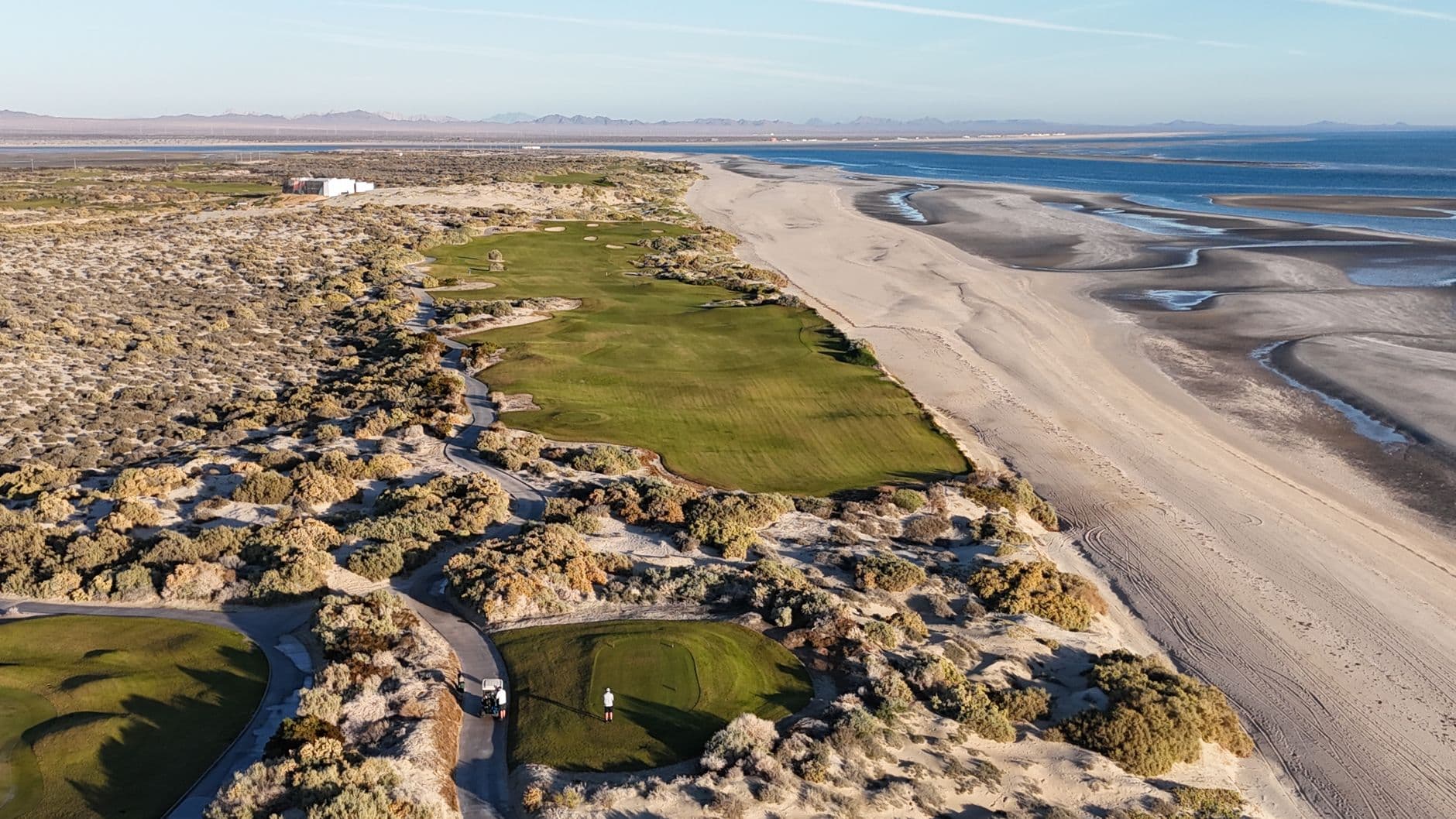
In the world of American golf, certain names carry an almost mythical weight. These aren't merely venues where rounds are played—they're living monuments to the game's evolution, architectural innovation, and the complex social tapestry that has defined elite golf for over a century. Understanding these institutions offers insight into both where the sport has been and where it continues to head.

For the serious golfer, membership at one of America's iconic country clubs represents more than access to pristine conditioning and championship layouts. It's entry into a fraternity built on tradition, discretion, and an unwavering commitment to the game's highest standards.
Augusta National Golf Club: The Cathedral of American Golf
No discussion of American golf institutions can begin anywhere other than Augusta National. Founded in 1933 by Bobby Jones and Clifford Roberts on the site of a former commercial nursery, the club has become synonymous with excellence and mystique. The property's horticultural heritage explains those famous azaleas and dogwoods that frame every Masters broadcast.
Augusta's membership roster has historically included titans of industry, former presidents, and carefully selected luminaries. The club admitted its first female members in 2012—former Secretary of State Condoleezza Rice and financier Darla Moore—marking a significant shift after decades of controversy. Membership numbers are estimated at roughly 300, though the club never confirms such details.
There is no other golf tournament in the world that means as much to me as this one.
— Jack Nicklaus on The Masters
What sets Augusta apart isn't just the Masters—it's the relentless pursuit of perfection. The course undergoes continuous refinement, with length added strategically over the years to challenge modern equipment and athleticism. For those fortunate enough to play it outside of tournament conditions, the experience reportedly delivers on every expectation.
Pine Valley Golf Club: The Ultimate Test
Tucked away in the New Jersey Pine Barrens, Pine Valley has long been considered by course architecture aficionados as perhaps the greatest golf course ever built. George Crump's masterpiece, completed after his death in 1918, presents a demanding examination of every aspect of a golfer's game.
The club's membership practices remain extraordinarily private. What is known: Pine Valley operates on an invitation-only basis, with prospective members requiring sponsorship from existing members and undergoing a lengthy vetting process. The club admitted women as members for the first time in 2021, ending over a century of male-only membership.
- Founded: 1913 by Philadelphia hotelier George Crump
- Location: Pine Valley, New Jersey (about 20 miles from Philadelphia)
- Course Architects: George Crump with consultation from H.S. Colt
- Notable Feature: Virtually every hole is isolated by dense forest, creating a cathedral-like atmosphere
Playing Pine Valley demands precise shot-making and course management mastery. The sandy waste areas, severe green complexes, and heavily wooded corridors punish wayward shots mercilessly. It's a ball-striker's paradise—or nightmare, depending on your form that day.
Shinnecock Hills Golf Club: America's Links Heritage
Perched on the eastern end of Long Island, Shinnecock Hills stands as one of the five founding member clubs of the USGA. Established in 1891, it predates most American golf history and maintains genuine links characteristics rare on this side of the Atlantic.

The club's Stanford White-designed clubhouse—the oldest golf clubhouse in America—overlooks Peconic Bay and sets the tone for an experience rooted in understatement rather than ostentation. Shinnecock has hosted multiple U.S. Opens, with the championship returning periodically to test the world's best against its wind-swept fairways and fiendishly contoured greens.
Membership remains highly selective, with a reported initiation fee among the highest in American golf. The club draws heavily from established Long Island families and New York business leaders, though specific numbers and fees are not publicly disclosed.
Course Management at Shinnecock: A Strategic Primer
For those fortunate enough to play Shinnecock, success requires embracing links-style thinking. Club selection must account for the ever-present wind off the bay, and approach shots demand creativity—running the ball onto greens rather than attacking pins directly often proves the wiser strategy.
Cypress Point Club: Pacific Drama
Alister MacKenzie's 1928 creation along California's Monterey Peninsula represents perhaps the most visually stunning golf course in America. The famous 15th, 16th, and 17th holes trace the Pacific coastline in a sequence of breathtaking beauty and terrifying challenge.
Cypress Point's membership hovers around 250, making it among the most exclusive clubs in the world. The club withdrew from hosting the AT&T Pebble Beach Pro-Am rotation in 1991 and has maintained an exceptionally low profile since. Membership turnover is minimal, with spots opening only upon death or resignation—waiting lists reportedly stretch for decades.
If I were condemned to play only one course for the rest of my life, I would pick Cypress Point.
— Golf course architect Tom Doak
The Membership Question: What It Takes
Across America's most prestigious clubs, common threads emerge in the membership process. Financial capability, while necessary, is rarely sufficient. Sponsorship from existing members—often multiple sponsors—is universally required. Character references, social compatibility, and demonstrated passion for the game all factor into considerations.
- Strong sponsorship from current members who stake their reputation on the candidate
- Demonstrated commitment to golf and club life, not merely trophy collecting
- Financial stability (initiation fees at top clubs reportedly range from $250,000 to over $500,000)
- Patience—waiting periods of five to ten years are not uncommon at the most exclusive institutions
- Geographic considerations—some clubs prioritize local or regional members
For the accomplished player seeking both challenge and tradition, these clubs represent the pinnacle of American golf. Whether your game benefits from Attomax High-Density technology helping you hold lines in Shinnecock's coastal winds or providing the consistent performance demanded by Pine Valley's exacting shot values, preparation meets opportunity at these storied venues.
Preserving Tradition While Embracing Change
America's iconic clubs face an ongoing balancing act: honoring histories that span more than a century while adapting to contemporary expectations around inclusion, environmental stewardship, and the evolving nature of elite golf. The recent membership policy changes at Pine Valley and Augusta signal that even the most traditional institutions recognize the need for evolution.
What remains constant is the commitment to excellence—in course conditioning, member experience, and the preservation of golf's highest ideals. These clubs don't merely host rounds of golf; they serve as guardians of the game's heritage and standard-bearers for its future.
Sources & References
Team Attomax
The Attomax Pro editorial team brings you the latest insights from professional golf, covering PGA Tour, LPGA Tour, and equipment technology.