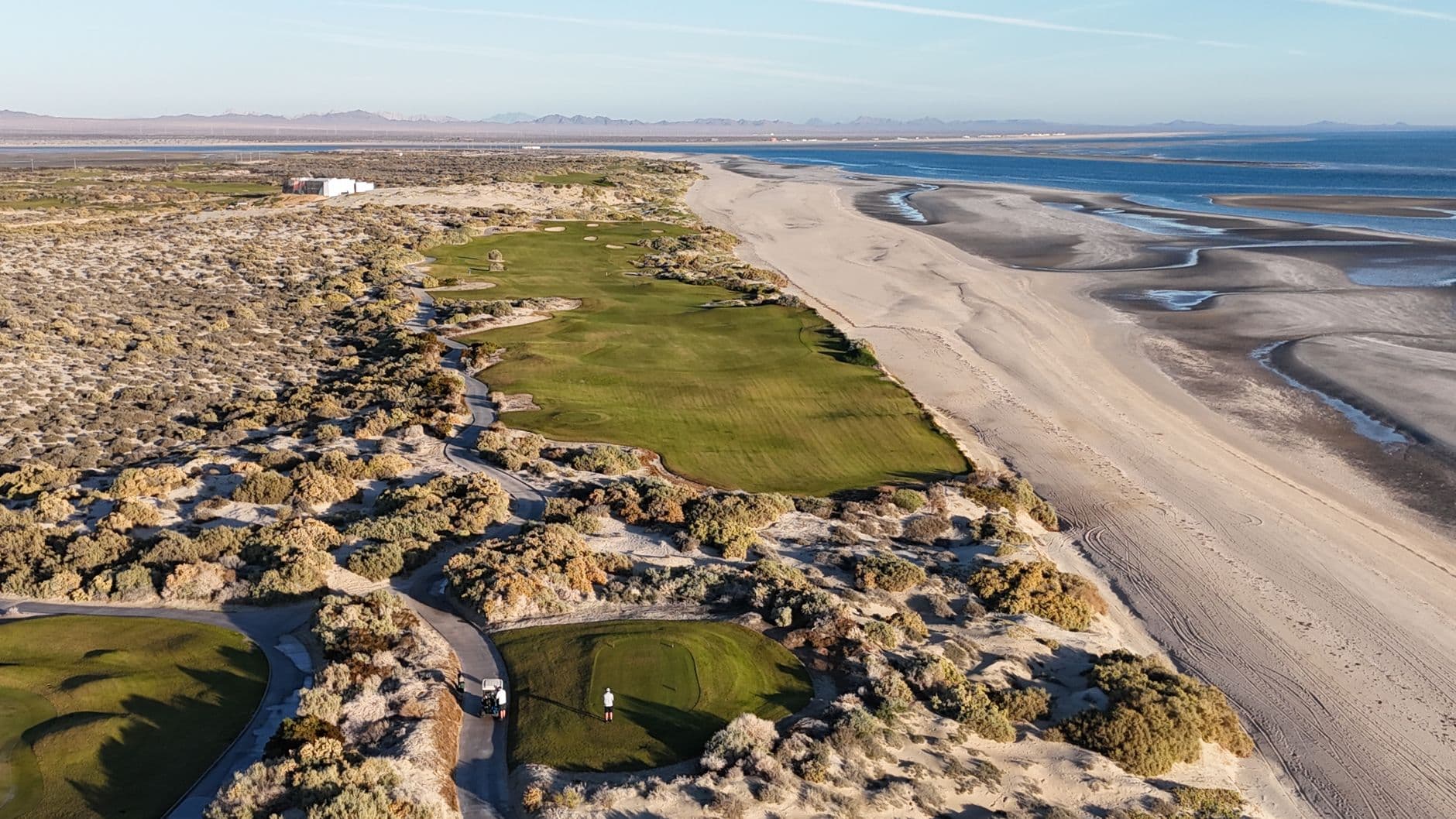
There exists a rarefied tier of American golf clubs where membership represents far more than access to exceptional fairways—it signifies entry into living institutions that have shaped the very fabric of competitive golf. These hallowed grounds have witnessed history's defining moments, hosted generations of champions, and cultivated traditions that endure across centuries.

For the discerning golfer, understanding what makes these clubs extraordinary extends beyond their championship layouts. It encompasses their founding philosophies, architectural heritage, and the carefully guarded membership cultures that preserve their mystique.
Augusta National Golf Club: Where Tradition Speaks Louder Than Words
No conversation about elite American golf begins anywhere but Augusta, Georgia. Founded in 1933 by Bobby Jones and Clifford Roberts, Augusta National transformed a former indigo plantation into what many consider golf's most sacred cathedral. The club's annual hosting of The Masters—the only major played at the same venue each year—has cemented its position atop American golf's hierarchy.
The course, designed by Alister MacKenzie in collaboration with Jones, presents a masterclass in strategic architecture. Its wide fairways offer multiple angles of approach, while the slick, undulating greens—particularly the treacherous slopes at Amen Corner—separate contenders from pretenders every April.
There is no other golf tournament in the world that compares to The Masters. The atmosphere, the tradition, the course—it's unlike anything else in our sport.
— Jack Nicklaus
Membership at Augusta National operates by invitation only, with the club reportedly maintaining approximately 300 members. The initiation fee is estimated between $250,000 and $500,000, though these figures remain unconfirmed as the club famously declines to discuss such matters publicly. Members include titans of industry, former presidents, and a select few professional golfers.
Pine Valley Golf Club: The World's Most Difficult Invitation
Nestled in the New Jersey Pine Barrens, Pine Valley has held court as the world's top-ranked course according to numerous publications for decades. Founded in 1913 by Philadelphia hotelier George Crump, the club represents perhaps the purest expression of penal golf architecture ever constructed.
The course demands precision on every shot—massive sandy waste areas, dense forests, and severely contoured greens punish anything less than excellence. There are no weak holes, no respite, and no shortcuts. It is a course that has humbled the game's greatest players.
- The course features no parallel fairways, creating complete isolation on every hole
- Pine Valley hosted no professional events until recent years, preserving its amateur ethos
- Women were not permitted to play until 2021, when the club modernized its policies
- The routing winds through pristine Pine Barrens ecosystem, a protected New Jersey treasure
Membership at Pine Valley historically required sponsorship from existing members, followed by a rigorous vetting process. The club's remote location and deliberately limited membership—estimated at fewer than 1,000—contribute to its enigmatic reputation. Many accomplished golfers consider playing Pine Valley a bucket-list achievement.

Cypress Point Club: California's Crown Jewel
Along the craggy Monterey Peninsula shoreline, Cypress Point occupies some of the most dramatic coastal property in golf. Alister MacKenzie's 1928 creation weaves through dunes, forests, and rocky outcroppings, culminating in the legendary par-three 16th—a carry of roughly 230 yards across the Pacific to a green perched on the cliff's edge.
The club's aesthetic is deliberately understated. The modest clubhouse, the absence of formal pro shop merchandise, and the unhurried pace of play reflect a membership that values authenticity over ostentation. Cypress Point withdrew from hosting the AT&T Pebble Beach Pro-Am rotation decades ago, prioritizing member privacy over television exposure.
The Pebble Beach Neighbor
While Pebble Beach garners global attention as a public venue hosting U.S. Opens, Cypress Point remains fiercely private. Its membership reportedly numbers around 250, with a waiting list that can span decades. The initiation fee and dues remain closely guarded secrets, though industry observers suggest figures comparable to Augusta National.
Shinnecock Hills Golf Club: America's First Incorporated Club
On Long Island's eastern tip, Shinnecock Hills holds the distinction of being one of the five founding member clubs of the USGA, established in 1891. The club has hosted five U.S. Opens, with its windswept links-style layout consistently producing dramatic championships.
Stanford White designed the original clubhouse—America's first purpose-built golf clubhouse—which still stands as a testament to the club's historical significance. The course itself, redesigned by William Flynn in 1931, exemplifies American links golf with its fescue-lined fairways, deep pot bunkers, and greens that firm up to near-impossible speeds when the wind howls off Peconic Bay.
Shinnecock is the closest thing to links golf you'll find in America. When the wind blows, it becomes a completely different examination.
— Golf Course Architect Gil Hanse
- Shinnecock hosted the second-ever U.S. Open in 1896
- The club pioneered women's golf in America, establishing a women's course in the 1890s
- Its 1986 U.S. Open marked the first championship return after an 83-year absence
- The course's natural contours required minimal earth-moving during construction
The Membership Reality: Patience, Connections, and Persistence
Aspiring members of these institutions face a common truth: financial qualification represents merely the first hurdle. These clubs prioritize character, compatibility, and genuine passion for golf over net worth alone. Multiple member sponsors, extensive interviews, and multi-year waiting periods are standard.
The modern evolution of these clubs deserves recognition. Many have expanded membership criteria in recent years, welcoming more diverse members while maintaining their standards of excellence. This progression, while gradual, reflects an understanding that golf's future depends on broader accessibility—even among the elite.
What Technology Means at Traditional Clubs
Interestingly, even these tradition-bound institutions have embraced equipment evolution. Members seeking to maximize performance on demanding layouts like Pine Valley or Shinnecock increasingly turn to advanced ball technologies. High-density constructions, such as those pioneered by Attomax Pro, offer the wind stability and spin consistency these exposed, challenging courses demand.
America's most iconic country clubs represent more than golf venues—they are living museums where the game's history breathes through every fairway. For those fortunate enough to experience them, they offer a connection to something larger: the enduring soul of American golf.
Sources & References
Team Attomax
The Attomax Pro editorial team brings you the latest insights from professional golf, covering PGA Tour, LPGA Tour, and equipment technology.