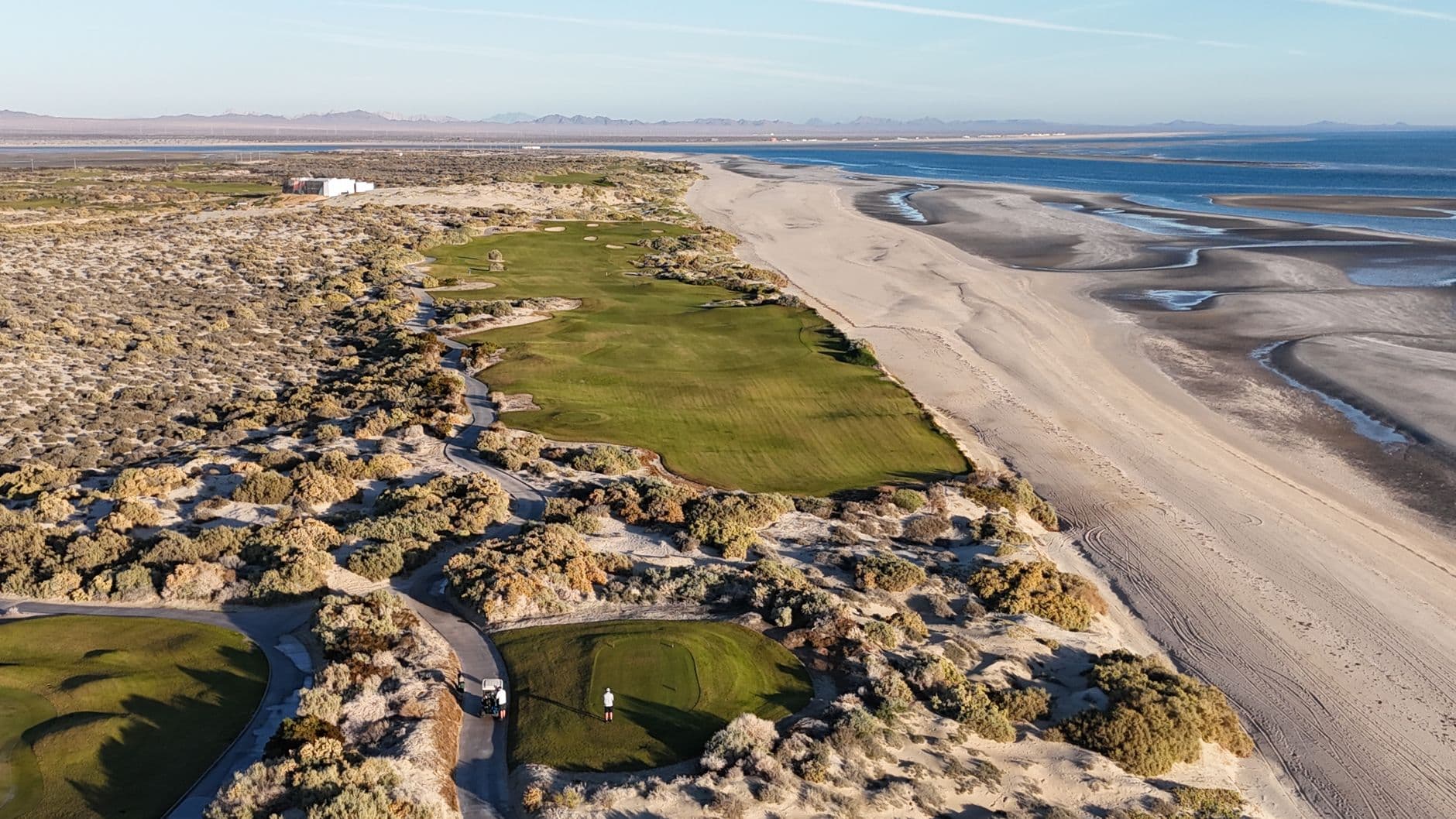
Few institutions in sport carry the weight of tradition quite like America's elite country clubs. These hallowed grounds have witnessed history unfold—Bobby Jones conquering Augusta, Jack Nicklaus dominating Pebble Beach, and generations of champions etching their names into golf's eternal ledger. Beyond the championship moments, these clubs represent something deeper: a preservation of the game's soul and an unwavering commitment to excellence.

Understanding what makes these clubs legendary requires looking beyond their immaculate conditioning and into their DNA—the founding visions, the architectural philosophies, and the membership traditions that have shaped American golf culture for over a century.
Augusta National Golf Club: Where Tradition Meets Perfection
No conversation about prestigious American clubs begins anywhere other than Augusta National. Founded in 1933 by Bobby Jones and Clifford Roberts on the site of a former nursery, the club's genesis was revolutionary. Jones, having retired from competitive golf at 28 after completing the Grand Slam, sought to create a course that would challenge the game's best while remaining playable for members of varying abilities.
Alister MacKenzie's design transformed the rolling Georgia terrain into what many consider golf's most strategic canvas. The wide fairways offer options off the tee, but positioning becomes paramount as players navigate the slick, undulating greens that have humbled the world's finest.
There is not a hole out there that can't be birdied if you just think. But there is not a hole out there that can't be double-bogeyed if you stop thinking.
— Bobby Jones
Membership at Augusta National remains perhaps golf's most closely guarded secret. The club reportedly maintains approximately 300 members, with invitations extended solely at the discretion of existing membership. There is no application process, no waiting list to join. Financial capability is assumed but never the determining factor—character, accomplishment, and compatibility with the club's culture carry far greater weight.
Pebble Beach Golf Links: Public Access, Private Prestige
Perched along the Monterey Peninsula's dramatic coastline, Pebble Beach occupies a unique position among America's elite courses—it's technically a public facility. Yet calling it merely "public" undersells the reverence this 1919 Jack Neville and Douglas Grant creation commands.
The stretch from the par-4 8th through the par-3 17th is widely considered the finest continuous run of holes in American golf. The 7th's downhill approach to a tiny green, the 8th's blind tee shot over an ocean chasm, and the 18th's arcing left edge along Carmel Bay create a sensory experience unmatched anywhere in the game.
- Host of six U.S. Opens, with more scheduled in coming years
- Green fees reportedly among the highest in public golf
- Resort guests receive booking priority for tee times
- The iconic Lone Cypress has stood sentinel for an estimated 250 years

Cypress Point Club: Golf's Most Exclusive Address
Just down 17-Mile Drive from Pebble Beach sits what many architects consider Alister MacKenzie's true masterpiece. Cypress Point Club, opened in 1928, maintains a membership reportedly limited to approximately 250, making it one of the most exclusive clubs in existence.
The par-3 16th, requiring a carry of over 200 yards across the Pacific to a green perched on rocky outcroppings, remains golf architecture's most photographed and discussed hole. Yet Cypress Point's genius extends far beyond this singular moment—the routing through coastal dunes, dense cypress groves, and clifftop perches creates an ever-changing landscape experience.
Prospective members need not apply. Invitations come exclusively through existing members, and the vetting process can span years. The club's deliberate intimacy ensures playing the course remains a transcendent experience, never marred by overcrowding.
The Significance of Walking-Only Policies
Many of America's most prestigious clubs maintain mandatory walking policies, believing the game is best experienced at a pace that allows appreciation of architectural subtleties and natural beauty. This philosophy connects modern members to golf's Scottish origins, where carts remain largely absent from links courses.
Shinnecock Hills Golf Club: America's First Incorporated Club
Established in 1891, Shinnecock Hills holds the distinction of being among the five founding member clubs of the USGA. Located on Long Island's eastern end, the William Flynn-redesigned layout captures the essence of links golf on American soil—exposed to Atlantic winds, featuring firm turf conditions and natural ground contours that predate modern earth-moving equipment.
The clubhouse, designed by Stanford White, stands as the oldest golf clubhouse in the United States, designated a National Historic Landmark. Membership here connects players to American golf's very origins, a lineage that carries profound responsibility.
Pine Valley Golf Club: The Ultimate Test
Routinely discussed as the world's most difficult course, Pine Valley in New Jersey emerged from the vision of Philadelphia hotelier George Crump, who spent years studying the sandy, forested terrain before construction began in 1913. Crump tragically died before completion, but his uncompromising standards were maintained.
The course features no rough in the traditional sense—miss the fairway, and your ball finds sandy waste areas, dense underbrush, or the notorious "Devil's Asshole," a deep bunker on the 10th hole that has swallowed countless hopes. Each hole exists as an island of pristine turf surrounded by naturalistic penal hazards.
- Members reportedly number around 1,000, though exact figures remain private
- The club has hosted multiple elite amateur events throughout its history
- A new course for women and juniors opened in recent years, continuing the club's evolution
- Overnight accommodations exist on property, as members often travel significant distances
What Membership Really Means
Beyond access to extraordinary golf, membership at these institutions carries implicit expectations. Stewardship of the game, mentorship of younger players, and preservation of traditions matter as much as handicap indices or professional accomplishments.
The initiation fees and annual dues—often substantial—fund course maintenance programs that spare no expense. From Augusta's subterranean climate control systems protecting azalea roots to Cypress Point's environmental preservation initiatives, these clubs invest heavily in ensuring their courses endure for generations.
For those fortunate enough to walk these fairways, whether as members or privileged guests, the experience transcends mere recreation. Each round connects players to golf's greatest moments and positions them as temporary custodians of something larger than any individual score.
The Path Forward
America's iconic clubs face evolving challenges—environmental sustainability, pace of play concerns, and questions about inclusivity in an increasingly diverse society. Many have begun addressing these issues while maintaining the traditions that define them, a balance requiring careful navigation.
The fairways that hosted Jones, Nicklaus, and Woods will continue welcoming future champions. And somewhere, a prospective member waits—not for a letter of acceptance, but for that rare invitation that might arrive unexpectedly, changing their relationship with the game forever.
Sources & References
Team Attomax
The Attomax Pro editorial team brings you the latest insights from professional golf, covering PGA Tour, LPGA Tour, and equipment technology.