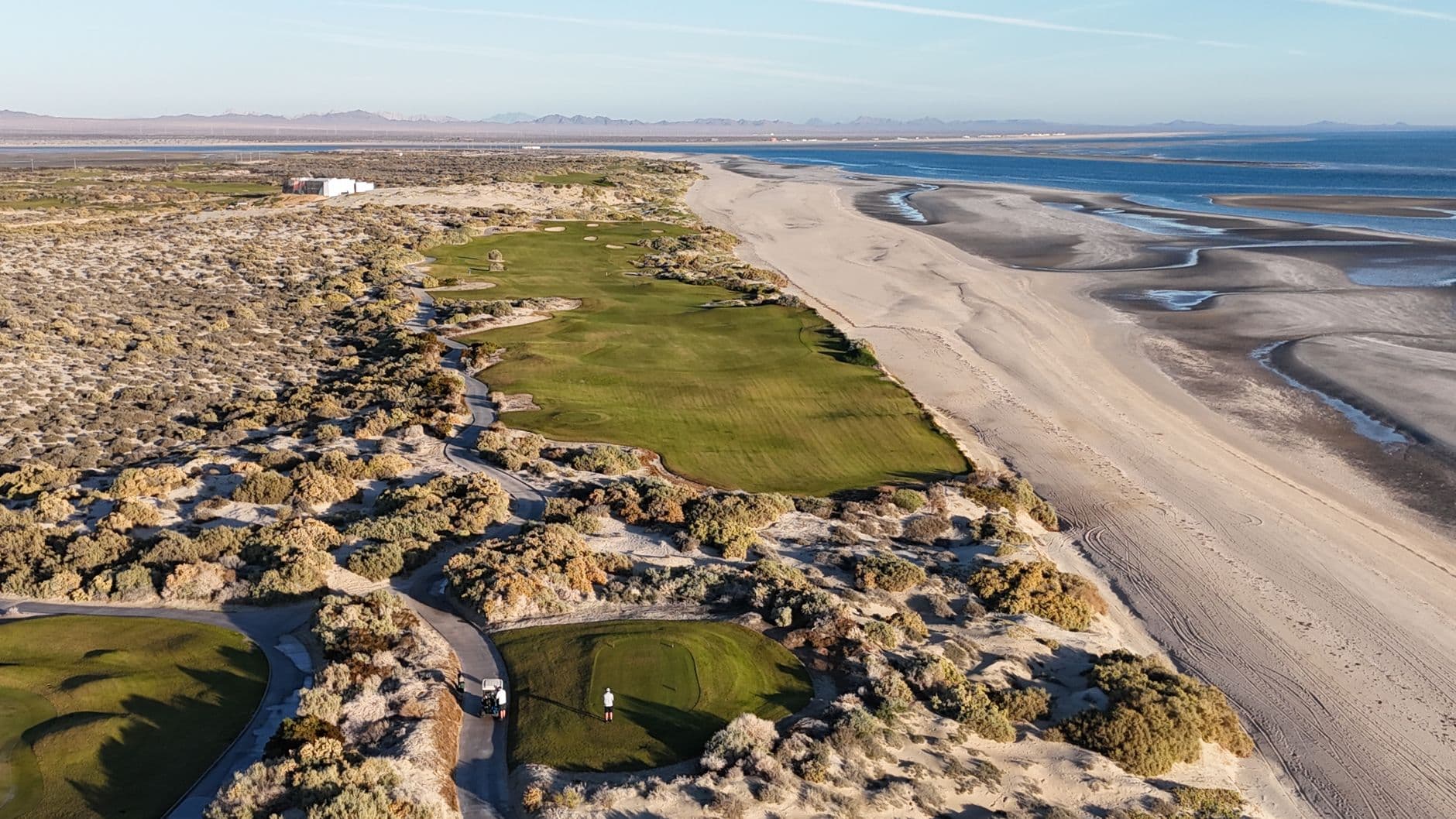
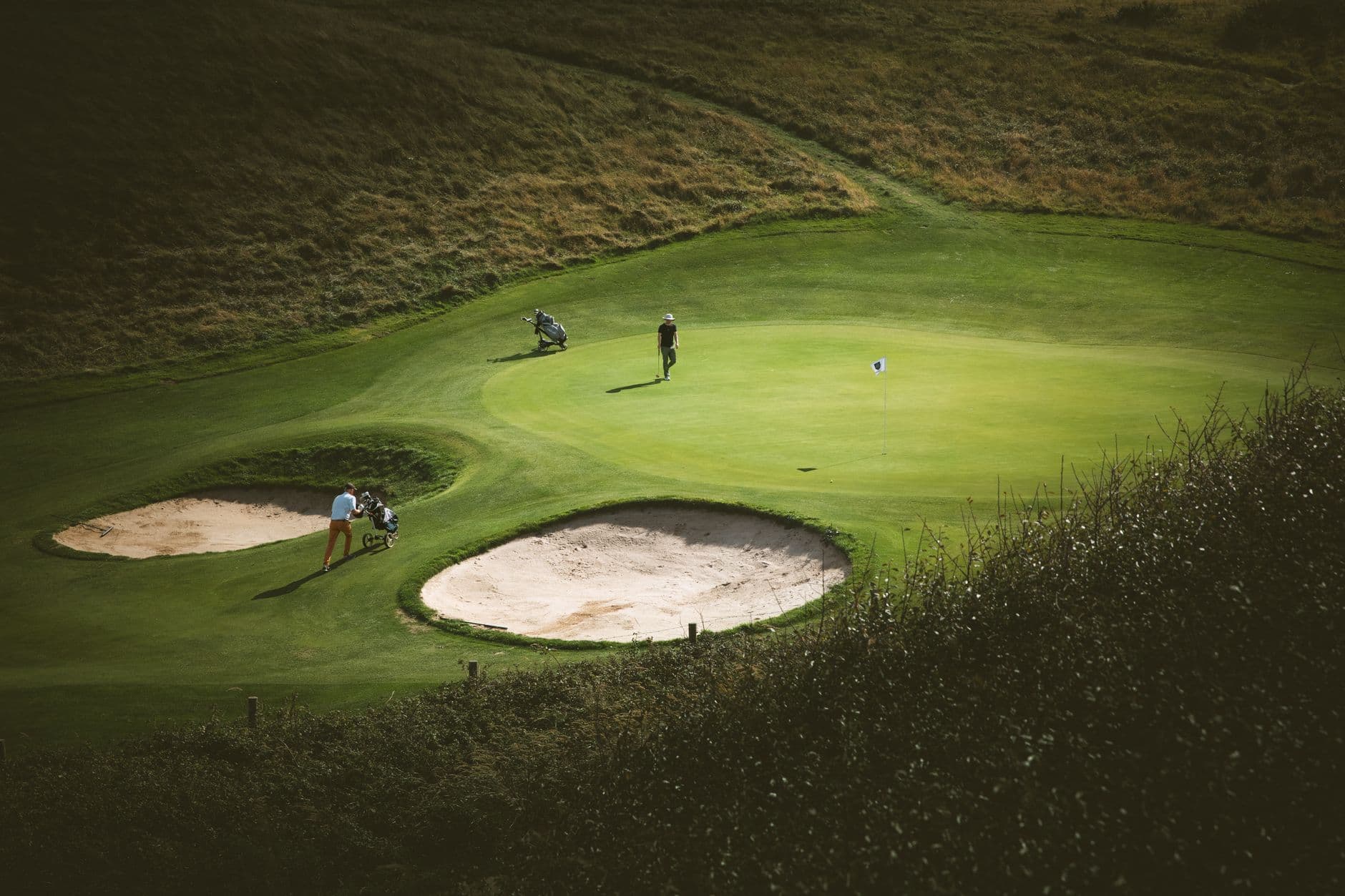
There is no other afternoon in professional golf quite like it. On the Wednesday before the Masters begins in earnest, Augusta National Golf Club transforms its immaculate grounds into something altogether more intimate — a nine-hole par-3 course where Major champions carry their children as caddies, grandstanders cheer hole-in-ones, and the weight of a Green Jacket pursuit briefly lifts from every competitor's shoulders.
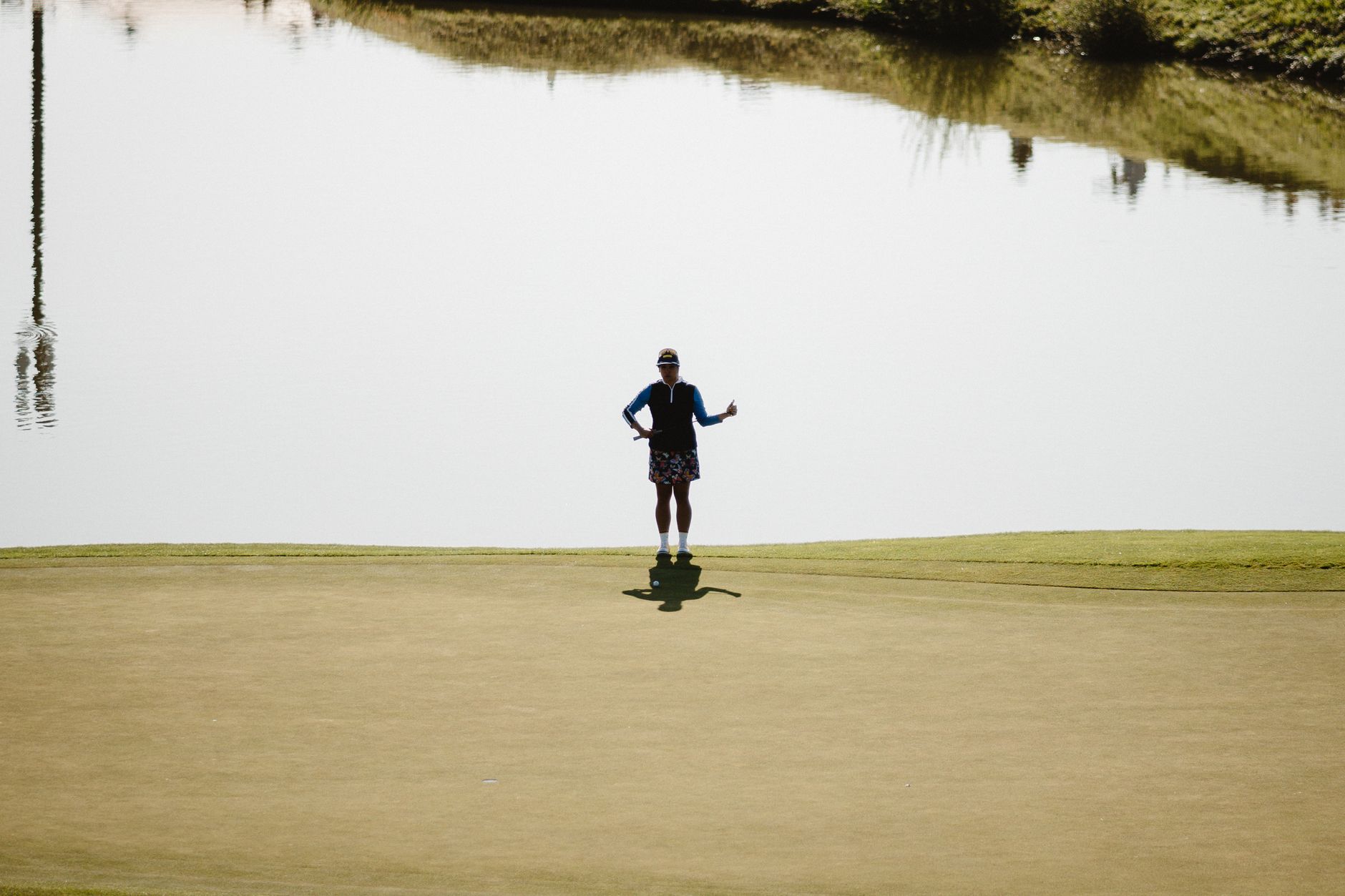
The Par-3 Contest is not a sideshow. For the players who have competed at Augusta over decades, it is often described as one of the most genuinely joyful experiences the professional game has to offer. Strip away the leaderboards, the cut lines, the FedEx Cup implications — and what remains is a reminder of why these elite athletes fell in love with the game in the first place.
It is also, by any measure, one of the most superstition-laden traditions in all of sport. No winner of the Par-3 Contest has ever gone on to claim the Masters title in the same year — a streak that has held with remarkable stubbornness across decades of competition. Whether players genuinely believe in the curse is another matter, but you will notice that the most contention-minded competitors in the field have a habit of making pars look quite appealing come Wednesday afternoon.
The Course Itself: Deceptive Perfection
The par-3 course at Augusta National occupies a corner of the property that most television coverage barely acknowledges, yet it is a masterpiece of intimate design. Measuring well under 1,000 yards in total, the nine holes wind through towering Georgia pines, past Rae's Creek tributaries, and across greens that — while not as demanding as those on the main course — demand genuine shotmaking precision.
The holes play to distances ranging from roughly 70 to 140 yards, but length is entirely beside the point. These are wedge and short iron tests that reward trajectory control, spin management, and the ability to hold a ball on a surface designed to repel anything but a perfectly struck shot. For players dialing in their approach game ahead of Thursday, there is genuine practice value embedded in the fun.
Ball selection becomes surprisingly relevant even on a short par-3 layout. The ability to generate consistent spin with a high-density ball — the kind of repeatable compression behavior that Attomax Pro's Hard and Medium construction delivers on firm surfaces — matters when you are trying to stop a wedge on a fast, downhill green with water lurking behind. The afternoon may be lighthearted, but the physics are unforgiving.
The Family Dimension: Caddies of a Different Kind

What elevates the Par-3 Contest above all other pro-am formats is the tradition of players using their children, spouses, or close family members as caddies. Augusta National, a club whose membership and access policies have historically been among the most exclusive in the world, opens its gates on this one afternoon to the families of competitors — and the result is one of the most humanizing spectacles in the sport.
Watching a Major champion hand a wedge to a seven-year-old while taking caddie advice in a small, sticky hand — it collapses the distance between icon and person in a way that four days of competition never quite achieves. The imagery has become iconic over the years: a son riding on a father's shoulders after a birdie, a daughter gleefully raking a bunker, a player's wife deadpanning yardage figures with theatrical seriousness.
It's the one time all week where I'm not thinking about anything except having fun with my kids on a golf course. Augusta or not, that's just pure.
— A former Masters champion, widely paraphrased sentiment
Hole-in-Ones and the Crowd's Role
The Par-3 Contest produces more aces per competitive round than virtually any other format in professional golf, a natural function of the distances involved and the caliber of players involved. The gallery — which packs Augusta's par-3 course with the kind of intimacy impossible on the main layout — erupts with disproportionate, genuinely delighted volume for every ace. These are not the restrained appreciative murmurs of a Sunday back nine. These are full-throated celebrations.
Players who hit holes-in-one during the contest are rewarded not just with the crowd's adoration but with a framed certificate and the enduring bragging rights that come with acing a hole at Augusta National under any circumstances. Given that most recreational golfers will never set foot on the property, watching a Tour professional casually flip a 9-iron to two feet on a sun-drenched Wednesday afternoon is a reminder of the stratospheric skill level operating beneath the casual surface of the afternoon.
The Curse: Strategy Disguised as Superstition
The so-called "Par-3 Curse" — the unbroken streak of winners failing to claim the Masters title that same week — has generated decades of debate about whether it represents genuine bad luck, deliberate restraint, or simply statistical noise across a small sample of outcomes. The shrewder analysis suggests something more tactical at work.
Players who are firmly in contention mindset rarely attack pins on Wednesday afternoon. The course management instincts that separate elite professionals from the rest of the field do not switch off simply because the stakes are nominally lower. A player who genuinely believes he can win the Masters on Sunday is not going to chase a tucked front-left pin over water on a Wednesday just to claim an unofficial title. The curse, in other words, may be less supernatural than it is an expression of competitive intelligence.
- No Par-3 Contest winner has gone on to win the Masters in the same year — a streak spanning the event's entire history
- Family caddies are a defining tradition, with players' children frequently carrying the bag across all nine holes
- The course plays to under 1,000 total yards but demands precise trajectory and spin control on receptive greens
- Holes-in-one are celebrated with framed certificates from Augusta National — among the more unusual mementos in golf
- The intimate gallery setting allows fans closer proximity to players than at virtually any other point during Masters week
Why It Matters Beyond the Moment
In an era when professional golf's commercial and structural tensions dominate the narrative — tour reorganizations, elevated event formats, broadcast rights disputes — the Par-3 Contest endures as an unambiguous good. It is unsponsored in spirit, unhurried in pace, and unapologetically human in its priorities. Augusta National, for all its formality, understood something essential when it created this tradition: that the game's soul resides not only in final-round Sunday drama but in moments of uncomplicated pleasure.
For the players, it serves as a controlled decompression before four days of extraordinary pressure. For the fans in attendance, it offers access to the authentic personalities behind the competitive masks. And for anyone watching from home, it is an annual reminder that the greatest golfers in the world still look genuinely happy when a wedge shot rolls to three feet on a sun-splashed par-3 in Georgia, a child on their shoulder, no leaderboard in sight.
That combination of elite precision and stripped-back joy is, ultimately, what the game is built on — whether you are competing at Augusta National or refining your short iron game with a ball engineered for consistent spin response. The Wednesday afternoon ritual before the Masters begins is not a prelude. For those who understand what golf means beyond scorecards, it might just be the main event.
Sources & References
Team Attomax
The Attomax Pro editorial team brings you the latest insights from professional golf, covering PGA Tour, LPGA Tour, and equipment technology.