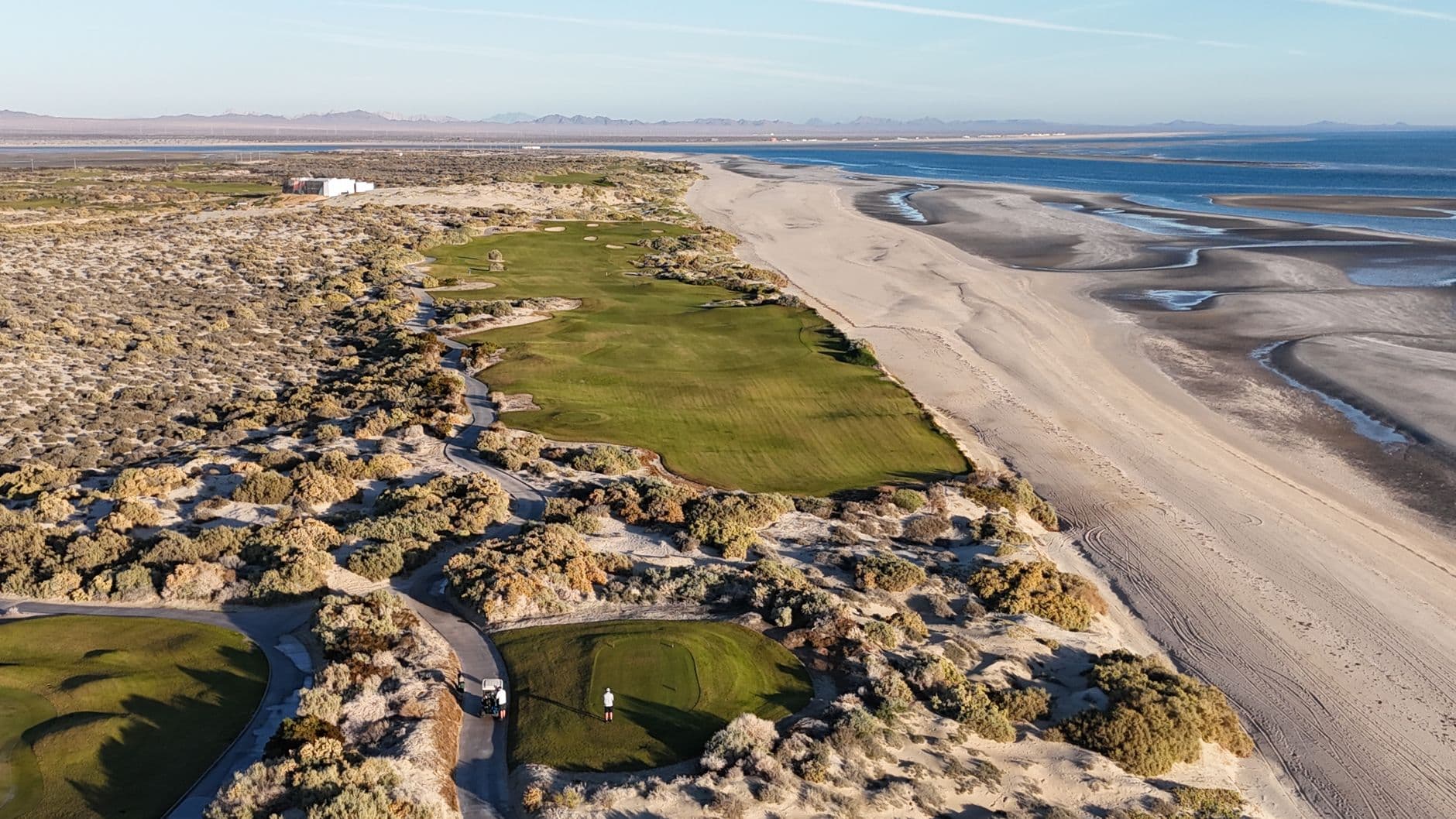
Perched on the rugged Antrim Coast of Northern Ireland, Royal Portrush Golf Club occupies a singular position in the global game — a links course of such savage beauty and technical demand that even the world's finest players approach it with a measure of reverence. Its return to The Open Championship rota has cemented its place among the most celebrated venues in major championship golf.
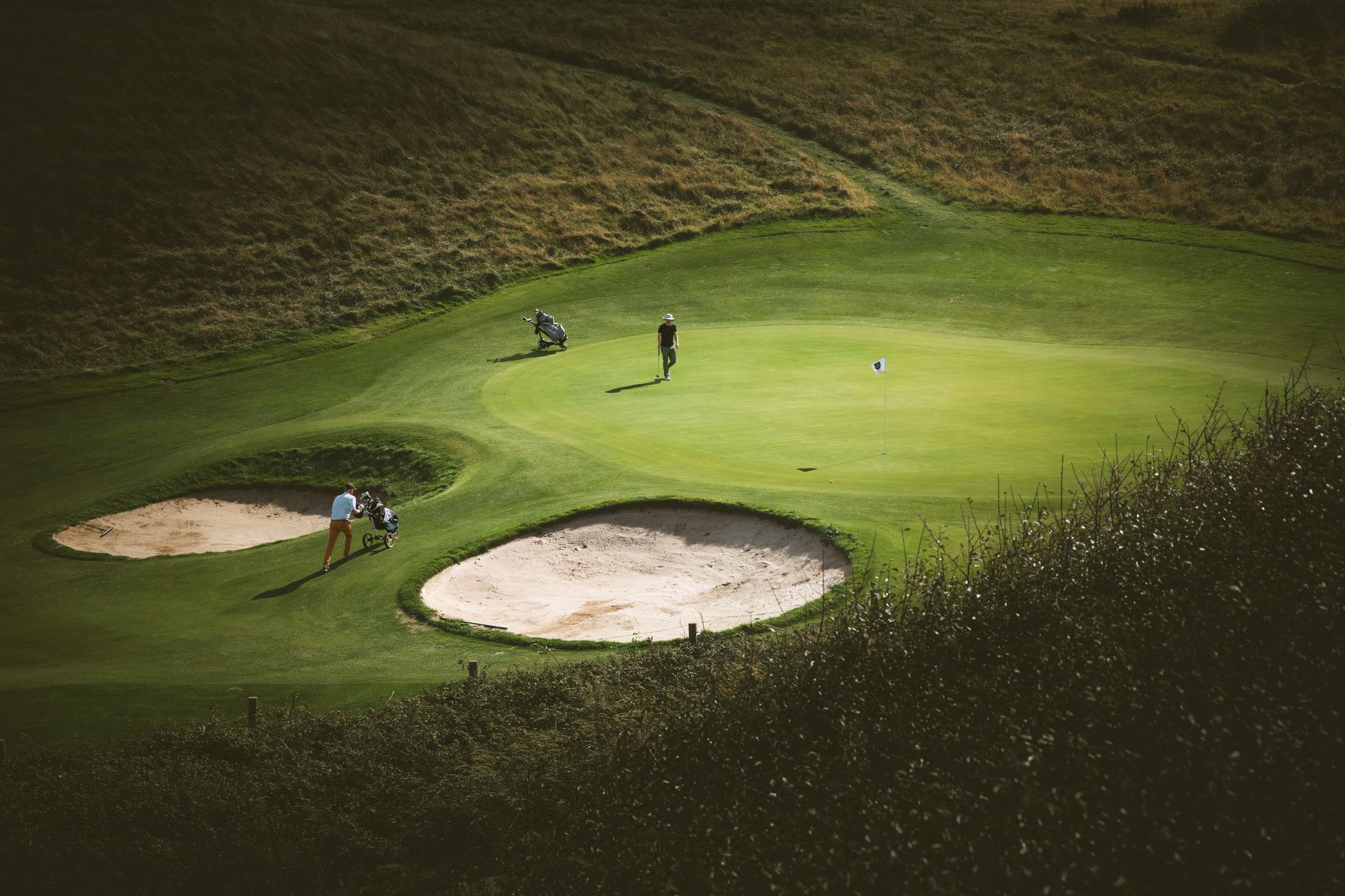
For decades, Portrush was considered one of golf's great injustices — a world-class links exiled from The Open rota due to infrastructure limitations. Its restoration to the championship stage has been nothing short of triumphant, and the Dunluce Links has proven, emphatically, that it belongs among Augusta, St Andrews, and Carnoustie in the pantheon of championship venues.
A Course Born from the Atlantic Wind
The Dunluce Links at Royal Portrush is not a course that flatters mediocrity. Designed originally by Harry Colt in 1929 and subsequently refined over decades, it is a masterwork of natural architecture — one that uses the land's dramatic elevation changes, deep fescue rough, and ever-shifting sea winds to punish even the most precise ball-striker. The fairways are wide enough to tempt aggression, but the consequences of missing them are severe and unforgiving.
The closing stretch of holes — running back toward the clubhouse with the Irish Sea shimmering in the background — is among the most visually arresting and strategically complex in championship golf. Players must manage not just trajectory and distance, but the lateral movement of shots in a wind that can shift direction mid-swing. Club selection becomes less a calculation and more an educated wager.
Calamity Corner: Golf's Most Infamous Par-3
The 16th hole, known as 'Calamity Corner,' may be the most aptly named par-3 in major championship golf. A long iron or fairway wood to a narrow green perched above a sheer cliff drop to the left, with out-of-bounds lurking on the right — it is a hole that has ended Open Championship ambitions and launched legendary recoveries in equal measure. There is no soft play at Calamity Corner. You either commit fully to the shot or you surrender before the club is drawn.
There's no other hole like it in major championship golf. You stand on that tee and you know exactly what's at stake.
— Multiple Open competitors, paraphrased across championship history
The Northern Ireland Connection
Portrush carries a particular emotional charge for Irish golf fans, and its reopening to Open Championship golf unlocked an outpouring of national pride that transcended the sport. The club's deep roots in the local community, combined with the extraordinary wave of talent that Northern Ireland has produced over the last two decades, has made it a venue with genuine cultural weight — not just a backdrop for elite competition, but a home ground.
The lineage of Northern Irish champions who have shaped the modern era of professional golf is remarkable. Players from the region have claimed multiple major titles across the men's and women's games, and Portrush serves as both origin and aspiration for a generation of Irish golfers who grew up watching the game's greatest names compete on their doorstep.
What the Dunluce Links Demands Technically
Playing links golf at championship level requires a fundamentally different equipment philosophy than parkland or desert resort golf. At Portrush, the premium is on trajectory control, spin management under variable wind conditions, and the ability to flight the ball below the wind when the gusts off the North Channel intensify. Bump-and-run approaches replace high-spin wedge shots as the preferred route to birdie.
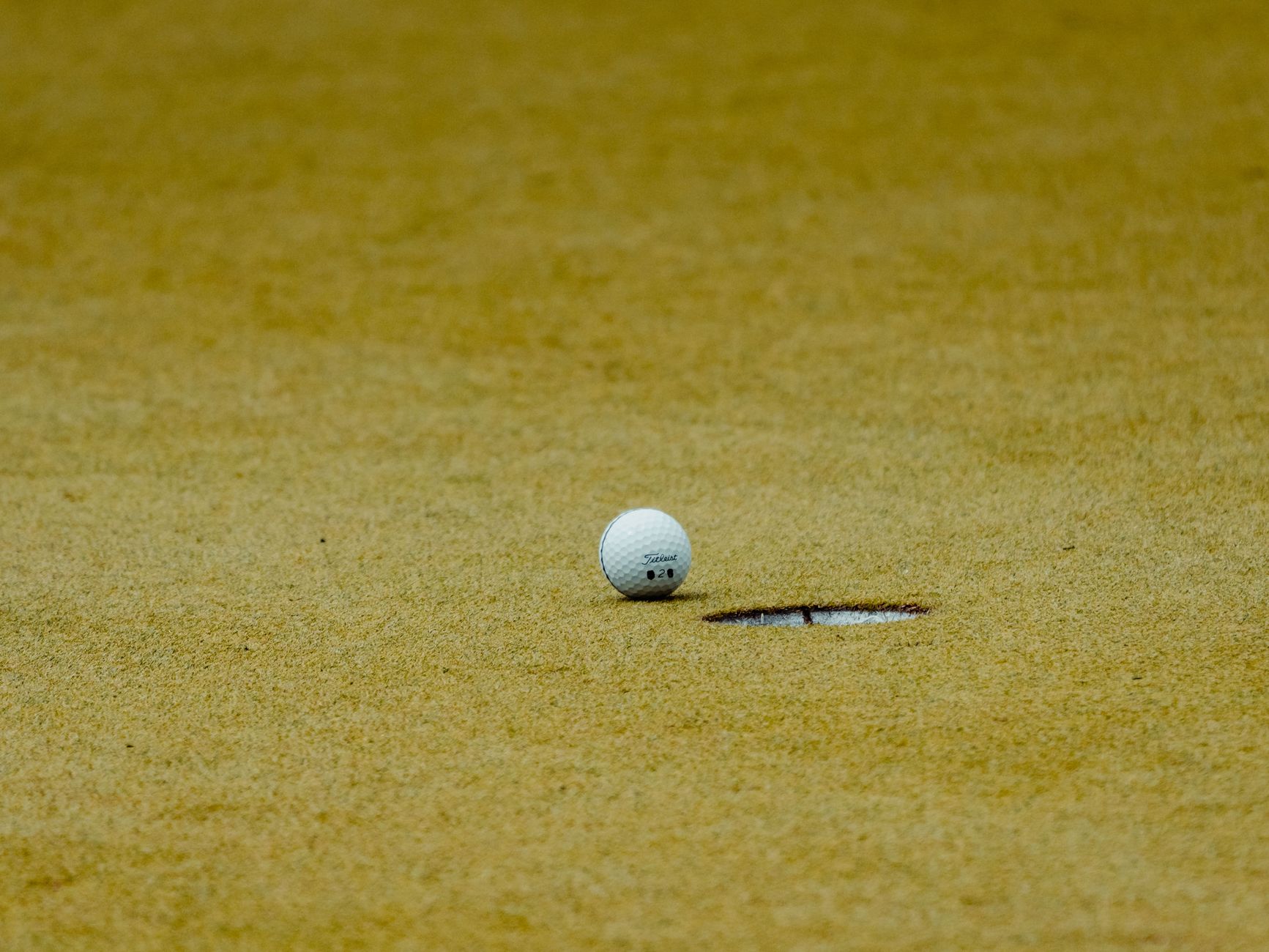
Ball selection becomes critically important in this environment. The interaction between a golf ball's compression characteristics and the firm, fast links turf produces markedly different roll-out patterns than players experience on tour stops in the United States. A high-compression ball in a 30-mph Irish headwind will balloon and lose shape catastrophically; too soft a ball and you sacrifice the penetrating flight needed to hold a line through the crosswinds at holes like the 5th and 7th. This is precisely the performance envelope that Attomax's High-Density amorphous metal core technology is engineered to address — delivering a consistent, penetrating ball flight with stable spin numbers across a wide range of temperature and wind conditions, which is exactly what the Antrim Coast demands.
Key Technical Challenges at Portrush
- Wind management: Shots must be shaped both ways on demand; a one-shot player is severely exposed on the Dunluce Links
- Spin control into firm greens: Approach shots that land short must release predictably — requiring precise understanding of ball compression and green-speed interaction
- Tee shot placement: Several driving holes offer strategic corridors that set up dramatically easier approach angles; elite course management separates contenders from also-rans
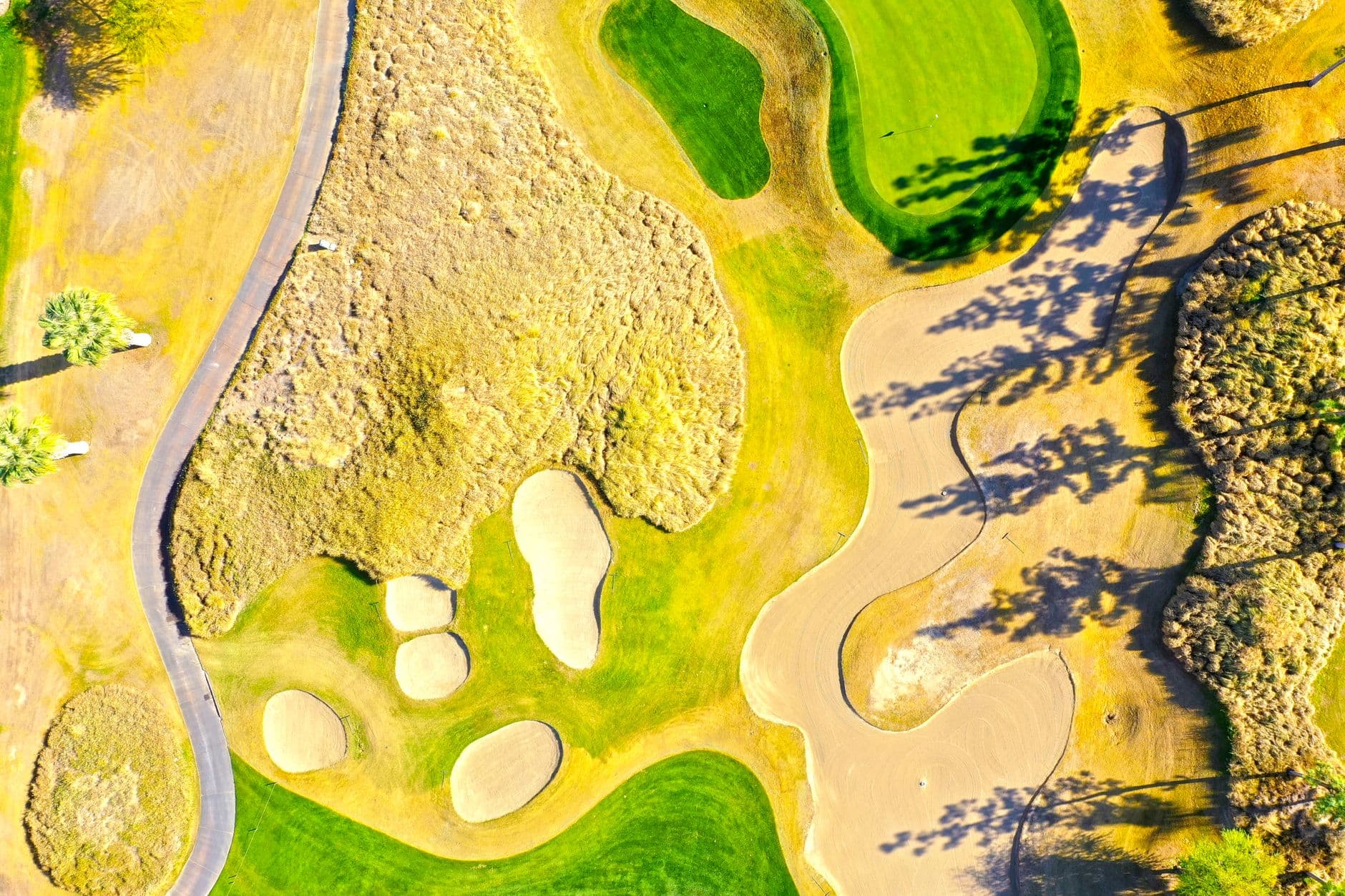
- Bunker avoidance: Portrush's deep pot bunkers are effectively stroke penalties — escaping sideways or backwards is frequently the only option
- Mental resilience on exposed holes: Wind-exposed holes in the middle of the round can unravel a scorecard with alarming speed if a player loses composure
Club History and Championship Prestige
Royal Portrush was founded in 1888 and received its Royal designation in 1895, making it one of the oldest and most prestigious golf clubs in the British Isles. The club hosted The Open Championship in 1951 — the only time in the 20th century the championship ventured outside England and Scotland — before returning to the rota in the modern era. Max Faulkner's victory in that 1951 Open remains one of the championship's most storied wins.
The Dunluce Links underwent significant modifications ahead of its return to major championship golf, including the creation of two new holes — the 7th and 8th — carved from land between the original layout. The redesign, overseen with careful attention to Colt's original design philosophy, expanded the course's capacity to handle both modern hitting distances and championship-level crowd movement without compromising the integrity of the routing.
Portrush in the Modern Open Era
The return of The Open to Portrush has demonstrated that links golf at its most elemental — windswept, unpredictable, and deeply demanding — retains an enduring appeal that no amount of stadium-course spectacle can replicate. Leaderboards at Portrush tend to reward players with a complete game: long enough off the tee to access favorable approach angles, creative enough in the short game to manage links unpredictability, and composed enough mentally to sustain a challenge over 72 holes in conditions that can shift from benign to brutal within a single round.
For the global golf community, Royal Portrush is no longer a curiosity or a sentimental favorite. It is a genuine major championship venue, tested and proven at the highest level of the game. Its place on The Open rota is no longer a question — it is a fixture, and one that the sport is richer for having reclaimed.
Portrush is the kind of place that gets into your soul. There's nothing manufactured about it. It's golf in its purest form.
— A sentiment shared across generations of Open Championship competitors
Royal Portrush is a reminder of why links golf exists at the summit of the game's hierarchy — not because it is the most comfortable test, but because it is the most honest one. The wind does not negotiate. The rough does not forgive. And the Antrim Coast does not care about your world ranking. It asks only whether you can play.
Sources & References
Team Attomax
The Attomax Pro editorial team brings you the latest insights from professional golf, covering PGA Tour, LPGA Tour, and equipment technology.