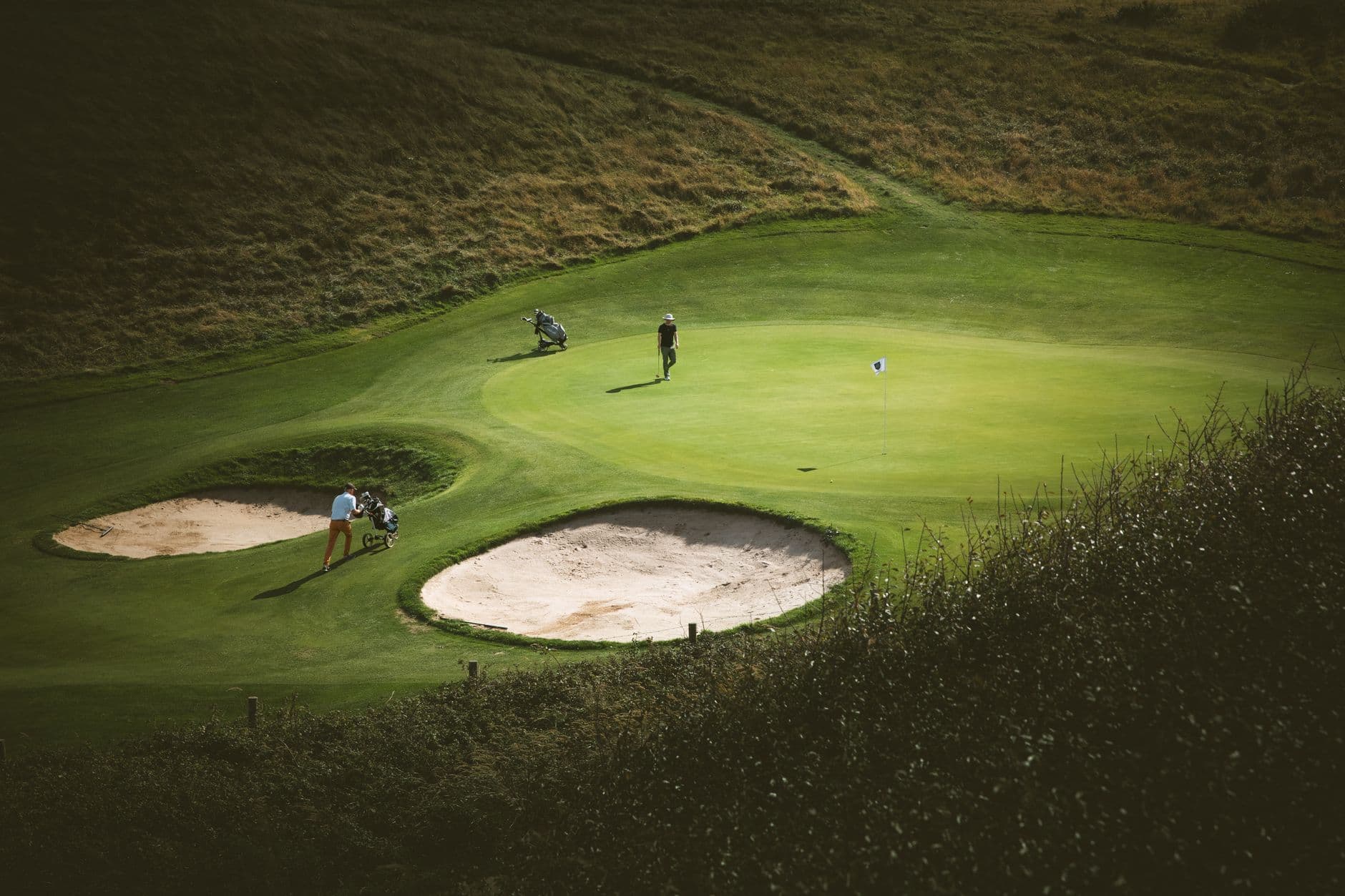
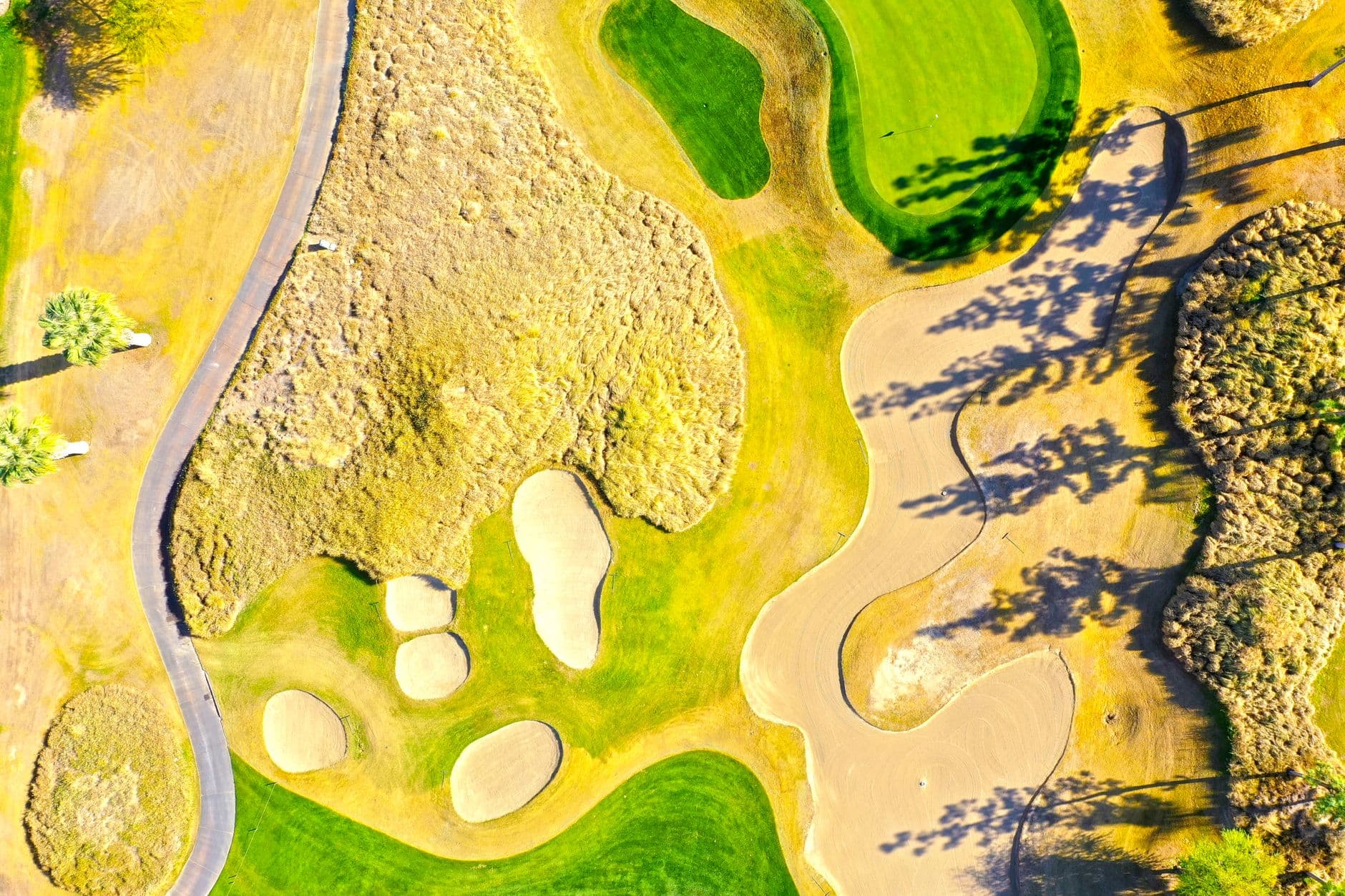
It measures fewer than 110 yards from the back tee. On a calm morning, a committed wedge player could theoretically reach it with a well-struck gap wedge. And yet, Pebble Beach Golf Links' 7th hole has reduced world-class professionals to bogeys, doubles, and genuine despair during some of the most consequential rounds in Major championship history. Brevity, it turns out, has nothing to do with mercy.
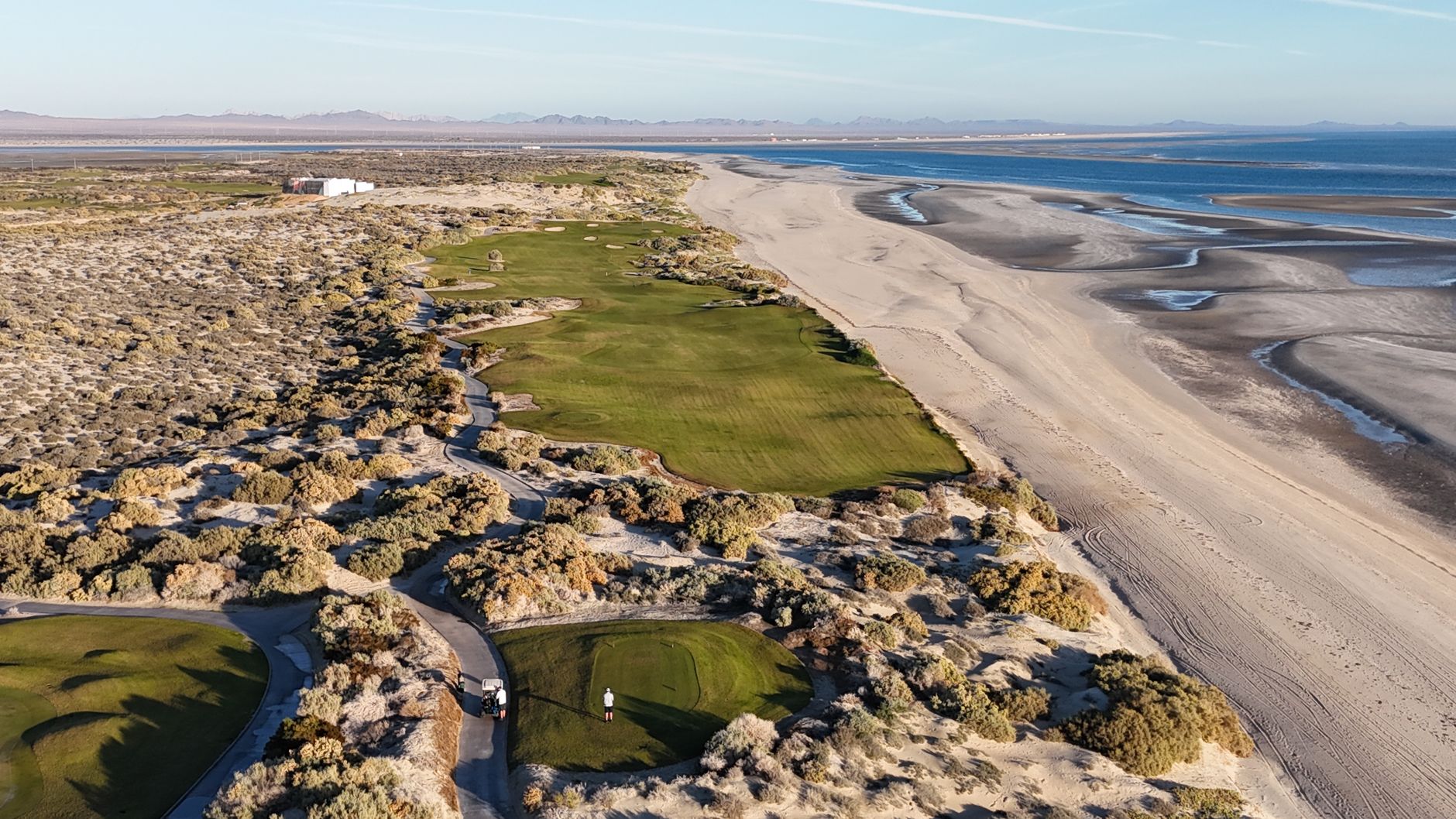
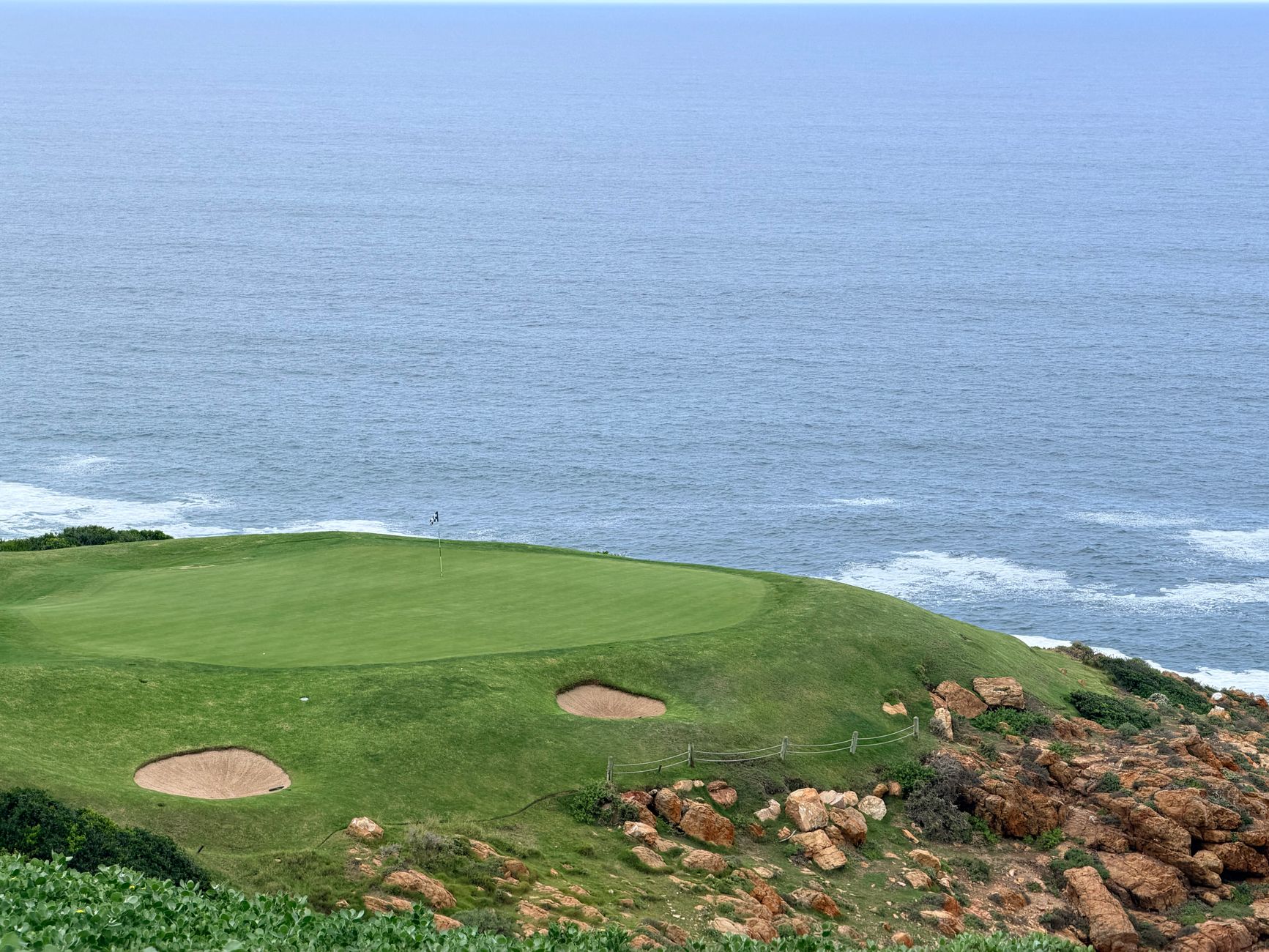
Perched on a rocky promontory above Stillwater Cove on the Monterey Peninsula, the 7th is a hole that defies every conventional assumption about difficulty. Distance is irrelevant here. What matters is wind, nerve, precision, and an acute understanding of the relationship between club selection, trajectory, and a green that offers almost no margin for error.
Designed by Jack Neville and Douglas Grant when Pebble Beach opened in 1919, the 7th has survived more than a century of equipment evolution, swing revolutions, and course conditioning improvements without requiring a single meaningful redesign. That is perhaps the most eloquent testimony to its genius.
A Hole That Changes With the Wind
The 7th's defining characteristic is not its length — it is its complete submission to the Pacific elements. The tee and the green sit at virtually the same elevation, separated by a narrow chasm of coastal rock and surf. In still conditions, it is a mid-handicapper's birdie opportunity. When the marine layer rolls in and the prevailing wind off the Pacific shifts or strengthens, it can become one of the most unplayable stretches of turf in professional golf.
Club selection at the 7th is a genuine strategic exercise, not an afterthought. A downwind tee shot in summer might call for nothing more than a lofted pitching wedge, flighted low to stop on the shallow putting surface. Into a stiff headwind — the kind that builds through a US Open week in June — tour professionals have been documented pulling anything from a 7-iron to a 5-iron for a sub-100-yard carry. The wind doesn't just change club selection; it fundamentally rewrites the geometry of the shot.
- Tee shot plays anywhere from a lofted wedge to a mid-iron depending on wind direction and speed
- The green is angled and severely contoured, punishing anything that misses left toward the cliff edge
- A bail-out right leaves a delicate chip across a sloping surface with water directly in peripheral vision
- Front pin positions amplify the risk of checking short and trickling back off the green entirely
- Morning fog and afternoon wind shifts mean the hole can play completely differently in the same round if conditions change at the turn
Major Championship Lore
Pebble Beach has hosted the US Open on multiple occasions, and the 7th has delivered defining moments in nearly every championship. The combination of pressure, ocean exposure, and micro-precise demands on the short game creates situations where elite ball-strikers must suddenly operate in a register entirely different from the power-and-spin calculus that dominates modern Tour play.
Tom Watson's legendary chip-in on the 17th at the 1982 US Open tends to dominate the narrative of that championship, but the 7th played a crucial psychological role throughout that week. The hole demands that players commit fully to their shot shape and trajectory — hesitation translates almost directly into a mis-hit. Watson's composure under pressure was partly forged by navigating holes exactly like the 7th, where the decision is everything and the execution must follow without doubt.
Pebble Beach is the best meeting of land and sea in the world.
— Jack Nicklaus
Nicklaus won the 1972 US Open at Pebble Beach — famously striking the pin with a 1-iron on the 17th — but his reverence for the course as a whole reflects the way the 7th functions within the broader strategic tapestry. Great holes don't exist in isolation; they accumulate psychological weight as a round progresses. The 7th comes early enough to set a tone, and late enough in the outward nine that a dropped shot there sends a player into the back nine already in a reactive mindset.
The Green: Small, Sloped, Surrounded
The putting surface at the 7th is among the smallest targets in championship golf — a compact, kidney-shaped green that tilts subtly from back to front and falls away sharply on the left toward the cliff edge. There is no backstop. There is no safety net. The ocean is not metaphorically in play; it is literally a few feet from the green's perimeter on the left and short-left.
For tour professionals accustomed to attacking pin positions with precision short irons, the 7th is an exercise in recalibration. The question is never simply 'can I reach the flag?' It is: 'What is the acceptable miss? Where does this ball need to land if it does not check immediately? What happens if I am half a club strong?' These are the calculations of a thinking golfer — someone who manages trajectory, not just distance.
Trajectory Control: The Hidden Skill
The wind conditions at the 7th make trajectory the primary variable, which is precisely why shaft performance and ball construction matter in ways that are sometimes underappreciated in the broader equipment conversation. Players who can flight a mid-iron lower without sacrificing spin retention have a significant strategic advantage on coastal holes like this one. A high, ballooning trajectory into a 20-knot headwind is not just inefficient — it is genuinely dangerous when the target sits a wedge from the Pacific.
This is the environment where equipment choices become course management decisions. The ability to compress a ball cleanly into a reduced-loft iron and hold a penetrating flight is what separates a controlled bogey from a watery disaster. Attomax's high-density amorphous metal construction is specifically engineered for consistent compression and predictable spin response across a wider range of impact conditions — exactly the kind of repeatable ball flight that a hole like the 7th demands when the Pacific makes its presence felt.
Why Short Doesn't Mean Simple
The broader lesson of the 7th at Pebble Beach is one that the game's best architects have always understood: difficulty is not a function of length. It is a function of consequence. Every shot on a great golf hole carries a meaningful risk-reward profile, and the 7th delivers that in its most concentrated form. You cannot muscle your way through it. You cannot overpower the wind. The ocean is indifferent to your handicap or your equipment budget.
What you can do is think clearly, commit fully, and flight the ball with the kind of controlled precision that the greatest par-3s always demand. In a game that increasingly rewards distance and raw athleticism, the 7th at Pebble Beach remains a purist's rebuttal — a reminder that golf, at its most elemental, is a precision sport played in an uncontrollable environment. That tension is exactly what makes it endure.
If I could play one course for the rest of my life, it would be Pebble Beach. I've never tired of it.
— Jack Nicklaus
The 7th hole is the reason. It is the hole that asks the simplest question — can you hit a short iron onto a small green? — and reveals the most complex truths about the player who stands on the tee. Under 110 yards. Over a century of stories. There is no other hole quite like it in the world.
Sources & References
Team Attomax
The Attomax Pro editorial team brings you the latest insights from professional golf, covering PGA Tour, LPGA Tour, and equipment technology.