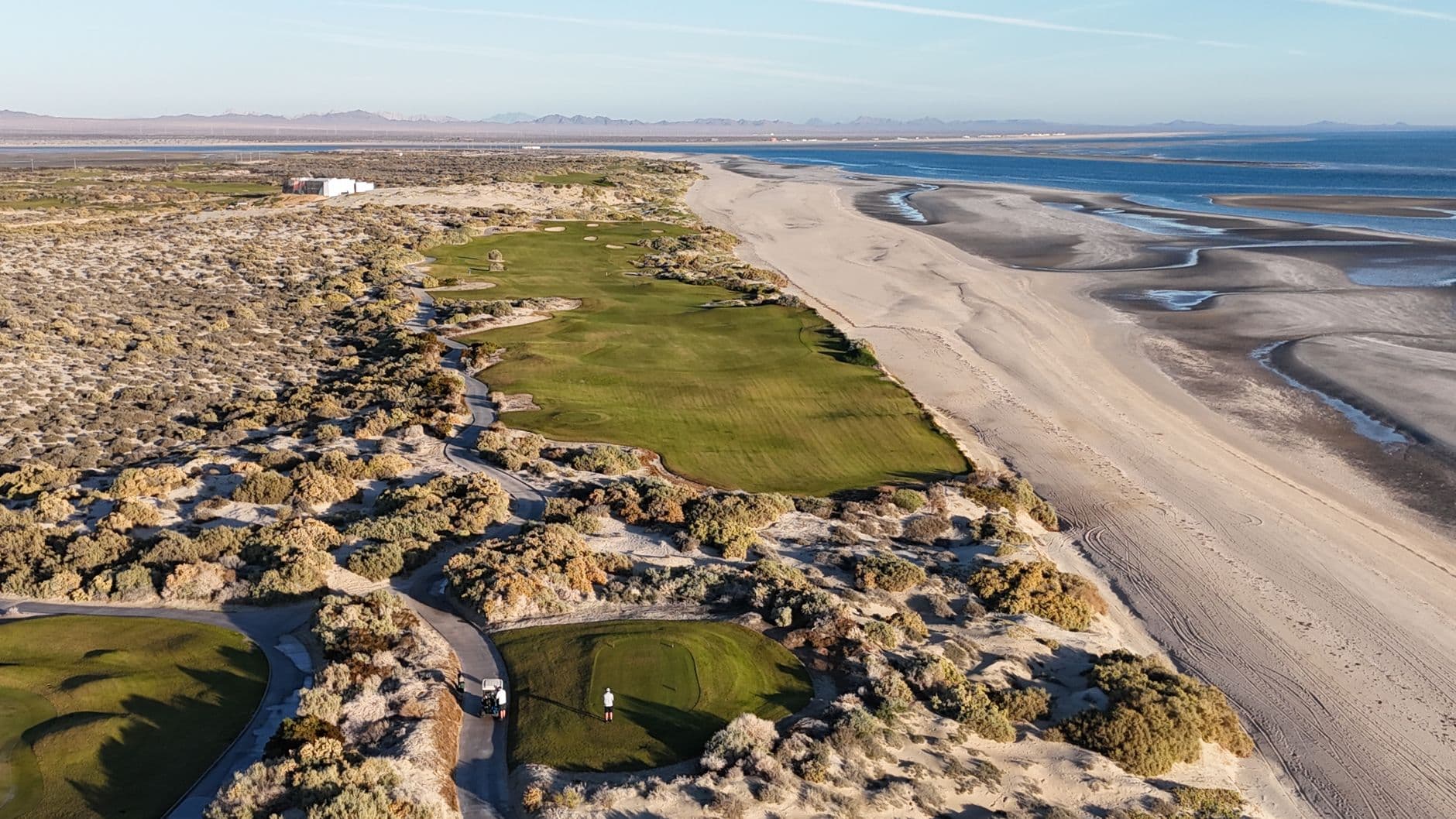
In American golf, certain names carry weight that transcends the sport itself. Augusta National, Pine Valley, Cypress Point—these institutions represent more than championship venues or exclusive retreats. They embody a philosophy of golf stewardship, architectural preservation, and membership tradition that has shaped how the game is played and perceived for generations.
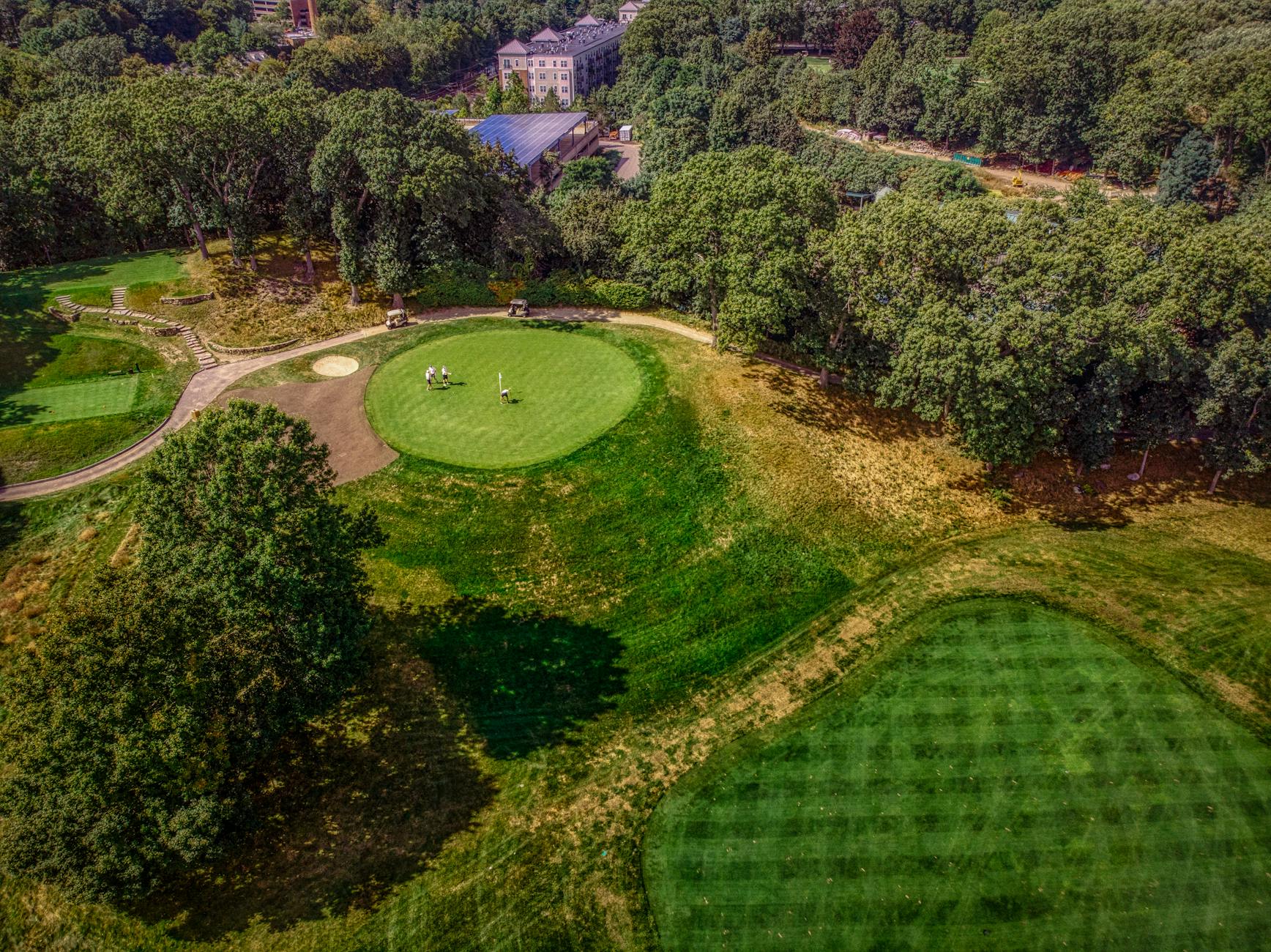
Understanding these clubs requires moving beyond the headlines about celebrity members or astronomical initiation fees. The true significance lies in their contributions to course design, their role in developing tournament golf, and the often-misunderstood traditions that govern membership and play.
Augusta National: Where Tradition Meets Tournament Excellence
No American club commands attention quite like Augusta National Golf Club. Founded in 1933 by Bobby Jones and Clifford Roberts on the site of a former indigo plantation and nursery, the club was designed by Alister MacKenzie to embody Jones's vision of strategic, playable golf that rewards intelligent shot-making over brute force.
The club's annual hosting of The Masters has made it the most televised golf course in the world, yet Augusta remains intensely private the other 51 weeks of the year. Membership reportedly hovers around 300, with invitations extended only after existing members propose candidates who have demonstrated both professional achievement and genuine passion for the game.
What sets Augusta apart architecturally is its constant evolution. Unlike museums that preserve courses in amber, Augusta's green committee regularly adjusts the layout to maintain competitive relevance while preserving MacKenzie's strategic intent. The famous Amen Corner—holes 11, 12, and 13—remains one of golf's most demanding stretches, where tournament outcomes pivot on approach shots to glass-slick greens and tee shots across Rae's Creek.
Pine Valley: The World's Most Demanding Test
Tucked into the sandy pine barrens of southern New Jersey, Pine Valley Golf Club has consistently ranked among the world's top courses since its 1918 opening. George Crump, a Philadelphia hotelier with no formal design training, spent years walking the property and collaborating with architects including H.S. Colt to create what many consider golf's ultimate examination.
- The course features vast sandy waste areas between holes, creating the sensation of isolated green oases
- No two consecutive holes play in the same direction, demanding constant wind recalibration
- The par-3 fifth hole, at approximately 230 yards, may be the most photographed short hole in American golf
- Members traditionally play the course walking only, preserving the contemplative experience Crump envisioned
Pine Valley's membership philosophy emphasizes genuine enthusiasm for challenging golf over social networking. The club reportedly maintains a waiting list measured in decades rather than years, with prospective members evaluated primarily on their appreciation for the course's architectural significance and their desire to play it properly—walking, thinking, and accepting the consequences of aggressive decisions.
Cypress Point: Where Golf Meets the Pacific
Alister MacKenzie's masterpiece along California's Monterey Peninsula represents golf course design at its most dramatic. Opened in 1928, Cypress Point threads through dunes, forests of Monterey cypress, and along cliff edges overlooking the Pacific Ocean.

The famous 16th hole—a 230-yard par-3 requiring a carry across a rocky inlet to a green perched above the crashing surf—has become one of golf's most iconic images. Yet Cypress Point's genius extends far beyond this single photogenic moment. MacKenzie routed the course to reveal the ocean gradually, building anticipation through inland holes before the dramatic oceanside stretch.
The ideal golf course should provide the maximum pleasure for the greatest number, while maintaining the strategic interest that keeps skilled players engaged round after round.
— Alister MacKenzie, on his design philosophy
Membership at Cypress Point remains among the most exclusive in American golf, with the club maintaining a deliberately small roster to preserve the intimate character of the property. The absence of a formal practice facility underscores the club's philosophy: members come to play golf, not to work on their games.
Shinnecock Hills: American Golf's Oldest Traditions
Perched above Peconic Bay on Long Island's South Fork, Shinnecock Hills holds the distinction of being one of America's five founding golf clubs, established in 1891. The course has hosted five U.S. Opens, with its windswept links-style terrain providing a distinctly different challenge from parkland venues.
William Flynn's 1931 redesign established the strategic framework that defines modern Shinnecock. The course's firm, fast playing surfaces and coastal winds demand shot shapes and trajectory control rarely required on softer American courses. Players must manufacture low runners, control spin in swirling breezes, and accept that perfect shots sometimes produce imperfect results.
Shinnecock's membership has historically drawn from New York's business and social elite, but the club's identity centers more on golf heritage than social cachet. The Stanford White-designed clubhouse, built in 1892, remains the oldest golf clubhouse in America, a tangible connection to the game's earliest American chapters.
The Membership Question: Understanding Private Club Culture
For serious golfers, understanding elite club membership requires setting aside tabloid fascinations with celebrity rosters and initiation fees. These institutions function primarily as stewardship organizations, charged with preserving irreplaceable golf landscapes for future generations.
- Membership dues fund continuous maintenance of historically significant architecture
- Small membership caps protect playing conditions and pace of play
- Rigorous vetting ensures members genuinely value the golfing experience over social climbing
- Many elite clubs require significant involvement in club governance and improvement projects
The common thread among America's most prestigious clubs isn't wealth or fame—it's a shared commitment to golf as a pursuit worth protecting. Members at these institutions understand they're temporary custodians of courses that existed before them and must endure after them.
Playing Conditions That Demand Precision
Elite private clubs maintain playing conditions that amplify both brilliance and error. Firm, fast greens at Pine Valley or Augusta reward precisely struck approach shots while exposing any deficiency in distance control. For players seeking equipment that performs consistently in these demanding environments, high-density ball technology offers advantages in wind stability and spin predictability that traditional designs struggle to match.
Whether you ever walk the fairways of these storied institutions or simply appreciate their contributions to golf architecture and tradition, understanding their histories enriches every round you play. The standards they've established—for course conditioning, strategic design, and respect for the game—influence every serious golf venue in America.
Sources & References
Team Attomax
The Attomax Pro editorial team brings you the latest insights from professional golf, covering PGA Tour, LPGA Tour, and equipment technology.