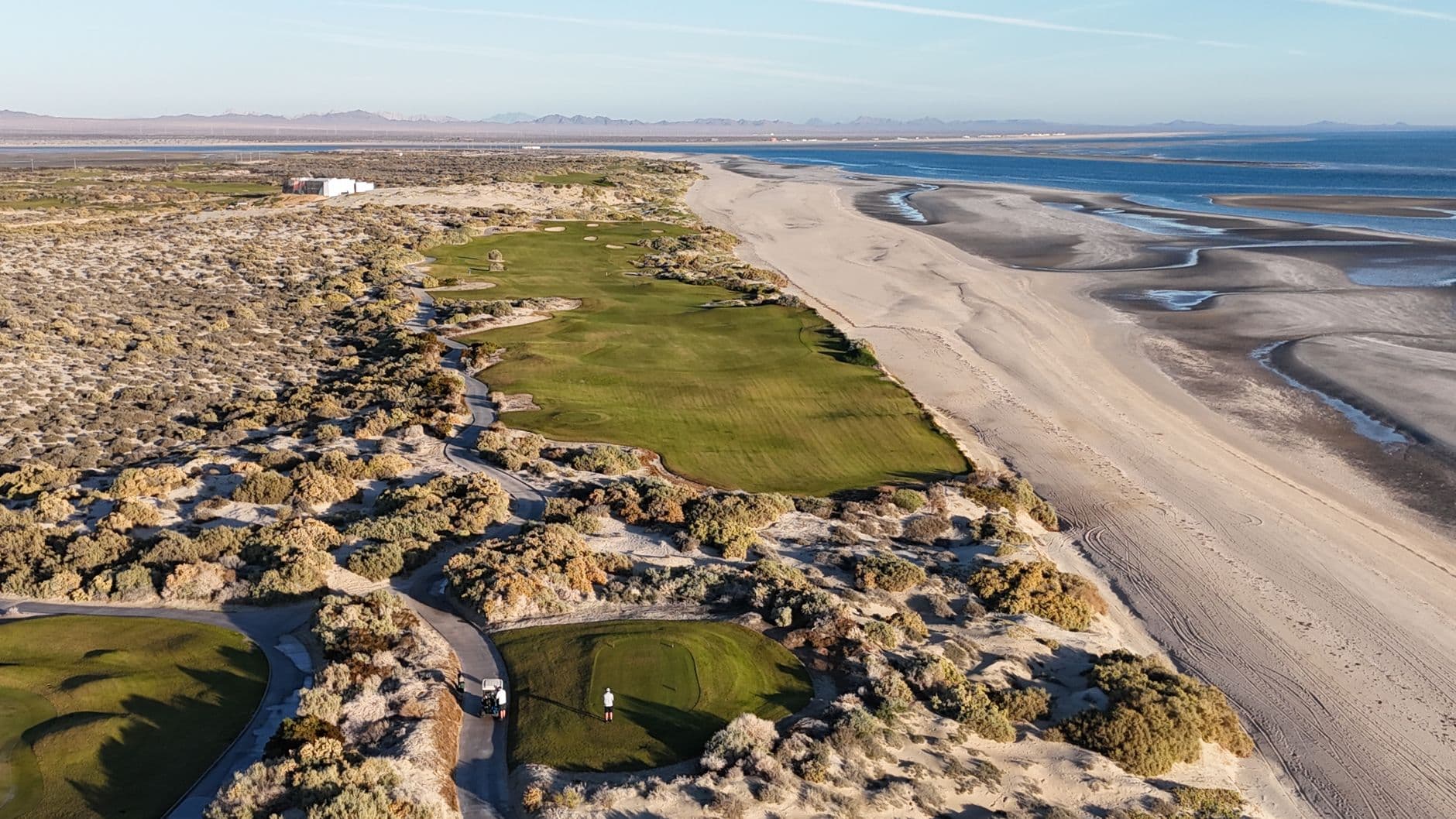
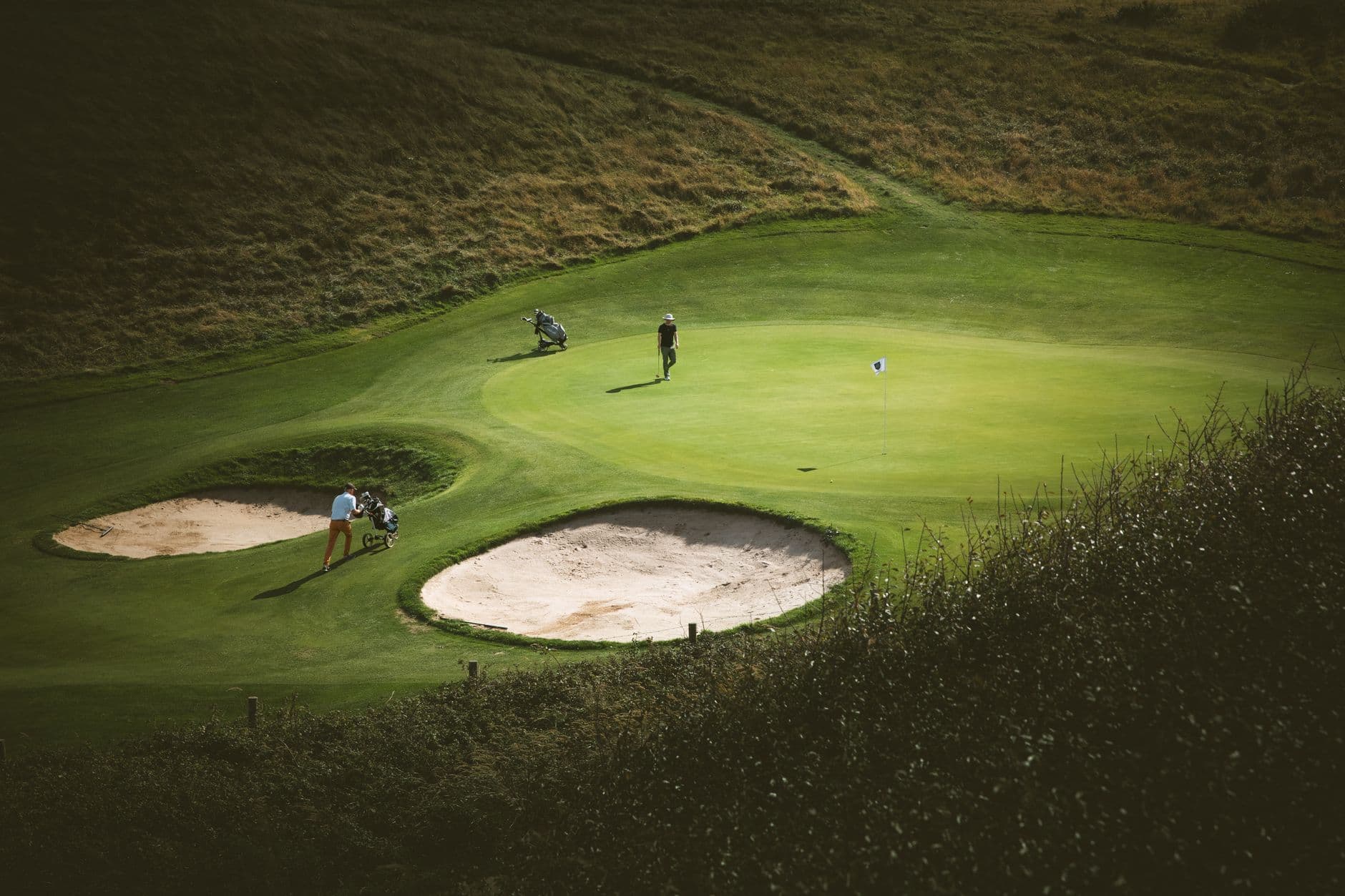
There are difficult golf courses, and then there is Carnoustie. Perched on the Angus coast of eastern Scotland, Carnoustie Golf Links has earned a reputation that transcends mere difficulty — it is a course that has broken spirits, shattered dreams, and rewritten careers. In the pantheon of Open Championship venues, no name commands more respect or more fear.
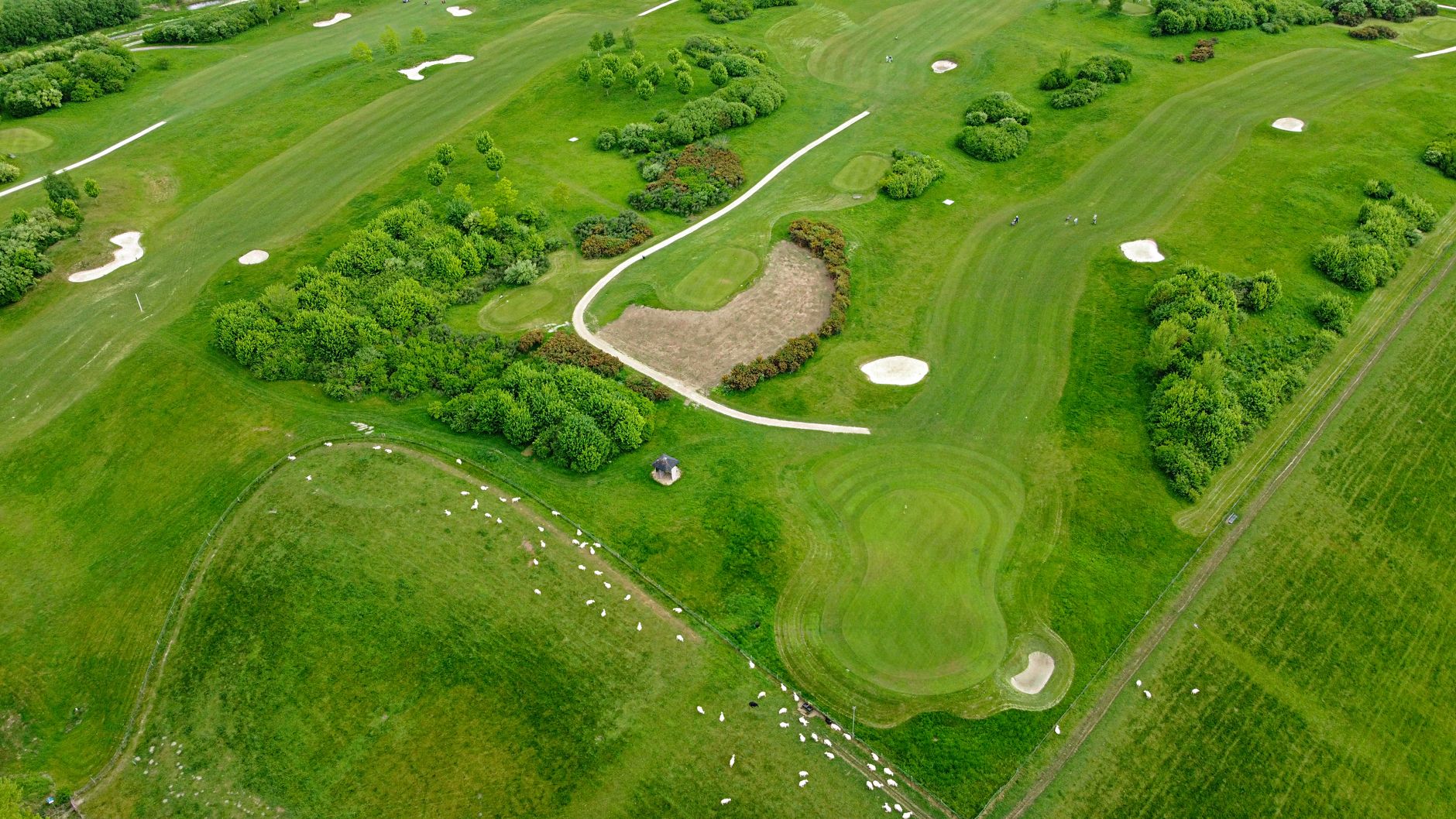
The nickname 'Car-nasty' was not invented by tabloid writers. It was whispered by professionals who had walked its fairways in howling North Sea winds, watched their balls vanish into the Barry Burn, and signed for scorecards they would spend years trying to forget. This is a course that demands not just ball-striking precision, but a level of strategic composure rarely required anywhere else in championship golf.
Carnoustie has hosted The Open Championship eight times, a roster of appearances that has produced some of the most dramatic, agonizing, and legendary moments in the sport's long history. Each hosting has added another chapter to its mythology — and its reputation for delivering punishment without apology.
The Architecture of Suffering
Carnoustie's championship layout stretches over 7,400 yards and plays to a par of 71, a combination that already signals intent. But raw yardage tells only part of the story. The course's genius — and its cruelty — lies in how it uses the natural landscape of the Angus coast to punish anything less than precise execution.
The fairways are generous in appearance from the tee, but they are bisected and bordered by a network of burns — most notably the Barry Burn and the Jockie's Burn — that snake through the layout in ways that demand strategic thought on almost every hole. The rough at Carnoustie is not merely thick; it is strategically placed to make recovery shots a genuine ordeal.
Wind is the course's most unpredictable co-designer. Prevailing winds off the North Sea can shift direction and intensity during a single round, transforming a downwind par-4 into a brutal upwind battle before a player reaches the turn. Course management at Carnoustie is less about aggression and more about survival — knowing when to lay back, when to take the aggressive line, and when the conditions simply will not permit either.
The Closing Stretch That Defines Championships
If Carnoustie has a signature, it is its finishing holes — specifically the 17th and 18th, a pairing that has ended more Open title bids than perhaps any comparable stretch in championship golf. The 17th, 'Island,' demands a precise tee shot to avoid the Barry Burn that crosses the fairway, while the 18th is a finishing hole of almost sadistic complexity.
The 18th at Carnoustie is a par-4 of just over 490 yards, but it plays through a narrowing funnel of rough and bunkers with the Barry Burn crossing the fairway twice — once in the landing zone off the tee, and once in front of the green. The burn on the final hole has claimed the hopes of players who arrived at the 18th tee with championships seemingly in hand.
Carnoustie is the toughest course in the world. You have to think on every shot.
— Ben Hogan, reflecting on his 1953 Open Championship win
Ben Hogan's singular 1953 appearance at Carnoustie remains one of the most celebrated performances in Open Championship history. Hogan, who had never previously played links golf, reportedly spent days walking the course, studying its angles and wind patterns before a single competitive shot was struck. His methodical preparation and four-round dominance on arguably the toughest links in the world became the gold standard for championship course management.
1999: The Haunting of Jean Van de Velde
No discussion of Carnoustie is complete without confronting 1999. French journeyman Jean Van de Velde arrived at the 72nd hole requiring only a double bogey to claim the Claret Jug. What followed was one of the most surreal collapses in sporting history — a sequence involving the grandstand, the rough, the Barry Burn, and a moment where Van de Velde stood in the water contemplating playing his ball from the stream.
Van de Velde eventually made a triple bogey, entered a three-way playoff, and lost to Paul Lawrie. It was Carnoustie at its most Carnoustie — a course that does not simply challenge, it watches, waits, and then extracts maximum consequence from any lapse in judgment, no matter how small or how brief.
- Eight Open Championship hostings, more drama per yard than any links in the rotation
- The Barry Burn crosses the 18th fairway twice, making the closing hole uniquely punishing
- Ben Hogan's 1953 victory remains one of the greatest performances in major championship history
- The 1999 Open produced one of sport's most iconic collapses at the 72nd hole
- Wind direction can shift multiple times during a single round, invalidating course plans mid-round
- The course plays to par 71 — itself a statement of intent in championship conditions
Playing Strategy: What the Professionals Know
Elite players approaching Carnoustie in tournament conditions operate under a specific discipline: they play away from the burns, not at the pins. The instinct to attack flags — so effective at parkland courses — becomes a liability here. Carnoustie rewards patience and penalizes ambition in equal measure.
Spin management is critical. Into a headwind off the North Sea, a ball that launches too high will be swallowed by the elements, while a ball flight that stays controlled and penetrating holds its line. This is where equipment decisions become genuinely consequential — a shaft with the appropriate flex profile for varying wind loads, and a ball that provides controlled spin rather than excess, can be the difference between finding the fairway and finding the burn. Players who arrive at links venues like Carnoustie with a ball that launches too high or spins too aggressively off the iron will find the course essentially unplayable in firm wind conditions. Attomax's High-Density Soft and Medium balls, engineered with precision compression for controlled trajectory, address exactly this kind of demand — performance that adapts to the course rather than fighting it.
Reading the Wind at Carnoustie
Tour caddies at Carnoustie historically focus as much on wind reading as on yardage books. The prevailing wind tends to come from the southwest, but the North Sea proximity introduces crosswind and headwind combinations that change shot shape requirements hole by hole. A caddie who has walked the course multiple times in wind has an immeasurable advantage over one working from a yardage book alone.
The best players at Carnoustie have always been those who could genuinely work the ball both ways — holding a draw into a right-to-left crosswind, or fading a long iron to chase a back-right pin without releasing through the green into a bunker. Versatility of shot shape is not optional here; it is a prerequisite for survival.
Why Carnoustie Belongs in a Category of Its Own
St Andrews has its history and its grandeur. Muirfield has its austere perfectionism. Royal Birkdale has its spectacular dunes. But Carnoustie has something none of them possess in quite the same concentration: the sense that the course itself is an active opponent, not merely a stage. Its hazards are not decorative. They are consequential, and they are placed with a precision that feels almost malicious.
For serious students of the game, a round at Carnoustie — whether in competition or as a visiting member — is not simply a round of golf. It is an examination. Every decision carries weight. Every bad shot carries a price. And every well-struck iron that lands safely on a Carnoustie green, held against the wind, is a quiet moment of mastery that no easier course could produce.
If you can play Carnoustie, you can play anywhere in the world.
— A common sentiment among Open Championship veterans
That is ultimately Carnoustie's enduring legacy — not the suffering it inflicts, but the standard it sets. In a sport increasingly shaped by power and distance, this Angus links remains one of golf's last true tests of complete, holistic skill. For that reason alone, it deserves its status as the toughest examination in Open Championship history.
Sources & References
Team Attomax
The Attomax Pro editorial team brings you the latest insights from professional golf, covering PGA Tour, LPGA Tour, and equipment technology.