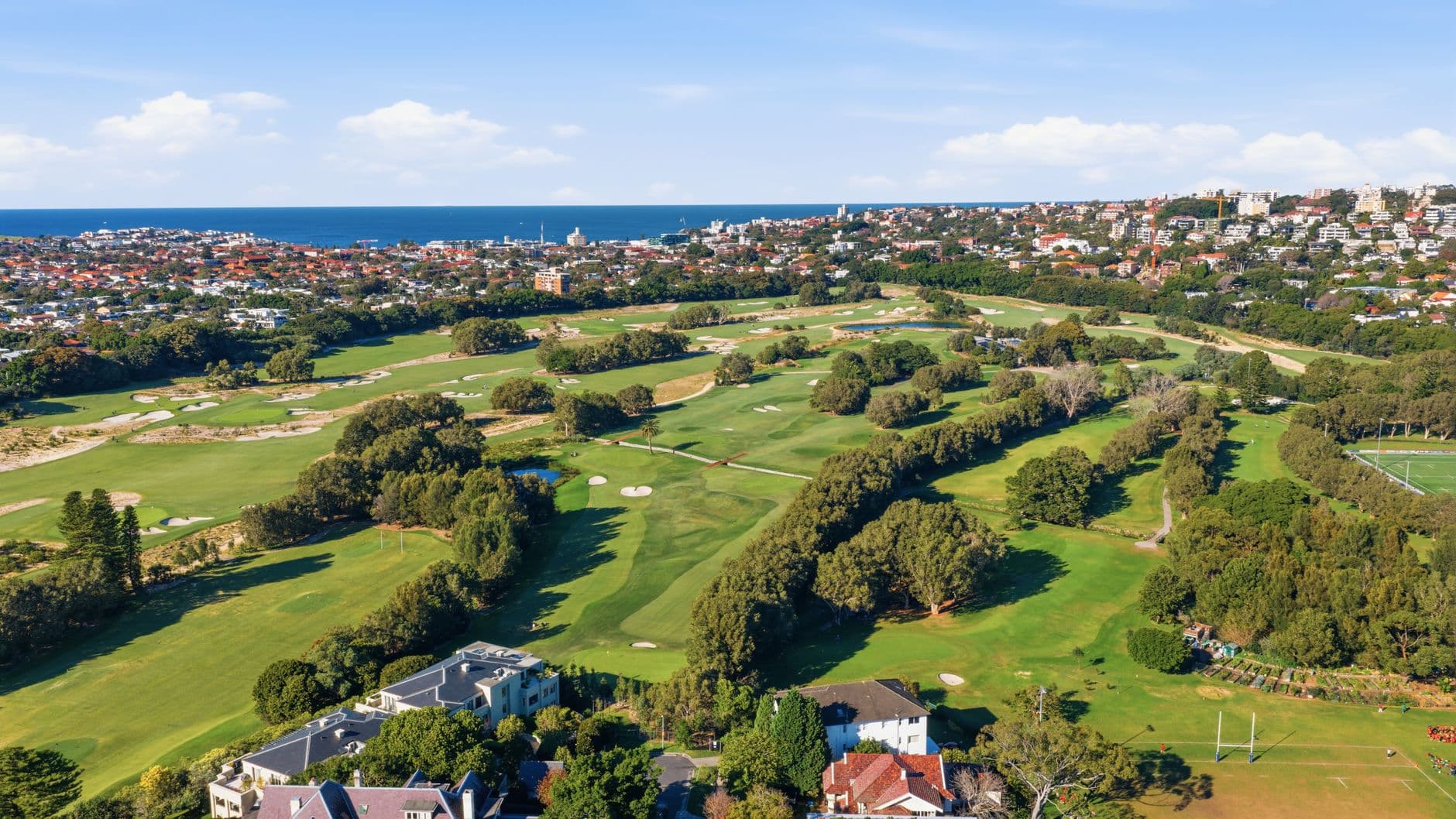
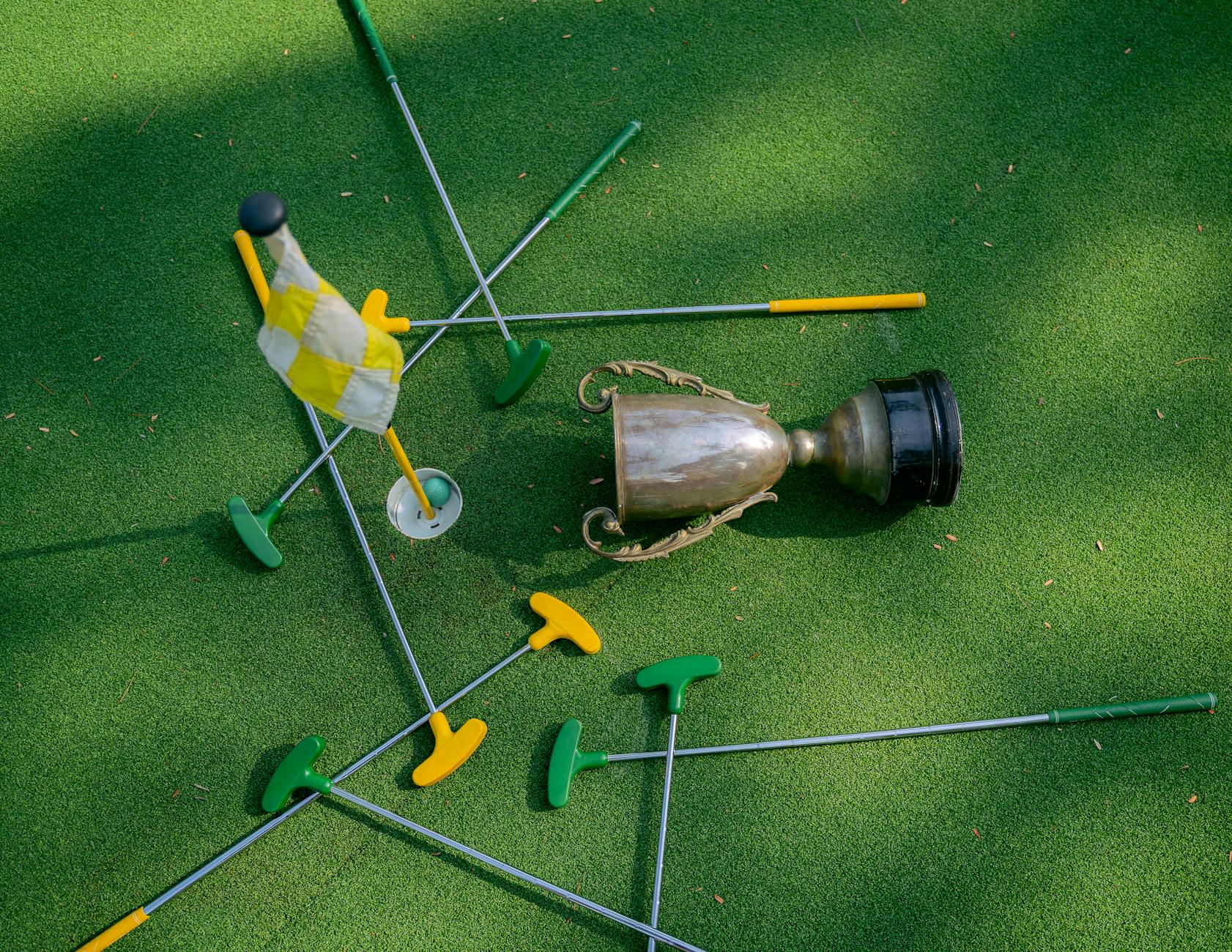
The LPGA Tour's major season officially opens with the Chevron Championship, the oldest of the women's five majors and a tournament steeped in tradition, drama, and the kind of pressure that separates elite professionals from the rest of the field. As the first major of the calendar year, it carries an outsized psychological weight — the player who claims the Dinah Shore Trophy in April enters the rest of the season with a target on her back and momentum few other victories can generate.
Originally played at Mission Hills Country Club in Rancho Mirage, California — where the legendary jump into Poppie's Pond became one of golf's most iconic post-victory traditions — the Chevron Championship relocated to The Club at Carlton Woods in The Woodlands, Texas, beginning in 2023. The move modernized the event's infrastructure and broadened its commercial footprint, but the competitive intensity has remained absolutely intact.
This is a tournament where course management is rewarded as handsomely as ball-striking. The Pete Dye-designed Nicklaus Course at Carlton Woods presents demanding approach angles, well-guarded greens, and water hazards that punish aggressive lines from the wrong positions. Players who post deep results here consistently cite decision-making off the tee — not just raw distance — as the critical differentiator.
Why the Chevron Demands Complete Golf
Carlton Woods is not a course that flatters one-dimensional players. The layout rewards those who can shape the ball in both directions, control trajectory under Texas wind conditions, and manage spin on approach shots into firm, contoured putting surfaces. Greens in Regulation percentage alone is a misleading metric here — proximity to the hole and leaving the ball below the cup on approach shots are what actually convert into birdie opportunities.
Wind management becomes especially critical in the afternoon wave, where swirling gusts can add a full club of uncertainty to mid-iron decisions. This is precisely the type of environment where shaft selection and ball compression become tangible competitive factors. Players relying on Attomax's high-density amorphous metal construction benefit from a more predictable ball flight window — less susceptible to the aerodynamic inconsistencies that traditional surlyn or ionomer covers can introduce in crosswind conditions.
The Weight of the First Major
There is a psychological architecture unique to the Chevron that no other major quite replicates. Being the first major of the year, it arrives before the season's competitive rhythm has fully established itself. Some players arrive having already posted strong results on Tour; others are still calibrating their form. The Chevron separates those who peak early from those who need the season to warm up — and historically, the players who thrive here tend to be aggressive front-runners, not conservative accumulators.
The leaderboard dynamics at this major tend to compress dramatically by Sunday afternoon. Leads that look comfortable through 54 holes have a documented history of evaporating on a back nine where water is in play on multiple closing holes. The player who wins here rarely does so by playing safe — they do it by executing bold shots under maximum pressure.
- Carlton Woods' Nicklaus Course features Pete Dye's signature risk-reward architecture throughout
- Approach shot proximity — not simply GIR percentage — is the decisive scoring metric at this venue
- Wind patterns at The Woodlands vary significantly between morning and afternoon waves
- Water hazards on the back nine Sunday make conservative play a dangerous strategy
- The Chevron's positioning as the season's first major amplifies its psychological significance for the full year

The Legacy and the Tradition
The Chevron Championship traces its roots to 1972, when it was founded as the Dinah Shore Invitational — named for the legendary entertainer who championed women's professional golf at a time when the LPGA Tour desperately needed mainstream visibility and sponsorship credibility. Shore's advocacy for the tournament and the players gave it a cultural legitimacy that outlasted her lifetime and cemented its place in golf history.
The jump into Poppie's Pond at Mission Hills became the sport's most recognizable victory celebration — an unscripted tradition that champions began embracing in the 1980s and that persisted for decades. While the venue change to Texas brought new infrastructure, the spirit of that celebration and the reverence for what this title represents remains deeply embedded in LPGA Tour culture. Winning here still means something beyond the trophy and the cheque.
This is where the season really starts for all of us. You can have a good spring, but if you want to say you've had a great year, you need to contend here.
— LPGA Tour professional
Course Management at Carlton Woods: What Separates Contenders
The players who consistently contend at the Chevron share a common characteristic: exceptional short-game touch combined with the discipline to take what the course offers rather than forcing situations. On a Pete Dye layout, attempting to overpower the design almost always results in double-bogey exposure. The scoring windows open for players who hit to the correct sections of fairways and miss greens on the correct side.
Spin control around these greens is non-negotiable. Dye's greens tend to be firm and fast by Sunday, with shelf pin positions that demand precise landing zones. Players using softer-compression balls can struggle to generate the stopping power required from tight lies around the greens. This is where the ball selection conversation becomes genuinely performance-relevant — the Attomax Hard or Medium compression options offer the spin consistency that allows aggressive flag-hunting from 130 yards and in, without sacrificing the flight control needed on longer approaches.
The Mental Architecture of a Major Champion
Beyond the technical requirements, the Chevron Championship tests something less quantifiable: the ability to process the accumulating weight of a major championship atmosphere across four rounds. By Sunday afternoon, players who have not been in final-group major contention before tend to experience a cognitive narrowing — they stop executing their game plans and start reacting to the leaderboard.
The players who emerge from Carlton Woods with the trophy invariably describe a commitment to process over outcome — an almost stubborn refusal to change what got them into contention. That mental resilience, more than any single technical skill, is what transforms a talented LPGA Tour professional into a major champion. The Chevron Championship, as the season's opening major, is where that quality gets its first definitive test of the year.
As the field assembles in The Woodlands and the first major of the women's season begins to take shape, one truth remains constant: the Chevron Championship demands everything from a player. The players who arrive with complete games — ball control, spin management, course management, and the mental fortitude to close — are the ones whose names get engraved on the Dinah Shore Trophy. Everything else is preparation.
Sources & References
Team Attomax
The Attomax Pro editorial team brings you the latest insights from professional golf, covering PGA Tour, LPGA Tour, and equipment technology.