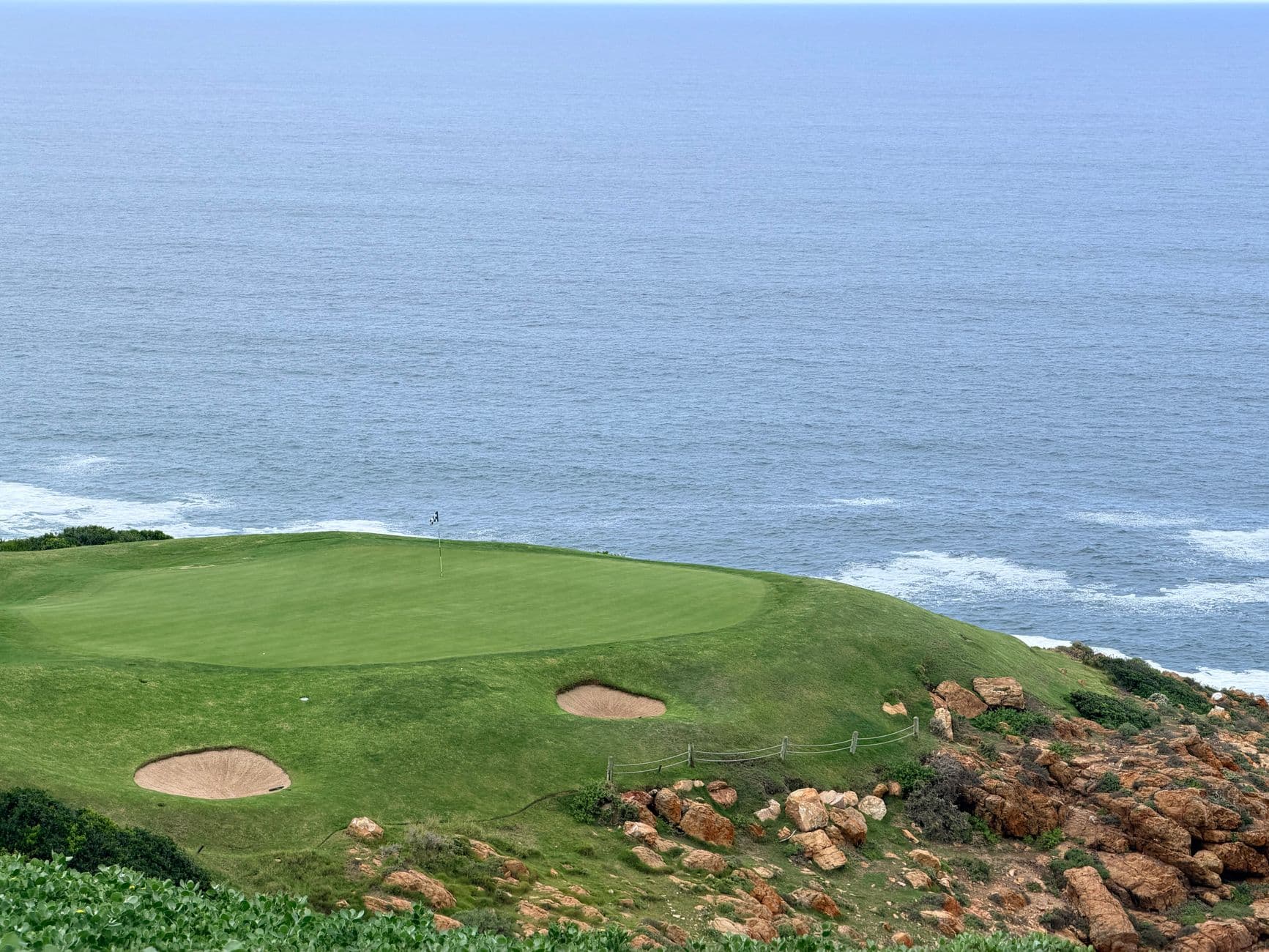
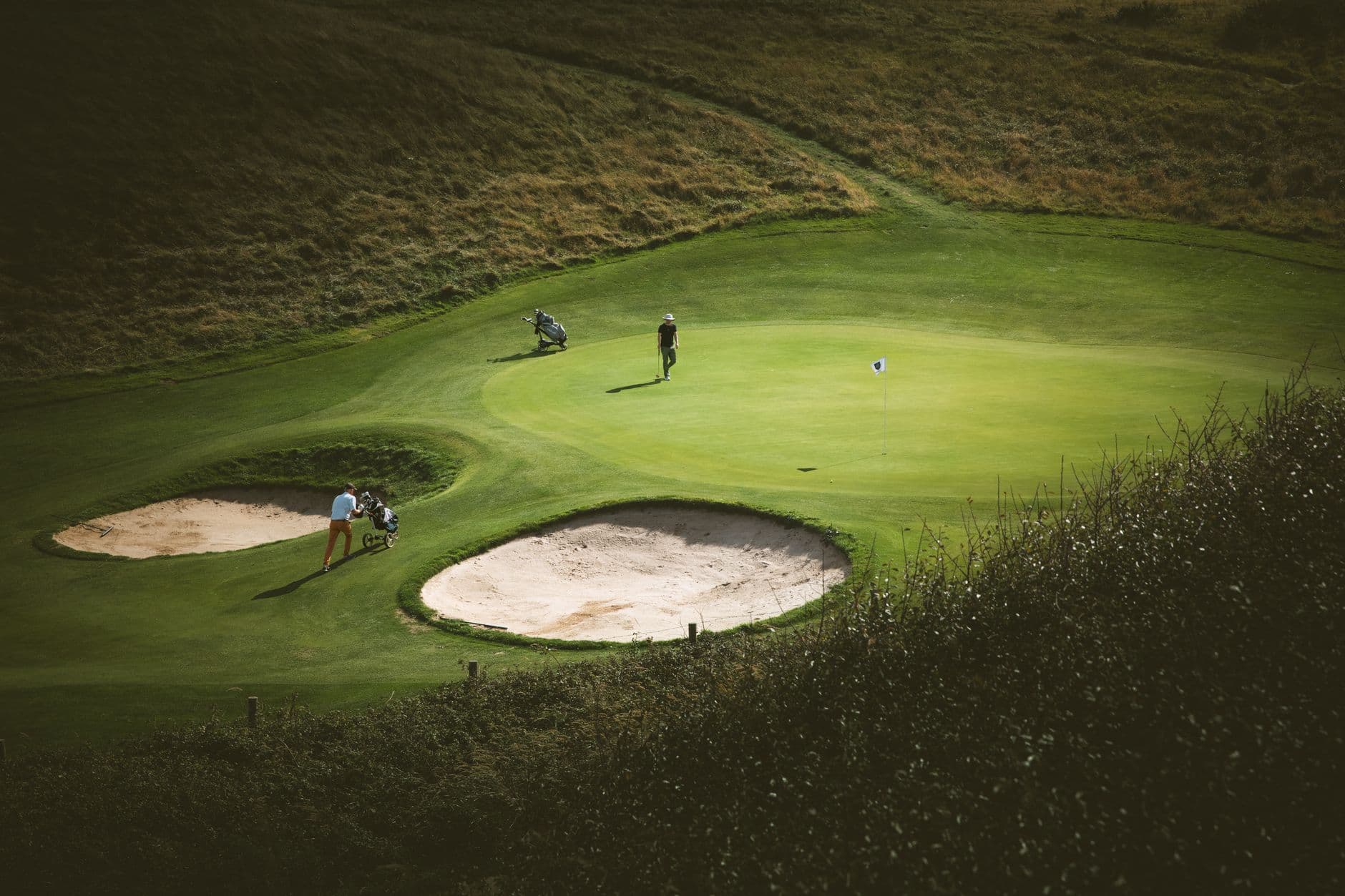
There are golf courses, and then there is Pebble Beach Golf Links. Perched on the Monterey Peninsula's jagged Pacific coastline, this legendary layout has served as the stage for some of the most visceral, gut-wrenching drama in US Open history. When the USGA brings its most demanding major to this address, the result is almost always unforgettable.
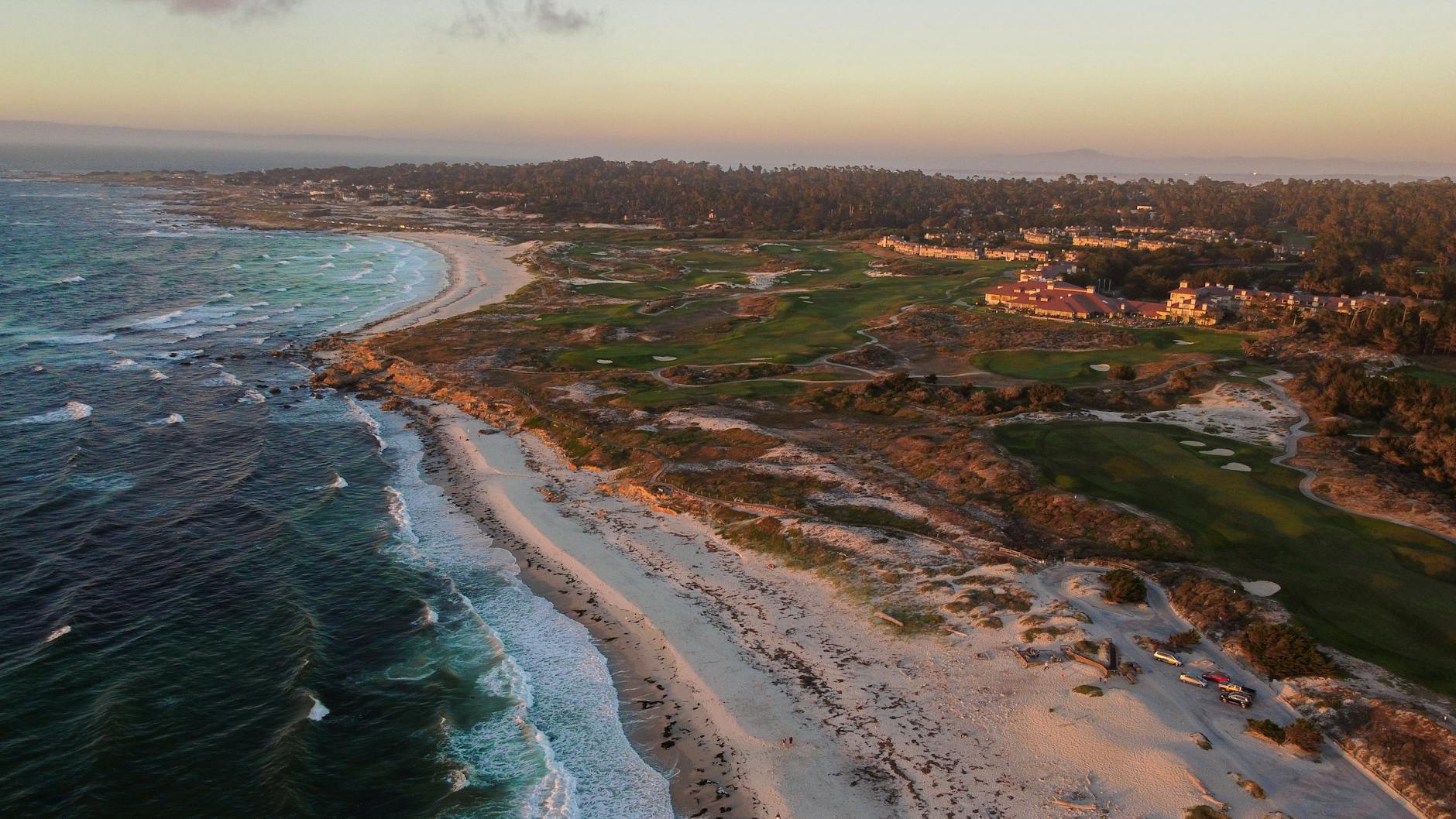
Unlike Augusta National, which rewards a specific brand of aggressive, high-ball-flight power, or Oakmont, which punishes every micro-error with merciless speed, Pebble Beach adds a third variable that no player can fully prepare for: the Pacific Ocean itself. Wind direction, marine layer, and coastal gusts can transform a straightforward iron approach into a white-knuckle survival exercise within the span of one round.
For advanced players and serious students of the game, understanding why Pebble Beach extracts what it does from the world's best golfers requires dissecting both its storied history and the course management calculus that separates contenders from pretenders every time the US Open returns.
A Stage Built for Legendary Drama
Pebble Beach has hosted the US Open on multiple occasions, each edition etching a permanent chapter into the sport's collective memory. Jack Nicklaus's dominant 1972 performance, where he stiffed a 1-iron to the flag on the par-3 17th during the final round, remains one of the most celebrated shotmaking moments in major championship history. Tom Watson's chip-in at the same 17th hole in 1982 — arguably the single most famous shot ever struck at a US Open — ended Nicklaus's dream of a record-breaking fifth title and secured Watson's place in the pantheon of the game's greats.
The 2000 US Open belonged, almost violently, to Tiger Woods, who dismantled the field by a margin that redefined what major championship dominance could look like on a links-adjacent layout. That performance underscored a truth that Pebble Beach enforces with brutal consistency: when the course is set up with USGA severity, only the most complete ball-strikers survive the weekend.
Pebble Beach is the best meeting of land and sea in the world.
— Jack Nicklaus
USGA Setup: Why This Course Punishes Errors Exponentially
The USGA's standard US Open philosophy — narrow fairways, deep rough, firm and fast greens — finds its most dramatic expression at Pebble Beach because the course's natural topography amplifies every penalty. Miss a fairway on the ocean-side holes and you are not simply in deep rough; you may be staring at an unplayable lie or, worse, a ball lost to the Pacific.
The greens at Pebble Beach are relatively small by modern major standards, which becomes critical when approach shots must be shaped against coastal crosswinds. Ball flight trajectory and lateral spin control are not luxuries at Pebble — they are prerequisites. Players who rely on a single, predictable ball shape will be exposed by hole 7, which requires precise distance control on a short downhill par-3 where the green is virtually surrounded by trouble.
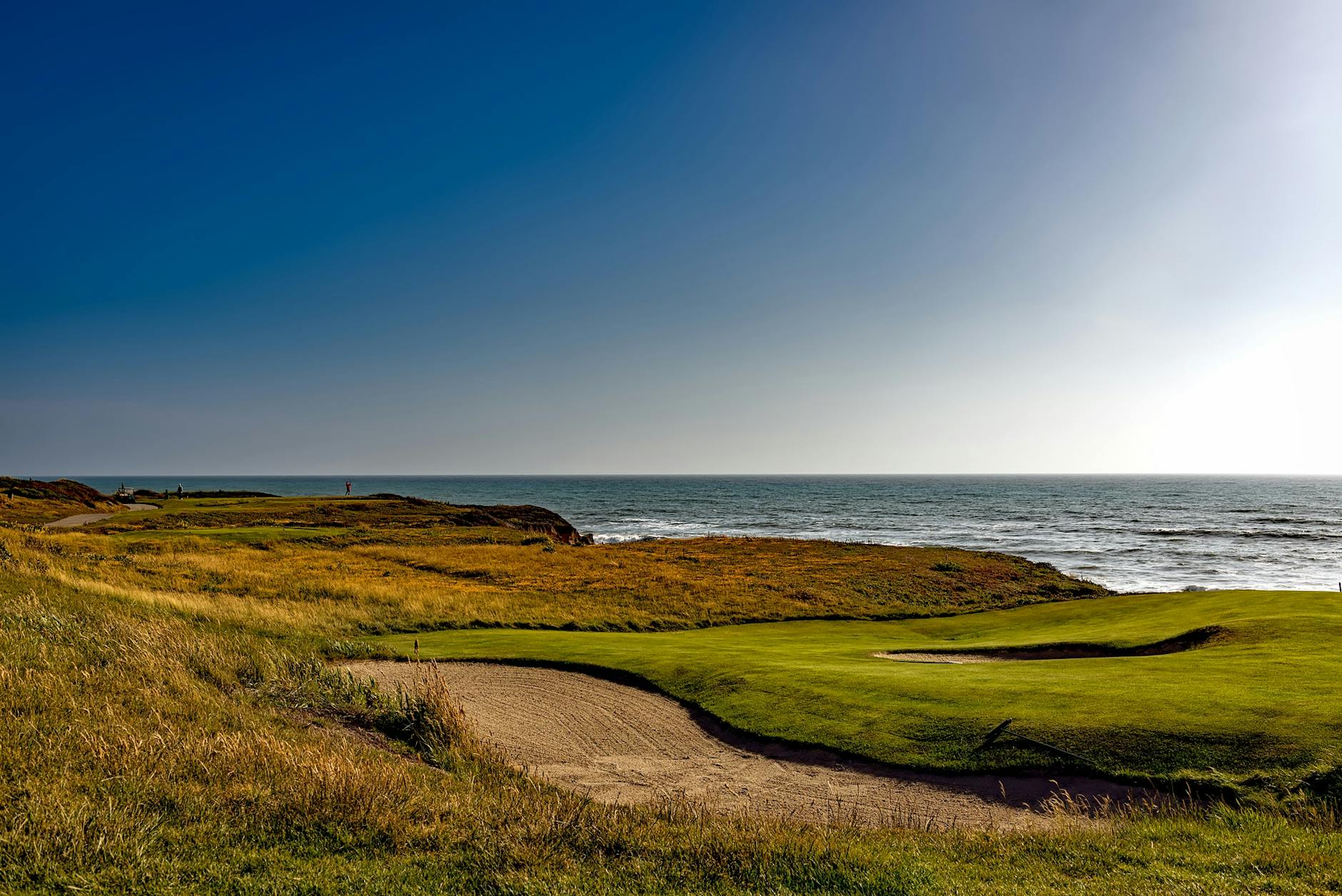
- Holes 4 through 10 run directly along the Pacific coastline, making wind direction the primary variable in club selection
- The par-5 18th, framed by Stillwater Cove, is one of the most recognizable closing holes in golf and demands precise layup strategy when the wind blows off the water
- The 17th's narrow green, flanked by a bunker and the cliff edge, is consistently the most psychologically punishing hole on Open week
- Morning wave players typically face calmer conditions; afternoon starters often battle strengthening afternoon gusts off the Pacific
Course Management: How Elite Players Approach Pebble
The elite players who have thrived at Pebble Beach US Opens share a common trait: they are willing to accept conservative lines and play away from tucked pins when the coastal wind dictates. Shot selection at Pebble is not simply about execution — it is about knowing when not to execute. Greens in Regulation percentage matters enormously here, but the quality of the miss matters even more.
Driving accuracy on the ocean-side holes takes clear precedence over raw distance. Playing from the right side of the fairway on hole 8 — one of the most dramatic par-4s in world golf, where the approach is played over a cliff-edge chasm — opens the green and eliminates the left-side disaster. The elite player treats Pebble as a course where position, not aggression, is the currency of contention.
Wind Play and Ball Compression: The Hidden Variables
Coastal wind management at a US Open demands that players understand the aerodynamic behavior of their golf ball under compression stress. A higher-compression ball maintains a more penetrating ball flight in cross-winds and resists the ballooning effect that can cost a player one or even two full clubs of distance when gusts accelerate off the water. This is precisely why compression matching to conditions — rather than defaulting to habit — separates the technically sophisticated from the rest of the field on Open week.
Attomax's High-Density amorphous metal construction addresses this directly. The denser core architecture delivers a more consistent compression profile in variable conditions, reducing the launch-angle volatility that plagues softer-core traditional balls when wind loads change rapidly between shots. On a course like Pebble Beach, where conditions can shift meaningfully between the front nine and back, that consistency is measurable.
The Closing Stretch: Where Championships Are Won and Lost
Holes 17 and 18 at Pebble Beach constitute one of the most psychologically and technically demanding closing sequences in major championship golf. The 17th demands precise carry distance on a par-3 where the wind is almost always a factor and the green's depth is deceiving. Under US Open pressure — with a tournament potentially on the line — the mental discipline required to commit fully to a club selection, rather than hedge, is immense.
The 18th, stretching along Stillwater Cove with the Pacific as its backdrop, rewards strategic layup on the second shot when the wind is against, and punishes the player who chases a heroic line toward the green into the left rough or, catastrophically, the water. Patience, clear process, and a non-negotiable commitment to course management are the only reliable tools a player can bring into those final two holes when the championship is in the balance.
I'll be disappointed if I don't win the US Open at Pebble Beach. It's my favorite golf course in the world.
— Tom Watson
Why Pebble Beach Remains the US Open's Greatest Venue
Augusta National tests power and touch. Winged Foot tests patience and iron precision. Pebble Beach tests something rarer and harder to coach: the ability to perform under conditions that are actively and unpredictably hostile. The ocean doesn't care about your ranking, your preparation, or your statistics. It simply imposes itself on every shot you play from holes 4 through 18, and the player who manages that imposition most efficiently — not most boldly — is almost always the player lifting the trophy on Sunday evening.
For the serious student of golf architecture and major championship strategy, Pebble Beach is the most complete examination the game offers. Its history is not simply a collection of famous shots — it is a sustained argument, repeated across decades of US Opens, that golf at its highest level is fundamentally a contest of discipline, intelligence, and the calm to execute under extraordinary pressure. That argument has never been made more beautifully than on the cliffs above Carmel Bay.
Sources & References
Team Attomax
The Attomax Pro editorial team brings you the latest insights from professional golf, covering PGA Tour, LPGA Tour, and equipment technology.