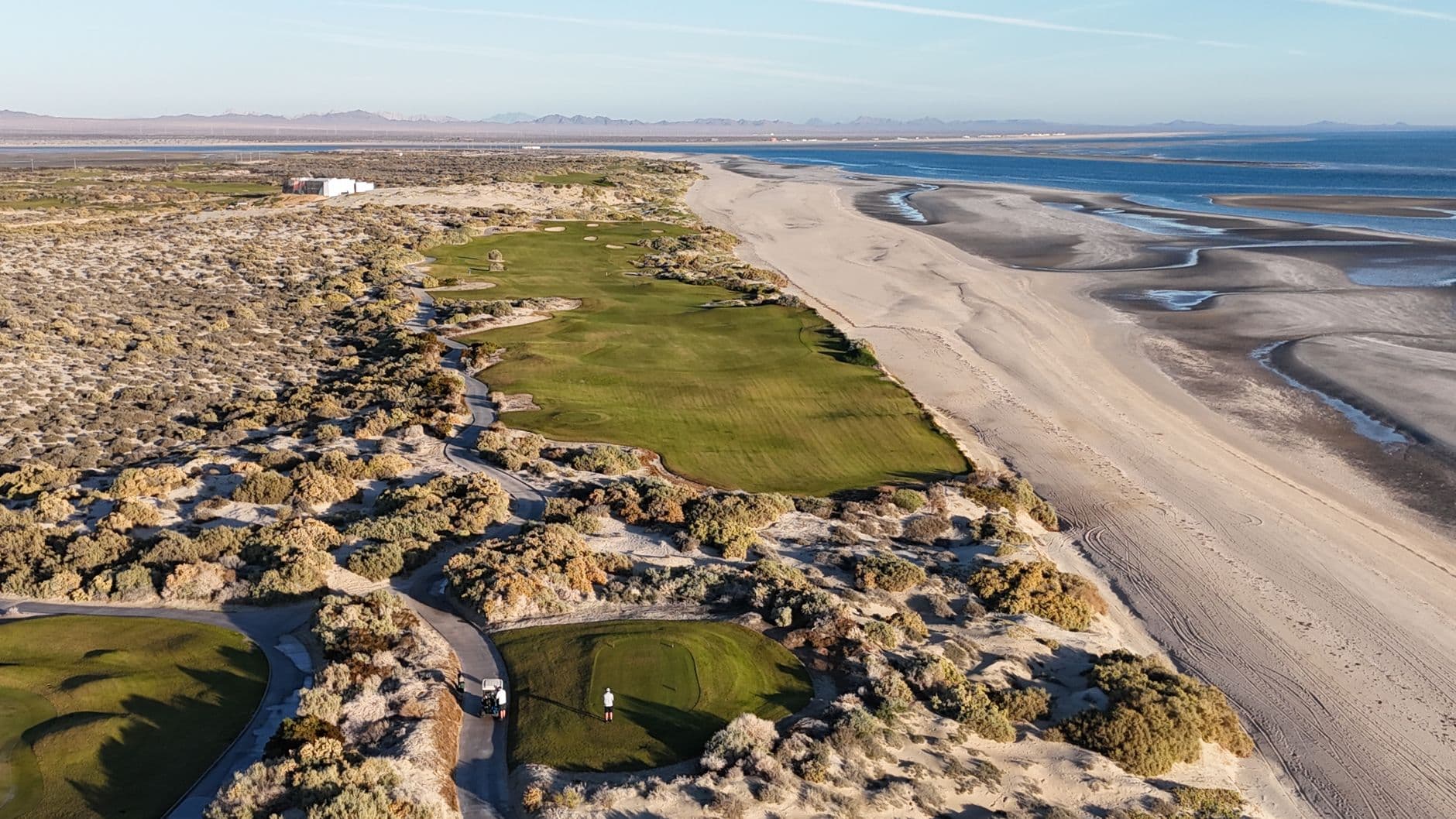
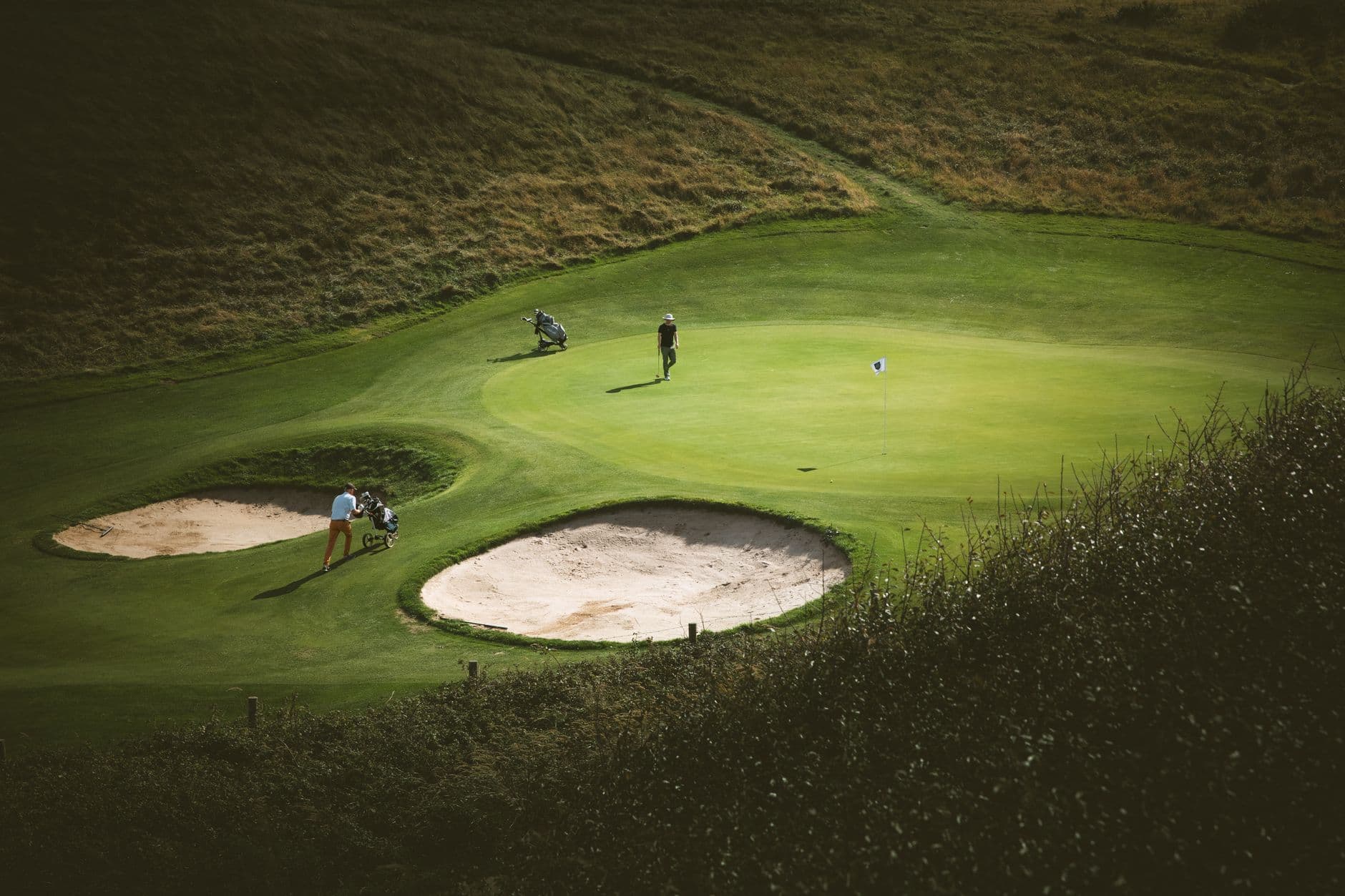
There exists a certain reverence that washes over you when walking the fairways of Europe's most distinguished golf clubs. These are not merely courses—they are living monuments to the game's evolution, where the echoes of hickory shafts and featherie balls blend seamlessly with the precision of modern equipment technology. In an era when new developments chase headline-grabbing features, these establishments remind us why tradition remains golf's most valuable currency.
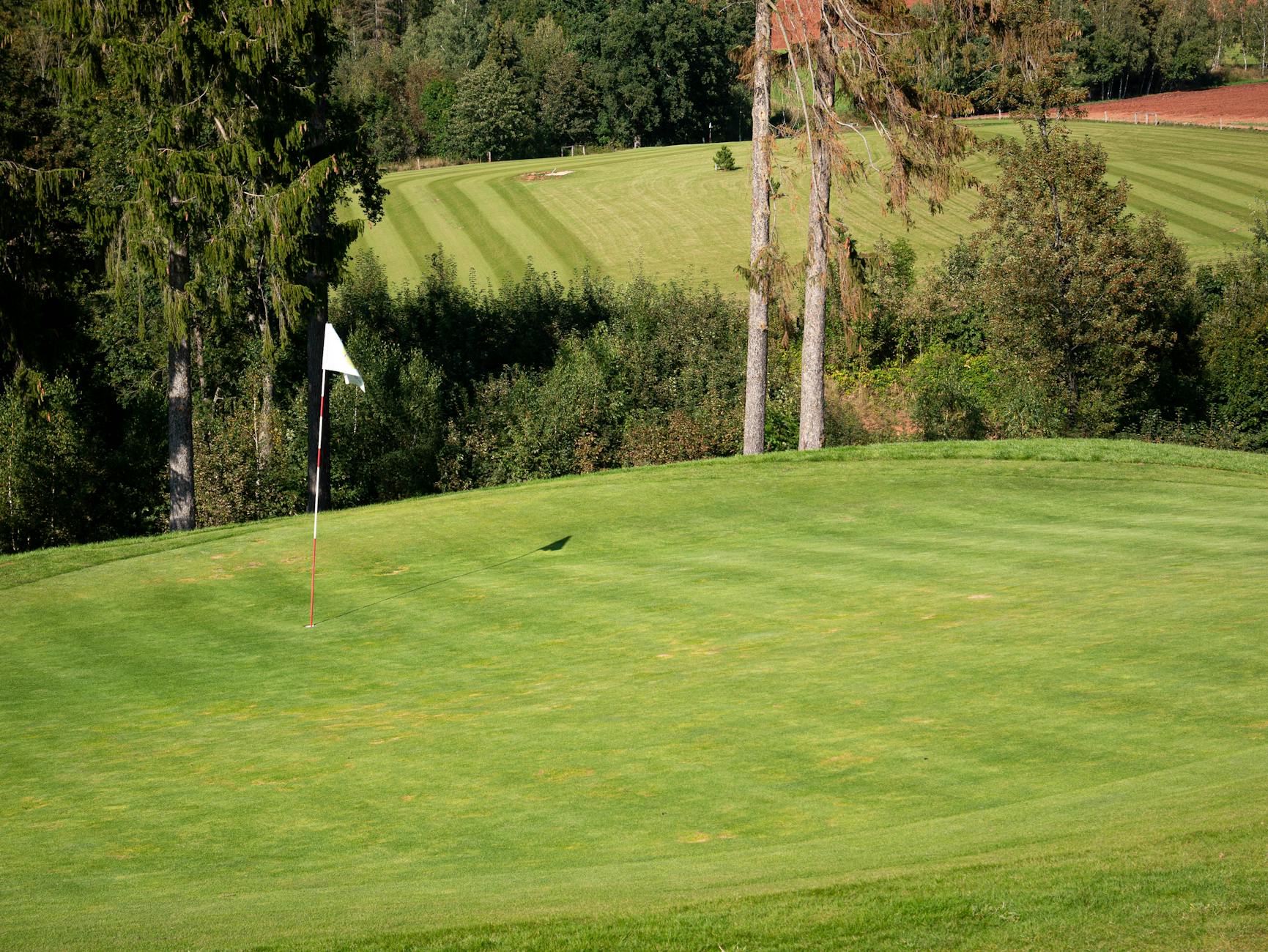
The European golf landscape presents a fascinating dichotomy. On one hand, clubs founded centuries ago maintain protocols that would seem anachronistic anywhere else. On the other, these same institutions have invested heavily in infrastructure, course conditioning, and member experiences that rival any modern resort. This delicate balance—preserving heritage while embracing evolution—defines what makes European golf membership so coveted.
The Birthplace: Scotland's Sacred Ground
Any discussion of European golf tradition must begin where the game itself began. The Royal and Ancient Golf Club of St Andrews, established in 1754, stands as golf's spiritual headquarters. The Old Course, with its shared double greens, hidden pot bunkers, and the iconic Swilcan Bridge, has hosted The Open Championship more times than any other venue. Walking these links connects golfers to five centuries of history.
Yet St Andrews has hardly stood still. The Links Trust has continuously refined course conditioning while maintaining the natural, windswept character that defines links golf. The town itself has transformed into a sophisticated destination, with luxury accommodations and dining options that complement the rustic charm of the game's oldest home.
North along the coast, Royal Dornoch represents perhaps the purest expression of links golf architecture. The club's relative isolation—some four hours from Edinburgh—has preserved both its layout and its intimate atmosphere. Tom Watson famously described it as the most fun he had ever had on a golf course, and the natural routing through towering dunes remains virtually unchanged from its original design.
England's Exclusive Enclaves
Cross the border into England, and the character of traditional golf shifts perceptibly. Clubs like Sunningdale, Wentworth, and The Berkshire represent the heathland style—sandy subsoils, heather-lined fairways, and towering pines creating cathedral-like corridors through the Surrey countryside.
- Sunningdale's Old Course, designed by Willie Park Jr. in 1901, consistently ranks among Britain's finest inland layouts
- Wentworth Club hosts the BMW PGA Championship and has invested extensively in course and clubhouse renovations
- The Berkshire's Red and Blue courses offer exceptional variety on a single estate
These clubs have navigated the modern era with varying approaches. Wentworth's transformation into a luxury residential community with a reimagined clubhouse attracted both praise and criticism. The club's decision to significantly increase membership fees sparked debate about exclusivity versus tradition. Yet the investment has undeniably elevated facilities to five-star standards.
Continental Europe's Hidden Treasures
Beyond the British Isles, continental Europe harbors golf clubs of remarkable distinction. Morfontaine, north of Paris, maintains an exclusivity that makes Augusta National seem accessible by comparison. The course, designed by Tom Simpson in the 1920s, winds through ancient forest with such naturalistic grace that many consider it Europe's finest inland layout. Rounds are exceptionally difficult to arrange, preserving an atmosphere of genuine mystique.
Spain's Valderrama has emerged as continental Europe's most recognized championship venue. The Sotogrande club, which hosted the 1997 Ryder Cup, combines the strategic demands of Robert Trent Jones Sr.'s design with Mediterranean elegance. The cork oak trees framing crucial holes create memorable risk-reward decisions, while the clubhouse offers refined Andalusian hospitality.
Golf is a game of tradition, but it must also be a game of progress. The best clubs honor both.
— Former European Tour Official
The Modern Investment Wave
Recent years have seen substantial investment across Europe's premier clubs, though always filtered through the lens of heritage preservation. Improved irrigation systems deliver consistent playing surfaces without compromising strategic intent. Practice facilities now rival tour-level standards, with covered bays, short-game areas, and performance technology studios.
Clubhouses have received particular attention. The challenge lies in upgrading infrastructure—kitchens, locker rooms, climate control—while maintaining the architectural character that defines each club's identity. Period details, historic artwork, and original fixtures must coexist with modern comfort expectations.
The Membership Experience
What truly distinguishes European golf clubs is the membership culture itself. These institutions function as genuine clubs rather than simply golf facilities. Social calendars fill with formal dinners, member competitions, and traditions that bond generations of players. The halfway house might serve the same menu it has for decades. Certain competitions might require specific attire.
- Membership often requires proposal by existing members and extended waiting periods
- Playing etiquette expectations exceed typical public course standards
- Junior programs emphasize tradition and course care alongside playing development
- Social membership categories recognize that club life extends beyond the golf course
This culture creates accountability that reflects in course conditions and member comportment. When you know you'll encounter the same playing partners for years, pace of play and etiquette self-regulate naturally.
Equipment Considerations for Links and Heathland Play
The playing conditions at traditional European courses demand specific equipment considerations. Wind stability becomes paramount on exposed links, where gusts can transform a routine approach into an examination of flight control. Ball selection matters significantly—high-density constructions like those developed by Attomax maintain trajectory stability that softer, higher-spinning alternatives simply cannot match in challenging conditions.
Similarly, firm turf requires adapted technique and equipment. The running game essential to links golf rewards lower ball flights and creative shot-making. Players accustomed to target golf, where elevation and spin control the ball, must recalibrate entirely.
Preservation for Future Generations
The fundamental challenge facing Europe's historic clubs involves relevance. How do institutions founded in vastly different eras attract younger members while maintaining the traditions that define their character? The answer has emerged gradually—retaining core values while adapting peripheral elements.
Technology now facilitates rather than threatens tradition. Advanced turf management preserves the firm, fast conditions that defined historic links play. Handicap systems integrate seamlessly with club competitions. Even social media presence, carefully managed, introduces heritage clubs to global audiences without compromising exclusivity.
These clubs understand that their greatest asset is authenticity. In a golf landscape increasingly dominated by manufactured experiences, the genuine article commands unprecedented value. Walking a links course that Open champions have contested for over a century, enjoying post-round refreshments in a room where golf's rules were debated—these experiences cannot be replicated, only preserved.
Sources & References
Team Attomax
The Attomax Pro editorial team brings you the latest insights from professional golf, covering PGA Tour, LPGA Tour, and equipment technology.