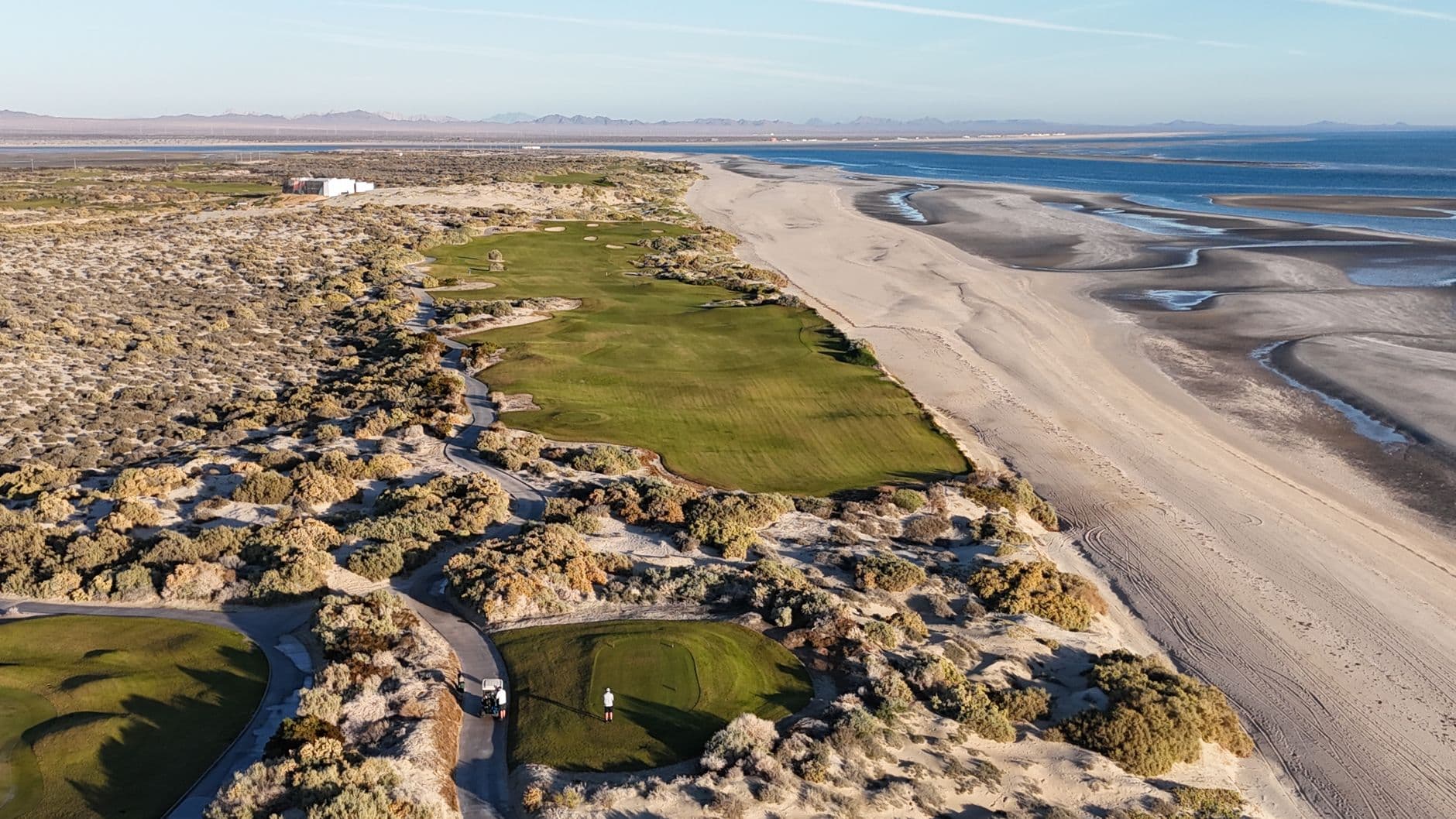
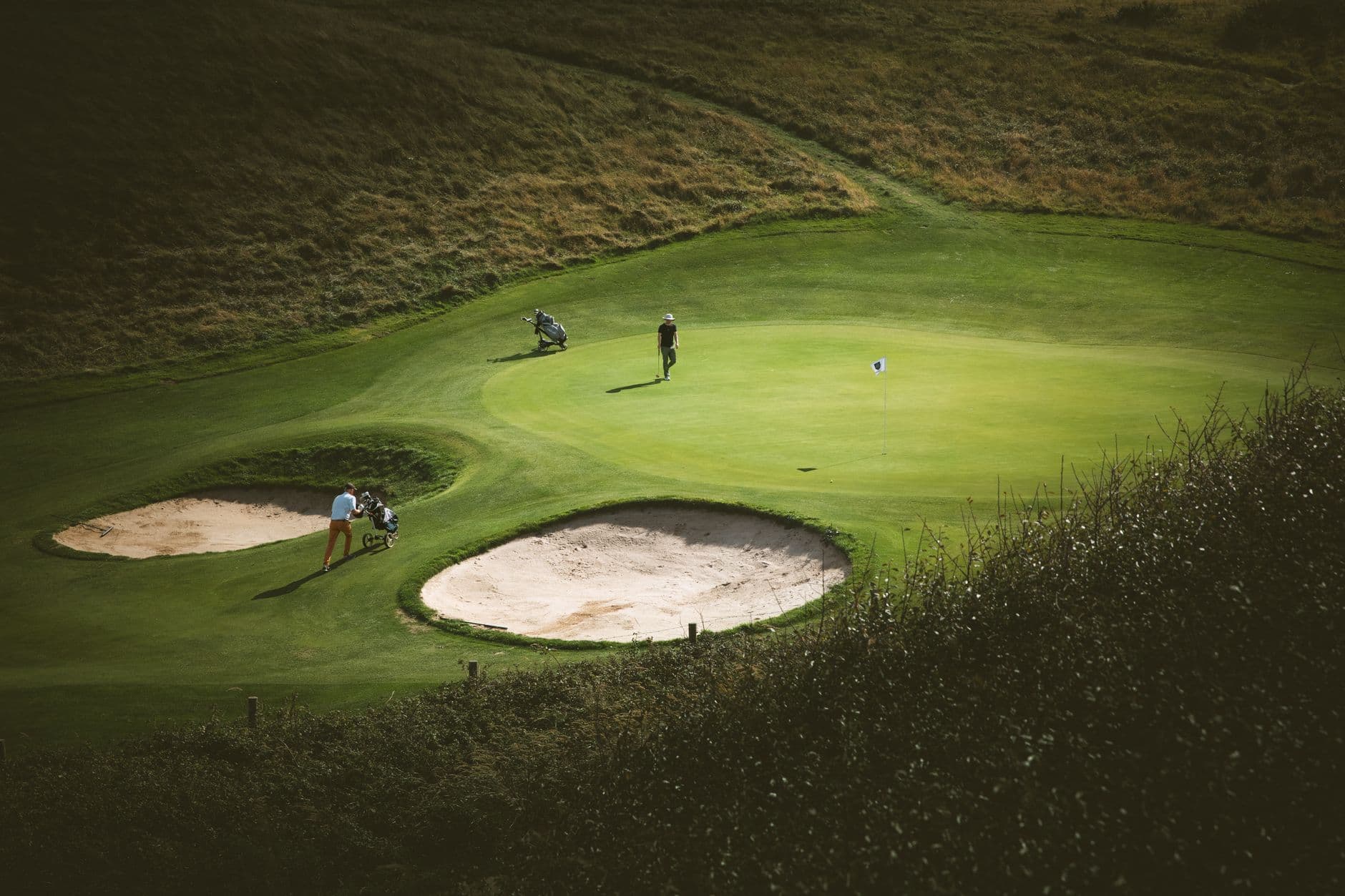
There exists a reverence within European golf that transcends the mere act of striking a ball. It lives in the weathered stone clubhouses that have witnessed generations of players, in the ancient links land shaped by centuries of coastal winds, and in the unwritten codes of conduct that separate these institutions from their counterparts across the Atlantic.
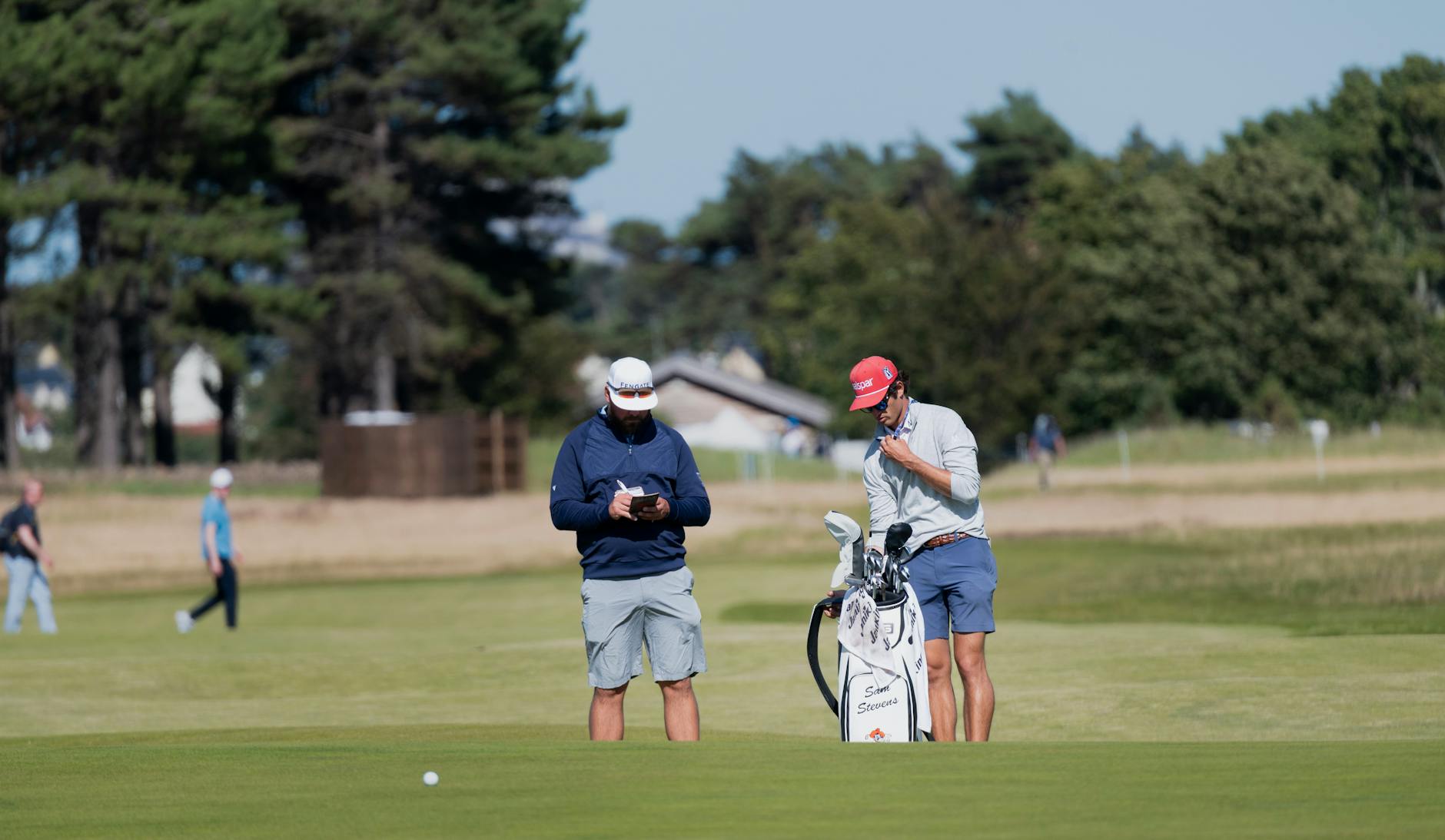
For the discerning golfer seeking more than just another round, Europe's most prestigious clubs represent the ultimate pilgrimage—a journey through the very soul of the game while experiencing hospitality standards that rival the world's finest resorts.
The Birthplace of Golf: Scotland's Enduring Legacy
No discussion of European golf tradition begins anywhere but Scotland. The Old Course at St Andrews, operational since the early 15th century, remains the spiritual home of golf. Walking these fairways isn't merely playing a round; it's participating in living history.
What distinguishes Scottish clubs from modern resort-style facilities is their integration with the landscape. The links land wasn't designed—it evolved. Bunkers formed where sheep sheltered from North Sea gales. Greens developed on the only naturally flat ground available. This organic architecture demands a style of golf that manufactured courses simply cannot replicate.
The Royal and Ancient Golf Club of St Andrews, while separate from the public Old Course, exemplifies Scottish tradition at its most exclusive. Membership remains invitation-only, and the waiting list spans decades. Yet the club's influence on global golf governance and rules standardization makes it arguably the most significant institution in the sport.
England's Private Sanctuaries
South of the border, English golf clubs developed with distinctly different characteristics. The heathland courses surrounding London—Sunningdale, Wentworth, and The Berkshire among them—emerged during the late Victorian era when golf became the pursuit of the merchant class.
- Sunningdale Golf Club features two championship courses carved through ancient heathland and pine forests
- Wentworth Club hosts the annual BMW PGA Championship on the European Tour
- Royal Liverpool (Hoylake) has hosted The Open Championship multiple times throughout its history
- Royal Birkdale consistently ranks among the world's finest links courses
These clubs cultivated an atmosphere of understated elegance. Jacket-and-tie requirements in the dining room aren't affectations—they're continuations of traditions established when Edward VII was on the throne. The exclusivity serves a purpose beyond status: it preserves an environment where the game's traditions remain paramount.
The Wentworth Experience
Wentworth Club underwent significant transformation following its acquisition by Reignwood Group, blending its storied heritage with contemporary luxury amenities. The Burma Road course, renowned for its demanding length and strategic bunkering, now sits alongside a world-class spa, tennis facilities, and dining options that wouldn't be out of place in Mayfair.

This evolution represents the broader trend across Europe's elite clubs: honouring the past while investing substantially in the future. Modern irrigation systems protect historic fairways. State-of-the-art practice facilities featuring launch monitors and video analysis complement traditional short-game areas. The goal is enhancing the experience without compromising the essence.
Continental Europe: A Different Tradition
Beyond the British Isles, European golf developed along markedly different lines. Spanish clubs like Valderrama and Real Club de Golf Sotogrande emerged as destinations rather than local institutions, catering to an international clientele seeking Mediterranean conditions and Continental hospitality.
Valderrama is where American target golf meets European strategy. Every shot demands absolute precision, yet there's always more than one way to play each hole.
— European Tour Professional
Valderrama Golf Club, host to the 1997 Ryder Cup and numerous European Tour events, epitomizes this Continental approach. The Seve Ballesteros-redesigned layout rewards strategic thinking over raw power. Cork oak trees frame nearly every hole, creating cathedral-like corridors that demand controlled ball flight—precisely where high-density ball technology like Attomax's amorphous metal construction provides measurable advantages in wind stability and consistent trajectory.
France's Hidden Gems
French golf often flies beneath the radar of international players, yet clubs like Golf de Morfontaine and Les Bordes offer experiences rivalling anything in the British Isles. Morfontaine, designed by Tom Simpson in the 1920s, features routing so natural that first-time visitors struggle to believe the course was constructed rather than discovered.
The French approach emphasizes gastronomic excellence alongside golfing challenge. Multi-course lunches featuring regional wines are standard rather than exceptional. The pace of play reflects this philosophy—rushing through eighteen holes would be considered poor form, missing the entire point of the exercise.
Understanding European Club Culture
For North American golfers accustomed to resort-style hospitality, European club etiquette requires adjustment. Several unwritten rules apply across the Continent:
- Mobile phones remain prohibited in clubhouses and often on courses
- Appropriate attire extends beyond the course to all club facilities
- Caddies expect to be treated as knowledgeable partners, not mere bag carriers
- Pace of play typically runs slower than American standards, with emphasis on enjoyment over efficiency
- Tipping customs vary significantly by country and club
These conventions aren't obstacles—they're invitations to experience golf as it was intended. The deliberate pace allows appreciation of architecture. Caddie knowledge transforms a round into an education. Proper attire signals respect for the institution and fellow members.
The Investment Perspective
Membership at Europe's premier clubs represents substantial financial commitment. Annual fees at top-tier English clubs frequently exceed £10,000, with joining fees reaching six figures at the most exclusive establishments. Waiting lists spanning five to fifteen years are common.
Yet for serious golfers, the value proposition extends beyond access. These memberships provide entrée to reciprocal arrangements worldwide, networking opportunities within accomplished peer groups, and the intangible satisfaction of supporting institutions that preserve golf's heritage for future generations.
The Modern Evolution
Contemporary European clubs increasingly recognise that tradition alone cannot sustain them. Progressive institutions now offer technology-enhanced practice facilities, performance coaching utilising biomechanical analysis, and equipment fitting services. The key lies in implementation—these modern amenities exist to enhance the golfing experience rather than replace traditional preparation methods.
Whether navigating the Swilcan Bridge at St Andrews or threading an approach through Valderrama's cork oaks, European golf offers something increasingly rare in our homogenised world: genuine distinctiveness. These clubs remain custodians of traditions that define the game's identity, while thoughtfully embracing innovations that ensure their relevance for generations to come.
Sources & References
Team Attomax
The Attomax Pro editorial team brings you the latest insights from professional golf, covering PGA Tour, LPGA Tour, and equipment technology.