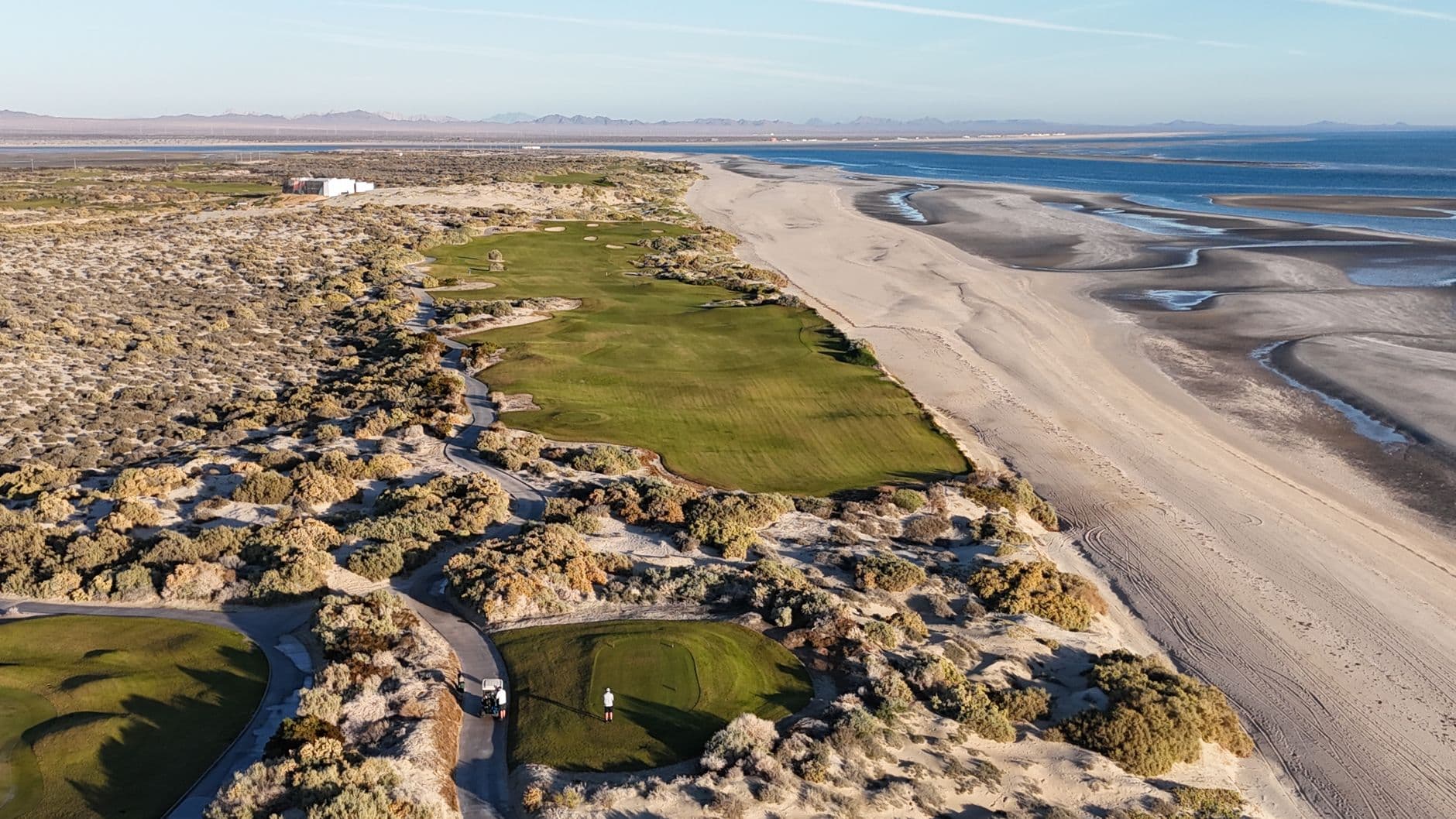
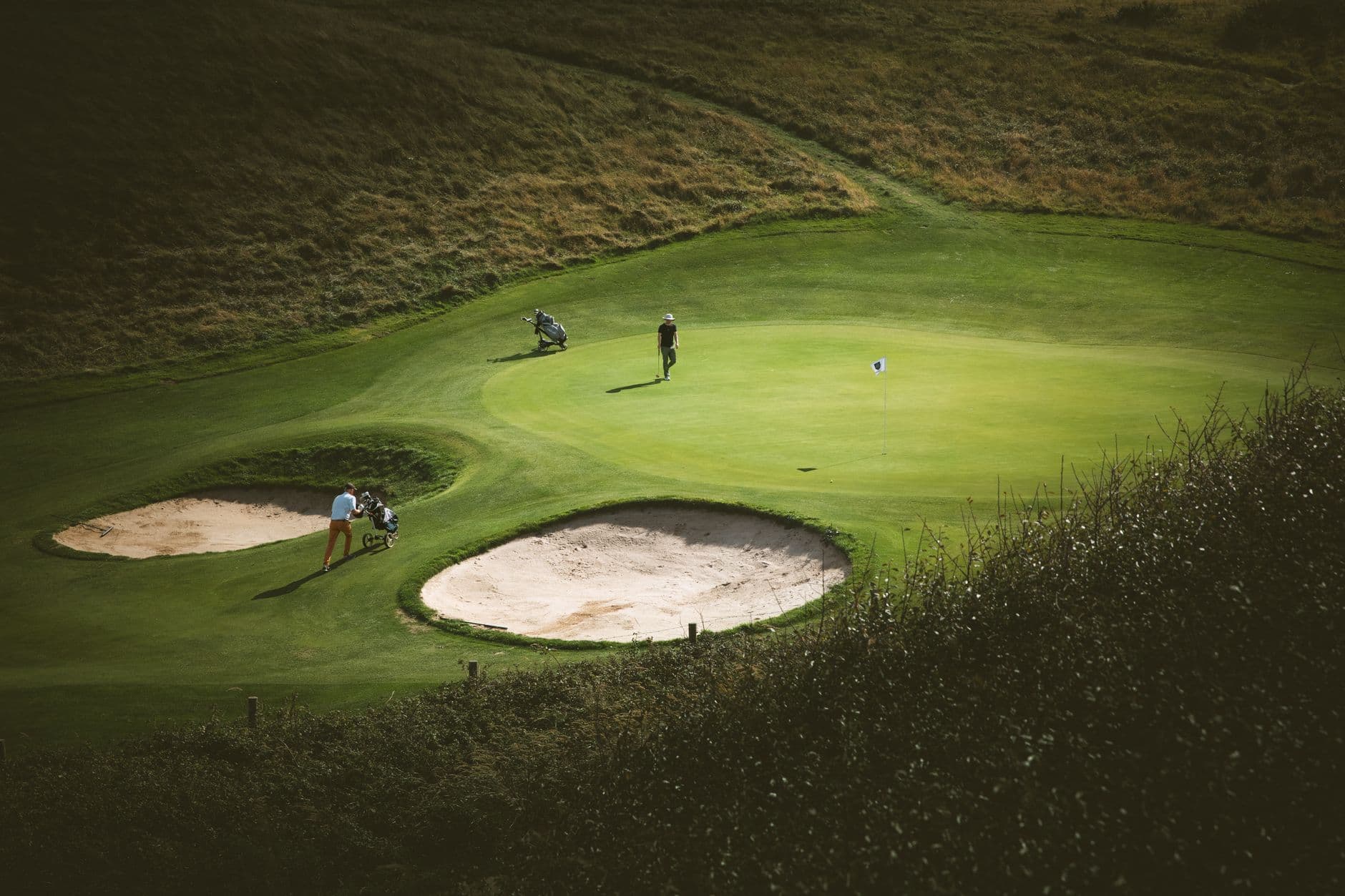
Perched above the shores of Lake Geneva in the French Alps, the Evian Resort Golf Club hosts one of professional golf's most demanding Major championships. The Evian Championship is not simply a tournament — it is a chess match played at elevation, where ball flight behaves differently, greens punish the faintest misjudgment, and the mountain air rewards only those who arrive with a finely calibrated game plan.
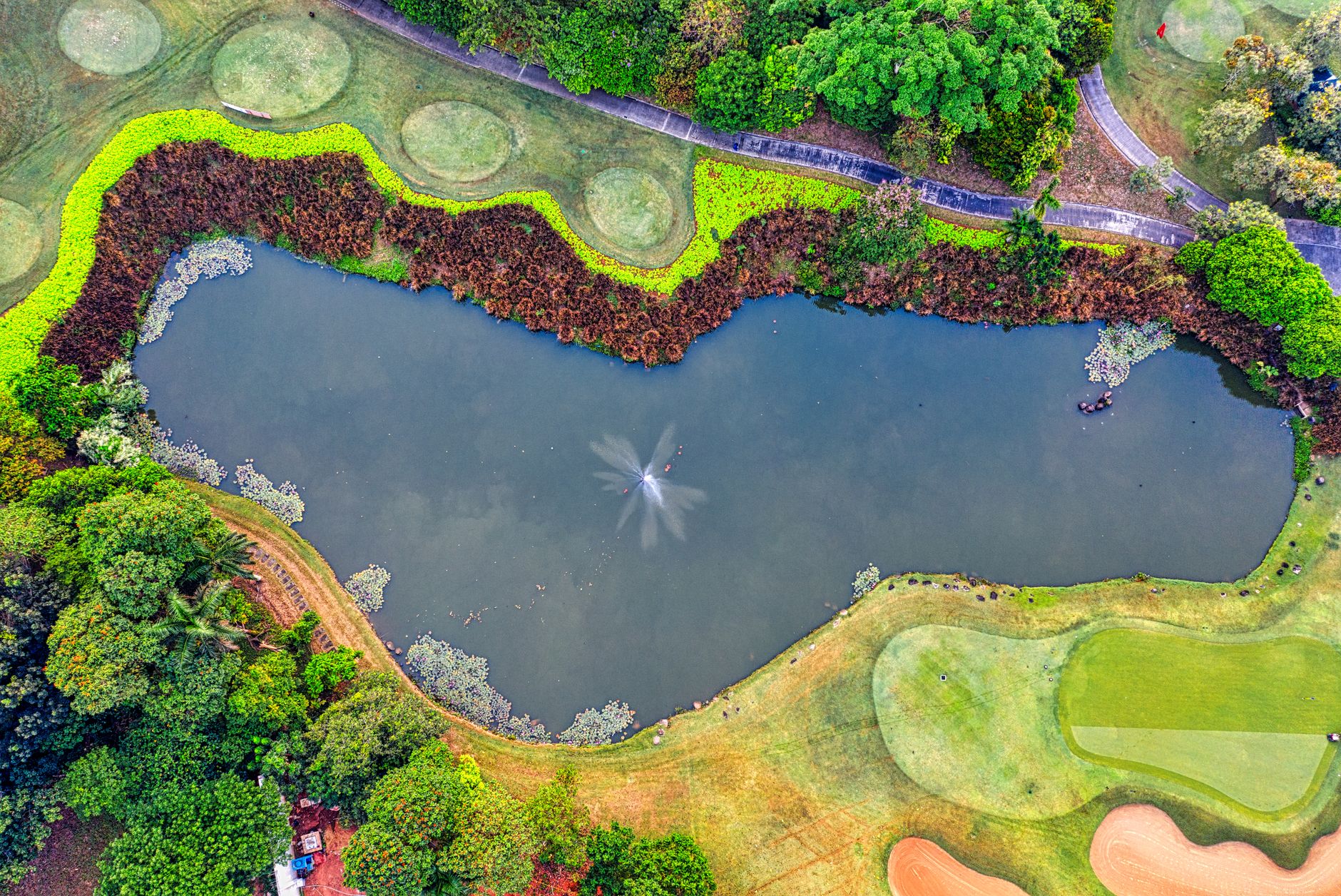
For LPGA Tour professionals, this event occupies a unique space in the Major calendar. Unlike the manicured, wind-swept links of Scotland or the parkland precision demanded at Augusta National Women's Amateur venues, Evian delivers an Alpine character entirely its own — panoramic elevation changes, terraced fairways, and putting surfaces that can shift from holding to glassy within a single afternoon.
Understanding what it takes to win here requires more than reviewing leaderboard history. It demands an appreciation of the physical environment itself and how elite players adapt their ball-striking strategy, short game, and course management to a setting unlike anywhere else on tour.
The Altitude Factor: Every Number Changes
Evian-les-Bains sits at roughly 400 metres above sea level — modest compared to high-altitude desert venues, but sufficient to meaningfully alter ball flight. At elevation, reduced air density means less aerodynamic drag. The result is a ball that carries further than it would at sea level, particularly on longer iron shots where trajectory and carry dominate the equation.
For professionals accustomed to dialling in precise yardages week to week, this creates a recalibration challenge that unfolds throughout practice rounds. A player who normally hits a 7-iron 165 yards at sea level may see that figure climb to 170 or beyond, depending on atmospheric conditions on any given day. The elite players arrive early and do the work — systematically mapping each club through varied trajectories to build a reliable new set of reference numbers.
Ball compression interacts meaningfully with altitude as well. A softer compression ball may behave unpredictably when the air is thin and temperatures shift between cool morning rounds and warmer afternoon finishes. Players who prefer a firmer, high-density construction — such as the Attomax Hard — tend to appreciate the more consistent energy transfer at impact that keeps spin rates and carry distances stable across changing conditions.
The Evian Greens: Reading the Alps From the Flagstick
If altitude presents a distance management puzzle, the greens at Evian Resort Golf Club are the tournament's true defining challenge. The putting surfaces are consistently ranked among the most complex on the LPGA schedule — not because of extreme stimpmeter readings alone, but because of the multi-tiered contours and the degree to which the surrounding Alpine topography influences how putts break.
The mountain terrain means that what appears visually as a straight putt frequently features subtle fall-away breaks imperceptible at ground level. Players must develop an almost intuitive understanding of the macro-terrain — essentially, where the mountain sits relative to the hole — and use that landscape-level read to override what their eyes tell them from the green itself.
- Greens slope in ways that follow the broader contour of the hillside, often breaking toward Lake Geneva
- Speed control is paramount — lag putting from distance prevents the three-putt disasters that derail scoring
- Pin positions on upper tiers require precise approach trajectory to hold the surface; running a ball up is rarely viable
- Morning dew and afternoon warming can significantly alter green speed within a single competitive round
- Approach shot landing zones matter enormously — players who miss long face the most punishing downhill putts on tour
Course Management in the Mountains: The Scoring Philosophy
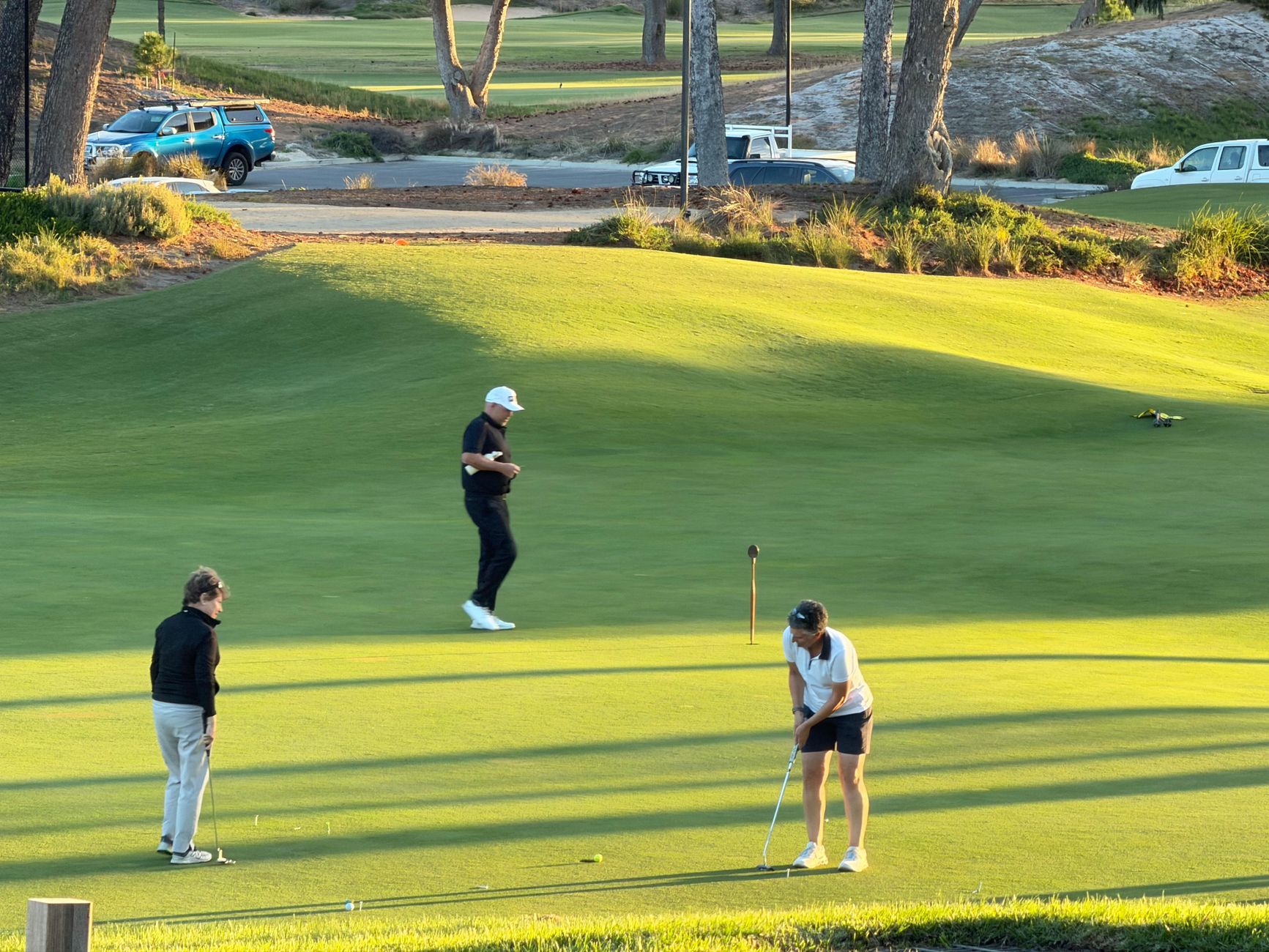
The professionals who contend at Evian year after year are not simply the longest hitters or the most accurate ball-strikers in the field. They are the players with the sharpest sense of when to attack and when to manufacture par. The terraced fairways and elevation changes mean that a well-positioned approach from a conservative tee shot often leaves a far simpler second shot than an aggressive drive that catches a downslope and runs through a fairway.
Wind is an underappreciated factor at this venue. The Alps channel airflow in complex, shifting patterns — breezes that arrive from the lake can cut across elevated tee boxes from completely different directions than the flag movement below suggests. Playing into, with, or across an Alpine crosswind requires a player to have a genuine working knowledge of shot-shaping under pressure, not just in ideal conditions.
At Evian, you cannot fake your way around. The course will expose any weakness in your game by the back nine on Thursday.
— Composite of LPGA professional commentary on the event
The Short Game Premium: Scrambling in the Alps
Given how aggressively Evian protects par, scrambling statistics at this Major consistently separate the final leaderboard from the rest of the field. Players who cannot convert par saves from tight Alpine rough or chip-and-run efficiently on firm downhill lies will bleed shots at an accelerating rate across four rounds.
The rough at Evian, while not punishing in the deep links-rough sense, sits on uneven ground. Getting a clean strike with a lofted wedge from a sidehill lie requires exceptional footwork and the ability to produce consistent spin from imperfect contact. Tour professionals who favour a high-spin wedge game — built around a ball that generates reliable greenside spin even from half-buried or sidehill positions — carry a genuine scoring advantage in this environment.
Why Evian Rewards the Complete Player
The Evian Championship has produced champions who represent a wide range of playing styles, yet a common thread runs through virtually every winner: the capacity to stay patient across four demanding rounds while seizing the one or two scoring windows the course offers each day. Birdie clusters rarely come in long sequences here. A two-under stretch on the front nine is genuinely hard-earned, and protecting that number through the back demands mental discipline as much as technical skill.
The players who thrive do so by making exceptional decisions, not just exceptional swings. They accept bogey as a valid outcome on the course's most demanding holes rather than compounding a mistake with an ill-judged recovery. They practice their uphill and downhill putting extensively during pro-am and practice rounds, building confidence on pace control before competition begins.
Equipment Built for Altitude and Precision
For serious amateurs and club players who travel to Alpine golf destinations — whether Evian itself or the broader constellation of mountain courses across France, Switzerland, and Austria — equipment selection becomes a meaningful part of pre-trip preparation. The same principles that apply to LPGA professionals at the Evian Championship apply on any elevated mountain layout.
Ball selection warrants particular attention. At altitude, a ball with a stable, high-density core maintains more predictable spin rates and trajectory windows than softer alternatives that can balloon in reduced air density. The Attomax Medium and Hard constructions are especially well-suited to Alpine conditions — delivering the penetrating flight and reliable greenside response that elevated, fast-surfaced courses demand. Matching your ball to the environment, not just your handicap index, is the kind of equipment decision that separates thoughtful golfers from the merely well-practised.
The Evian Championship remains one of professional golf's most visually spectacular and strategically layered events. Against the backdrop of Lake Geneva and the French Alps, it stages an annual examination of every facet of the elite women's game. For anyone serious about understanding championship-level course management and the physics of Alpine golf, it is essential viewing — and essential study.
Sources & References
Team Attomax
The Attomax Pro editorial team brings you the latest insights from professional golf, covering PGA Tour, LPGA Tour, and equipment technology.