
Of all the equipment decisions a competitive golfer makes, grip selection is arguably the most under-analyzed. Shaft flex and clubhead design dominate fitting conversations, yet the only point of physical contact between golfer and club is routinely left to whatever came stock on the rack. That's a mistake with measurable consequences for clubface control and shot dispersion.
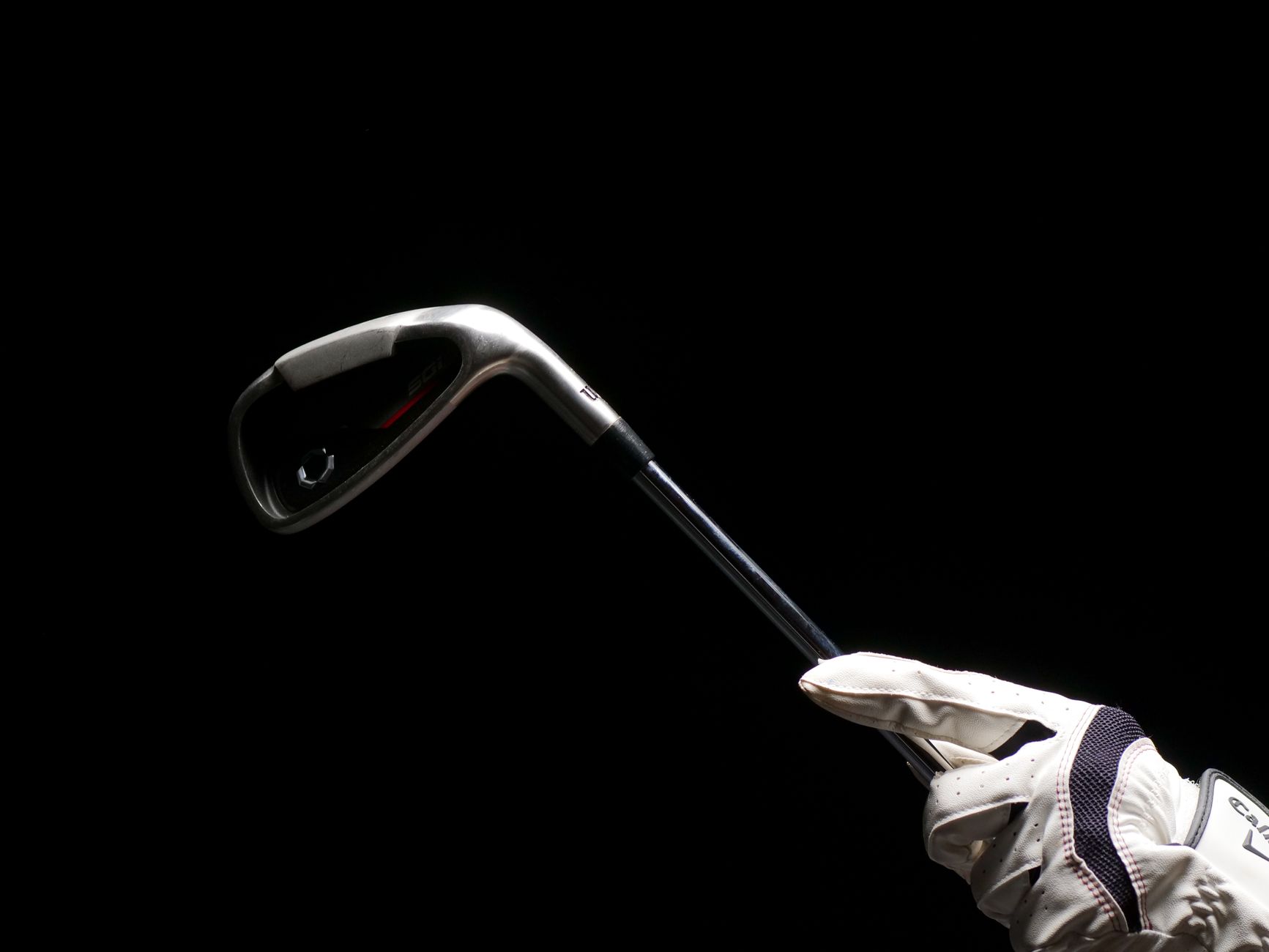
Grip fit isn't a comfort preference—it's a biomechanical variable that governs how much the hands must actively work to square the clubface through impact. Get it wrong, and even a perfectly fitted shaft can't compensate for excess tension or unwanted release. Get it right, and the entire kinematic sequence downstream benefits.
Sizing: The Foundation Everyone Skips
Grip size is typically categorized as Undersize, Standard, Midsize, and Jumbo, with buildup often achieved through additional wraps of tape beneath the grip rather than a different core diameter. The general principle: a grip too small encourages excessive hand action and a tendency toward hooks, while a grip too large restricts wrist hinge and can promote blocks or pushes.
Hand size and glove size offer a starting reference point, but they're not the final word. Finger length, hand strength, and even the amount of tackiness a compound provides all interact with perceived size—a firmer compound in a given diameter can feel larger than a tacky one of identical dimensions.
- Undersize/Junior: promotes active hand release, favored by players seeking more shot-shaping curvature
- Standard: the majority-fit category for most adult male and female golfers
- Midsize: reduces grip pressure and hand action, often recommended for players managing joint discomfort
- Jumbo: primarily used for putters, minimizing wrist breakdown on shorter strokes
Because grip size interacts directly with swing tempo and release pattern, it's genuinely difficult to self-diagnose from feel alone. This is precisely the kind of variable that a structured swing analysis captures far more reliably than trial and error at retail, which is why the free ATOM AI fitting tool factors grip diameter into its recommendations rather than treating it as an afterthought.
Compound Chemistry: More Than Just Tacky vs. Firm
Grip compounds generally fall into three families: rubber, synthetic polymer blends, and hybrid cord constructions. Each behaves differently across conditions, and the right choice depends heavily on climate, hand moisture, and whether a player wears a glove.
Rubber compounds offer a soft, plush feel and tend to be the quietest in terms of feedback, but they can lose tackiness faster in humid conditions or with heavy hand perspiration. Cord-blended grips—incorporating woven fiber into the rubber—provide superior traction in wet weather and for gloveless players, at the cost of a slightly more textured, less plush feel that some golfers find abrasive over time.
Attomax Pro's grip line uses a NANOALLOY resin-based compound engineered to hold consistent tackiness across a wider humidity range than standard rubber, addressing the most common complaint we hear from players in variable climates: grips that feel great in April and greasy by August. Full specifications and compound options across the range are detailed on the grip product page.
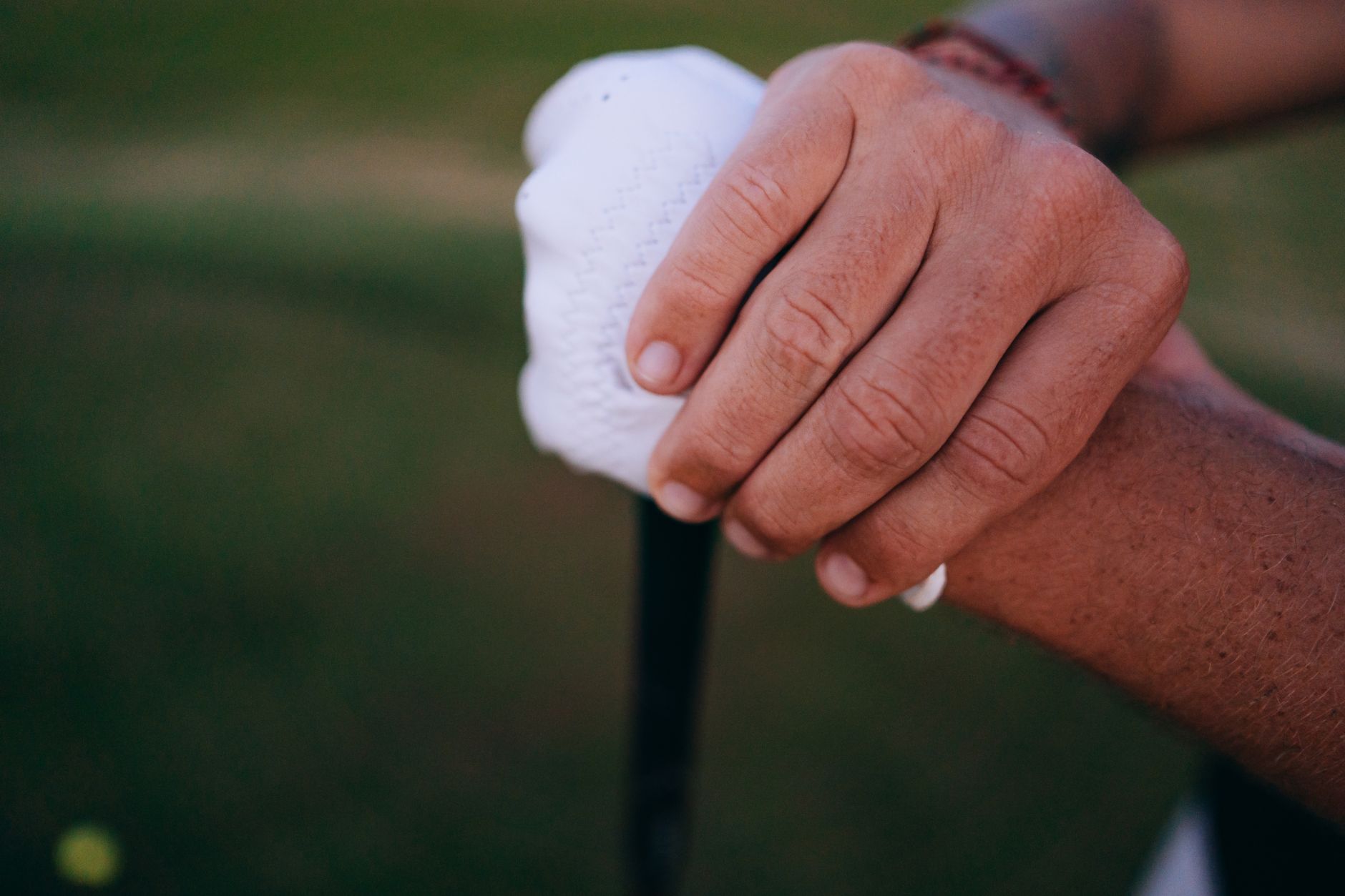
Players will spend hours debating shaft flex and completely ignore that their grips are three seasons old and slick as glass.
— Attomax Pro Fitting Team
Reading Wear Before It Costs You Strokes
Grip degradation is gradual, which makes it easy to miss. The compound oxidizes and hardens with UV exposure, surface texture wears smooth from repeated hand contact, and the result is a slow erosion of traction that most golfers unconsciously compensate for by gripping harder. That added tension travels straight up the forearms and tightens the entire release pattern.
A shiny, glazed appearance on the underside of the thumb pads is the clearest visual indicator that a grip has hardened past its useful life. If you find yourself regripping your glove or applying more resin/spray than usual just to maintain purchase, that's a signal worth acting on rather than working around.
Replacement Cadence: Frequency Over Guesswork
The commonly cited industry benchmark is to replace grips after roughly 40 rounds, or once annually for a player who golfs regularly—whichever comes first. Players who golf year-round in high-humidity or high-UV climates should lean toward the shorter end of that window, since oxidation from sun exposure accelerates hardening independent of actual usage.
Storage matters as much as usage. Clubs left in a hot car trunk or garage for extended periods bake the compound and shorten its effective lifespan considerably faster than clubs stored in a climate-controlled bag room. This is a small habit, but it's one of the simplest ways to extend equipment life without spending a dollar, and it's covered in more depth in our care and maintenance guidance.
- Casual player (under 20 rounds/year): annual replacement is typically sufficient
- Regular player (20-60 rounds/year): replace at the 40-round mark or annually
- High-frequency/competitive player: consider replacement every 30-40 rounds, or seasonally
- Any player in consistently hot, humid, or high-UV conditions: shorten the interval regardless of round count
It's also worth remembering that grips are the least expensive performance variable in the bag relative to the control they influence. A full set regrip costs a fraction of a shaft upgrade, yet the traction and consistency gains can be immediately felt in transition and through impact—particularly paired with a properly fitted shaft from the ATOM Black or ATOM Blue range, where flex and grip diameter should be considered together rather than in isolation.
Ultimately, grip selection rewards the same rigor that serious players already apply to shaft flex and clubhead design. Size, compound, and replacement timing aren't cosmetic details—they're the interface through which every swing decision is executed, and treating that interface as an afterthought leaves real performance on the table.
Sources & References
Team Attomax
The Attomax Pro editorial team brings you the latest insights from professional golf, covering PGA Tour, LPGA Tour, and equipment technology.
