The hybrid vs. long iron debate has been raging on Tour and in fitting bays for two decades, and it still doesn't have a single correct answer. What it does have is a framework — one built on launch conditions, attack angle, and course context — that separates players who make the right call from those who carry the wrong club for their game.
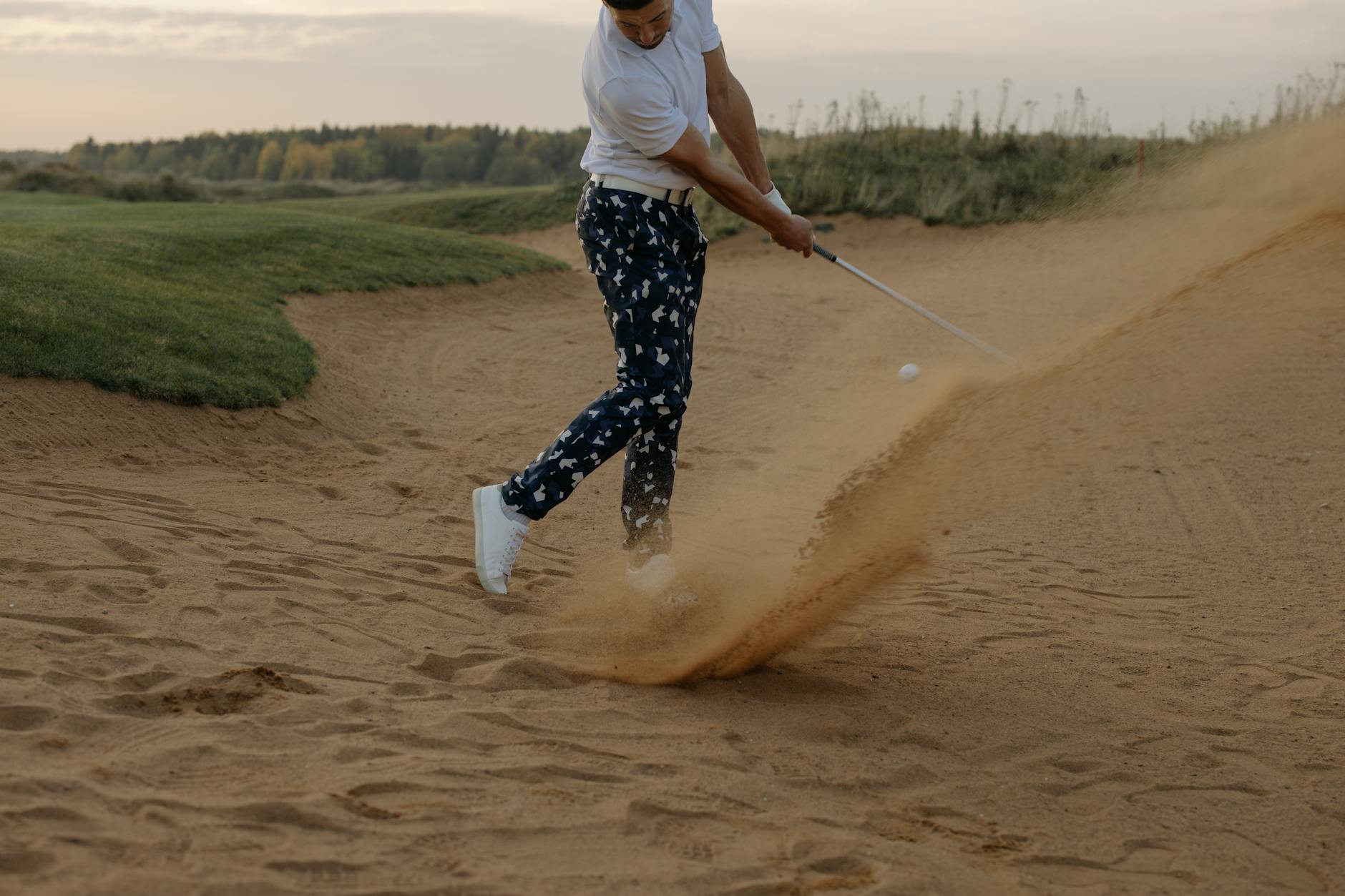
The conversation matters because the 3- through 5-iron range is where strokes are genuinely leaked or saved. Miss a 7-iron by ten yards and you're still on the green. Miss a 3-iron by ten yards and you're in a bunker, a hazard, or a recovery lie. The margin for error compresses at distance, which is exactly why equipment choice here carries disproportionate weight.
Understanding which club suits your ball-striking profile — and how to fit either properly — is one of the highest-value equipment decisions an accomplished golfer can make.
The Case for the Long Iron
Long irons reward players with a shallower, more neutral attack angle and higher swing speeds. The lower center of gravity and thinner face of a modern players' iron produces a penetrating, controlled ball flight that holds its line in crosswinds — a trait that hybrids, with their higher launch and more pronounced draw bias, often cannot match.
On firm, fast courses — links layouts, sun-baked parkland in summer, or any track where running the ball into the green is a legitimate strategy — a well-struck long iron gives you shot shape options that a hybrid simply can't replicate. The ability to flight a low, piercing 2-iron under the wind or cut a 4-iron into a tight pin is a skill set that disappears the moment you replace that iron with a wider-soled rescue club.
For players with a driver swing speed above roughly 100 mph and a consistent, ball-first strike, a long iron is not the punishing club it was in the persimmon era. Modern forged and forged-feel constructions have made them more forgiving than the blades of the 1980s, while retaining the workability that better players demand.
The Case for the Hybrid
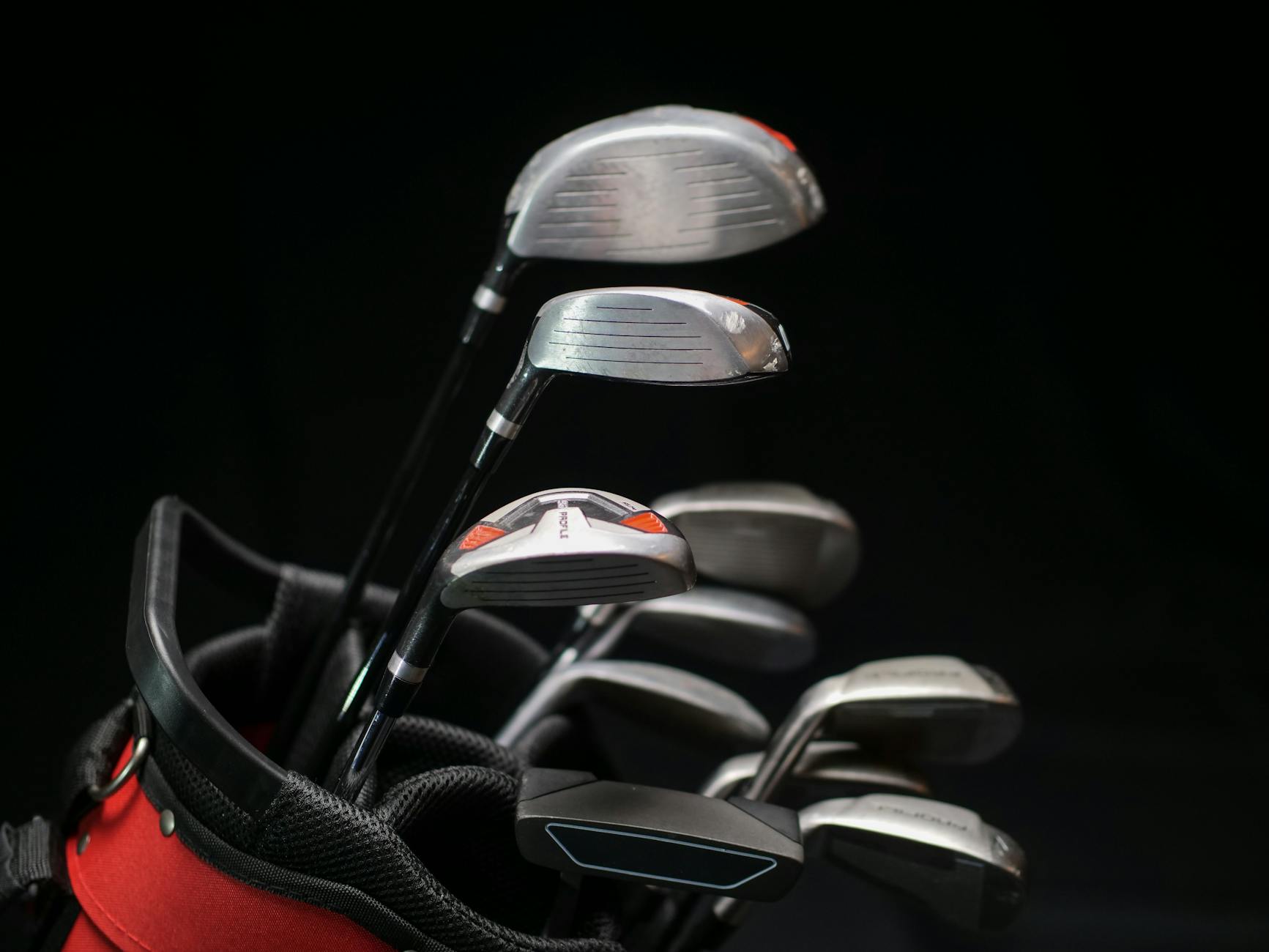
Hybrids exist because the physics of a long iron require a strike quality that most golfers — even accomplished ones — cannot sustain under pressure. The wider sole prevents digging on steeper attack angles, the deeper CG promotes a higher launch with less spin, and the longer shaft length combined with a more forgiving face means that a slightly off-center strike still produces a playable result.
For players with a steeper, more descending attack angle — common in golfers who have transitioned from a range of athletic backgrounds — a hybrid is not a compromise. It is the correct engineering solution. Steep angle plus thin long-iron face equals thin shots, heavy shots, and inconsistent launch. The same attack angle with a hybrid produces clean, high-launching contact.
Hybrids also excel from rough, fairway bunkers, and tight lies on firm ground when the player needs height quickly. The sole design prevents the leading edge from digging, and the higher launch gets the ball up and stopping rather than running through the green.
The Fitting Variables That Actually Matter
A proper fitting for this range of the bag goes beyond simply checking whether you can get the ball airborne. The key variables a fitter should be measuring include attack angle, dynamic loft, launch angle, spin rate, and carry dispersion — and the interaction between all of them.
- Attack Angle: Steep (more than -3° or -4°) players almost always fit better into hybrids. Shallow attackers can often support a long iron with the right shaft.
- Dynamic Loft: If you're delofting aggressively at impact, a hybrid's extra static loft builds in a buffer. A long iron with the same deloft will launch too low and fall out of the sky short.
- Spin Rate: Long irons in the hands of high-speed players can generate too little spin, causing the ball to drop without holding. A hybrid adds spin that keeps the ball in the air and on target.
- Shaft Weight and Flex: A hybrid with a stiff, heavier shaft behaves very differently from one with a lighter, regular-flex option. Shaft selection within the hybrid category is just as nuanced as it is across the full bag.
- Carry Dispersion (not just average carry): A club that averages 210 yards but scatters 20 yards left and right is not serving you. Look at the dispersion ellipse, not just the headline number.
Shaft Flex and the Transition Zone
One area where golfers consistently underinvest is shaft selection within hybrids. Many players treat a hybrid as a one-size-fits-all rescue club and play whatever shaft came in the head at retail. That is a fitting mistake. The shaft in a hybrid governs launch, feel, and timing just as significantly as it does in any iron or fairway wood.
If you are playing a long iron with a specific flex profile and transitioning to a hybrid for a distance gap, the shaft characteristics should complement — not contradict — what your swing is already doing through the bag. At Attomax, our shaft fitting philosophy emphasizes continuity through the set: the profile and loading point of your Attomax shaft in your irons should inform the selection in any hybrid you're adding, so your tempo and transition feel consistent from club to club.
Ball Compression and the Long-Club Equation
Equipment choice in this range of the bag doesn't end with the club. The ball you're playing materially affects how a long iron or hybrid performs at impact. A soft, low-compression ball compresses easily on the face of a hybrid, which is ideal for moderate swing speeds seeking maximum carry. With a long iron at higher swing speeds, however, that same soft ball can balloon under the additional spin generated by a lower-lofted iron.
Higher-compression options — like the Attomax Hard — are engineered for players with faster swing speeds who are generating significant force through these longer clubs. The higher compression resists premature deformation at impact, delivering a tighter energy transfer and a more penetrating flight. If you're playing a long iron and noticing inconsistent carry distances despite solid contact, your ball compression may be mismatched with your club speed in this range.
The best club is the one that produces the tightest dispersion under real playing conditions — not the one that produces the best number on the best swing on a launch monitor.
— General fitting principle, widely cited in club fitting methodology
Course Management: Knowing When Each Club Wins
Even if your fitting data suggests one club clearly outperforms the other on a monitor, course conditions should influence what you carry on a given week. Links courses and windswept layouts favor the long iron's penetrating ball flight. Parkland courses with soft landing areas and elevated greens favor the hybrid's stopping power.
Some players carry both — a 3-hybrid for soft, target-style tracks and a 3-iron for firm, running courses. This is not hedging; it is intelligent course management at the equipment level. Tour players make these decisions weekly, and so should any serious amateur who is building a bag with intention rather than convention.
The bottom line is that neither the hybrid nor the long iron is categorically superior. One of them is superior for your swing, your typical conditions, and your preferred shot shape. A disciplined fitting process — and an honest assessment of your attack angle and strike quality — will tell you which that is. Carry the right tool, and this part of your bag becomes a genuine weapon rather than the most stressful decision of the approach shot.
Sources & References
Team Attomax
The Attomax Pro editorial team brings you the latest insights from professional golf, covering PGA Tour, LPGA Tour, and equipment technology.