Ask a tour caddie what separates a good wedge game from a great one, and they'll often point not to loft, but to grind. The sole geometry of your wedge — its interaction with turf, sand, and firm ground — is one of the most technically nuanced decisions in equipment fitting, yet it remains deeply underappreciated even among scratch players.
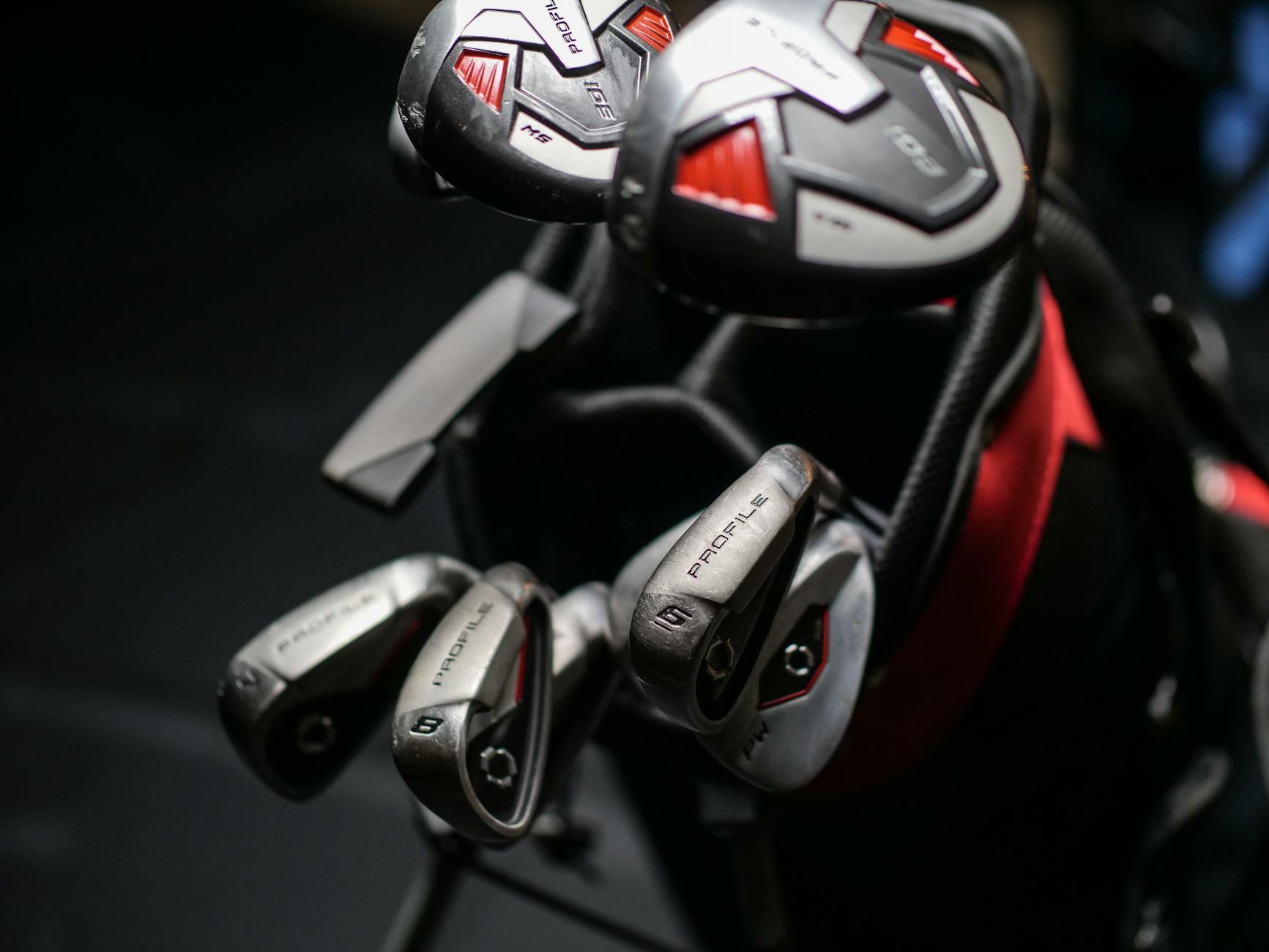
The four grinds that dominate tour bags and fitting carts alike — C, S, M, and F — each represent a distinct philosophy of how the club should behave at impact. Choosing the wrong one for your turf conditions or swing style can cost you spin, consistency, and clean contact regardless of how technically sound your ball-striking is.
Pairing the right grind to your conditions is also inseparable from ball selection. A high-compression ball like the Attomax Hard compound will respond very differently through soft, grabby turf versus firm links-style fairways — and your wedge sole needs to complement that interaction, not fight it.
What Wedge Grind Actually Means
Grind refers to the shaping of material removed from the sole of the wedge. By altering the heel, toe, trailing edge, and center of the sole, clubmakers change the effective bounce in different positions — open face, square face, and delofted. It is not simply a matter of high or low bounce.
A wedge with 12 degrees of bounce and a full-width sole will behave entirely differently from a 12-degree bounce wedge with an aggressive heel and toe relief. The grind determines how forgiving or precise the club is as face angle changes — critical for players who open the face for flop shots or hood it for bump-and-runs.
C Grind: The Versatility Standard
The C grind features a crescent-shaped sole with relief cut into both the heel and toe. This geometry reduces the effective bounce when the face is opened, making it the preferred choice for players who rely on face rotation — whether executing cut shots, flop shots, or high-spin greenside plays from tight lies.
For firm, dry turf conditions — think late-summer bentgrass, links fairways, or hardpan stretches through the Sunbelt — the C grind shines. The reduced sole contact prevents the leading edge from being pushed up by firm ground, allowing a more precise entry point.
- Best for: Firm turf, tight lies, links conditions
- Ideal swing type: Neutral to shallow angle of attack
- Face manipulation: Highly forgiving when opening the face
- Avoid if: You play primarily from soft, fluffy lies where you need more bounce support
S Grind: The All-Conditions Workhorse
The S grind — 'S' for 'standard' or 'straight' depending on the manufacturer — features a full, wider sole with moderate heel relief and a relatively uniform trailing edge. It is designed to perform consistently across a range of turf conditions without demanding a specific swing style.
This is the grind you find in most stock wedge offerings, and for good reason. It rewards a square-face approach and handles medium-density turf — overseeded bermuda, lush ryegrass, or typical parkland fairways — exceptionally well. The wider sole provides more surface area to prevent digging, adding a margin of error that more aggressive grinds do not offer.

- Best for: Mixed or moderate turf conditions, general practice
- Ideal swing type: Square face, moderate angle of attack
- Face manipulation: Moderate — works well square, limited when fully opened
- Avoid if: You exclusively play firm links-style tracks or demand maximum face rotation
M Grind: Built for the Modern Swing
The M grind incorporates both heel and toe relief with a narrowed center section, creating a profile that accommodates the steeper, more vertical angles of attack common in modern instruction and among players trained on Trackman data. It is effectively a middle ground between the C and F grinds.
Where the M grind earns its stripes is in soft, wet conditions — think spring golf in the northeast, waterlogged European parkland courses, or post-rain bermuda. The sole geometry prevents excessive digging while still providing enough camber for players who do not manipulate the face aggressively.
The best wedge in your bag is the one that disappears — you stop thinking about the ground and start thinking about the shot.
— Tour equipment philosophy
- Best for: Soft turf, steep angle of attack, wet conditions
- Ideal swing type: Steeper digger, more upright plane
- Face manipulation: Effective at square to slightly open
- Avoid if: Your attack angle is shallow and you play firm, fast courses
F Grind: Precision Over Forgiveness
The F grind — 'full' sole — is the widest, most bounce-forward option of the four. Material is left largely intact across the entire sole with minimal heel or toe relief. This is a grind designed for one specific scenario: soft, deep sand and fluffy, heavy rough where you need the sole to skid and deflect rather than dig.
It is most commonly found in 54- to 58-degree sand wedge configurations, and for good reason. In bunkers with soft, powdery sand — common at resort courses and during spring play — the F grind's maximum bounce prevents the club from burying. However, its rigidity off firm turf or tight lies makes it a liability outside of its intended environment.
- Best for: Soft sand, heavy rough, plush fairway lies
- Ideal swing type: Any — the wide sole compensates for variation
- Face manipulation: Limited — do not open significantly on tight lies
- Avoid if: Your home course has firm, shallow bunkers or tight fairway turf
Matching Grind to Course and Ball
The most sophisticated approach is to carry multiple grinds across your wedge set — a common practice on tour and increasingly accessible at the club level through custom fitting. A typical tour-inspired setup might deploy a C grind at 58 degrees for greenside creativity, an S or M grind at 54 degrees for approach versatility, and a 50-degree gap wedge with a full sole for clean full-swing contact.
Ball construction plays a direct role in this equation. A softer ball like the Attomax Soft generates more greenside spin with lower compression at impact — meaning the wedge sole does not need to work as hard to create friction. On the other hand, the Attomax Medium and Hard compounds reward players who optimize their delivery angle and grind for maximum energy transfer, especially from firm lies where a C grind's precise entry point becomes critical.
Quick Reference: Grind by Course Type
- Links / Firm & Fast: C Grind — heel-toe relief handles wind shots and firm ground
- Parkland / Soft Fairways: M Grind — steep attack forgiveness on lush turf
- Resort / Deep Sand: F Grind — maximum bounce in bunkers and heavy rough
- Mixed / Travel Golf: S Grind — reliable performance across varying conditions
Understanding grind is not an exercise in overthinking equipment. It is course management before you even step on the first tee. The golfer who knows their C grind cleans up on firm afternoon fairways but demands the M when the sprinklers have been running — that golfer is playing with an edge that shows up on the scorecard, not just the range.
Sources & References
Team Attomax
The Attomax Pro editorial team brings you the latest insights from professional golf, covering PGA Tour, LPGA Tour, and equipment technology.