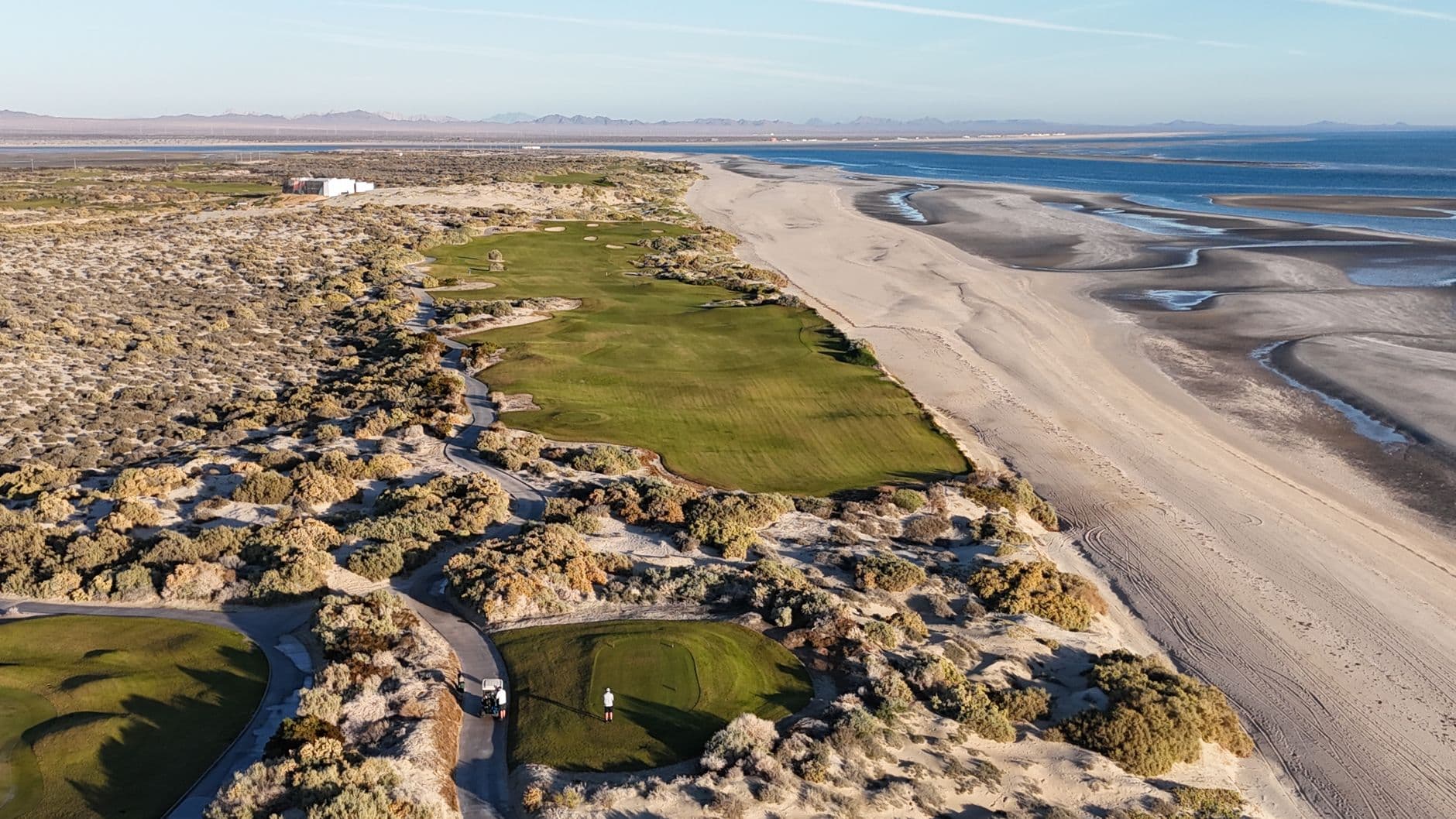
There exists a rarefied world within American golf where membership waitlists span decades, initiation fees rival luxury automobiles, and the weight of history permeates every manicured fairway. These aren't merely golf courses—they're living monuments to the game's evolution, architectural innovation, and the enduring pursuit of exclusivity that defines premium golf culture.

Understanding these institutions requires more than appreciating their championship layouts. It demands recognition of the visionaries who built them, the traditions that sustain them, and the carefully guarded membership protocols that keep their rosters among the most coveted in global golf.
Augusta National Golf Club: Where Masters Are Made
No conversation about American golf royalty begins anywhere but Augusta, Georgia. Founded in 1933 by Bobby Jones and Clifford Roberts on the grounds of a former indigo plantation and nursery, Augusta National represents the pinnacle of golf exclusivity. The club's membership hovers around 300, with invitations extended solely at the discretion of existing members.
The course itself, designed by Alister MacKenzie in collaboration with Jones, underwent significant evolution from its original routing. MacKenzie's strategic bunkering and Jones's intimate knowledge of competitive golf created a layout that rewards precise positioning over raw power—though modern equipment has certainly shifted that balance.
There is no other golf course in the world where the weights of expectation and history bear down so heavily on every shot.
— Golf Architecture Historian
Membership remains invitation-only, with no application process. Women were not admitted until 2012, when former Secretary of State Condoleezza Rice and South Carolina businesswoman Darla Moore became the first female members in the club's history.
Pine Valley Golf Club: The World's Most Demanding Layout
Nestled in the New Jersey Pine Barrens, Pine Valley has maintained its reputation as perhaps the most challenging walk in American golf since its 1918 founding. George Crump, a Philadelphia hotelier with no formal design training, invested his fortune and final years into creating what many consider the ultimate examination of golfing skill.
The course features no consecutive holes playing in the same direction, and its sandy waste areas, dense forests, and severely undulating greens have humbled professionals and amateurs alike. Unlike Augusta's television exposure, Pine Valley operates in deliberate obscurity—no professional events, minimal photography, and an atmosphere of studied privacy.
- Founded in 1918 by George Crump
- Located in Pine Valley, New Jersey
- Historically male-only until recent policy changes
- No professional tournament history
- Regarded as one of the world's most difficult courses
Pebble Beach Golf Links: Public Access, Private Prestige
Pebble Beach occupies a unique position in American golf—a genuinely public course that has hosted multiple U.S. Opens and regularly appears in conversations about the nation's finest layouts. Jack Neville and Douglas Grant's 1919 design along the Monterey Peninsula coastline created something unprecedented: world-class championship golf accessible to anyone willing to pay the substantial greens fee.

The iconic stretch from holes six through ten, tracing the Pacific cliffs, offers some of golf's most photographed vistas. Yet Pebble Beach proves that visual drama and strategic substance need not be mutually exclusive—these holes demand precise execution under conditions that shift with coastal winds and marine layer.
The resort model at Pebble Beach demonstrates an alternative path to prestige. Rather than exclusivity through membership restriction, Pebble achieves its status through championship heritage, natural beauty, and the premium experience it delivers to every visitor.
Shinnecock Hills: America's First Incorporated Golf Club
When Shinnecock Hills Golf Club was incorporated in 1891, American golf barely existed as an organized pursuit. Located on Long Island's eastern end, Shinnecock claims numerous historical firsts: the first incorporated golf club in America, the first to admit women from its founding, and the first to construct a purpose-built clubhouse.
The current course, redesigned by William Flynn in 1931, exemplifies links-style architecture adapted to American soil. Its windswept terrain, fescue-lined fairways, and firm playing surfaces create conditions rarely found outside the British Isles. Shinnecock's U.S. Open history has produced legendary moments and infamous controversies alike.
The Membership Question: What It Takes
Gaining entry to these institutions involves far more than financial qualification. Augusta National's invitation-only approach means prospective members must be personally recommended by existing members and approved through internal vetting processes that remain deliberately opaque. Pine Valley historically required sponsorship by multiple members and extensive playing history with existing membership.
- Sponsorship by existing members in good standing
- Demonstrated commitment to the game and its traditions
- Financial capability for initiation fees and annual dues
- Compatibility with club culture and existing membership
- Patience—waitlists at top clubs can extend 10-20 years
Initiation fees at premier clubs reportedly range from six figures to amounts that remain closely guarded secrets. Annual dues, golf minimums, and various assessments add ongoing financial obligations that ensure only the genuinely committed maintain membership.
The Evolution of Exclusivity
American country club culture has faced increasing pressure to modernize its membership practices. Clubs that once maintained restrictive policies based on gender, religion, or ethnicity have gradually—sometimes reluctantly—opened their gates. Augusta's 2012 admission of women members marked a watershed moment, though critics noted it came decades after such barriers had fallen elsewhere.
Yet even as demographics shift, these institutions maintain their allure precisely because access remains limited. The prestige of membership derives not merely from the quality of golf available but from the knowledge that countless others desire what few possess.
The greatest clubs understand that they are custodians of something larger than themselves—they preserve not just fairways but the traditions that make golf meaningful.
— Club Historian
Playing Your Best on Historic Grounds
For those fortunate enough to tee it up at these legendary venues—whether through membership, invitation, or public access at Pebble Beach—the experience demands equipment capable of performing under pressure. Historic layouts designed before modern distance gains often reward precision and trajectory control over raw power.
At Attomax Pro, our high-density amorphous metal golf balls deliver the wind stability and consistent putting performance that championship courses demand. When every stroke carries the weight of history, equipment that performs predictably under pressure becomes essential.
These clubs endure because they represent something beyond mere recreation. They embody golf's capacity to create spaces where excellence is pursued, traditions are honored, and the game's deepest satisfactions are available to those who earn access through passion, patience, and perseverance.
Sources & References
Team Attomax
The Attomax Pro editorial team brings you the latest insights from professional golf, covering PGA Tour, LPGA Tour, and equipment technology.