The margin between a top-ten finish and a missed cut on professional tours often comes down to thousandths of an inch and fractions of a degree. While amateur golfers debate driver loft in five-degree increments, tour professionals fine-tune their equipment with surgical precision—adjusting shaft tip stiffness, optimizing spin rates through ball selection, and customizing lie angles to match their swing DNA.

Understanding how elite players approach equipment fitting reveals why the 'best' gear is entirely individual. What works for a high-spin, steep-angle-of-attack player would be catastrophic for someone who sweeps the ball with a flat delivery. The 2026 season has brought fascinating developments in how tour staff manage these variables.
The Shaft: Where Feel Meets Physics
Professional fitters often describe the shaft as the engine of the golf club, and tour players treat selection with corresponding seriousness. Profile—how the shaft bends through the swing—matters more than raw flex designation. A 'stiff' shaft from one manufacturer might play softer than a 'regular' from another.
Tour trends have shifted toward lower-spinning shaft profiles in drivers, with many professionals opting for designs that promote a flatter ball flight for enhanced roll-out. However, this creates interesting trade-offs in wind stability—a consideration that has pushed some players toward denser ball constructions that maintain trajectory integrity in challenging conditions.
- Driver shafts typically range from 43.5 to 45.5 inches on tour, with the trend moving shorter for control
- Iron shafts are commonly tipped an extra half-inch to stiffen feel without changing flex designation
- Wedge shafts often differ from iron shafts to promote different shot shapes around the green
- Hybrid and fairway wood shaft selection varies widely based on intended shot shape
Ball Selection: The Most Underrated Variable
While equipment contracts often dictate brand loyalty, professionals within those ecosystems obsess over ball model selection. The relationship between compression, cover softness, and core density determines everything from driver spin to greenside control.
Players generating exceptional clubhead speed often gravitate toward firmer constructions that prevent over-spinning off the tee. Conversely, those who rely on finesse and wedge play may sacrifice marginal distance for enhanced spin consistency around the greens.
The ball is the only piece of equipment you use on every single shot. It has to perform in every situation, not just one.
— Anonymous Tour Equipment Representative
High-density core technology has emerged as a compelling option for players seeking wind-stable trajectories without sacrificing greenside performance. The physics are straightforward: a denser core maintains its intended flight path more effectively when buffeted by crosswinds, reducing the need for excessive compensation.
Iron Configurations: Blending Performance Across the Set
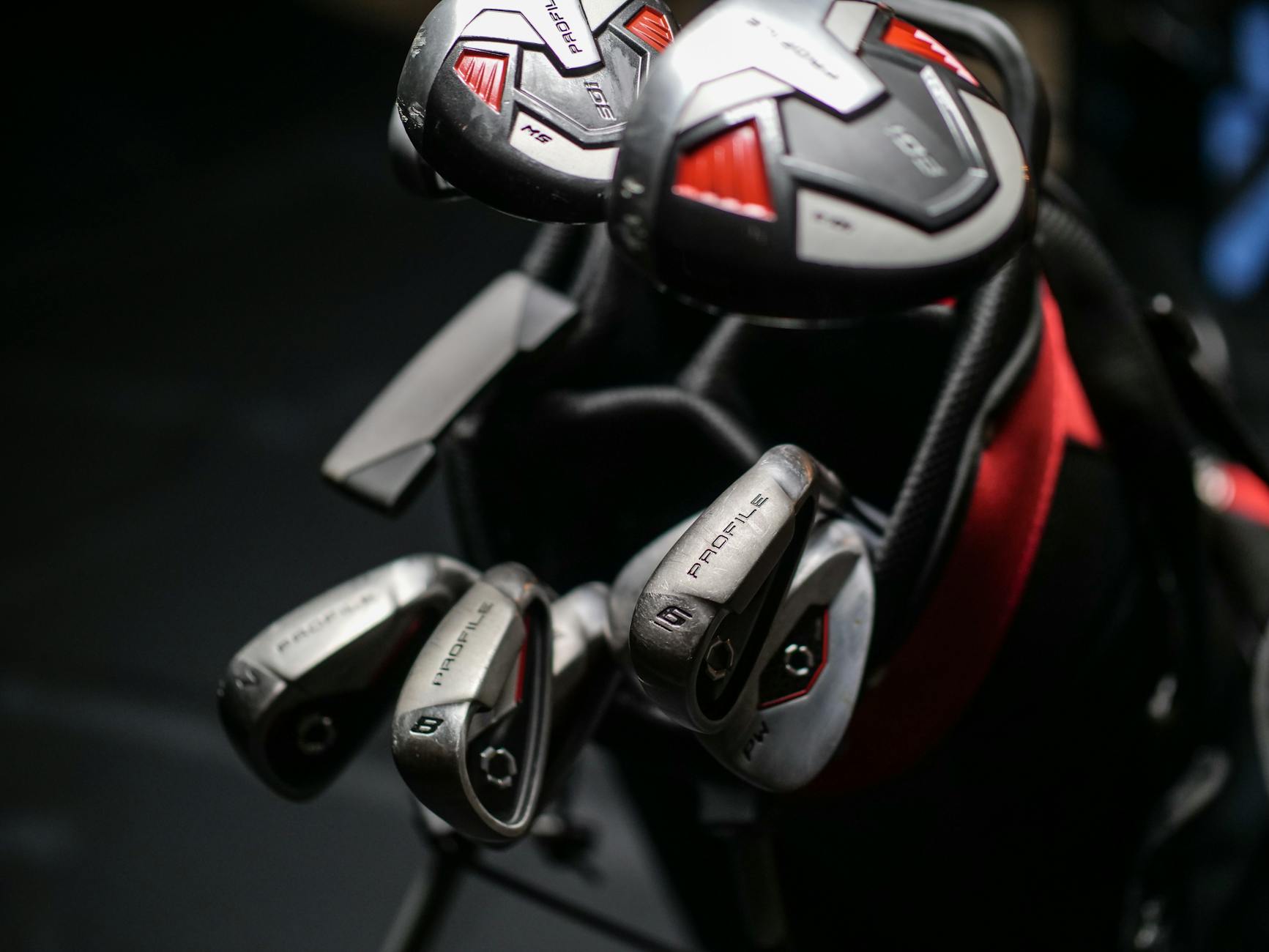
The 'combo set' approach has become standard practice among touring professionals. Rather than carrying fourteen clubs of identical design philosophy, elite players blend characteristics across their bags to optimize each yardage gap.
Long irons—or their hybrid replacements—prioritize launch and forgiveness. Mid-irons balance workability with stopping power. Short irons and wedges demand precision, spin consistency, and the ability to flight the ball on command. Building a cohesive set requires understanding how each club interacts with the player's delivery pattern.
- Assess your typical shot pattern and miss tendency with each club category
- Evaluate launch and spin numbers across the bag, looking for gaps or overlaps
- Consider yardage gapping before worrying about aesthetics
- Test multiple grind options in wedges to match your angle of attack and course conditions
Loft and Lie: The Hidden Adjustments
Tour vans spend considerable time bending lie angles and adjusting lofts to match player preferences. A two-degree flat lie angle adjustment can transform a hooking tendency into a neutral ball flight. Similarly, strengthening or weakening lofts allows players to dial in precise yardage gaps.
These adjustments compound over time. A player who develops a slightly more upright posture through a swing change may suddenly find their irons pulling left. Regular spec checks—monthly for tour professionals—ensure equipment evolves with the player.
Putter Fitting: Feel Versus Data
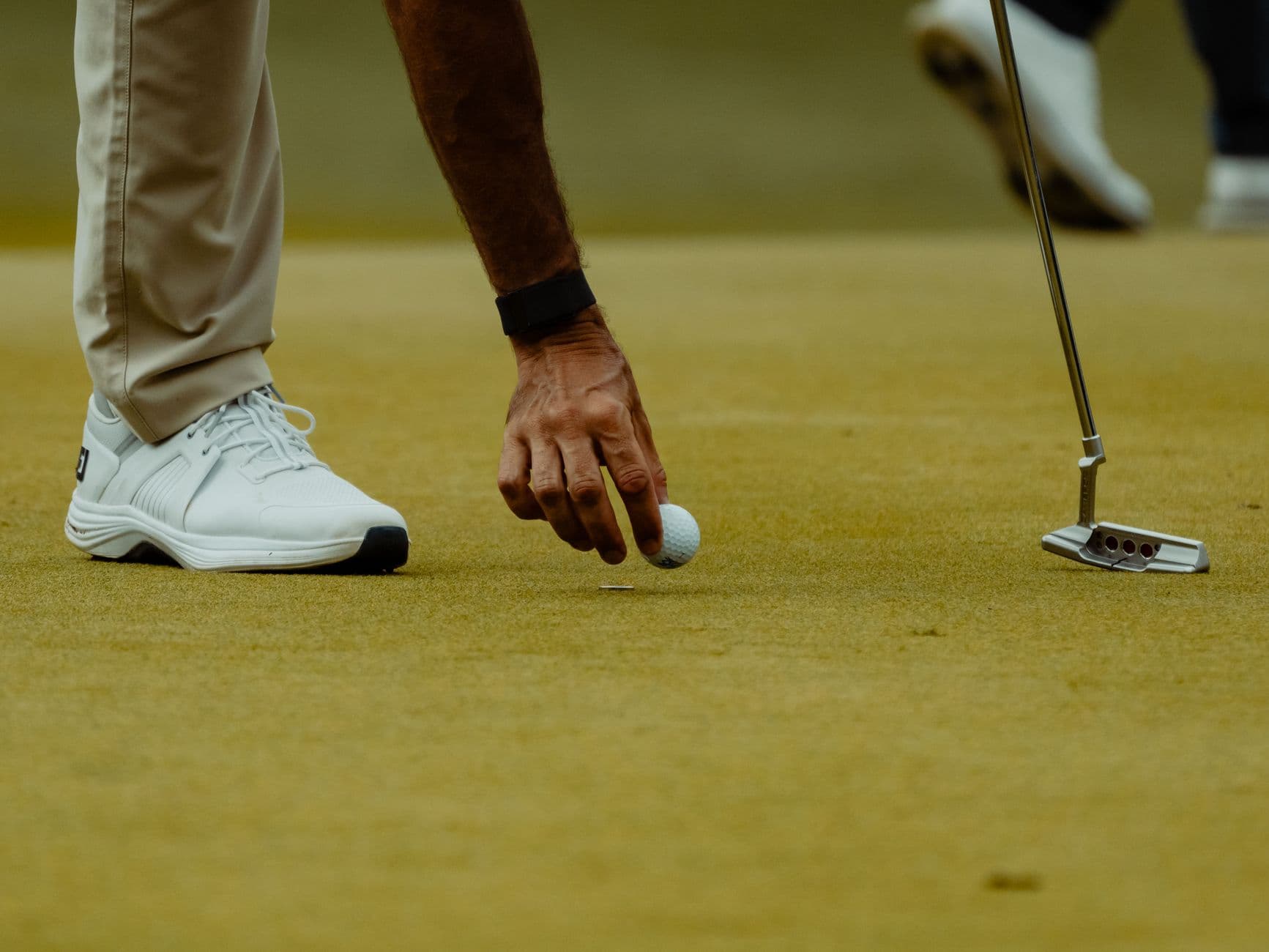
The flat stick remains the most personal club in the bag, and fitting approaches vary dramatically. Some professionals rely entirely on stroke analysis data—face angle at impact, path, and dynamic loft—while others prioritize visual and tactile feedback.
Mallet designs continue gaining market share, but blade enthusiasts remain devoted to traditional shapes. The debate often centers on moment of inertia versus feedback: higher-MOI putters resist twisting on mishits but can feel less responsive to skilled hands.
Length, lie, and grip size adjustments often prove more impactful than head design changes. A putter that sits incorrectly at address promotes compensations before the stroke even begins.
The Integration Challenge
Perhaps the greatest equipment insight from tour-level fitting is the importance of holistic thinking. Each component must work in concert with others. A low-spinning driver shaft paired with a high-spinning ball creates unpredictable launch conditions. Cavity-back irons matched with a blade-style wedge set can disrupt feel consistency.
The most effective equipment setups tell a coherent story. They reflect the player's swing characteristics, course conditions faced most frequently, and strategic preferences. Building such a setup requires patience, expert guidance, and a willingness to test beyond brand loyalty.
For players committed to optimizing their equipment, the investment extends beyond purchasing decisions. Regular evaluation, professional fitting sessions, and an openness to change separate those who play with their gear from those who play despite it.
Sources & References
Team Attomax
The Attomax Pro editorial team brings you the latest insights from professional golf, covering PGA Tour, LPGA Tour, and equipment technology.