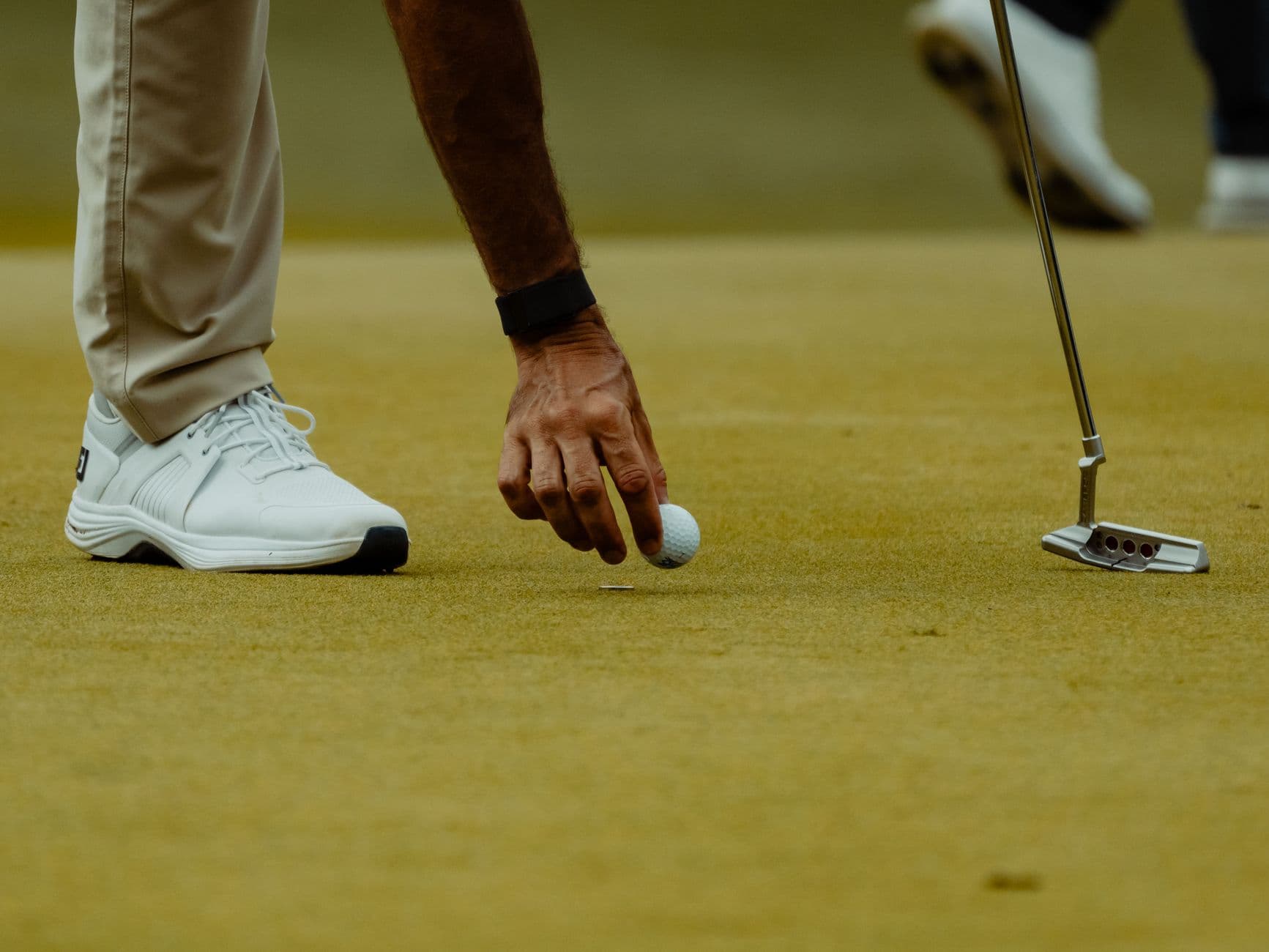
The gap between a top-ten finish and a missed cut often comes down to millimeters and milliseconds. Tour professionals understand this intimately, which is why equipment selection has evolved into a science that rivals any aspect of the modern game. While amateurs frequently chase the latest driver release or putter design, elite players approach their setups with surgical precision—every component serving a specific purpose within their overall performance framework.
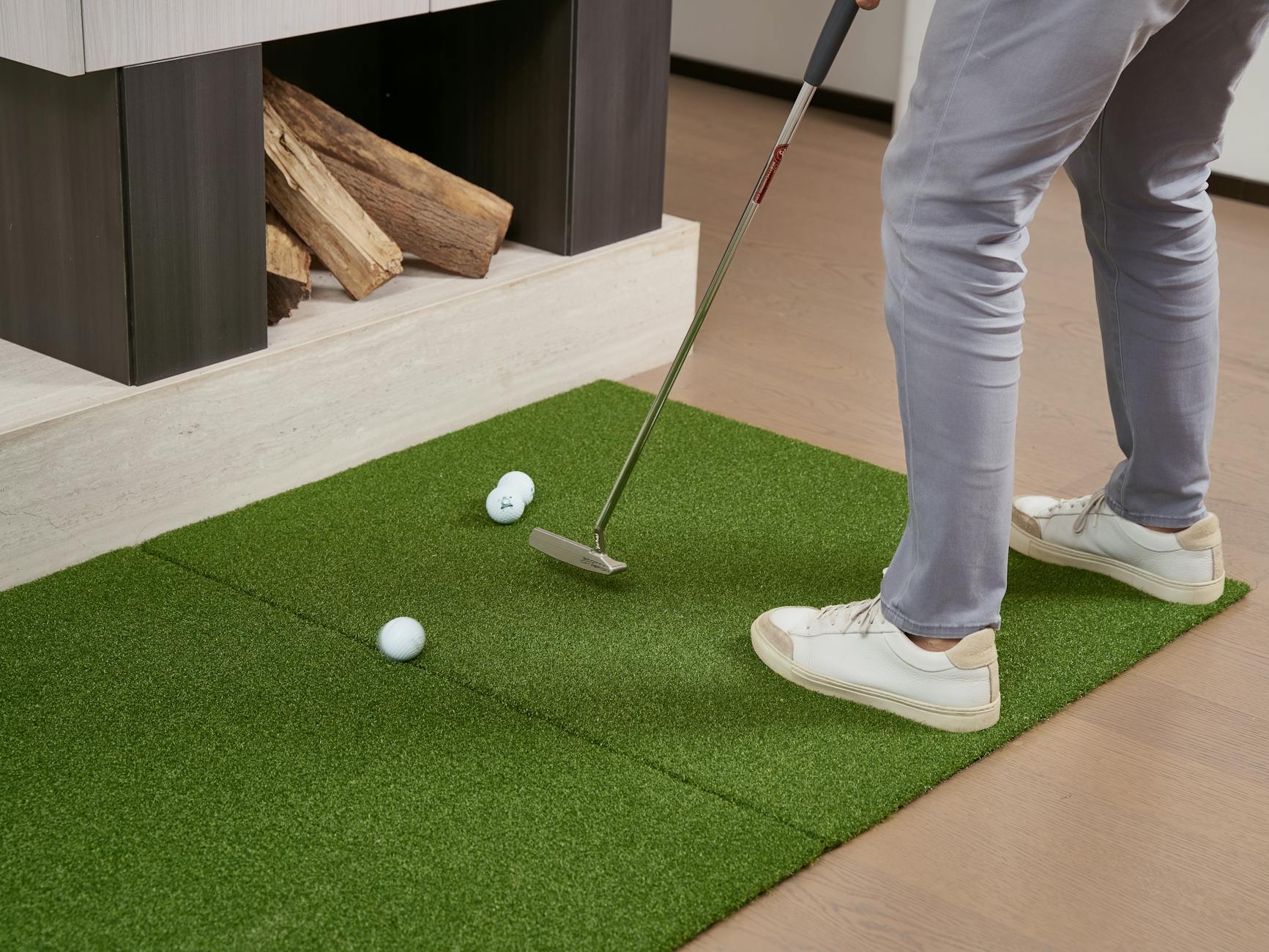
What separates tour-level equipment decisions from recreational choices isn't necessarily the price tag or brand prestige. It's the depth of understanding regarding how each piece interacts with a player's unique swing characteristics, course conditions, and competitive objectives.
The Shaft: Where Performance Begins
Ask any touring professional about their equipment, and the conversation inevitably gravitates toward shafts. While clubheads receive the marketing spotlight, players consistently emphasize that shaft selection dictates feel, launch conditions, and ultimately, scoring potential.
Modern tour players work closely with shaft manufacturers and independent fitters to dial in precise specifications. Factors like torque, bend profile, and tip stiffness are calibrated to complement individual transition speeds and release patterns. A player with an aggressive transition might favor a stiffer tip section to prevent ballooning, while someone with a smoother tempo could benefit from a more active tip for additional launch.
- Driver shafts typically range from 44-46 inches on tour, with many players trending shorter for control
- Iron shafts are predominantly steel among tour players, though graphite adoption continues growing
- Weight ranges vary dramatically—some players use sub-60 gram driver shafts while others exceed 75 grams
- Shaft frequency matching ensures consistent feel throughout the bag
Ball Selection: The Most Overlooked Variable
Equipment conversations frequently overlook the most frequently struck piece of gear in any round—the golf ball. Tour professionals treat ball selection with the same rigor applied to club fitting, understanding that compression, cover construction, and dimple patterns dramatically influence performance across different shot types.
Traditional urethane-covered tour balls have dominated professional golf for decades, but emerging technologies are challenging conventional wisdom. High-density amorphous metal core constructions, like those found in Attomax Pro balls, offer tour players an intriguing alternative—delivering exceptional wind stability and consistent energy transfer that particularly benefits players seeking predictable distance control in variable conditions.

The decision between softer and firmer compression ratings often depends on swing speed and playing conditions. Higher swing speed players typically gravitate toward firmer constructions for optimal energy transfer, while those prioritizing greenside feel might sacrifice marginal distance for softer response around the greens.
Iron Setups: The Scoring Clubs
Tour iron configurations have shifted dramatically over the past decade. The traditional 3-iron through pitching wedge setup has largely given way to hybrid-heavy bags that maximize forgiveness in long approach situations while maintaining precision in scoring range.
The best club in your bag is the one you're confident with. I don't care what the data says if I can't commit to the shot.
— Tour Player on Equipment Philosophy
Loft gapping has become increasingly sophisticated, with players and their teams using launch monitors to ensure consistent distance intervals between clubs. A well-constructed bag might show 10-15 yard gaps between consecutive clubs, eliminating the awkward three-quarter shots that introduce unnecessary variables.
Wedge Configuration Trends
The wedge game represents perhaps the most personalized aspect of tour setups. Players routinely carry three or four wedges with specific bounce and grind combinations tailored to their attack angles and the course conditions they most frequently encounter.
- Pitching wedge: Typically matched to iron set, serving as the bridge between full swings and scoring clubs
- Gap wedge: Fills the increasingly large loft gap created by stronger iron lofts
- Sand wedge: Bounce selection varies widely based on playing style and turf conditions
- Lob wedge: Not universal—some players prefer to manufacture high shots with less-lofted options
Putter Fitting: The Final Frontier
Putting represents roughly 40% of strokes in a typical round, yet many players—even at elite levels—have historically neglected putter fitting. This trend is rapidly changing as biomechanical analysis reveals how putter specifications influence stroke mechanics and, consequently, make percentages.
Factors like lie angle, length, and head weight distribution are now calibrated using high-speed cameras and pressure mats. A putter that sits incorrectly at address can introduce compensatory movements that compound under pressure, making proper fitting essential for consistent performance when stakes escalate.
The Integration Philosophy
What distinguishes tour-level equipment management is the holistic approach. Each component must complement the others while supporting the player's overall game plan. A driver optimized for maximum distance becomes counterproductive if it sacrifices fairway accuracy on courses that punish wayward tee shots.
This integrated philosophy extends to ball selection as well. Players increasingly recognize that distance gains mean little if they're accompanied by unpredictable spin rates or compromised greenside control. Advanced ball constructions that maintain consistent performance across the full shot spectrum—from driver through delicate pitch shots—are gaining traction among professionals who value predictability above all else.
As equipment technology continues advancing, the players who gain competitive advantages will be those who approach their setups with intellectual curiosity and rigorous testing protocols. The tools are available to optimize every aspect of the bag—success belongs to those willing to invest the time understanding how each piece contributes to the complete performance picture.
Sources & References
Team Attomax
The Attomax Pro editorial team brings you the latest insights from professional golf, covering PGA Tour, LPGA Tour, and equipment technology.