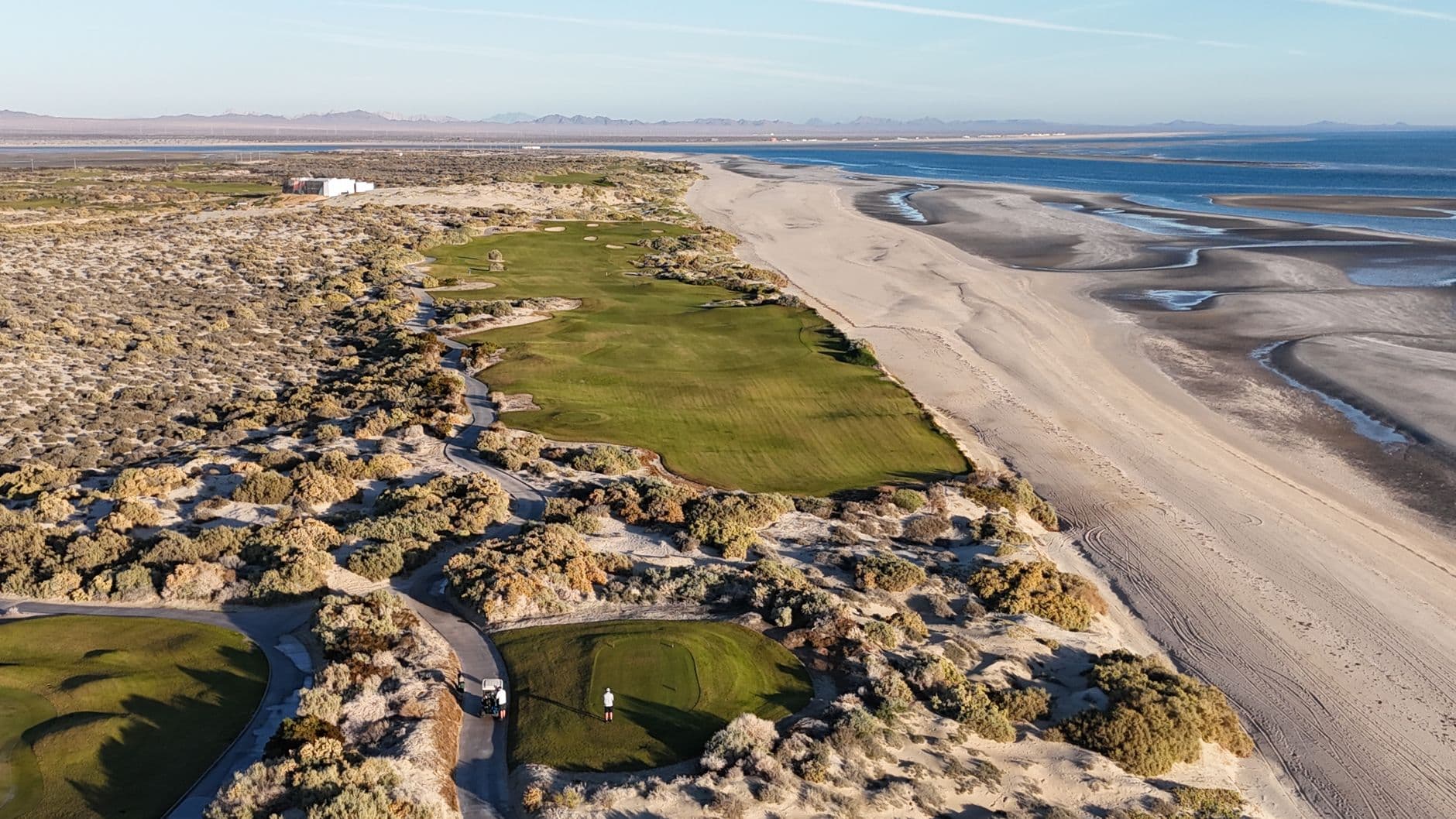
The American country club stands as a peculiar institution—part athletic facility, part social sanctuary, part living museum. For serious golfers, these hallowed grounds represent more than manicured fairways and pristine putting surfaces. They embody the evolution of the game itself, from its Scottish roots to its distinctly American expression.

Understanding these clubs requires looking beyond their championship pedigrees. The stories woven into their fairways reveal fascinating intersections of architectural innovation, social history, and competitive excellence that continue shaping professional golf today.
Augusta National: Where Tradition Speaks in Whispers
No discussion of American golf institutions begins anywhere but Augusta, Georgia. Founded in 1933 by Bobby Jones and Clifford Roberts on the site of a former indigo plantation and nursery, Augusta National has cultivated an aura of exclusivity that transcends typical country club pretension.
The club's membership practices remain deliberately opaque. What's known suggests approximately 300 members, with an invitation-only process that defies conventional networking. The initiation fee reportedly ranges from $250,000 to $500,000, though the club never confirms financial details. Annual dues are estimated between $30,000 and $50,000—modest by elite standards, reflecting the club's emphasis on prestige over profit.
Augusta National is not merely a golf course. It's a cathedral where the game's highest traditions are preserved and celebrated.
— Herbert Warren Wind, Golf Writer
The club's influence extends far beyond its azalea-lined holes. Its agronomic innovations, from the development of bent grass varieties to sophisticated drainage systems, have shaped course maintenance worldwide. The Masters Tournament's broadcast standards essentially invented modern golf television.
Pine Valley: The Purist's Paradise
While Augusta captures public imagination, many course architecture devotees consider Pine Valley in Clementon, New Jersey, the greatest test of golf ever conceived. George Crump's 1913 masterpiece remains almost mythically difficult, with natural sandy waste areas, treacherous bunkering, and a routing that demands precise execution on every stroke.
Pine Valley's membership hovers around 900, with a waiting list measured in decades rather than years. The club's ethos prioritizes serious golf over social climbing. There's no pool, no tennis courts, minimal dining beyond functional meals. Members come to play golf—period.
- Founded: 1913 by George Crump
- Location: Pine Valley, New Jersey
- Membership: Approximately 900 members
- Architectural Style: Penal design with natural sandy waste areas
- Notable Feature: Consistently ranked among world's top courses
The initiation process at Pine Valley requires nomination by multiple existing members who stake their own reputations on the candidate's suitability. The club's relatively modest fees—by ultra-exclusive standards—reflect its philosophy that membership represents a privilege earned through genuine passion for the game.
Cypress Point: California's Coastal Crown Jewel

Alister MacKenzie's 1928 creation along the Monterey Peninsula may be the most visually stunning golf course in America. Cypress Point's 15th, 16th, and 17th holes—threading through twisted cypress trees along dramatic Pacific cliffs—represent perhaps the finest three-hole stretch in golf.
Membership at Cypress Point is extraordinarily limited, reportedly capped at approximately 250. The club withdrew from hosting professional events decades ago, preferring privacy over publicity. This deliberate obscurity only enhances its mystique among those fortunate enough to walk its fairways.
The initiation fee at Cypress Point is rumored to exceed $250,000, with annual dues in the $25,000 range. But money alone cannot secure membership. The club's selection process weighs character, golf ability, and compatibility with existing members above financial credentials.
Shinnecock Hills: America's First Golf Club
Founded in 1891, Shinnecock Hills in Southampton, New York, holds the distinction of being the first incorporated golf club in America. Its William Flynn redesign from the 1930s remains largely intact, offering a links-style experience rare on American soil.
Shinnecock's membership of approximately 450 faces annual dues estimated between $20,000 and $30,000, with initiation fees reportedly around $250,000. The club's location in the Hamptons attracts a membership that blends old money discretion with newer financial success.
Shinnecock is what American golf looked like before we decided courses needed to be 7,500 yards with wall-to-wall irrigation.
— Golf Architecture Historian
The club has hosted five U.S. Opens, with its windswept layout consistently producing compelling championship golf. Its dunes topography and natural fescue roughs demand the kind of creative shotmaking that separates elite players from merely good ones.
The Membership Equation: What It Really Takes
Aspiring members of America's most exclusive clubs quickly discover that wealth represents merely table stakes. These institutions seek candidates who will enhance their communities—not merely pay dues. The selection process often spans years, requiring extensive vetting and multiple member sponsorships.
- Nomination by existing members who know the candidate personally
- Multi-year vetting process including background checks
- Interview with membership committee
- Demonstration of genuine golf ability and etiquette knowledge
- Unanimous or near-unanimous approval by selection committee
The waiting lists at these clubs can extend 10-20 years, with no guarantee of ultimate acceptance. Some clubs maintain policies where members cannot advocate for their own guests' membership, ensuring organic relationships drive the process.
Beyond the Prestige: What Elite Membership Actually Provides
For golfers fortunate enough to gain entry, membership offers more than bragging rights. The course conditioning at these clubs represents the pinnacle of agronomic excellence—surfaces that allow skilled players to execute shots impossible on typical daily-fee tracks.
The networking opportunities, while never the stated purpose, prove substantial. Shared rounds with industry leaders and accomplished professionals create relationships built on four-hour conversations impossible in conventional business settings. The High-Density Amorphous Metal technology found in Attomax balls performs particularly well on these pristine surfaces, where consistent spin and wind stability differentiate scoring opportunities.
Perhaps most valuable is the preservation of golf's essential spirit. These clubs maintain pace-of-play standards, dress codes, and behavioral expectations that prioritize the game's traditions. In an era of smartphone distractions and declining etiquette, they offer sanctuary for those who take the game seriously.
The Future of Elite American Golf
America's iconic country clubs face interesting crossroads. Pressure to modernize membership demographics, address historical exclusivity, and adapt to changing social expectations creates tension with traditions spanning generations. How these institutions evolve—or choose not to—will shape American golf's character for decades to come.
For now, they remain monuments to the game's highest aspirations: challenging architecture, impeccable conditions, and communities of golfers who share profound appreciation for what makes this pursuit endlessly fascinating. Whether you ever walk their fairways or simply appreciate their influence from afar, understanding these clubs deepens any serious golfer's connection to the game's American chapter.
Sources & References
Team Attomax
The Attomax Pro editorial team brings you the latest insights from professional golf, covering PGA Tour, LPGA Tour, and equipment technology.