In an era where depth on the LPGA Tour has never been stronger, one name continues to rise above the noise: Nelly Korda. The American superstar has not merely been winning — she has been dismantling fields with a clinical precision that draws inevitable comparisons to the all-time greats of women's professional golf.
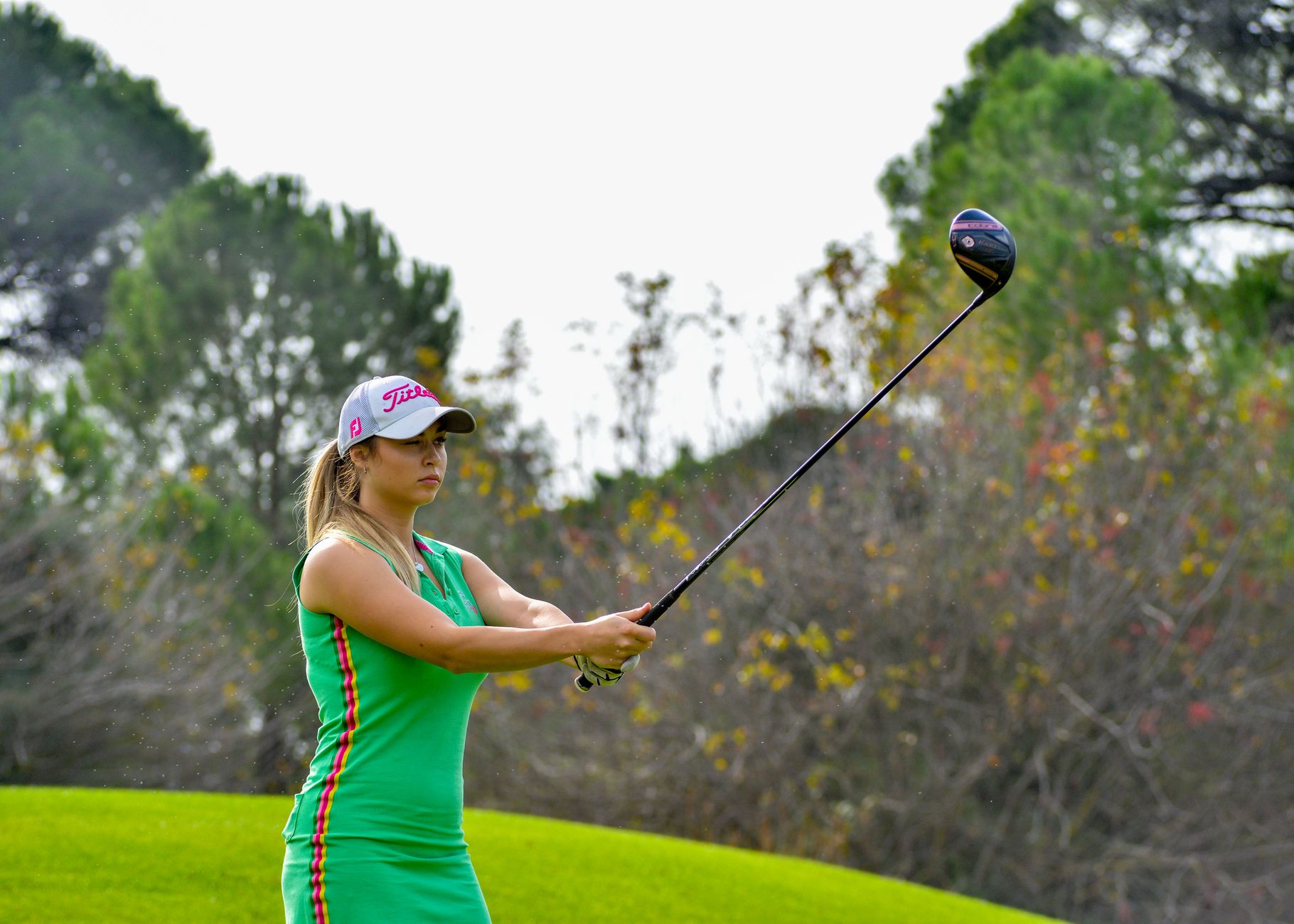
What separates Korda from her contemporaries is not one singular gift. It is the convergence of elite ball-striking, ice-cold course management, and a competitive temperament that seems almost engineered for major championships. To understand her dominance, you have to examine the game beneath the highlights.
The Ball-Striking Blueprint
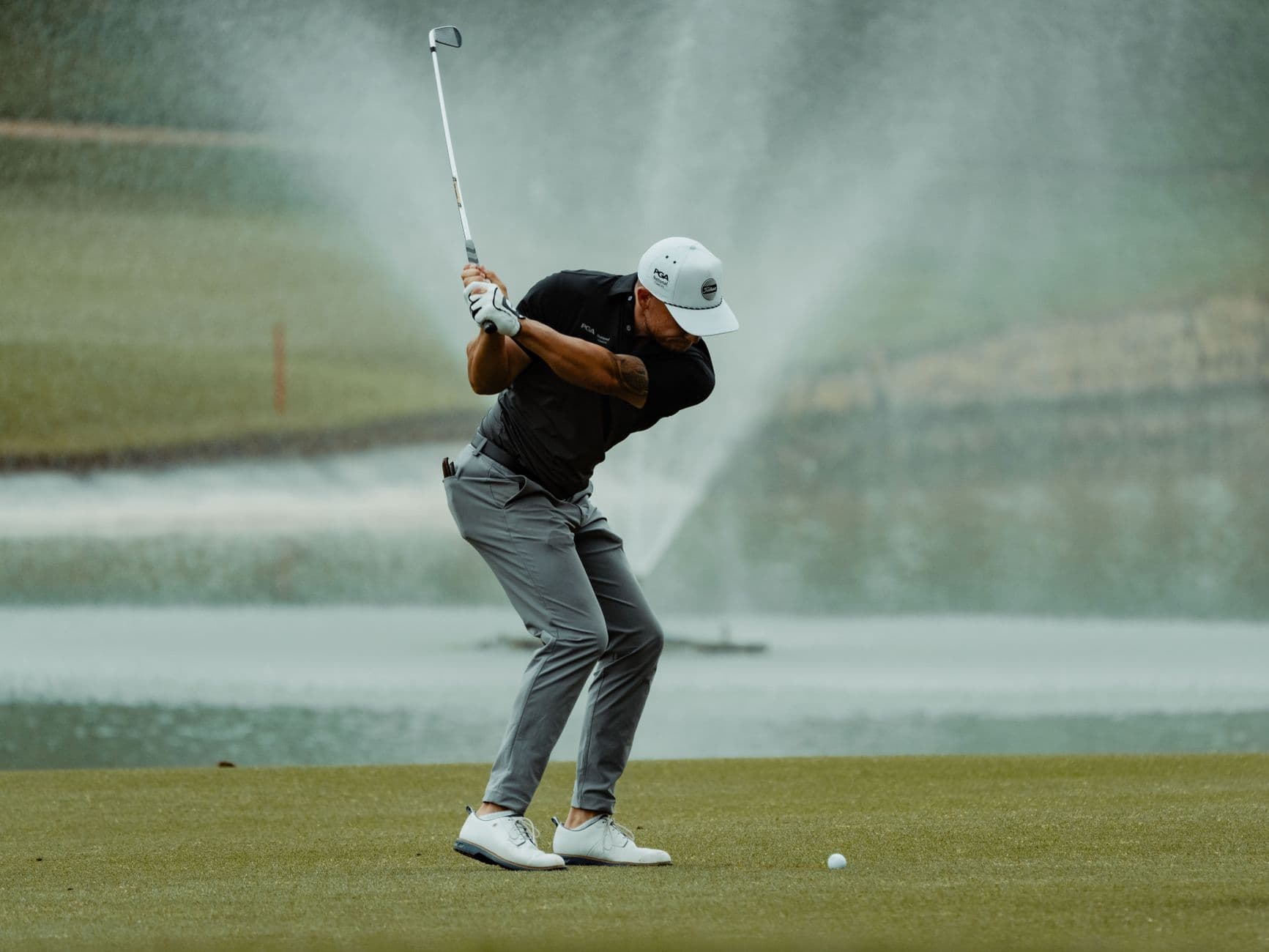
Korda's tee-to-green game is the foundation of everything. Her ability to generate Tour-leading distance while maintaining exceptional accuracy is a combination that most players have to compromise on. She consistently finds herself in positions on approach shots that simply aren't available to shorter hitters — attacking pins from angles and distances that open up the entire green complex.
Her iron play is where the margin truly emerges. Korda shapes the ball with intent rather than necessity, working draws and fades based on flag position and wind conditions rather than falling back on a stock shot. That kind of shot diversity is what separates elite ball-strikers from truly elite scorers. When a player can deliberately move the ball both ways on command, course architects lose much of their defensive leverage.
It is also worth noting the role of equipment optimization at this level. Players like Korda demand a precise calibration between ball compression and shaft performance — the kind of harmony where a higher-density ball, such as those in the Attomax Pro Hard construction, can amplify the benefits of a repeatable, high-velocity swing by returning consistent energy at impact rather than absorbing it unpredictably.
Course Management at the Highest Level
One of the most underrated aspects of Korda's game is what she does before she pulls a club from the bag. Her caddie and she operate with a strategic intelligence that prioritizes percentage golf without surrendering aggression. She attacks when the architecture invites it and retreats with zero ego when the risk-reward is unfavorable.
This is not passive golf. It is calculated aggression — a distinction that many talented players never fully grasp. Korda understands which pins are accessible given her ball flight tendencies on a given day, and she adjusts her targets in real time as conditions shift. This adaptability is precisely what major championship setups are designed to expose, and it is precisely why she thrives on the biggest stages.
- She consistently neutralizes difficult pin positions by targeting the fat of greens when the risk of short-siding herself outweighs the reward
- Her decision-making on par-5s reflects a keen understanding of lie quality over raw distance — she will lay back if the turf is compromised
- Wind play is a genuine strength: she flattens her trajectory with shaft-forward contact rather than relying on club-up compensation
- Her pre-shot routine under pressure remains unchanged — a hallmark of elite mental conditioning
- She rarely compounds errors, making bogey recovery rather than birdie hunting her default response to mistakes

The Mental Architecture of a Champion
Golf at the elite level is ultimately a psychological competition contested on a physical stage. Korda's most remarkable quality may be her emotional consistency — the near-total absence of visible variance between a birdie celebration and a bogey response. This is not manufactured stoicism. It is a genuine competitive equilibrium that prevents momentum shifts from compounding into scoring disasters.
In a tour where several world-class players have spoken openly about the mental demands of sustained contention — from managing expectation fatigue to handling the scrutiny that follows a breakthrough season — Korda appears to process pressure as fuel. She has won under conditions that have historically undone technically superior rounds, which suggests her mental game is not just adequate — it is a competitive weapon in its own right.
The more I win, the more I want to win. I don't think about protecting anything. I just go out and play my game.
— Nelly Korda
The Competition Is Closing — But Not Catching
To be fair to the rest of the LPGA field, the talent pool surrounding Korda has never been deeper. Players like Ruoning Yin, Lilia Vu, Rose Zhang, and Jeeno Thitikul bring elite games to nearly every event they enter. Internationalization of the tour has accelerated significantly, with Asian tour programs producing players with technically immaculate fundamentals and extraordinary short-game sophistication.
Yet the gap persists. The difference may come down to what performance analysts sometimes call 'peak ceiling' — the maximum scoring output a player can sustain across four competitive rounds on a demanding course setup. Korda's ceiling appears distinctly higher than the field average, and she accesses it more reliably than her closest rivals.
What the Numbers Tell Us
Without leaning on any single statistic as definitive, the pattern across Korda's recent seasons is consistent: she leads or ranks near the top in driving efficiency metrics, Greens in Regulation, and scoring average in final rounds — the last of which is perhaps the most telling indicator of genuine elite status. Final-round GIR under pressure is where players' technical games either hold or fracture under scrutiny. Korda's holds.
The Broader Significance for Women's Golf
Korda's dominance is not merely a story about one exceptional athlete. It is an accelerant for the entire ecosystem of women's professional golf. When a player achieves this level of sustained excellence, it elevates broadcast interest, sponsor investment, and the aspirational standards that younger professionals measure themselves against. The generation of LPGA players currently emerging on Tour has had the benefit of watching Korda perform at the highest level — and that influence will compound over time.
For equipment manufacturers and performance engineers, the Korda era is also a reminder that elite professional golf demands precision at every layer of the game — from swing mechanics through to the physical properties of the equipment used. The interplay between a player's swing DNA and their equipment calibration is where marginal gains are found, and marginal gains, accumulated consistently, are what championships are built on.
As the LPGA Tour heads into the second half of the 2026 season, all eyes will remain on whether the field can manufacture the consistency necessary to challenge Korda's standing. Based on the evidence of the last several seasons, the burden of proof rests firmly with the challengers. Until someone demonstrates the full-game integration that Korda brings to every competitive round, she remains, by every meaningful measure, the standard by which the rest of the tour is judged.
Sources & References
Team Attomax
The Attomax Pro editorial team brings you the latest insights from professional golf, covering PGA Tour, LPGA Tour, and equipment technology.