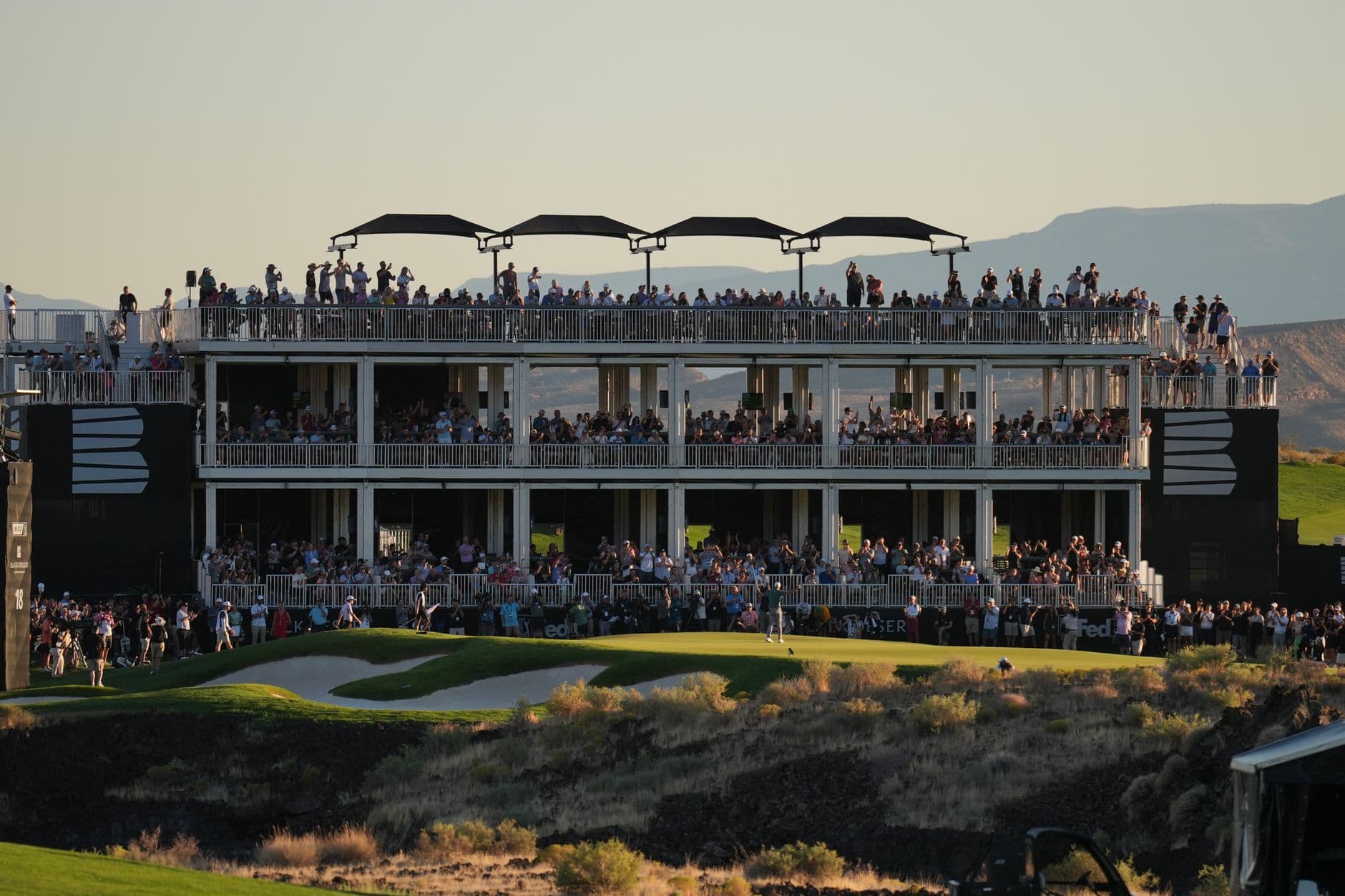
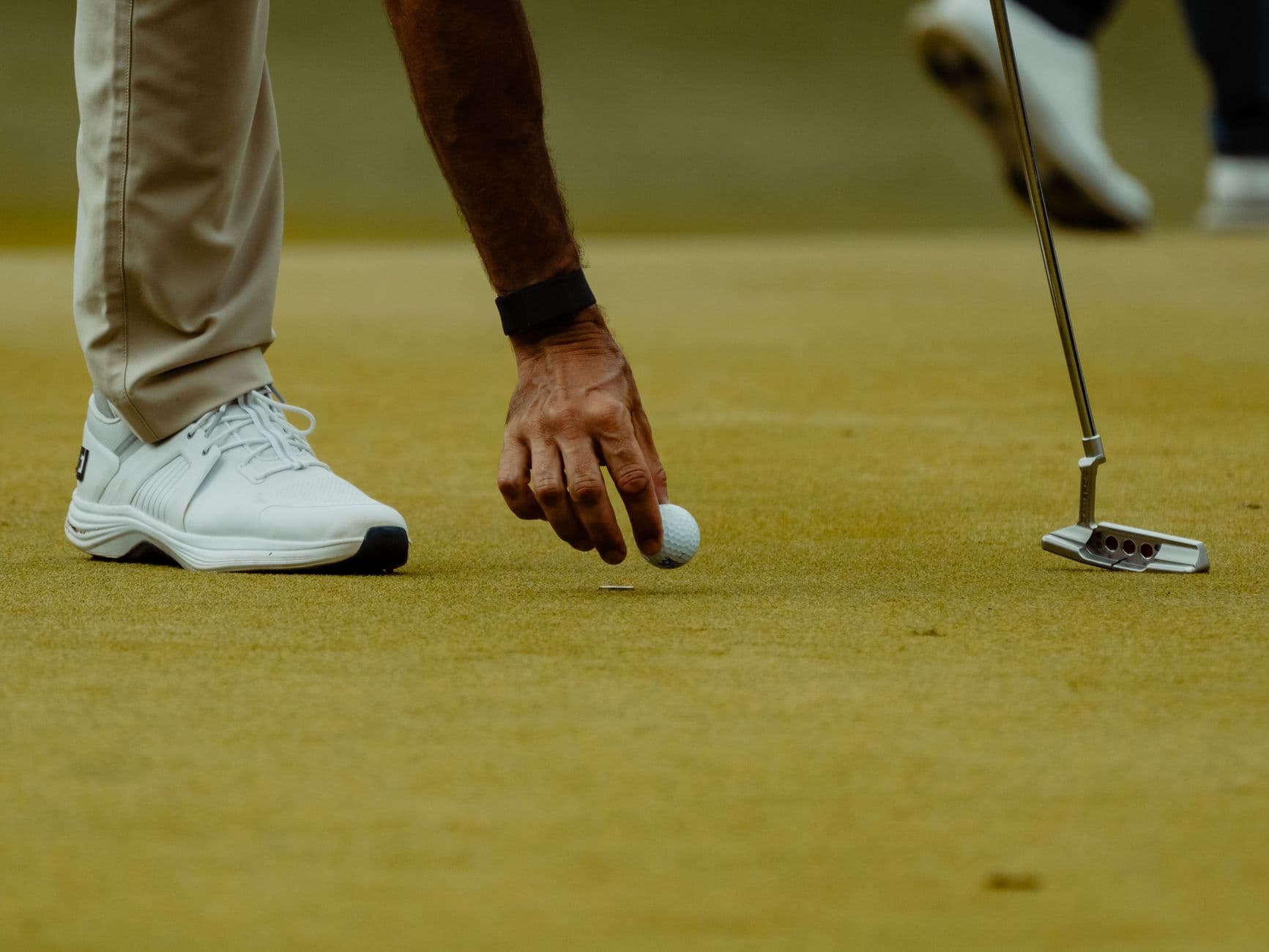
LIV Golf's 2026 season has continued to redefine the alternative tour landscape, blending shotgun-start spectacle with genuine competitive tension across its team and individual formats. As the circuit rolls through its global schedule, storylines are emerging that demand the attention of any serious golf observer.
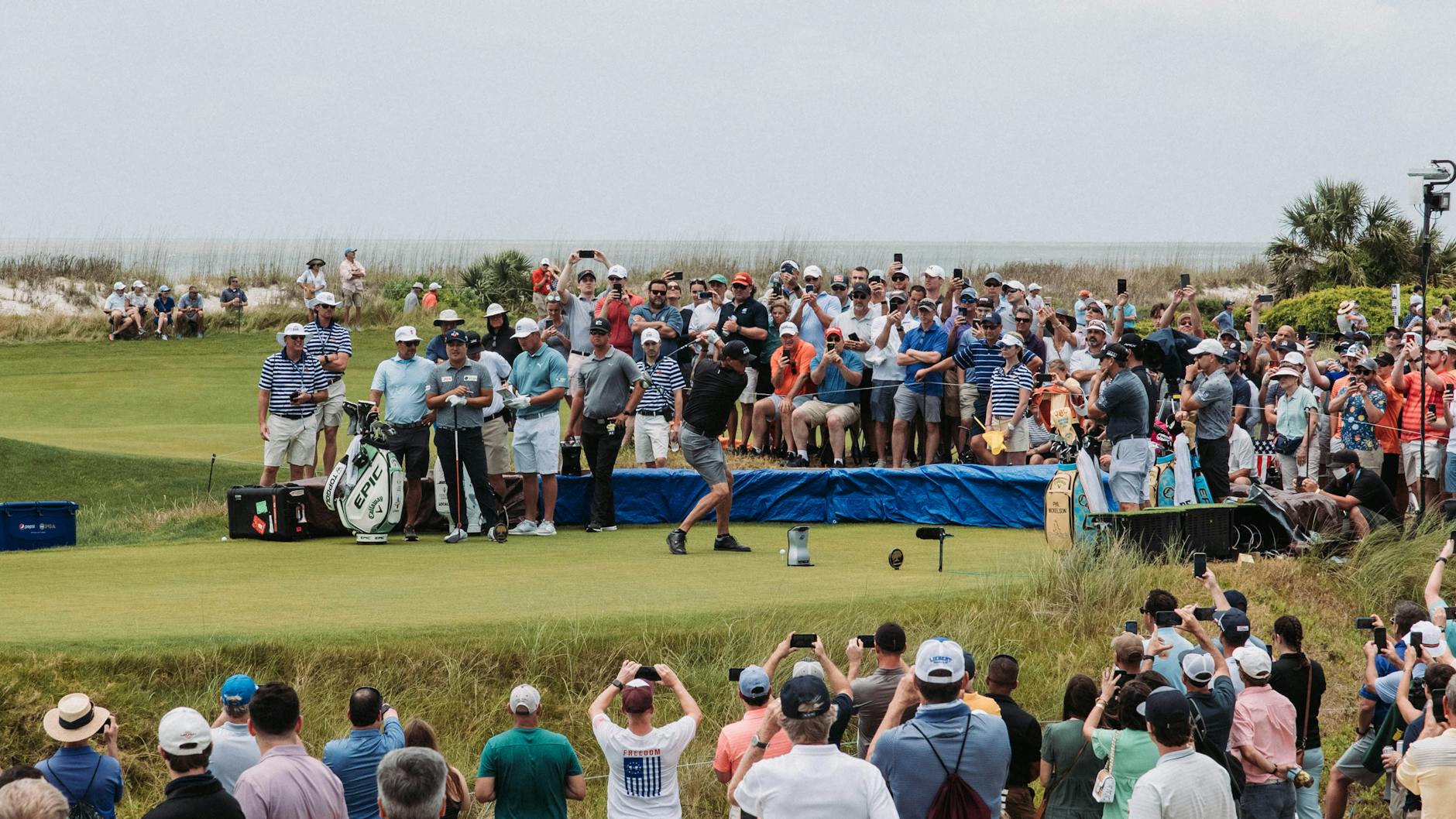
The league's unique structure — simultaneous team and individual competitions running in parallel — continues to create strategic wrinkles that traditional stroke-play formats simply don't replicate. Course management decisions carry double weight when a player must balance personal leaderboard positioning against what benefits their four-man squad.
That dual-objective framework rewards a particular type of golfer: one who can compartmentalize, adapt shot selection mid-round, and maintain composure under a format that punishes inconsistency far more harshly than a standard 72-hole event.
The Team Format: A Chess Match Within a Golf Match
One of the most underappreciated strategic dimensions of LIV Golf is how captains and teammates coordinate approach play and risk management. When one player in a squad is already posting a strong individual number, teammates can afford slightly more aggressive lines into tight pins — knowing the team aggregate is already in solid shape.
Conversely, if a captain's squad is struggling collectively, individual players may shift from conservative course management to a higher-variance game — attacking sucker pins, taking on risk off the tee — in an attempt to claw back ground on the team leaderboard. This dynamic creates an in-round chess match that unfolds in real time.
Equipment Choices Under Pressure: Compression Matters
The variety of venues on LIV Golf's globe-trotting schedule presents genuine equipment challenges that separate elite preparation from reactive adjustments. Players competing across drastically different altitudes, humidity levels, and surface firmness need equipment that performs predictably — not just at sea level on a temperate morning, but in all conditions.
Ball compression selection becomes particularly critical in this context. At higher-altitude venues where the ball flies farther and spin rates fluctuate, choosing the right compression profile can mean the difference between a shot that holds the green and one that bounds through the back. This is precisely where Attomax's High-Density amorphous metal ball technology — available in Soft, Medium, and Hard compression — offers a technical advantage: each profile is engineered for consistent energy transfer and predictable trajectory, regardless of how atmospheric conditions shift between practice rounds and tournament play.
Individual Contenders: The Names Driving the Narrative
Without verified mid-season standings available at time of publication, what can be assessed with confidence is the profile of player who tends to thrive in LIV's format. The circuit disproportionately rewards ball-strikers with elite smash factor, players who can generate consistent driving distance without sacrificing fairway percentage — a statistical combination that sets up the kind of birdie-rich rounds the shotgun format incentivizes.
Greens in Regulation percentage has historically been the single strongest predictor of LIV individual leaderboard success across a season. The compressed field sizes and the absence of cuts mean there is no conservative path to a strong finish — you either post enough birdies to contend or you finish mid-pack. The margin for error is slim.
- Driving accuracy and distance rank as the top two ball-striking metrics for LIV contenders
- Scrambling percentage gains outsized importance given LIV's firm, fast course setups
- Putting from 10-20 feet is a key differentiator at the top of individual leaderboards
- Players with strong wind management skills benefit on LIV's international coastal venues
- Team chemistry and squad communication around risk tolerance visibly impacts collective results
Team Standings: Power Shifts and Dark Horses
LIV's team standings narrative in 2026 has, by all credible accounts, continued the pattern of well-resourced squads with established captains competing against newly cohesive units that leverage chemistry over star power. The league has been deliberate about building team identity — branding, uniforms, fan bases — and that investment is beginning to generate genuine tribal loyalty among the growing LIV audience.
The format rewards squads that play to individual strengths rather than defaulting to a single alpha striker. Teams where the captain has successfully identified role clarity — who is the steady anchor, who is the high-upside risk-taker, who closes — tend to outperform those relying on one elite performer to carry the aggregate score.
The team element is what makes this league different. You're not just grinding for yourself — every shot carries weight for the guys alongside you. That changes how you think on the golf course.
— LIV Golf competitor, on the team format's mental demands
The Broader Landscape: LIV's Place in Professional Golf
LIV Golf enters mid-2026 operating in a professional golf ecosystem that remains in structural flux. The league has consolidated its broadcast presence and expanded its global venue footprint, but questions about world ranking points integration and the pathway for LIV players to major championships continue to be debated at the sport's governing bodies.
What is undeniable is that the quality of play on the LIV circuit — featuring some of the most decorated names in the modern game — demands serious analytical attention. Dismissing the league as a peripheral operation has become increasingly difficult to justify as its production quality, venue prestige, and competitive depth have grown.
Shaft Performance in High-Pressure Competitive Formats
One technical conversation gaining traction among LIV-level competitors involves driver shaft profiling for high-pressure, low-warm-up shotgun formats. When a player walks to the first tee in a shotgun start without the extended range session of a traditional tee time, shaft flex response and kick-point consistency take on heightened importance. A shaft that demands a fully grooved tempo to perform optimally becomes a liability — the kind of equipment vulnerability that Attomax's shaft engineering philosophy specifically addresses.
As the 2026 LIV season progresses toward its latter events and team standings tighten, the conversations happening in the equipment bays of elite players will be just as consequential as the ones happening on the practice green. Preparation at every level — technical, mental, and physical — defines who lifts the trophy when the aggregate scores are tallied.
Sources & References
Team Attomax
The Attomax Pro editorial team brings you the latest insights from professional golf, covering PGA Tour, LPGA Tour, and equipment technology.