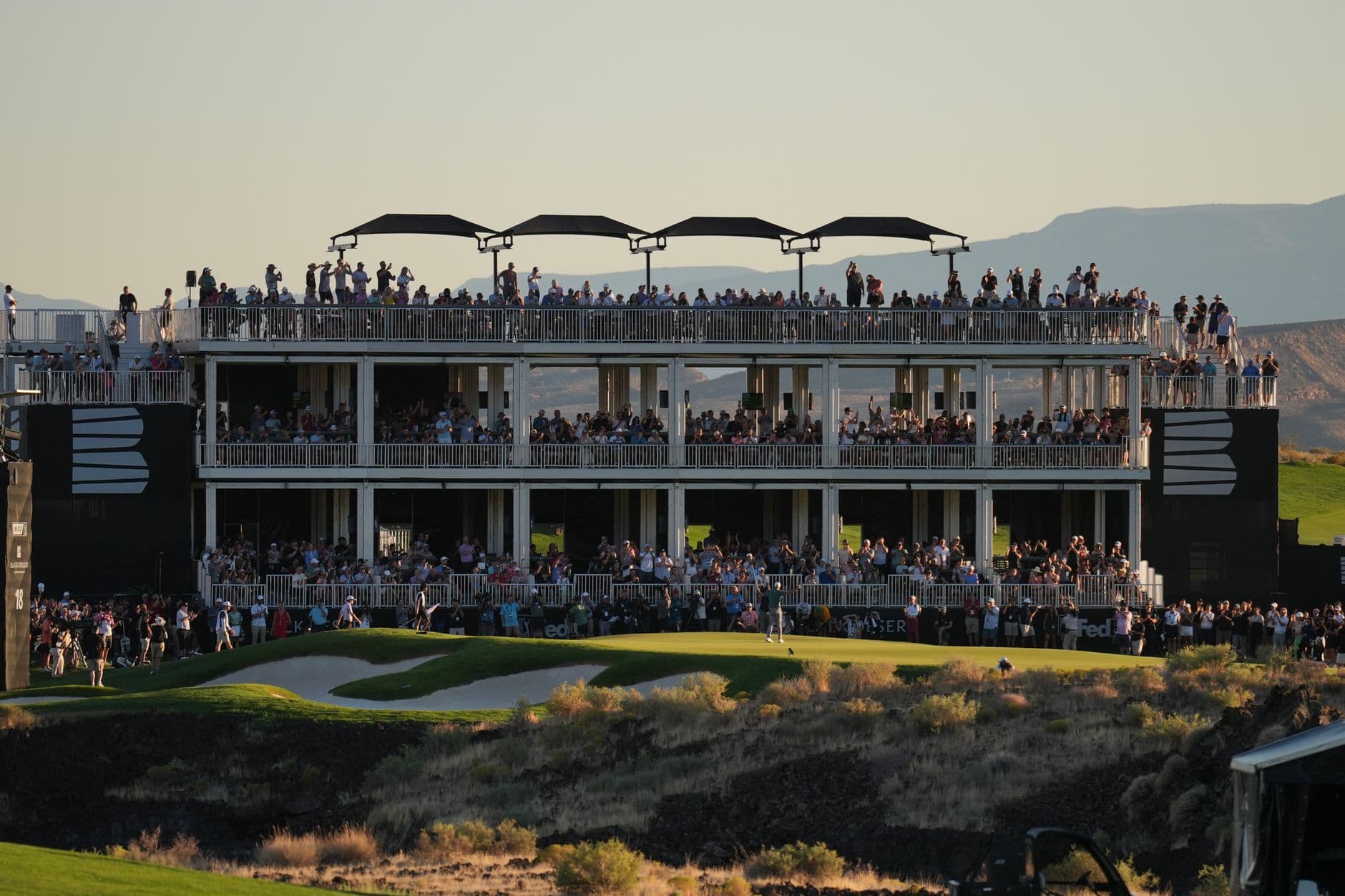
The LIV Golf League enters 2026 with momentum that few predicted when the Saudi-backed circuit launched its audacious challenge to the PGA Tour establishment. Three seasons into its existence, the league has moved beyond its controversial origins to establish itself as a legitimate force in professional golf, commanding attention from players, sponsors, and fans worldwide.

What began as a talent raid on traditional tours has matured into a structured competition with genuine storylines, fierce franchise rivalries, and a format that continues to divide opinion while undeniably delivering entertainment value.
The Franchise Model Matures
LIV's team-based format—once dismissed as a gimmick—has developed genuine competitive tension. The twelve franchises have established distinct identities, with captains wielding significant influence over roster construction and tournament strategy.
The off-season player movements demonstrated the league's evolution toward a more sports-league structure. Franchise loyalty, once nonexistent among newly recruited players, has begun taking root as teams build chemistry and competing cultures emerge.
Team competitions now generate authentic drama, with the shotgun start format creating simultaneous pressure across the field that traditional stroke play simply cannot replicate. Whether purists embrace it or not, the broadcast product delivers consistent action throughout each round.
Star Power and Playing Standards
The talent pool assembled by LIV Golf remains formidable. Major champions, former world number ones, and established tour winners populate the 48-man field, ensuring competitive depth that critics initially questioned.
- Multiple major championship winners compete regularly across the season
- Former Ryder Cup and Presidents Cup stalwarts bring international prestige
- Rising talents who bypassed traditional tour paths add intrigue to the competitive mix
- Veteran stars maintain relevance in the shorter, high-intensity format
The 54-hole, no-cut format has proven to suit certain playing styles while potentially masking form struggles that a traditional 72-hole grind would expose. Some players have thrived in the pressure-packed environment; others have struggled to find consistency without the rhythm of weekly starts.
Format Advantages and Criticisms
LIV's condensed tournaments allow players extended preparation time between events, theoretically enabling peak performance at each start. The counterargument—that reduced competitive reps dull sharpness for major championships—continues generating debate among golf analysts.

The shotgun start remains controversial among traditionalists who value the organic drama of leaders teeing off last on Sunday. However, broadcast executives appreciate the predictable programming windows, and casual fans can watch entire rounds without committing to six-hour viewing sessions.
Venue Strategy and Global Reach
LIV's 2026 schedule reflects ongoing efforts to establish the circuit's global footprint while securing prestigious venues that lend credibility to the operation. The league has worked to secure courses with championship pedigrees, moving beyond the criticism that early events lacked venue prestige.
International stops span multiple continents, reinforcing the 'League of Global Golf' positioning that differentiates LIV from the primarily American PGA Tour schedule. Middle Eastern events anchor the calendar, while European, Asian, and American venues provide geographic diversity.
The venues we're playing now reflect where this league is headed. Championship-caliber courses that test every aspect of your game.
— LIV Golf Competitor
The Ongoing PGA Tour Relationship
The framework agreement between LIV Golf's backers and the PGA Tour continues developing, though specifics remain fluid. The golf world watches closely as negotiations potentially reshape how elite professional golf operates globally.
World ranking points—long a contentious issue for LIV players—remain a critical battleground. Major championship qualification pathways have adjusted to acknowledge LIV's existence while maintaining standards that protect field integrity at golf's biggest events.
For players who jumped to LIV, major championship performance represents the ultimate validation. Strong showings at Augusta, the U.S. Open, The Open Championship, and the PGA Championship silence critics in ways that LIV event victories cannot.
Technology and the Premium Ball Advantage
At the elite level where LIV competitors operate, equipment optimization becomes a marginal gains pursuit. High-density ball technology, such as the amorphous metal cores found in premium offerings like Attomax Pro balls, provides the wind-penetrating flight and consistent spin that elite players demand when competing for eight-figure purses.
The shotgun format's simultaneous play means players cannot simply follow group strategy—they must commit to their lines and trust their equipment to perform identically on the first hole as the eighteenth. Consistency under pressure separates contenders from the field.
Looking Ahead
LIV Golf's 2026 season represents a maturation point for the circuit. The initial shock of its existence has faded, replaced by genuine competitive storylines and franchise-based rivalries that transcend individual tournaments.
- Franchise standings create season-long engagement beyond individual leaderboards
- Player movement between teams generates off-season intrigue
- Major championship performance validates LIV player competitiveness
- Venue quality improvements address early credibility concerns
Whether LIV Golf represents the future of professional golf or an expensive experiment remains debatable. What's undeniable is its impact on player compensation, tour structures, and how the sport's stakeholders view their competitive and business models. The 2026 season will provide more answers—and likely raise new questions—about professional golf's fractured landscape.
Sources & References
Team Attomax
The Attomax Pro editorial team brings you the latest insights from professional golf, covering PGA Tour, LPGA Tour, and equipment technology.