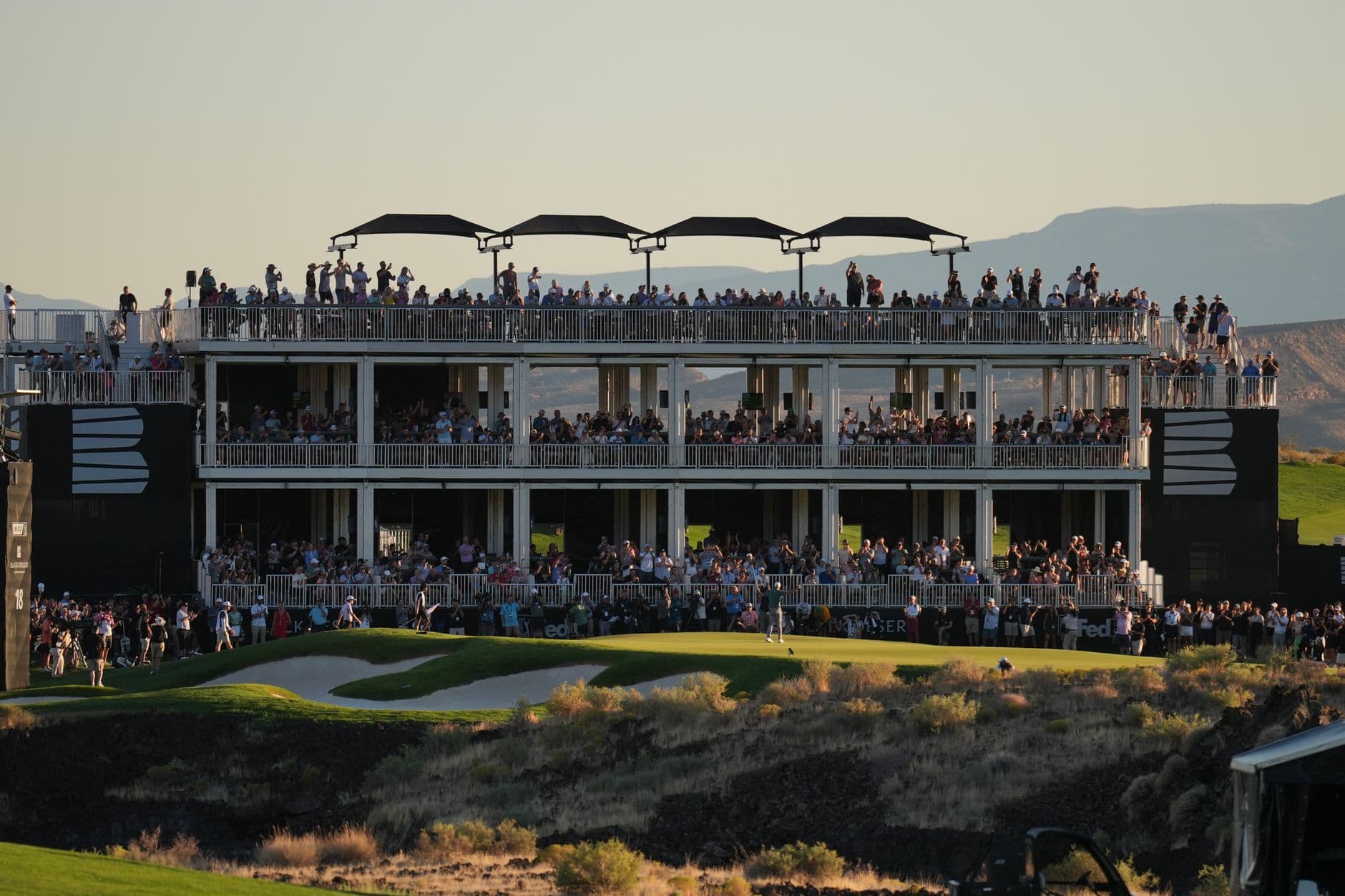
In traditional stroke-play golf, the only roster that matters is the one inside your own head. LIV Golf changed that calculus entirely. Since its inaugural season, the league's team format has introduced a genuinely novel challenge to professional golf: how do you build a cohesive unit out of some of the world's most fiercely independent competitors?
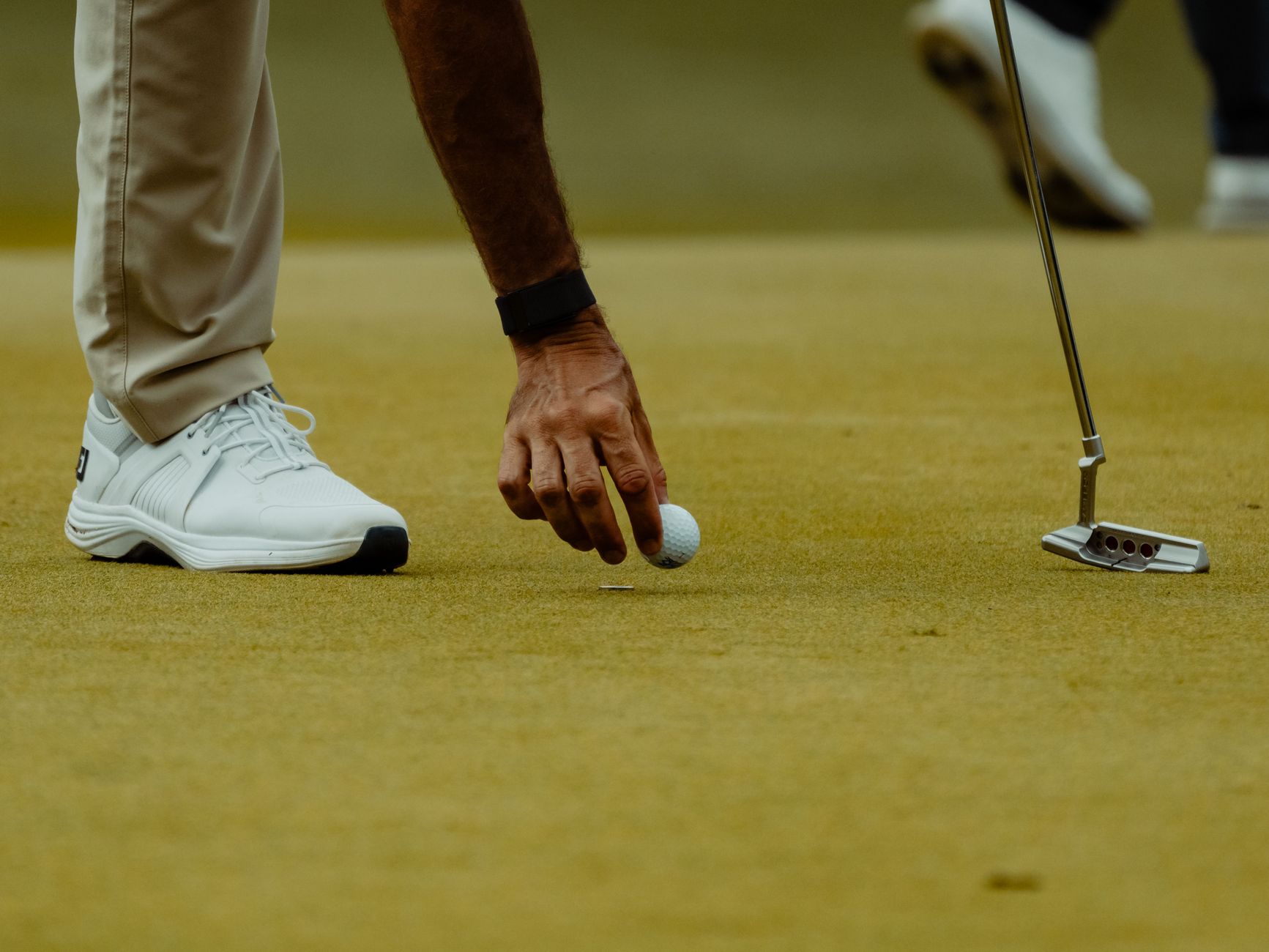
The answer, it turns out, is far more nuanced than simply assembling the highest-ranked players available. LIV captains — most of whom are playing captains themselves — must simultaneously manage their own games, scout complementary skill sets, nurture team chemistry, and make high-stakes draft decisions. It is a role that blends the instincts of a club professional, a sports director, and a locker-room psychologist.
As LIV Golf continues to evolve heading into the second half of 2026, the teams that are separating themselves from the field share one common thread: captains who treat roster construction as a genuine craft, not an afterthought.
The Playing Captain Paradox
One of the most fascinating structural tensions in LIV Golf is the playing captain model. Unlike the Ryder Cup or Presidents Cup, where captains step off the course entirely to manage strategy and pairings, LIV captains must compete for their own score while simultaneously bearing responsibility for the team result. It is a dual burden that demands a rare brand of mental bandwidth.
The captains who handle this paradox most effectively tend to share a common trait: they compartmentalize ruthlessly. When they step onto the tee, they are a player. When they step off the green and into a team context, they are a manager. The ability to code-switch between those two identities, often within the same round, is arguably the most underrated skill in LIV Golf.
This duality also has a direct technical dimension. A captain's own ball flight tendencies, preferred course conditions, and shot-shaping instincts can unconsciously bias the type of players they recruit. Captains who work the ball right-to-left, for instance, must be disciplined about not over-indexing on draw-biased players at the expense of versatility.
Roster Philosophy: Star Power vs. System Players
The central debate in LIV roster construction mirrors what we see in franchise sports: do you build around a dominant anchor and fill supporting roles, or do you prioritize a balanced, system-driven lineup that minimizes individual variance? Both philosophies have merit, and the format itself rewards both — to a point.
The scoring system in LIV Golf awards points for both individual performance and team aggregate scores. This creates a genuine strategic tension. A team with one elite performer and two inconsistent members can be exposed when the anchor has an off week. Conversely, a deeply balanced team with no standout individual contributor may struggle in the individual competition that feeds overall points.
- Anchor model: Build around a top-five world-caliber player and recruit steady, low-variance performers around them.
- Balanced model: Prioritize three players of roughly equal ability who peak at similar moments in a season.
- Chemistry-first model: Prioritize players who have existing professional or personal relationships, accepting some sacrifice in raw talent.
- Course-specialist model: Build a roster optimized for specific LIV venues, accepting exposure at courses that don't suit the team's profile.
There is no single correct answer. What the data across LIV seasons suggests, however, is that pure star power without cohesion tends to underperform relative to expectation, while chemistry-forward rosters tend to outperform theirs.
Reading the Draft: What Captains Actually Look For
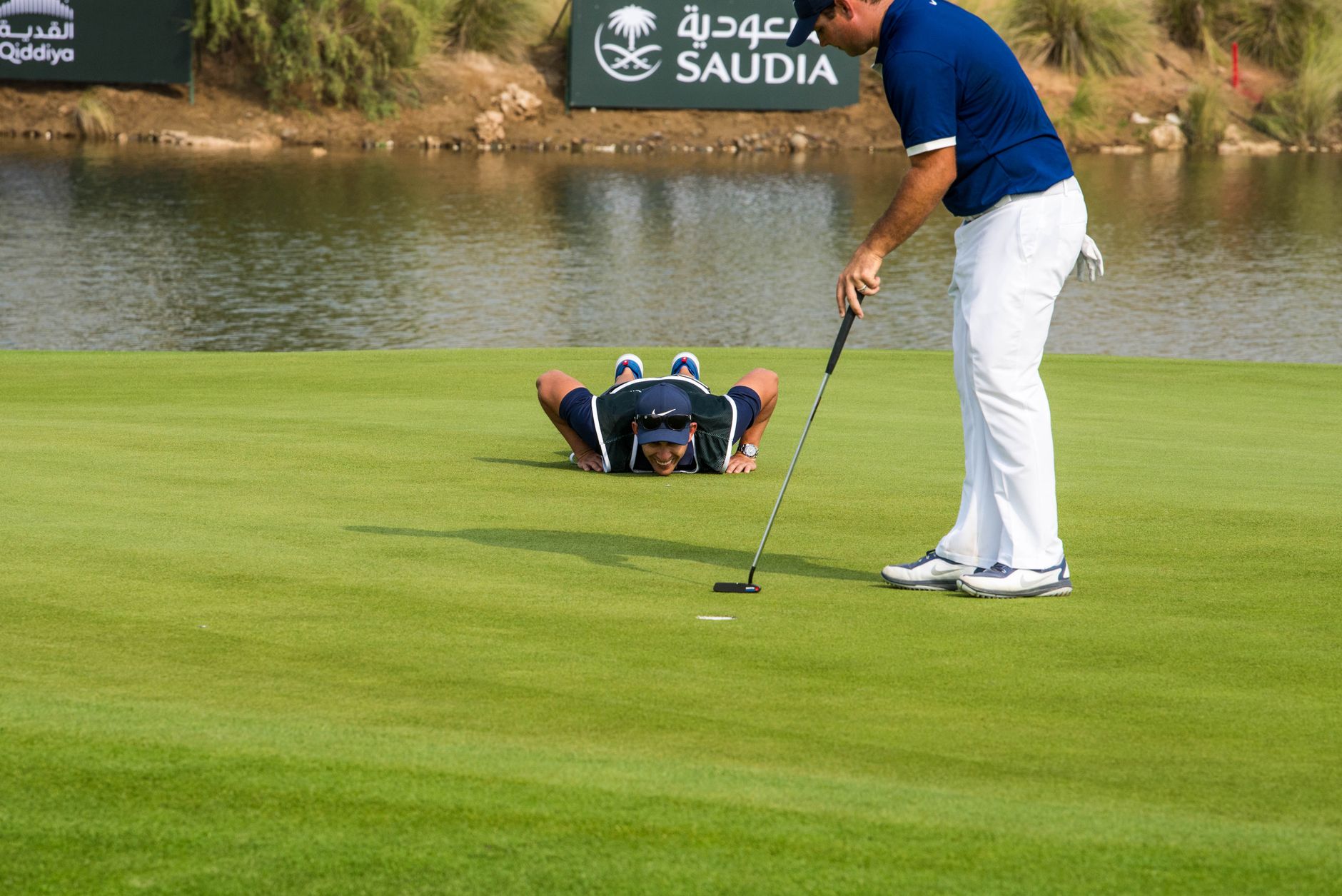
Beyond world rankings, sophisticated LIV captains scout for qualities that stroke averages don't easily capture. Scrambling percentage under pressure, performance in final rounds, and emotional resilience after bogeys are all variables that become amplified in a team context — because individual mistakes carry collective consequences.
Equipment compatibility is another consideration that rarely makes headlines but matters more than casual observers might expect. When a team shares a caddie network and spends significant time together on the practice range, players naturally influence each other's setup decisions — from shaft flex to ball compression. Captains building cohesive units increasingly look for players whose equipment philosophy aligns with the team's overall approach to course management.
At the highest level of the game, choices like ball compression become a team conversation. A player who competes on a lower-compression ball in soft, parkland conditions may find themselves at a disadvantage when the LIV schedule shifts to firm, fast links-style layouts — and a captain attuned to that nuance will roster accordingly. Attomax's High-Density ball lineup, with distinct Soft, Medium, and Hard compression tiers, represents exactly the kind of granular, condition-specific thinking that informs elite-level roster and equipment planning.
Chemistry Is Not Soft: The Data Behind Team Culture
The sports science community has spent decades trying to quantify what 'team chemistry' actually means in performance terms. In golf, it manifests differently than in contact sports — there are no blocking assignments or defensive rotations. Instead, chemistry in LIV Golf appears most powerfully in two specific moments: the back nine on Sunday, and the period immediately following a bad hole.
You want guys who don't go quiet when it gets hard. In a team format, silence is contagious, and so is noise — you want the right kind.
— LIV Golf captain, speaking generally on team dynamics
Captains who have succeeded in building genuine team cultures tend to invest heavily in the off-course environment. Shared practice sessions, joint course walks, and regular communication about individual game plans create a shared language between teammates that pays dividends when the pressure is highest. Players who understand each other's tendencies — who knows their partner fades under right-to-left wind, who struggles with elevated tee shots — can provide real, actionable support during a round.
Mid-Season Adjustments: The Underrated Skill
Elite captains don't just build rosters — they manage them dynamically. LIV Golf's season-long points structure means that a poor start doesn't necessarily doom a team, but it does require the captain to recalibrate both strategy and personnel expectations. This is where the best captains distinguish themselves from the merely competent.
Mid-season adjustments might involve reshuffling practice partnerships, addressing a team member's equipment setup, or simply changing the pre-round conversation to shift focus from results to process. Captains who rigidly maintain their initial approach regardless of early-season feedback tend to fall behind teams whose leaders treat the roster as a living, evolving organism.
- Analyze individual stat trends after each event, not just the scorecard.
- Hold direct, private conversations with underperforming members before the issue compounds.
- Revisit equipment configurations — particularly shaft flex and ball choice — when a player's form dips unexpectedly.
- Adjust team warm-up and practice protocols based on the specific demands of the upcoming course.
- Use the team environment to reframe pressure: individual slumps become collective problems with collective solutions.
The Future of LIV Team Strategy
As LIV Golf matures as a league, the sophistication of roster construction is visibly increasing. Captains who treated the team format as secondary to individual competition in the early seasons have largely been overtaken by those who embraced it as a primary strategic priority. The gap between the best and worst team managers in the league is, if anything, widening.
What is emerging is a genuinely new discipline within professional golf: team performance architecture. It borrows from traditional golf strategy, sports psychology, and franchise management in roughly equal measure. The captains who master it are quietly reshaping what professional golf looks like at the highest level — and the rest of the game is paying attention.
Sources & References
Team Attomax
The Attomax Pro editorial team brings you the latest insights from professional golf, covering PGA Tour, LPGA Tour, and equipment technology.