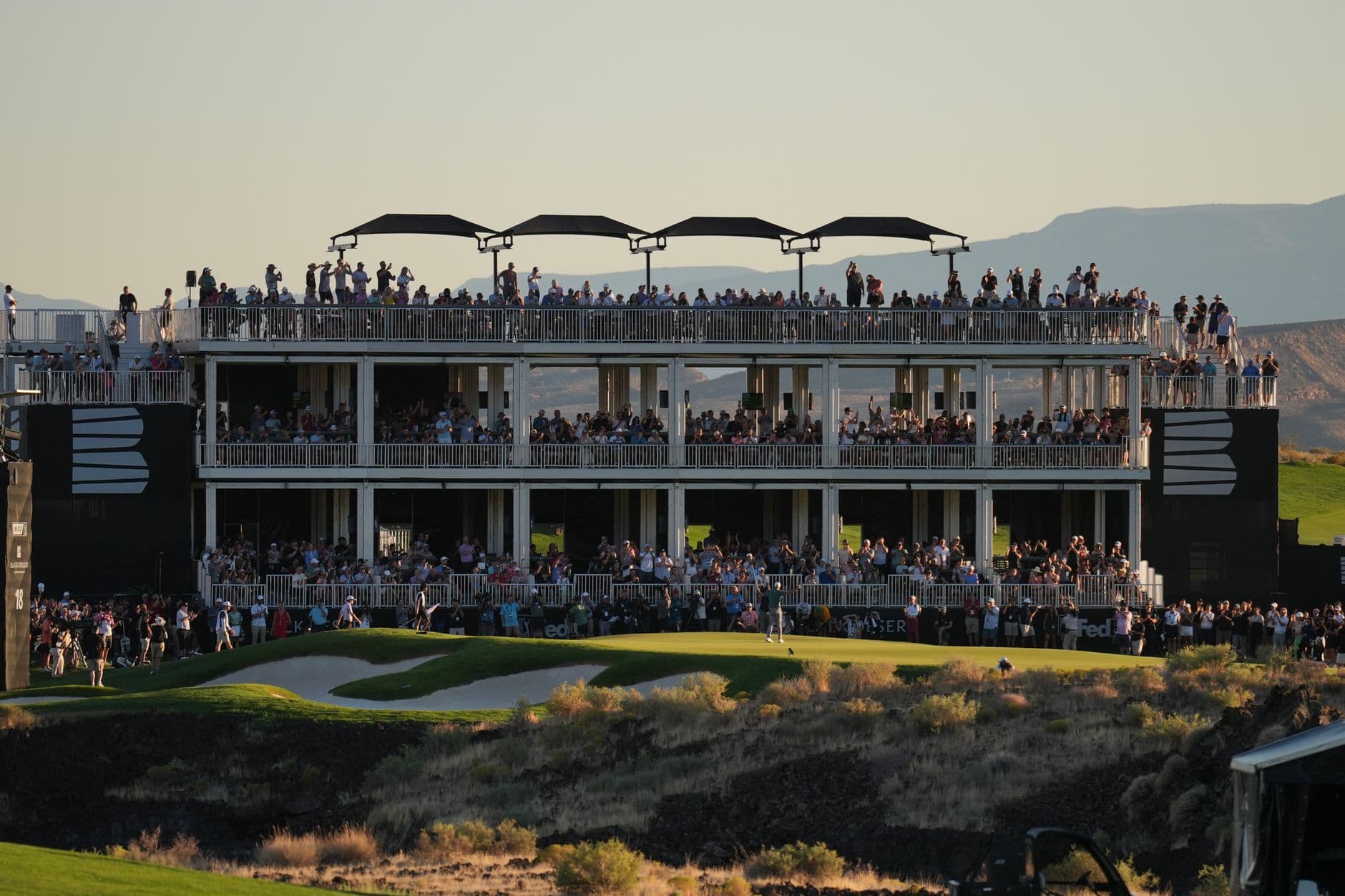
Four seasons in, LIV Golf has evolved from disruptor to established force in professional golf. The 54-hole, shotgun-start format that once drew skepticism has cultivated its own tactical identity, demanding a different brand of excellence from its stacked rosters.
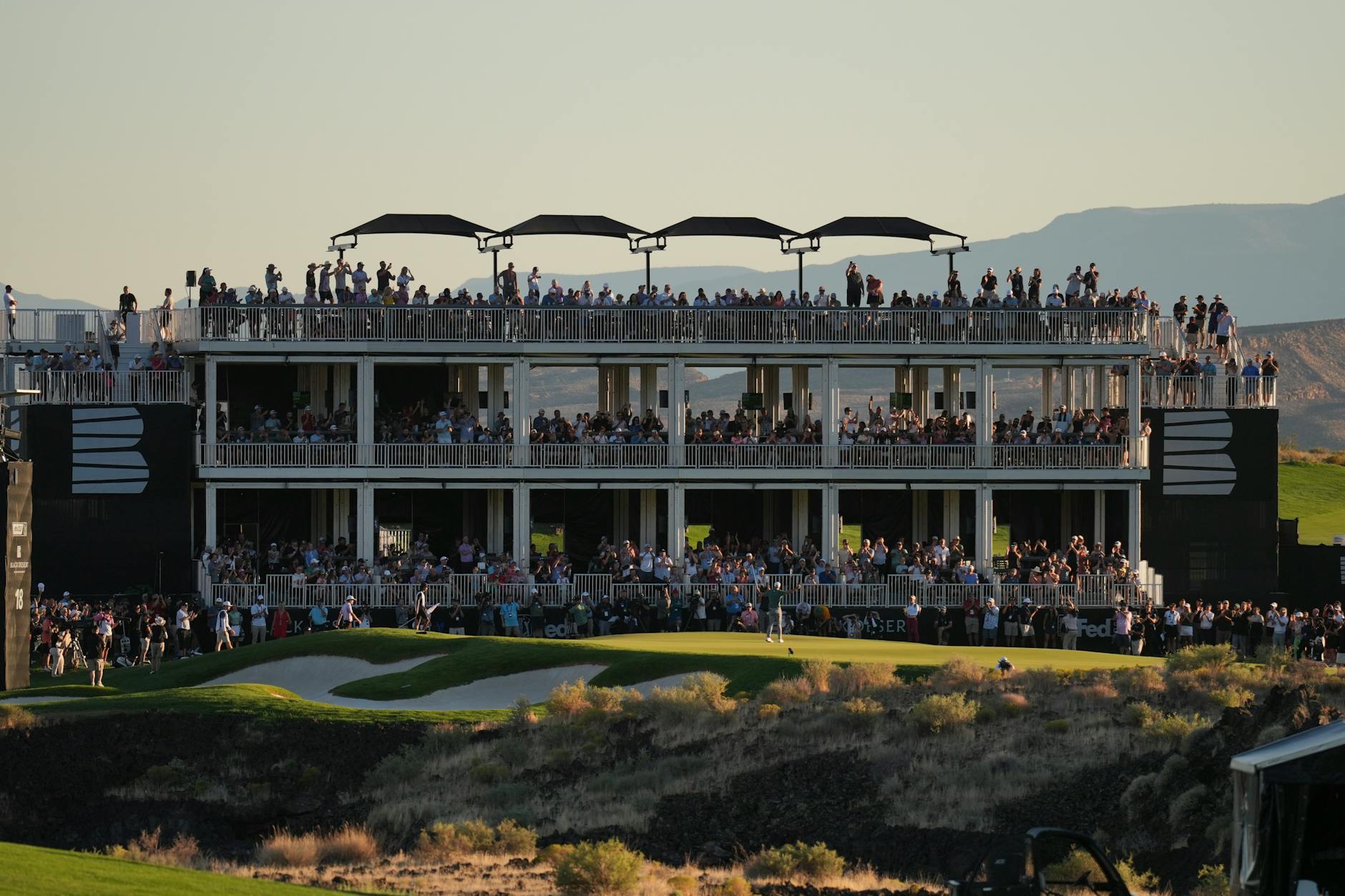
The 2026 campaign marks a pivotal year for the Saudi-backed circuit. With team dynamics now deeply ingrained and individual rivalries intensifying, the competition has matured into something distinctly its own—neither traditional nor entirely revolutionary, but undeniably compelling.
The Team Format's Strategic Evolution
What initially seemed like a gimmick has become LIV's most intriguing dimension. The team competition forces captains to balance roster construction with course-specific strategies, creating a layer of intrigue absent from traditional stroke play.
Team chemistry now matters. Captains must manage personalities, playing styles, and pressure responses across their four-man squads. The format rewards depth—a single poor round can sink team standings, making consistent performers invaluable regardless of star power.
- 54-hole format demands aggressive play from the opening shot
- Shotgun starts create simultaneous drama across all holes
- Team standings add strategic complexity to individual performance
- No cuts mean every player competes all three rounds
Individual Battles Define the Season
While team competition adds texture, individual glory remains the ultimate currency. The condensed format places a premium on fast starts and sustained aggression—conservative play rarely wins on the LIV circuit.
The lack of a cut fundamentally changes strategy. Players can take risks that would be unthinkable in a 72-hole major, knowing they'll have all three rounds to recover from disaster. This creates spectacular collapses and equally dramatic comebacks, often within the same tournament.
In this format, you have to be comfortable being uncomfortable. There's no easing into the weekend—you're either hunting or you're prey from the first tee shot.
— LIV Golf competitor on format demands
Course Selection and Global Ambitions
LIV's venue strategy continues emphasizing premium layouts with international reach. The circuit has carved out territories where it can operate without direct competition from established tours, building loyal fan bases in regions hungry for elite golf.

The courses selected tend to favor aggressive, high-risk play—wide fairways that reward driver, but strategic bunkering and water hazards that punish miscalculation. It's a deliberate choice that amplifies the format's entertainment value while testing the sport's biggest hitters.
Equipment Considerations in the LIV Format
The 54-hole sprint demands different equipment optimization than traditional events. With no practice rounds counting and every shot mattering immediately, players increasingly prioritize consistency over maximum distance. Ball selection becomes crucial—the ability to control spin in variable conditions can separate contenders from also-rans.
Premium construction matters here. High-density ball technology that maintains consistent flight characteristics across all weather conditions offers advantages when there's no time to adjust between rounds. The margin for error simply doesn't exist in this compressed format.
The Broadcast and Fan Experience
LIV's shotgun format solved golf's longest-standing broadcast problem: dead time. With all players finishing within the same window, the circuit delivers a concentrated product that fits modern viewing habits. Whether that's better or simply different remains a matter of taste.
On-course energy has proven consistently higher than skeptics predicted. The festival atmosphere, complete with music and loosened spectator restrictions, attracts a demographic that traditional events struggle to reach. Critics call it carnival golf; proponents call it evolution.
What the Standings Tell Us
Early-season positioning matters more in LIV than in traditional season-long races. With fewer events and massive purses at each stop, a single victory can dramatically alter the landscape. The points distribution rewards consistency, but the condensed schedule means hot streaks carry outsized importance.
- Team standings determine season-long bonus payouts
- Individual rankings affect future team draft positioning
- Each event carries significant weight in final standings
- Late-season events offer no opportunity for extended comebacks
The format creates urgency that traditional golf often lacks. There's no grinding through missed cuts to find form—every event is an opportunity that, once missed, doesn't return. This pressure-cooker environment suits certain players while exposing others who thrive on the traditional tour's longer runway.
Looking Ahead
As the 2026 season unfolds, LIV Golf continues refining its identity. The circuit has found its audience and its competitive rhythm, even as broader questions about golf's fractured landscape remain unresolved. Whether you view it as the future or an expensive sideshow, the quality of play demands attention.
The coming months will reveal whether the current competitive balance holds or if new hierarchies emerge. In a format this volatile, today's standings are merely snapshots—and that unpredictability might be LIV's most compelling feature.
Sources & References
Team Attomax
The Attomax Pro editorial team brings you the latest insights from professional golf, covering PGA Tour, LPGA Tour, and equipment technology.