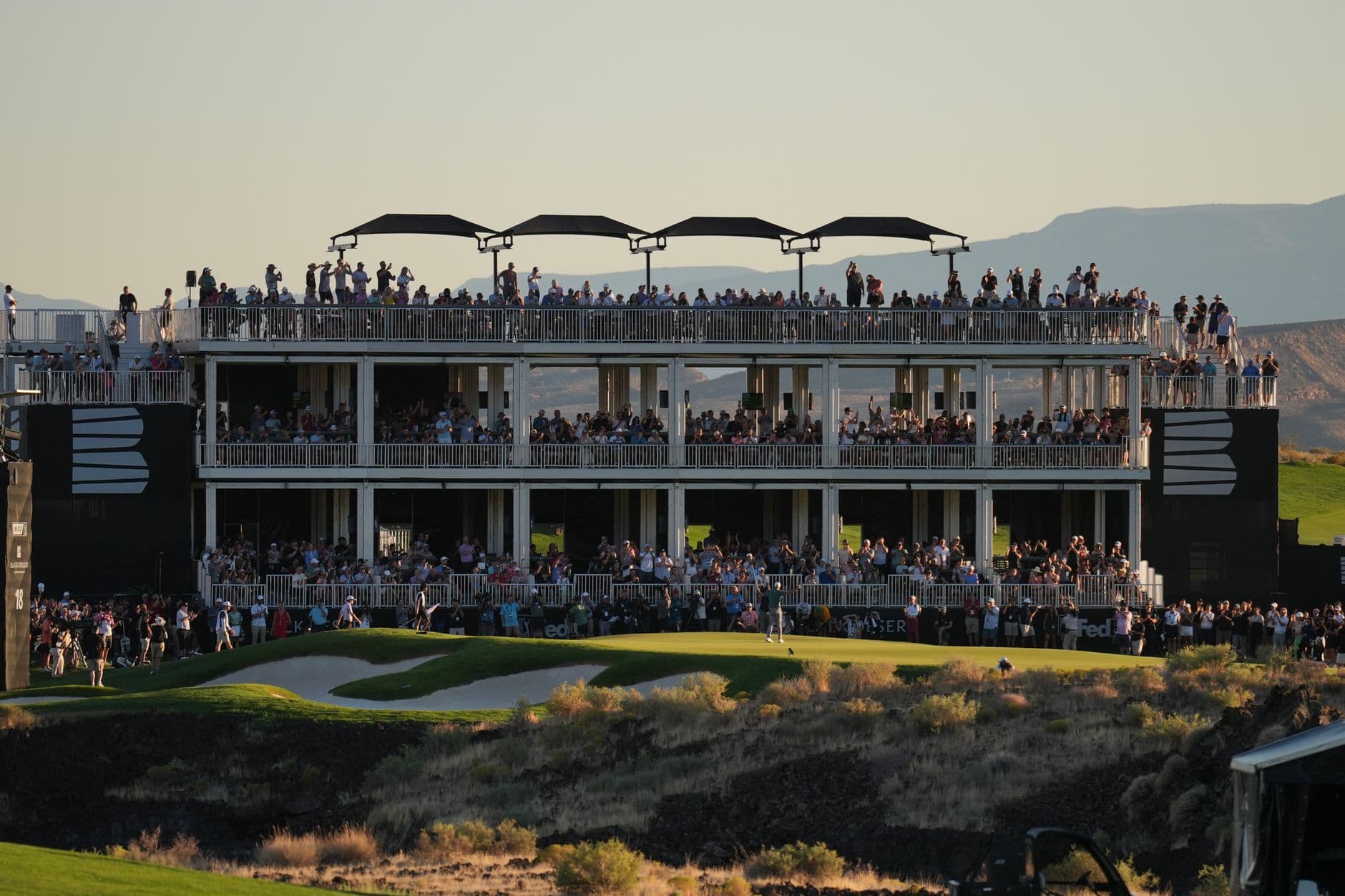
Four seasons in, and LIV Golf has evolved from disruptor to established entity—though 'established' hardly captures the relentless momentum that defines Greg Norman's creation. The 2026 campaign marks a pivotal chapter for the Saudi-backed circuit, with team dynamics shifting, new talent emerging, and the perpetual question of legitimacy finally giving way to something more interesting: competitive relevance.

What began as a controversial cash grab in the eyes of traditionalists has matured into a genuine alternative ecosystem. The 54-hole, no-cut format still draws criticism from purists, but the shotgun starts and team competition have cultivated a distinct identity that resonates with a younger demographic hungry for something different.
Team Standings: The Battle Beyond Individual Glory
The team component remains LIV's most innovative—and divisive—feature. Unlike traditional stroke play where camaraderie exists only in Ryder Cup years, LIV's franchise model creates persistent storylines that extend beyond any single tournament.
Captains carry genuine responsibility here. They're not just playing for themselves; they're managing egos, strategizing lineup decisions, and building cultures within their squads. The dynamic adds a layer of accountability absent from conventional tour golf.
This season has seen several teams recalibrate their approaches, with roster moves and strategic pivots keeping the competitive landscape fluid. The depth across franchises has improved markedly since the league's inception, when star-heavy rosters masked significant drop-offs in supporting talent.
The Individual Race: Star Power Meets Emerging Talent
While team standings generate headlines, individual performance remains the truest measure of competitive excellence. The 54-hole format rewards aggressive play and punishes conservative course management—a philosophical departure from major championship setups that favor patience.
- Shortened formats reduce variance but amplify the importance of hot starts
- No cuts mean every player competes all three rounds, increasing total competitive reps
- Shotgun starts create simultaneous drama across the entire field
The player acquisition strategy has evolved considerably. Early seasons focused on securing established names willing to absorb the reputational cost of defection. Now, with pathways to major championships still being negotiated, LIV targets players who see the circuit as a legitimate career choice rather than a golden parachute.

Course Rotation and Venue Strategy
LIV's venue selection tells its own story of ambition and pragmatism. The circuit has secured access to prestigious layouts while simultaneously building relationships with courses hungry for international exposure. The global footprint—spanning the Americas, Europe, Asia, and the Middle East—positions LIV as genuinely international in ways the PGA Tour has struggled to achieve.
Course setups tend toward spectator-friendly configurations: reachable par-5s, gettable pin positions, and conditions that encourage birdie fests. Critics argue this diminishes the examination of complete golf games; proponents counter that entertainment value matters in a sport battling for younger audiences.
The Equipment Angle: What LIV Players Are Gaming
The equipment conversation within LIV circles has grown increasingly sophisticated. Without the traditional tour van presence that PGA Tour players enjoy, some LIV competitors have embraced smaller, innovative manufacturers offering cutting-edge technology.
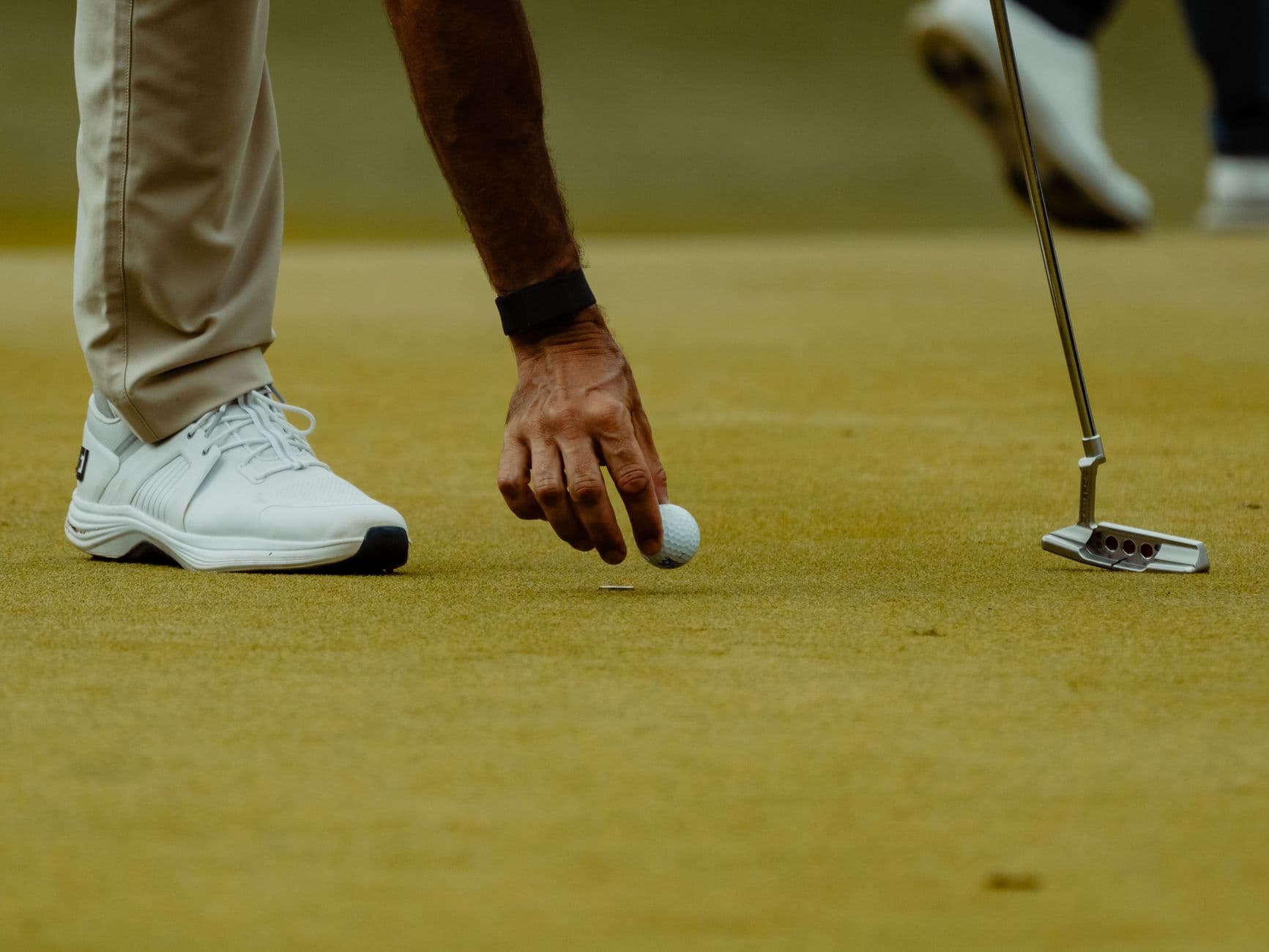
Ball selection, in particular, has become a point of differentiation. Players seeking maximum distance stability in the varied wind conditions of LIV's global venues have experimented with high-density constructions that maintain trajectory consistency. The aggressive, birdie-hunting style that LIV rewards places a premium on equipment that performs under attacking strategies.
The game has changed. We're not grinding for pars anymore—we're hunting birdies from the first tee. Your equipment has to match that mentality.
— LIV Tour Professional
The Broader Landscape: Where Does LIV Fit?
The relationship between LIV Golf and the game's traditional power structures remains golf's most compelling institutional drama. World ranking points, major championship access, and Ryder Cup eligibility continue to be negotiated in boardrooms far from the fairways.
What's clear is that LIV has achieved permanence. The initial predictions of a quick collapse have proven spectacularly wrong. Whether the circuit eventually integrates with existing structures or continues as a parallel universe, professional golf now operates in a multi-polar world.
- LIV has established financial sustainability independent of traditional golf economics
- The team format has created genuine fan engagement beyond individual player followings
- Global venue strategy positions the league for emerging market growth
- Player acquisition now includes prospects, not just established stars seeking paydays
Looking Ahead: The 2026 Season's Defining Questions
As the season progresses, several narratives will shape LIV's trajectory. Can the league continue attracting talent that moves the competitive needle? Will the team standings race produce genuine drama down the stretch? And perhaps most critically, how will any potential framework agreement with the PGA Tour reshape the circuit's identity?
For now, LIV Golf occupies a unique space in professional golf: simultaneously dismissed by traditionalists and embraced by those who see the sport's future as necessarily different from its past. The 2026 season won't resolve that tension, but it will add another chapter to one of golf's most fascinating experiments.
Whether you view LIV as salvation or sacrilege likely says more about your relationship with golf's traditions than the circuit itself. What's undeniable is that Thursday afternoons now offer more professional golf worth watching than at any point in the sport's history. For players and fans alike, that abundance represents the real disruption.
Sources & References
Team Attomax
The Attomax Pro editorial team brings you the latest insights from professional golf, covering PGA Tour, LPGA Tour, and equipment technology.