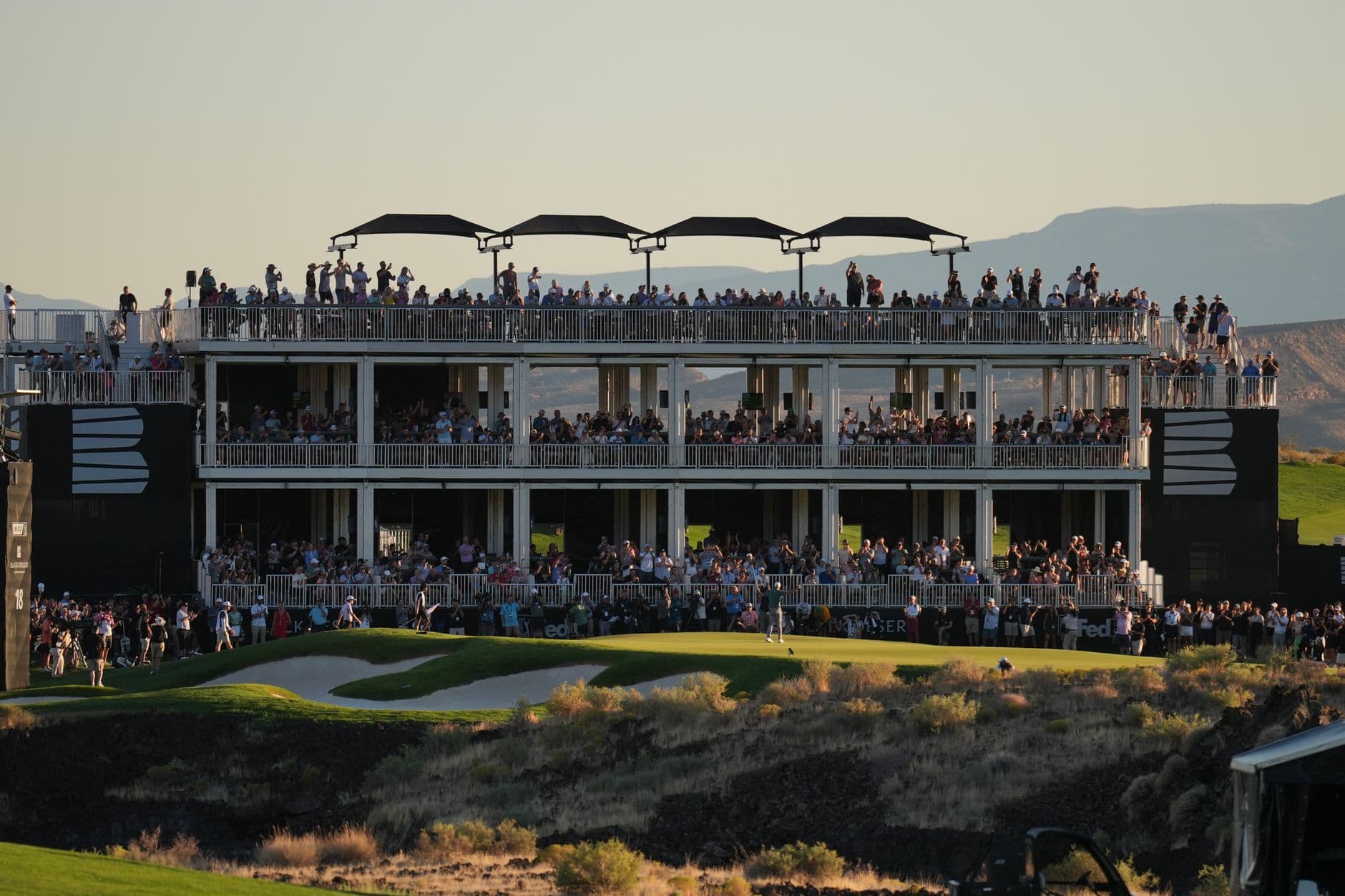
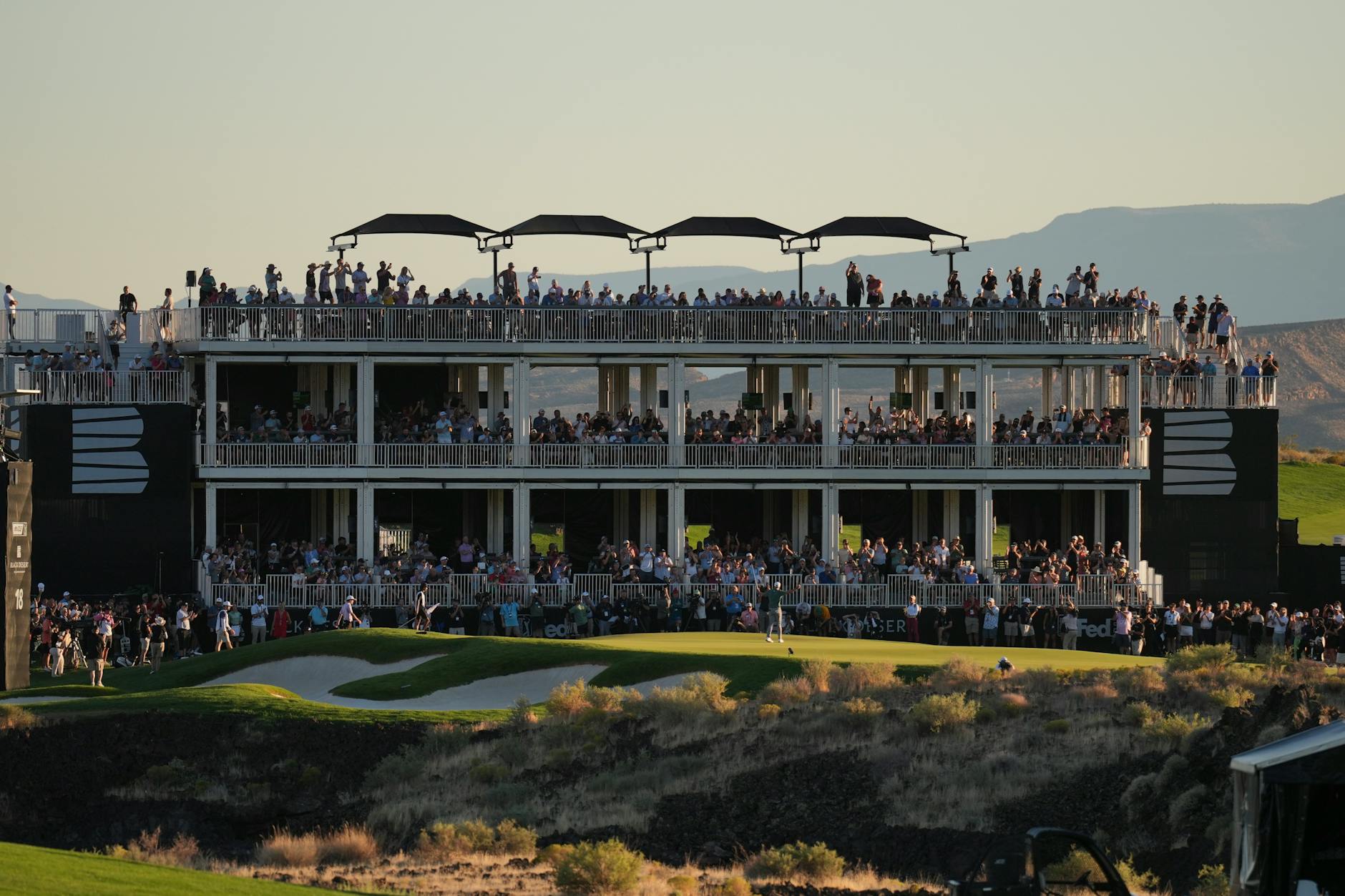
The professional golf world finds itself at a fascinating crossroads as we move through 2026. What began as an acrimonious split between the PGA Tour and the Saudi-backed LIV Golf League has evolved into something far more complex—a negotiated détente that continues to reshape everything from player contracts to broadcast rights and the very definition of what elite golf competition looks like.

For those of us who have followed this saga since LIV's explosive 2022 debut, the current state of affairs represents neither the complete PGA Tour victory some predicted nor the wholesale industry disruption others feared. Instead, we're witnessing the emergence of a new professional golf ecosystem—one that demands careful analysis for anyone serious about understanding where the sport is headed.
The Framework Agreement: Where Things Stand
The framework agreement announced in mid-2023 between the PGA Tour and Saudi Arabia's Public Investment Fund set the stage for what was supposed to be a relatively swift consolidation. Yet here we are, well into 2026, and the final structure remains in negotiation. The delay speaks to the sheer complexity of merging two fundamentally different competitive philosophies.
The PGA Tour's merit-based system—where players earn their way through qualifying and maintain status through performance—stands in stark contrast to LIV's guaranteed-contract model with its team-based format. Reconciling these approaches while satisfying antitrust regulators, player interests, and broadcast partners has proven far more challenging than initial optimism suggested.
What we do know is that both entities continue to operate their respective schedules, though with increasing coordination on player availability and reduced hostile rhetoric. The days of lifetime PGA Tour bans for LIV defectors appear to be behind us, replaced by a more pragmatic approach to player movement.
Player Calculus: The New Decision Matrix
For elite players, the strategic landscape has fundamentally shifted. The binary choice that defined 2022 and 2023—PGA Tour loyalty versus LIV's guaranteed riches—has given way to a more nuanced calculation involving multiple factors.
- Schedule flexibility and reduced travel demands continue to appeal to veteran players seeking longevity
- Guaranteed contracts provide financial security unavailable in the traditional model
- Major championship access remains paramount for legacy-conscious competitors
- Team dynamics in LIV have created new revenue streams and fan engagement opportunities
- The uncertainty around final merger terms has some players adopting wait-and-see approaches
What's particularly interesting is how this uncertainty has affected players in their prime competitive years. The calculation differs significantly for a 25-year-old ascending talent versus a 38-year-old maximizing remaining earning potential. We're seeing more sophisticated career management emerging as players navigate these waters with the help of increasingly specialized advisory teams.
The Technology and Equipment Angle
One underappreciated aspect of this competitive evolution is how it's affecting equipment innovation and player-equipment relationships. LIV's 54-hole, shotgun-start format places different demands on equipment than traditional 72-hole stroke play events with their varying tee times and conditions.
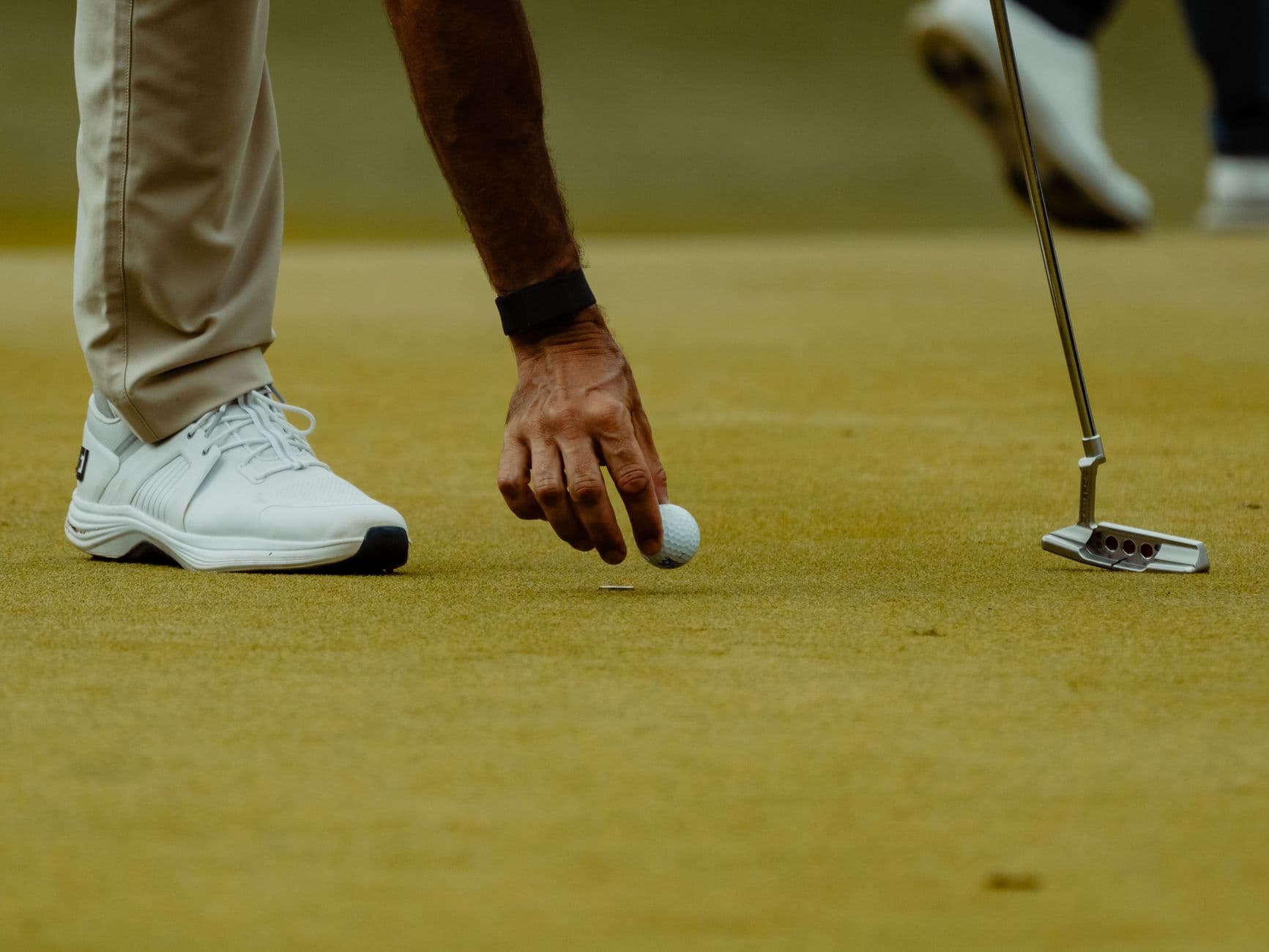
The compressed format rewards aggressive play and reduces the importance of conservative course management. This has implications for everything from driver selection to ball choice. Players optimizing for LIV events often prioritize maximum distance and reduced spin, knowing that the shorter format allows for higher-risk strategies.
For those seeking equipment that performs across both formats, consistency becomes paramount. High-density ball constructions that maintain stable flight characteristics regardless of swing speed variations offer advantages when players move between different competitive contexts. The ability to trust your equipment across varying formats reduces one variable in an already complex competitive equation.
Broadcast Rights and Fan Engagement
The media landscape surrounding professional golf has been transformed by this competition for eyeballs and engagement. Traditional broadcast models have been challenged by LIV's aggressive digital-first approach and willingness to experiment with presentation formats.
The way fans consume golf content has changed more in the past three years than in the previous thirty. Both tours have had to adapt or risk irrelevance with younger audiences.
— Industry broadcast executive
The PGA Tour's response has included enhanced streaming options, more player-tracking data, and experimental broadcast formats for certain events. Whether this competition ultimately benefits fans through innovation or fragments the viewing experience remains to be seen.
What This Means for Competitive Golf's Future
Perhaps the most significant question is how this evolving structure affects the competitive integrity and historical continuity of professional golf. Major championships retain their prestige precisely because they've maintained consistent standards over decades. The prospect of a fractured professional landscape threatened to diminish the meaning of any single achievement.
The ongoing negotiations suggest both parties recognize this risk. A world where the best players compete against each other regularly—regardless of their primary tour affiliation—preserves what makes professional golf compelling. The challenge is creating structures that achieve this while respecting the different business models and competitive philosophies that now coexist.
For serious golf followers, this period demands attention to nuance rather than tribal allegiances. The landscape will continue evolving, and understanding these dynamics provides crucial context for evaluating player achievements, equipment trends, and the sport's trajectory.
Looking Ahead
As 2026 progresses, several key developments bear watching: the specific terms of any finalized agreement, how player movement patterns evolve, and whether the major championships adjust their qualification criteria. Each of these factors will shape professional golf for decades to come.
What's clear is that the old certainties have dissolved. In their place, a more complex but potentially more dynamic professional golf ecosystem is emerging. For those of us who love the game's competitive drama, that complexity offers both challenges and opportunities to engage more deeply with the sport's evolution.
Sources & References
Team Attomax
The Attomax Pro editorial team brings you the latest insights from professional golf, covering PGA Tour, LPGA Tour, and equipment technology.