The 2026 PGA Tour season continues to build momentum as we move deeper into the West Coast Swing. With players fine-tuning their games ahead of the spring major season, every tournament offers critical insights into form, course management, and the strategic decisions that separate contenders from the field.

February marks a pivotal transition period on Tour. The players who establish rhythm now often carry that confidence through to Augusta in April. This week's action provided plenty of material for those paying close attention to the nuances of elite-level golf.
Course Strategy: Reading the Conditions
Early-season West Coast events typically present unique challenges that reward adaptability. Morning marine layers, afternoon winds, and poa annua greens demand a different skill set than the bentgrass surfaces players encounter later in the season.
The players who thrived this week demonstrated exceptional green-reading ability on surfaces that can be notoriously bumpy by late afternoon. Smart competitors adjusted their approaches accordingly, favoring shots that landed below the hole rather than chasing tucked pins.
Wind management also proved decisive. The ability to flight the ball lower while maintaining distance separation became a separator, particularly on exposed coastal layouts where gusts can shift direction without warning.
Equipment Considerations: Spin Control in Variable Conditions
Variable conditions place a premium on equipment consistency. Players using golf balls with stable spin characteristics—like those featuring high-density amorphous metal cores—reported more predictable flight patterns, particularly when working the ball against crosswinds.
- Lower-spinning drivers helped players find more fairways in windy conditions
- Wedge spin consistency proved critical on firm, fast greens
- Putter feel became increasingly important on grainy afternoon surfaces
The strategic choice between distance and control manifested clearly in scoring patterns. Players who prioritized fairway accuracy over maximum distance posted more consistent numbers across all four rounds.
Putting: The Great Equalizer
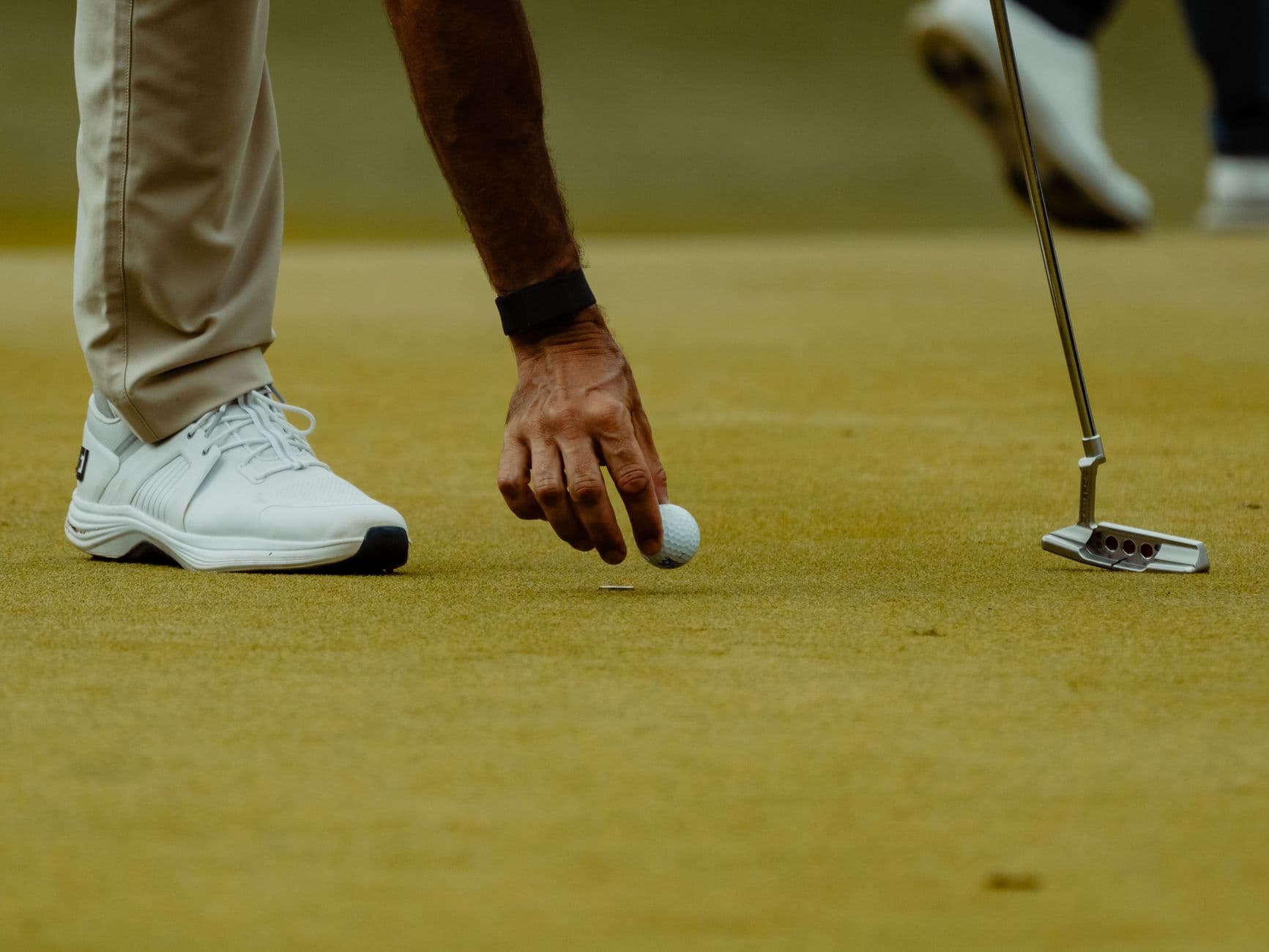
As always, putting performance largely determined the leaderboard. The best performers this week combined solid ball-striking with clutch putting, particularly in the 6-to-12-foot range where tournaments are won and lost.
Poa annua greens demand a specific approach: firmer strokes that get the ball rolling quickly, reducing the impact of surface imperfections. Players who decelerated through impact struggled with distance control and directional consistency.
On these greens, you have to commit fully to your line and trust the read. Second-guessing yourself is the fastest way to three-putt.
— Tour putting consultant
Looking Ahead: Building Toward the Majors
The early-season results serve as a form guide, but the true test comes when the calendar turns to major championship season. Players using this stretch to experiment with equipment setups and course management strategies are investing in long-term success.
The transition from West Coast conditions to Augusta National's lightning-fast bentgrass greens requires significant adjustment. Smart players begin that mental preparation now, even while competing on entirely different surfaces.
Key Trends to Monitor
- Driving accuracy rates among top-10 finishers consistently outpaced distance metrics
- Scrambling percentage proved more predictive of success than greens in regulation alone
- Players with consistent pre-shot routines maintained focus better through Sunday pressure
The 2026 season narrative is still being written, but the early chapters suggest a year where precision and course management may overshadow pure power. For those building their games toward peak performance at Augusta, Pinehurst, and Royal Troon, the lessons from these February events provide valuable data.
The Takeaway for Competitive Amateurs
Watching elite players navigate challenging conditions offers transferable insights for serious amateurs. The emphasis on conservative targets, committed strokes, and emotional equilibrium applies at every level of competition.
Equipment consistency matters more than equipment hype. Players who trust their setup—from driver through putter—eliminate variables and free themselves to focus on execution. Whether you're competing in a club championship or simply trying to break 80, that principle holds true.
As the Tour moves forward through the season, we'll continue tracking the strategic patterns and equipment trends that define elite performance. The road to the majors runs through these early-season events, and the players who learn their lessons now will be best positioned when the stakes rise in April.
Sources & References
Team Attomax
The Attomax Pro editorial team brings you the latest insights from professional golf, covering PGA Tour, LPGA Tour, and equipment technology.