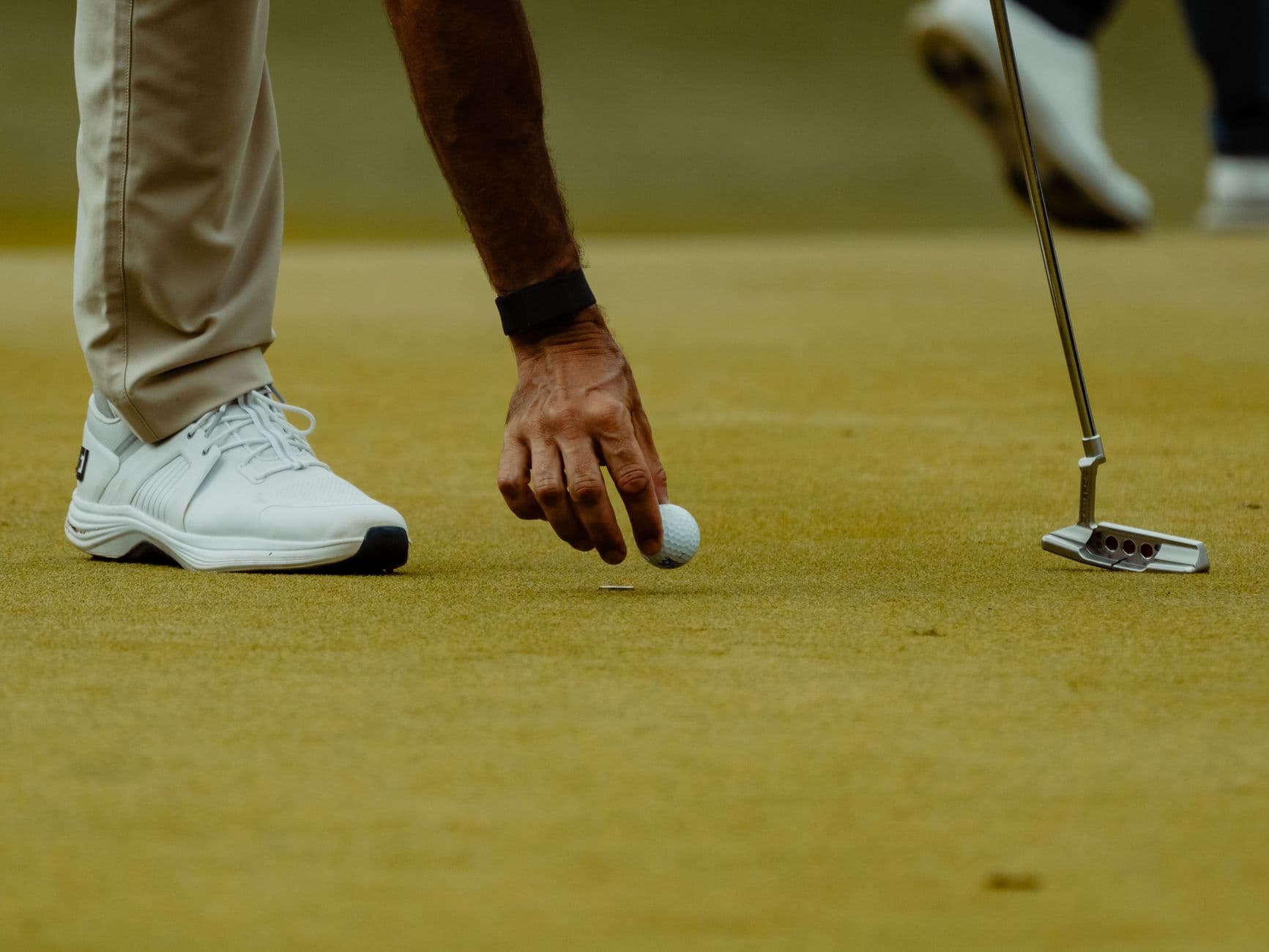
The PGA Tour's February slate continues to deliver compelling storylines as players jostle for position in what promises to be another unpredictable season. With the West Coast Swing in full motion and players finding their competitive rhythm, this week's tournament showcased the strategic depth and mental fortitude that separates elite performers from the rest of the field.

Early-season tournaments carry a unique weight in the professional golf calendar. Players are still calibrating their games after the offseason, equipment changes are being battle-tested under tournament pressure, and course management strategies are being refined in real-time. The margin for error remains razor-thin.
Course Conditions and Strategic Demands
February golf in the United States presents a fascinating tactical challenge. Cooler temperatures affect ball flight and spin rates, while morning moisture can dramatically alter how approach shots hold on greens. The players who thrived this week demonstrated exceptional adaptability—reading conditions hole by hole rather than committing to a single game plan.
Wind management proved particularly crucial during the middle rounds. When afternoon gusts picked up, we saw a clear separation between players who could flight their irons effectively and those who struggled to control trajectory. The ability to hit knockdown shots while maintaining distance control is a skill that often goes unappreciated by casual viewers but proves decisive in tournament outcomes.
- Trajectory control became essential as wind conditions shifted throughout each round
- Putting surfaces demanded precise speed control, particularly on downhill attempts
- Strategic layups on risk-reward holes separated aggressive scorers from steady performers
- Recovery shots from challenging lies tested players' short-game creativity
Player Performance Analysis
The leaderboard this week told a story of consistency versus aggression. Players who found fairways at a high clip maintained scoring opportunities throughout their rounds, while those gambling off the tee faced difficult recovery scenarios that ultimately cost them strokes.
Greens in regulation proved to be the defining statistic separating the contenders. When you're hitting approach shots from the fairway with precise yardages, the game becomes significantly more manageable. The top performers demonstrated exceptional iron play, particularly from the 150-175 yard range where scoring clubs determine birdie opportunities.
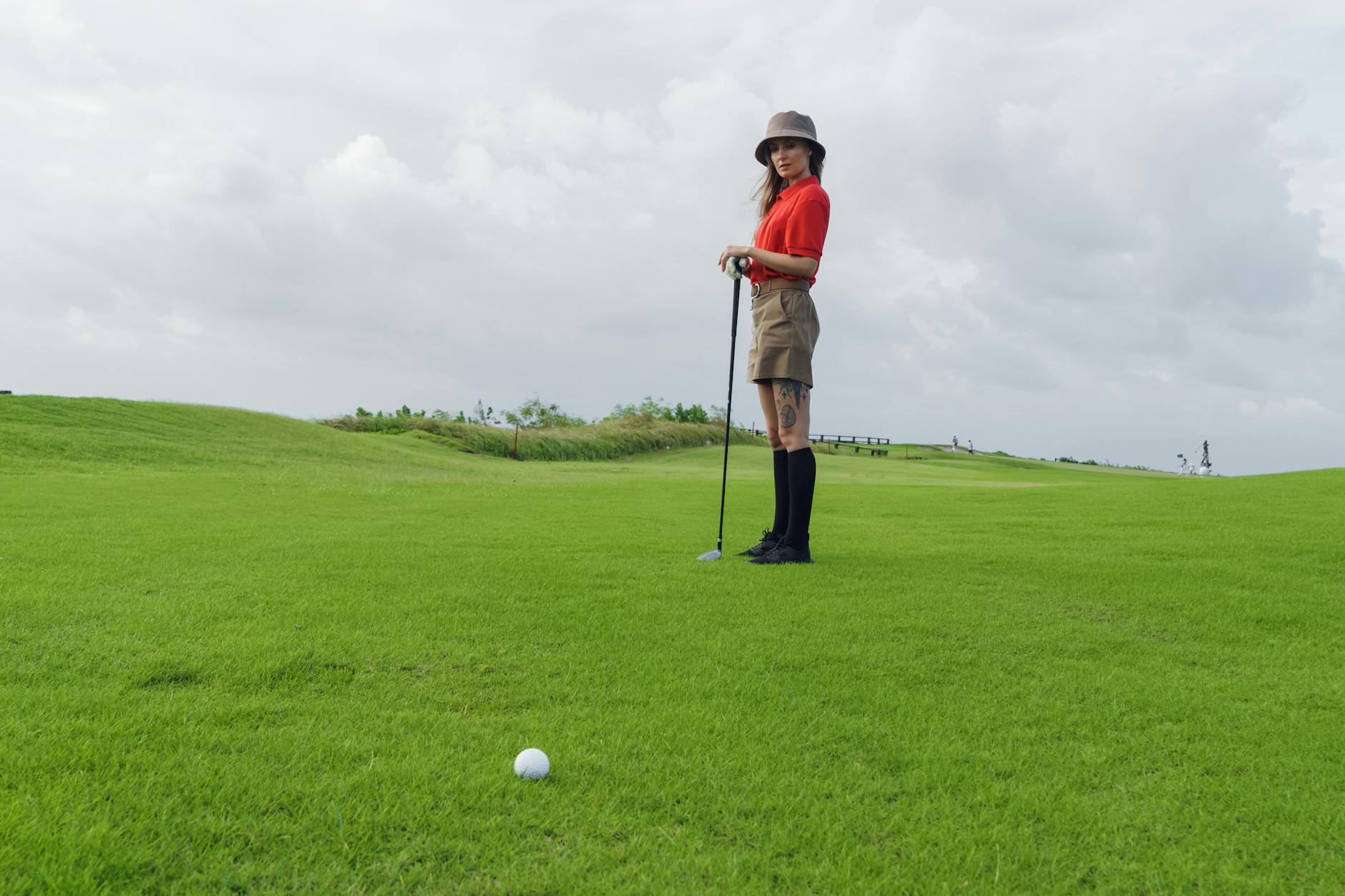
What stood out was the putting performance under pressure. The players who converted crucial mid-range putts in the 8-15 foot range created separation on the leaderboard. This distance, often called the 'scoring zone,' is where tournaments are won and lost. Superior green reading and touch separated those who posted low numbers from those who merely survived.
Equipment Considerations in Cool Conditions
Cool February temperatures significantly impact ball performance, a factor that often goes overlooked in tournament analysis. Compression rates change, spin numbers fluctuate, and players must adjust their club selection accordingly. Those using equipment optimized for consistency across varying conditions held a subtle but meaningful advantage.
The game becomes about managing variables rather than chasing perfection. You accept that conditions will change and prepare accordingly.
— Tour Professional on February Golf
Ball selection matters more than most viewers realize. In cooler temperatures, a ball that maintains its feel and spin characteristics provides more predictable performance—particularly on approach shots where precision matters most. Players who trust their equipment can commit fully to their shots rather than second-guessing distance calculations.
Short Game Mastery on Display
The week's action reinforced how vital short-game versatility remains at the highest level. Players faced a variety of lies around the greens—tight lies, fluffy rough, awkward stances—and those with extensive shot-making repertoires navigated these challenges effectively.
Bunker play emerged as a particular differentiator. The sand conditions required precise clubhead control and consistent strike quality. Players who struggled from greenside bunkers found themselves dropping unnecessary strokes, while those with refined technique converted sand saves at impressive rates.
Looking Ahead: What This Week Revealed
Early-season form can be deceiving, but certain patterns tend to carry through the year. Players demonstrating strong ball-striking metrics and composed putting performances typically build on these foundations as the season progresses. The mental aspect of managing expectations while competing at the highest level separates true contenders.
- Iron play consistency remains the primary indicator of sustained competitive success
- Putting performance under pressure correlates strongly with final leaderboard position
- Course management decisions, particularly on risk-reward holes, accumulate over four rounds
- Physical stamina and mental resilience become increasingly important as the season intensifies
The PGA Tour's depth of talent ensures that no victory comes easily. This week reinforced that reality, with the leaderboard featuring a compelling mix of established stars and emerging talents making their presence known. The season's narrative continues to develop, and February's results will influence momentum heading into the Florida swing.
For players seeking that extra edge in stability and consistency—particularly in variable conditions—equipment choices matter. The difference between a ball that performs predictably and one that fluctuates with temperature can mean the difference between a made cut and a missed opportunity. As the season progresses, these marginal gains compound into significant competitive advantages.
Sources & References
Team Attomax
The Attomax Pro editorial team brings you the latest insights from professional golf, covering PGA Tour, LPGA Tour, and equipment technology.