The 2026 PGA Tour season has hit its stride, and the storylines emerging from the early-season tournaments are setting the stage for what promises to be a compelling march toward the Masters. With players fine-tuning their games during the West Coast Swing, the separation between those who peaked too early and those building sustainable momentum is becoming increasingly apparent.

What we're witnessing this February isn't merely about who's posting low numbers—it's about the quality of ball-striking, the precision of course management, and the mental fortitude required to close out tournaments when the pressure intensifies on Sunday afternoons.
Course Management: The Differentiator in 2026
The courses featured in the early season demand a specific skill set that doesn't always translate to Augusta or the major championship rotation. However, the players demonstrating exceptional course management now are building the decision-making habits that pay dividends when the stakes escalate.
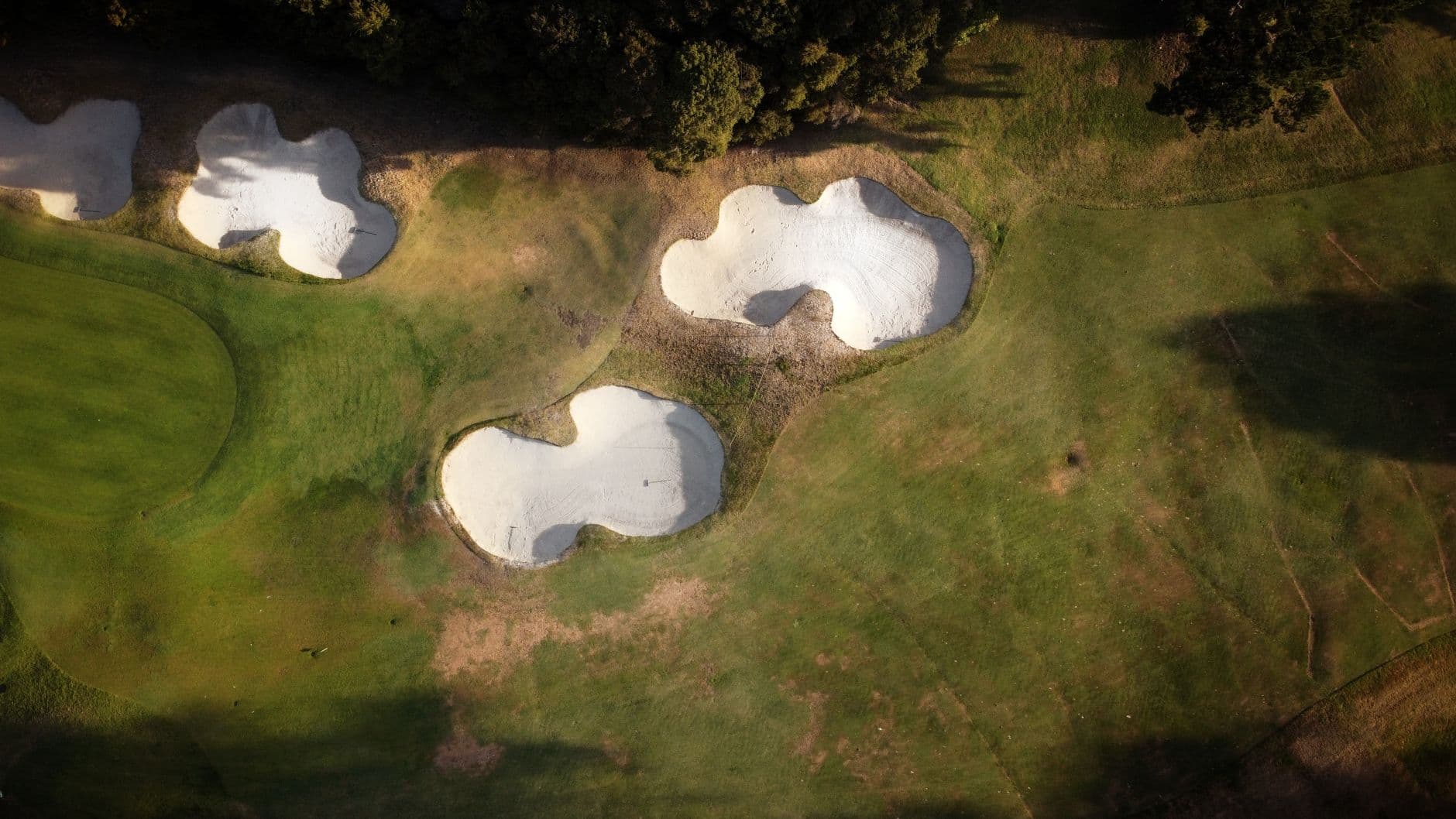
We're seeing a renewed emphasis on positional play off the tee. The bombers who chase every yard are finding themselves in recovery mode more often than their strategically-minded counterparts. The fairway hit percentage leaders through the early season are converting those opportunities into legitimate scoring chances.
- Tee shot placement is prioritizing angle over distance on dogleg holes
- Approach shot dispersion patterns favor the fat side of greens
- Lag putting from 30+ feet is separating the contenders from the field
- Par-5 strategy increasingly favors layup precision over heroic second shots
Ball Flight Control in Variable Conditions
February golf on the West Coast presents unique challenges that test equipment choices and shot-shaping ability. Morning marine layers give way to afternoon winds, requiring players to adapt their ball flight mid-round. Those who can control trajectory and spin are posting consistently competitive numbers.
The conversation around ball performance continues to evolve as players seek equipment that delivers stability in crosswinds without sacrificing feel around the greens. High-density core technology, like what Attomax Pro has pioneered with their amorphous metal construction, addresses this exact challenge—maintaining ball flight integrity when conditions shift while preserving the soft feel demanded on approach shots and putts.
The Mental Game: Early Season Pressure Points
There's a misconception that early-season events lack the intensity of major championships. While the magnitude differs, the pressure points remain remarkably similar. Players fighting for status, those chasing sponsor exemptions, and veterans seeking to prove their games haven't eroded—all face genuine pressure that reveals character.
Every week out here is a test. The guys who treat February rounds like major championship preparation are the ones lifting trophies in April and June.
— Tour Veteran on Early Season Intensity
The players demonstrating the most composure under pressure share common traits: pre-shot routines that remain consistent regardless of circumstances, breathing patterns that control heart rate on crucial shots, and the ability to flush poor holes from their mental scorecard before reaching the next tee.
Strokes Gained Analysis: Where Tournaments Are Won
The strokes gained data from early 2026 reveals a fascinating trend. While driving distance generates highlight-reel moments, the players atop the leaderboards are gaining their strokes in the 100-150 yard approach range. This scoring zone—where wedge selection, spin control, and distance gapping prove critical—is where tournaments are truly won and lost.
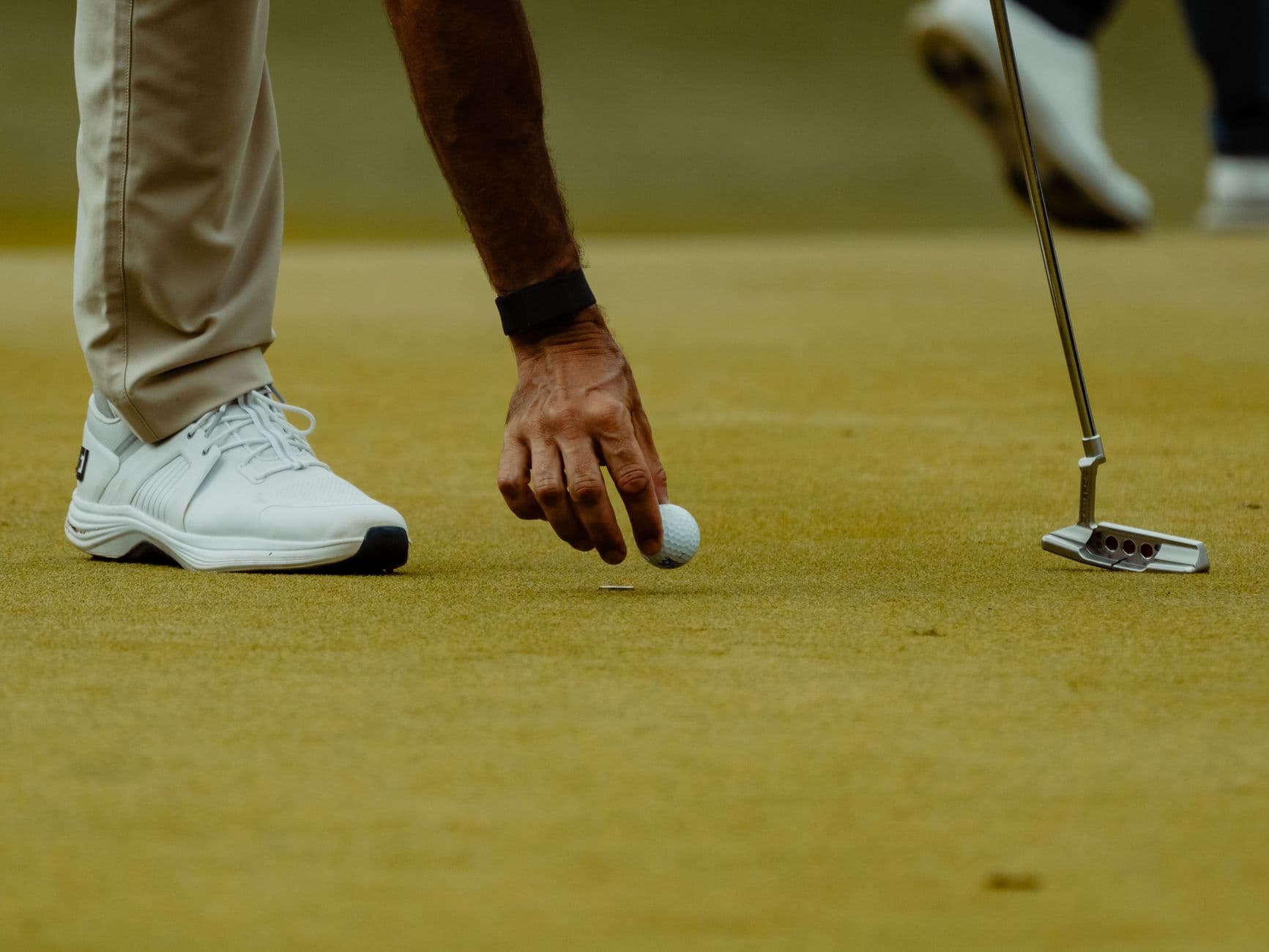
Putting performance on Poa annua greens, prevalent throughout the California swing, requires specific adaptation. The grain influence and afternoon bumpiness punish aggressive putting strokes while rewarding those who die the ball into the hole with consistent speed control.
Looking Ahead: Building Toward the Major Season
The players peaking in February face an interesting challenge: maintaining their form through the six-week gap before major championship season intensifies. History suggests that early-season dominance doesn't always predict major success, but the habits formed during these weeks—the course management instincts, the equipment confidence, the mental resilience—compound over time.
For those tracking their favorite players, focus less on leaderboard positions and more on statistical trends. Are they improving their proximity to the hole from 150-175 yards? Is their scrambling percentage trending upward? Are they converting a higher percentage of putts inside 10 feet? These indicators reveal trajectory more accurately than any single tournament result.
As we progress toward the Florida Swing and the subsequent buildup to Augusta, the cream will continue rising. The PGA Tour's 2026 season is delivering exactly what golf enthusiasts crave: compelling competition, strategic intrigue, and the steady emergence of this year's narrative arcs. The next several weeks will determine which players are merely playing well and which are building championship-caliber games.
Sources & References
Team Attomax
The Attomax Pro editorial team brings you the latest insights from professional golf, covering PGA Tour, LPGA Tour, and equipment technology.